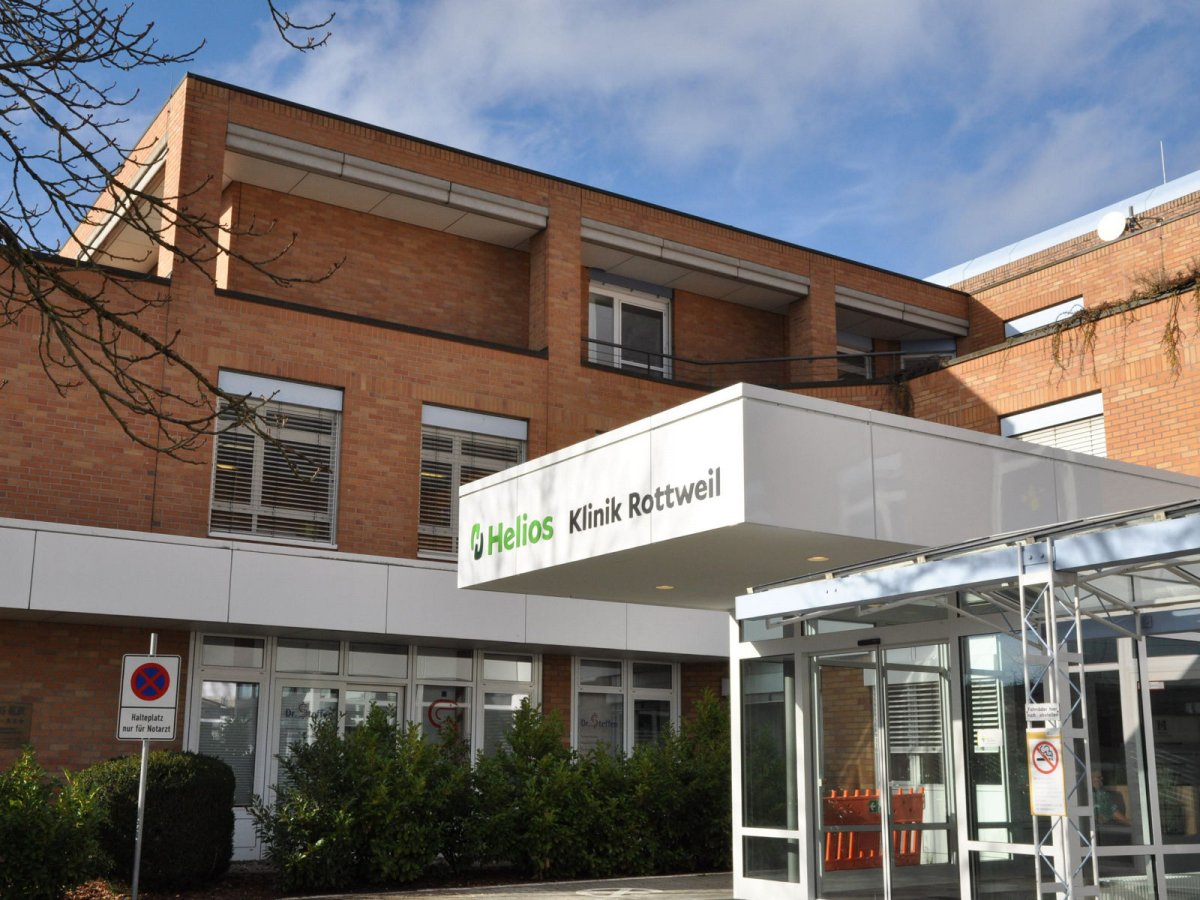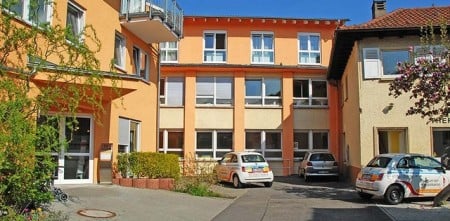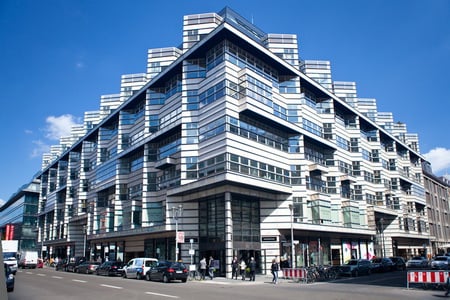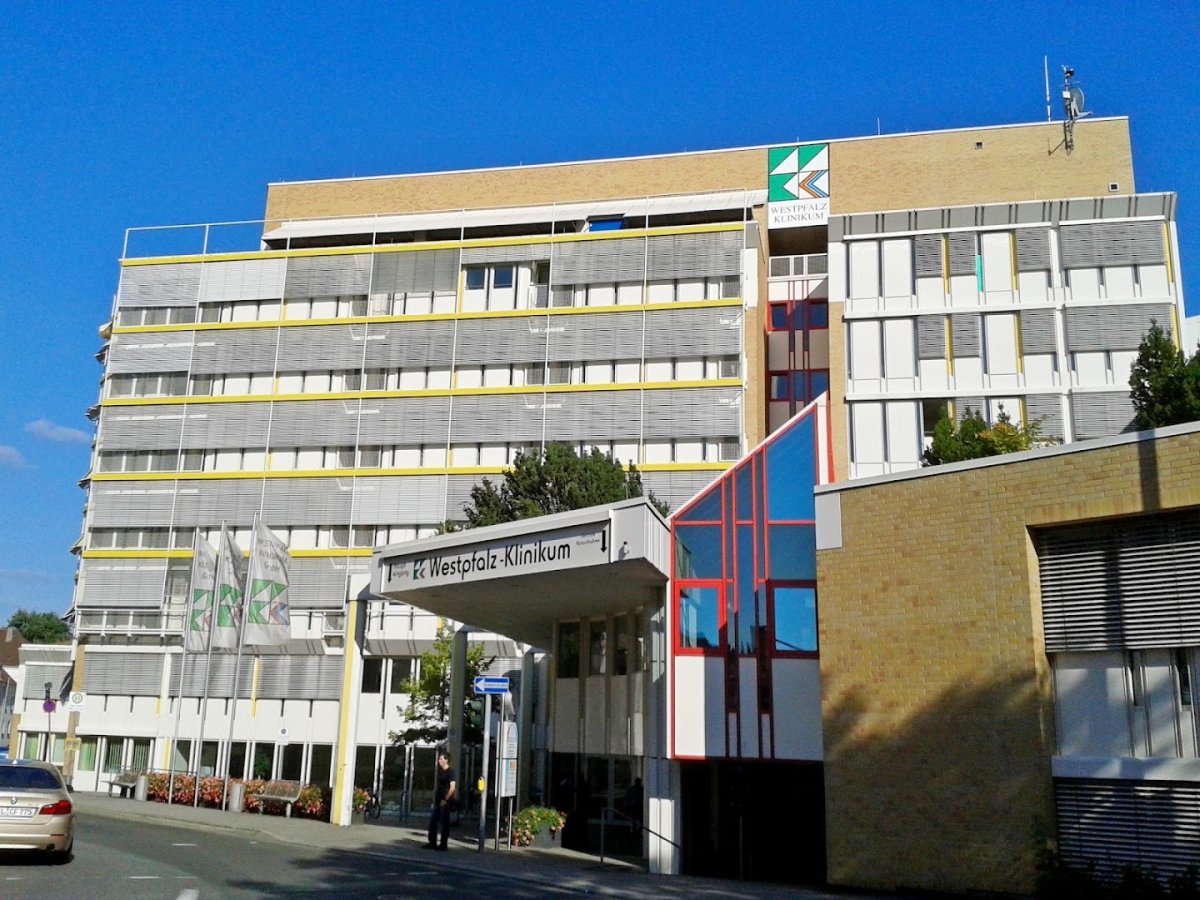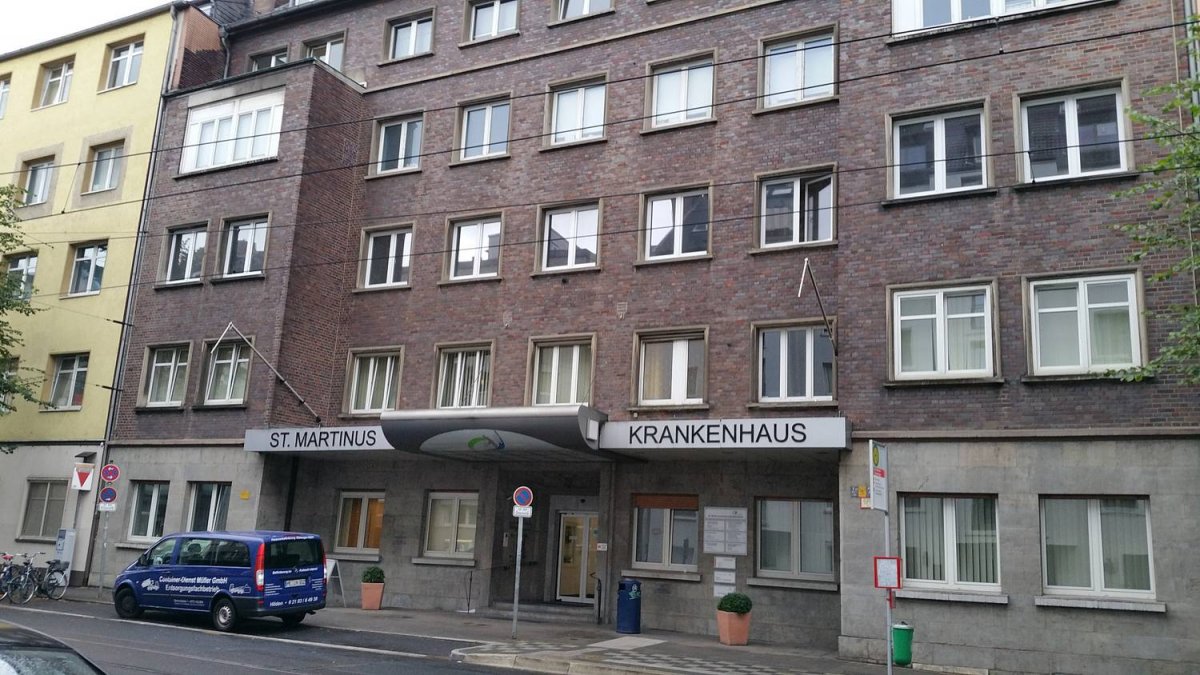
St. Martinus-Krankenhaus Düsseldorf
Alemania, Düsseldorf


Revisado médicamente por
Fahad Mawlood
El costo del tratamiento de rehabilitación de accidentes cerebrovasculares en Alemania generalmente incluye una consulta con un neurólogo que oscila entre $190 y $340, además de programas integrales de rehabilitación que suelen costar entre Precio a consultar y Precio a consultar. Los gastos totales dependen de la intensidad de la atención, la duración de la estancia y el uso de robótica avanzada. Los pacientes a menudo encuentran ahorros del 40-60% en comparación con los EE. UU. Las principales ciudades para la recuperación incluyen Berlín, Bremen y Düsseldorf.
Costos típicos del tratamiento de rehabilitación de accidentes cerebrovasculares en Alemania
Perspectiva del experto de Bookimed: Para los pacientes que requieren recuperación de la función motora, la terapia asistida por robots proporciona la mayor intensidad. El Centro de Rehabilitación Robótica Walk Again en Berlín se especializa en estas tecnologías musculoesqueléticas avanzadas. Los pacientes que buscan una atención integral deberían considerar el Zentrum der Rehabilitation Pforzheim. Expertos como el Dr. Ruud Gerlofs combinan allí 30 años de experiencia con terapias Bobath y manuales. Este enfoque es ideal para casos neurológicos complejos que necesitan programas restaurativos personalizados. Los centros académicos de gran volumen, como el Hospital Universitario de Essen, ofrecen diagnósticos basados en IA para transiciones de fase aguda.
| Alemania | España | Turquía | |
|---|---|---|---|
| Terapia ocupacional con el ratón de ordenador Head | ≈ $1,000 | ≈ $750 | ≈ $450 |
| Terapia de caricias | ≈ $90 | ≈ $380 | de $150 |
| Rehabilitación con traje espacial TheraSuit | ≈ $4,500 | ≈ $2,800 | ≈ $1,500 |
| Rehabilitación con sistema Re-step | ≈ $9,500 | ≈ $6,500 | ≈ $3,800 |
| Rehabilitación con Vector Gait System | ≈ $6,500 | ≈ $3,800 | de $1,300 |

Más de de experiencia en neurología y ortopedia – El Dr. Gerlofs se especializa en rehabilitación de accidentes cerebrovasculares en el Zentrum der Rehabilitation Pforzheim.

La Dra. Daniela Dorshner-Gerlofs es una neuróloga con gran experiencia especializada en rehabilitación tras un ictus en el Zentrum der Rehabilitation Pforzheim.

El Dr. Marco Dorshner se especializa en la rehabilitación de accidentes cerebrovasculares con un enfoque holístico en el Centro de Rehabilitación R. Geerlofs GmbH & Co. KG en Pforzheim.
 Olena Sikoza
Las clínicas alemanas ofrecen una rehabilitación de ictus única a través del modelo escalonado de las fases A a F. Este marco integra sistemas robóticos de alta intensidad como Lokomat y G-EO System con neuromodulación. Los centros enfatizan la neuroplasticidad mediante más de 1.000 movimientos repetitivos por sesión y técnicas especializadas como la hipoterapia y la terapia Bobath.
Perspectiva del experto de Bookimed: Mientras que muchos países ofrecen fisioterapia estándar, los centros alemanes como el Zentrum der Rehabilitation Pforzheim destacan por emplear terapeutas especializados en Bobath y terapia manual. El Dr. Ruud Gerlofs aporta allí más de 30 años de experiencia. Esta profundidad de experiencia humana garantiza que la robótica de alta tecnología se programe con precisión clínica para obtener mejores resultados.
Consenso de los pacientes:
Los pacientes en Alemania suelen alcanzar una independencia parcial o total en un plazo de tres a seis meses. Las estadísticas muestran que entre el 70% y el 80% recuperan con éxito su autonomía diaria. La recuperación se centra en la movilidad, las habilidades motoras y el habla. Los centros alemanes utilizan un sistema de neurorrehabilitación estructurado por fases para maximizar los logros funcionales.
Opinión de expertos de Bookimed: Los centros de rehabilitación alemanes como el Zentrum der Rehabilitation Pforzheim destacan por utilizar protocolos específicos basados en la neurociencia. Mientras que las clínicas generales se centran en movimientos básicos, los c
Alemania utiliza un sistema de fases estandarizado (A-F) para clasificar la recuperación de un accidente cerebrovascular (ACV) según la estabilidad médica y la independencia funcional. Este continuo estructurado garantiza que los pacientes pasen de la intervención de emergencia a la reintegración a largo plazo. La progresión se determina mediante puntuaciones clínicas como el Índice de Barthel, en lugar del tiempo transcurrido desde el ACV.
Perspectiva del experto de Bookimed: Aunque la Fase D a menudo se considera el objetivo principal de la recuperación, nuestros datos muestran que centros especializados como el Robotic Rehabilitation Center Walk Again en Berlín utilizan tecnologías de exoesqueleto Lokomat y Re-Walk específicamente durante la Fase C. La transición temprana a un centro con estas capacidades robóticas puede acelerar significativamente el camin
Los supervivientes de un accidente cerebrovascular (ACV) deben viajar a Alemania para su rehabilitación entre 2 semanas y 3 meses después del inicio. Esta ventana maximiza la neuroplasticidad durante la fase subaguda. Los pacientes deben estar médicamente estables con la presión arterial controlada. La mayoría viaja una vez que pueden tolerar sesiones de terapia diaria intensiva.
Perspectiva del experto de Bookimed: La neurorrehabilitación alemana está altamente especializada, con centros específicos como el Robotic Rehabilitation Center Walk Again que utiliza sistemas robóticos. Nuestros datos muestran que clínicas como el Hospital Universitario de Essen atienden a más de 370.000 pacientes al año. Este alto volumen a menudo significa un mejor acceso a tecnologías avanzadas como Lokomat o exoesqueletos. Los pacie
Alemania concentra la rehabilitación de accidentes cerebrovasculares en Berlín, Renania del Norte-Westfalia y Baden-Wurtemberg. Estos centros utilizan el modelo de neurorrehabilitación basado en fases. Instalaciones como el Hospital Universitario de Essen y la Clínica Bremen-Mitte cuentan con certificaciones JCI o ISO. Emplean robótica avanzada y diagnósticos basados en IA para la recuperación.
Perspectiva del experto de Bookimed: El volumen clínico a menudo indica mejores resultados en la neurorrehabilitación alemana. Por ejemplo, el Hospital Universitario de Essen trata a 370.000 pacientes al año con sistemas integrados de IA. Mientras tanto, centros especializados más pequeños como los de Pforzheim se centran en la terapia manual Bobath. Elegir un centro de gran volumen es generalmente más seguro para una recuperación intensiva temprana comp
Los dispositivos asistidos por robots no superan universalmente a la terapia convencional en la rehabilitación de accidentes cerebrovasculares. En cambio, proporcionan resultados no inferiores mientras destacan en el entrenamiento repetitivo de alto volumen. Las clínicas alemanas utilizan con éxito estas tecnologías junto con técnicas dirigidas por humanos como la terapia Bobath para maximizar la neuroplasticidad y mejorar la marcha del paciente.
Perspectiva del experto de Bookimed: Si bien Berlín alberga centros especializados como el Robotic Rehabilitation Center Walk Again, los hospitales universitarios alemanes a menudo brindan la atención más integral al combinar tecnología avanzada con investigación. Por ejemplo, el Hospital Universitario de Essen atiende a 370.000 pacientes al año
Los protocolos neurológicos alemanes de Fase C y Fase D se determinan por los niveles de independencia y la resistencia a la terapia. La Fase C se centra en la movilización de pacientes con una puntuación de 35 a 65 en el Índice de Barthel. La Fase D atiende a pacientes médicamente estables con una puntuación de 70 a 100 que están logrando una independencia total.
Perspectiva del experto de Bookimed: Los centros de rehabilitación alemanes como la Clínica Bremen-Mitte y el Hospital Universitario de Essen gestionan la recuperación especializada integrando tecnologías robóticas. Los sistemas robóticos como Lokomat o los exoesqueletos son fundamentales durante la transición de la Fase C a la D. Estas tecnologías permiten a los pacientes con puntuaciones más bajas en el Índice de Barthel alcanzar el movimiento de alta intensidad requerido para la elegibilidad de la Fase
Alemania alberga algunos de los departamentos de neurocirugía más prestigiosos del mundo, liderados por la Charité – Universitätsmedizin Berlin y el Hospital Universitario de Heidelberg. Estos centros destacan en el tratamiento de tumores cerebrales complejos y enfermedades cerebrovasculares. Para maximizar la eficacia de sus procedimientos, utilizan tecnologías de vanguardia como la resonancia magnética intraoperatoria y la neuronavegación asistida por computadora.
Opinión experta de Bookimed: Los datos muestran que elegir centros con un alto volumen quirúrgico suele llevar a recomendaciones de tratamiento más conservadoras. En el Centro Médico Solingen, que atiende a más de 60.000 pacientes al año, los cirujanos suelen sugerir fisioterapia en lugar de cirugía
En Alemania, los procedimientos neuroquirúrgicos de alta complejidad demuestran una seguridad excepcional. Las tasas de éxito en las fusiones espinales alcanzan el 99 %. La tasa de supervivencia en las resecciones de tumores cerebrales primarios es del 97 %. La independencia funcional es alta. Más del 82 % de los pacientes reciben el alta inmediatamente después del tratamiento. Los centros alemanes priorizan la preservación de la función neurológica mediante técnicas modernas de mapeo.
Opinión experta de Bookimed: Cirujanos experimentados como el Dr. Uwe Köhler, de la Clínica Asklepios Altona, realizan más de 2000 cirugías al año. Los datos muestran que estos especialistas mantienen tasas de éxito de hasta el 90 %, incluso en los tumores cerebrales más comp
Las clínicas neuroquirúrgicas alemanas incorporan regularmente instrumentos digitales de alta precisión y visualización en tiempo real a la práctica quirúrgica. Entre las tecnologías clave se encuentra la neuronavegación computarizada para cirugías de cerebro y médula espinal. Instituciones como la Clínica Asklepios Nord utilizan la resonancia magnética intraoperatoria para verificar la extirpación de tumores en tiempo real. Estos sistemas proporcionan a los cirujanos navegación GPS 3D.
Opinión experta de Bookimed: Grandes centros como la Charité – Universitätsmedizin de Berlín realizan más de 4000 procedimientos neuroquirúrgicos al año, lo que crea un entorno rico en datos para p