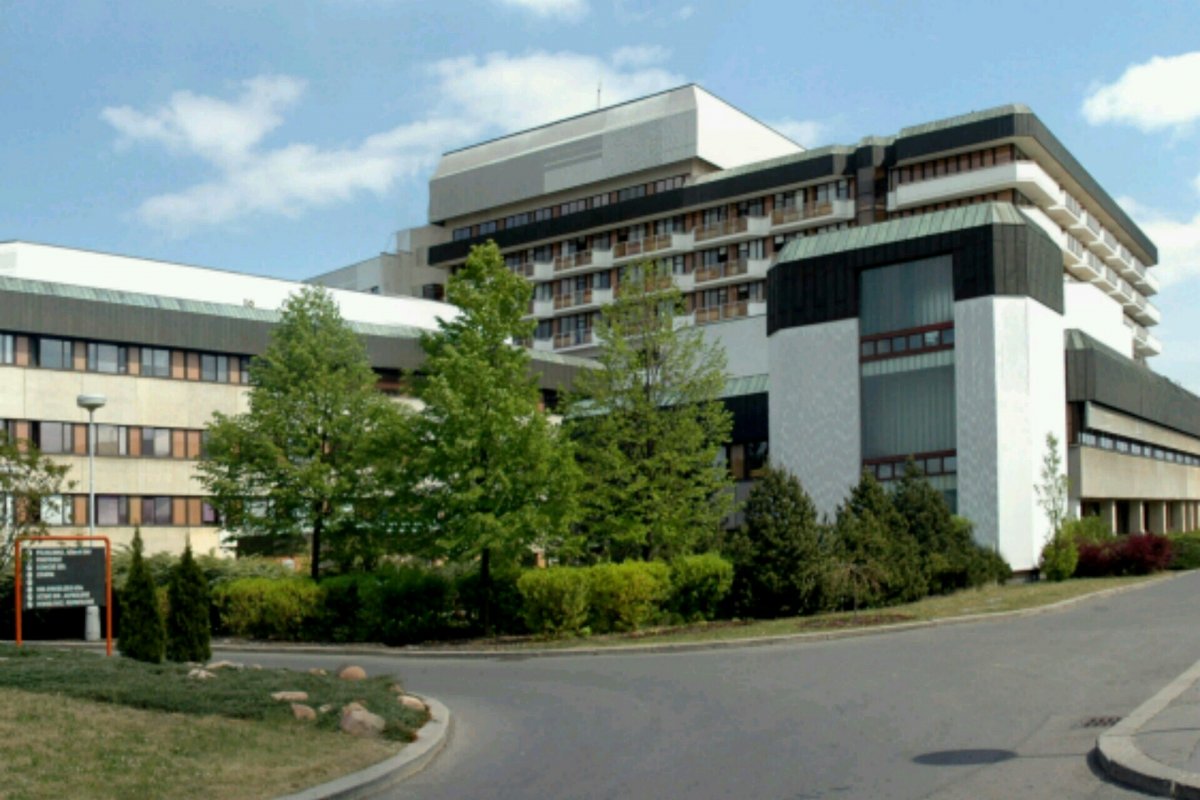
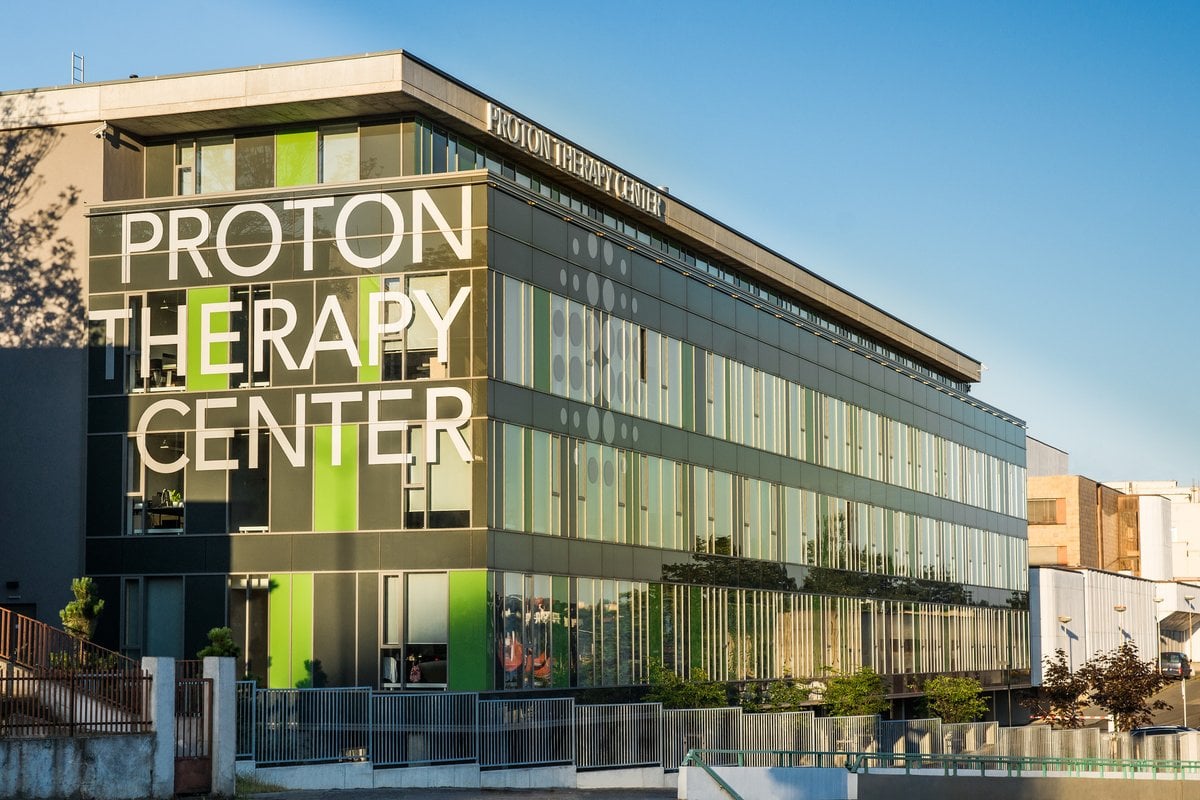
Robotic Surgery Center in St. Zdislava Hospital
República Checa, Velke Mezirici
Clínica certificada por : 


Revisado médicamente por
Fahad Mawlood
El costo del tratamiento del adenocarcinoma sigmoide en la República Checa depende de la etapa de la enfermedad y del enfoque quirúrgico seleccionado. De $9,000. Los pacientes pueden obtener aproximadamente un 70% de ahorro en comparación con los EE. UU., con los mejores centros médicos ubicados en Praga, Brno y Velke Mezirici.
Costos típicos del tratamiento del adenocarcinoma sigmoide en la República Checa
Perspectiva de los expertos de Bookimed: Los pacientes que buscan resultados quirúrgicos de alta precisión deben priorizar las opciones asistidas por robot. El Centro de Cirugía Robótica del Hospital St. Zdislava es la instalación más grande de su tipo en el país. El Dr. Jaroslav Tvaruzek, experto certificado por Intuitive Surgical, ha realizado más de 3,500 procedimientos robóticos. Esta experiencia es vital para preservar la función y acelerar la recuperación después de resecciones intestinales complejas.
| República Checa | España | Turquía | |
|---|---|---|---|
| Radioterapia para el cáncer colorrectal | ≈ $10,000 | de $7,500 | de $5,000 |
| Quimioterapia para el cáncer de mama | ≈ $3,000 | de $1,700 | de $3,000 |
| Colectomía (resección del intestino grueso) | de $9,000 | de $20,000 | de $5,000 |

Más de 3500 cirugías robóticas: el Dr. Tvaruzek es uno de los cirujanos robóticos con más experiencia en la República Checa y dirige el Centro de Cirugía Robótica.
 Olena Sikoza
La colectomía sigmoidea es el tratamiento quirúrgico estándar para el adenocarcinoma de colon sigmoide. Los cirujanos extirpan el segmento canceroso del colon en forma de S y los ganglios linfáticos regionales. Este procedimiento garantiza la radicalidad oncológica. La mayoría de los casos utilizan técnicas mínimamente invasivas laparoscópicas o robóticas para acelerar la recuperación y reducir el trauma quirúrgico.
Perspectiva del experto de Bookimed: Los centros de la República Checa se especializan en cirugía robótica de alto volumen. El Dr. Jaroslav Tvaruzek en el Hospital St. Zdislava ha realizado más de 3.500 procedimientos robóticos. Este alto volumen a menudo conduce a mejores resultados en resecciones oncológicas complejas. Elegir un cirujano robótico experimentado puede ayudar a preservar la función nerviosa durante la cirugía de colon.
Consenso de los pacientes: Lo
Los centros checos líderes en oncología colorrectal y cirugía robótica incluyen el Hospital St. Zdislava en Velke Mezirici y el Nemocnice Na Homolce en Praga. Estas instituciones emplean el sistema quirúrgico Da Vinci para resecciones tumorales de alta precisión. Se centran en mantener el tejido sano durante tratamientos complejos de adenocarcinoma sigmoideo.
Perspectiva de expertos de Bookimed: Aunque Praga alberga muchos hospitales estatales importantes como Na Homolce, los centros especializados como St. Zdislava a menudo tienen mayores volúmenes individuales de cirujanos. El Dr. Jaroslav Tvaruzek por sí solo ha realizado más de 3,500 procedimientos. Esta profundidad de experiencia generalmente conduce a mejores resultados en resecciones técnicamente difíciles.
Consenso de los pacientes: Los pacientes señalan que la experiencia específica del cirujano c
Los hospitales oncológicos checos son seguros y están calificados. Operan dentro de una red centralizada de Centros Oncológicos Integrales. Las instalaciones mantienen estrictos estándares del Ministerio de Salud y auditorías de reacreditación cada 5 años. Los centros líderes poseen certificados JCI e ISO. Utilizan sistemas robóticos y terapia de protones para tratamientos de alta precisión.
Perspectiva del experto de Bookimed: Los centros de la República Checa muestran un enfoque único en la competencia robótica de alto volumen. El Hospital St. Zdislava por sí solo ha completado más de 4,000 operaciones robóticas. Esta experiencia ayuda a mantener altas tasas de éxito en delicadas cirugías oncológicas. El Dr. Jaroslav Tvaruzek es un experto líder certificado por el fabricante original de Da Vinci. Esta credencial indica un profundo dominio técnico de las extirpaciones robóticas de cáncer.
<Las técnicas mínimamente invasivas y robóticas son el estándar para la cirugía de cáncer de colon en la República Checa. Los cirujanos utilizan habitualmente la laparoscopia para el adenocarcinoma sigmoideo. Los principales centros clínicos utilizan cada vez más el sistema Da Vinci. Estas plataformas proporcionan visualización en 3D para la extirpación precisa del tumor. Los pacientes suelen experimentar tiempos de recuperación más rápidos.
Perspectiva de expertos de Bookimed: La cirugía robótica checa está altamente concentrada en centros especializados en lugar de pequeños hospitales locales. El Dr. Jaroslav Tvaruzek ha realizado personalmente más de 3.500 procedimientos robóticos. Este enorme volumen individual es un fuerte indicador de competencia quirúrgica. El Hospital St. Zdislava mantiene un enfoque especializado que atrae a más de 2.300 pacientes al año.
La estancia hospitalaria después de una resección de colon sigmoide suele oscilar entre 3 y 7 días. Los pacientes sometidos a procedimientos laparoscópicos o robóticos a menudo pueden ser dados de alta en un plazo de 3 a 5 días. Las cirugías abiertas requieren de 5 a 7 días para una vigilancia segura. El alta depende de la función intestinal y los hitos de movilidad.
Perspectiva del experto de Bookimed: Los centros robóticos checos demuestran una alta eficiencia en la recuperación. El Hospital St. Zdislava ha realizado más de 4.000 operaciones robóticas. El Dr. Jaroslav Tvaruzek por sí solo ha completado 3.500 procedimientos. Este alto volumen a menudo resulta en estancias hospitalarias más predecibles y cortas para los pacientes internacionales.
Consenso del paciente: La razón más común para el retraso en el alta es esperar a que el sistema digestivo se reactive. La transición de analgésicos intravenosos a o
El tratamiento del cáncer de colon en la República Checa es altamente efectivo, con tasas de curación en etapas tempranas que alcanzan del 85% al 95%. Los centros oncológicos especializados ofrecen colectomías robóticas avanzadas y terapias biológicas. Las instalaciones especializadas en Praga y Velké Meziříčí mantienen altos estándares de precisión quirúrgica y atención multidisciplinaria.
Perspectiva del experto de Bookimed: Si bien muchos pacientes buscan tratamiento en Praga, los centros de alto volumen como el Hospital St. Zdislava en Velké Meziříčí ofrecen una experiencia significativa. Este centro es el centro robótico más grande del país. El Dr. Jaroslav Tvaruzek por sí solo ha realizado más de 3,500 procedimientos robóticos. Este alto volumen individual generalmente se correlaciona con una mejor precisión quirúrgica y tiempos de recuperación más rápidos.
Consenso de los pa