Tratamiento de Adenocarcinoma sigmoide en Austria — obtenga 3 coincidencias personalizadas de clínicas


Revisado médicamente por
Fahad Mawlood
Cómo funciona
¿Cuál es el precio del diagnóstico y los tratamientos de Adenocarcinoma sigmoide en Austria? Descubra ahora
De $260
Costos típicos del tratamiento del adenocarcinoma sigmoide en Austria
- Consulta con un oncólogo: de $260
- Colectomía (resección del intestino grueso): $14,500 – $22,500
- Radioterapia para el cáncer colorrectal: de $6,700
- Quimioterapia para el cáncer de mama: $9,500 – $18,000
Perspectiva de los expertos de Bookimed: Los casos de cáncer avanzado se benefician más de la experiencia multidisciplinaria que se encuentra en Wiener Privatklinik. El Univ. Prof. Dr. Christoph Zielinski ofrece allí inmunoterapia de clase mundial y liderazgo en oncología médica. Para los pacientes que buscan precisión quirúrgica con tasas de complicaciones más bajas, el Hospital Privado Döbling implementa rigurosos objetivos de seguridad de la JCI. Estas instalaciones privadas ofrecen a los pacientes internacionales un acceso más rápido a los profesores de la Universidad Médica de Viena.
| Austria | España | Turquía | |
|---|---|---|---|
| Radioterapia para el cáncer colorrectal | de $6,700 | de $7,500 | de $5,000 |
| Quimioterapia para el cáncer de mama | ≈ $9,500 | de $1,700 | de $3,000 |
| Colectomía (resección del intestino grueso) | ≈ $14,500 | de $20,000 | de $5,000 |
Descubra las mejores clínicas de tratamiento de Adenocarcinoma sigmoide en Austria: 3 opciones verificadas y Precios
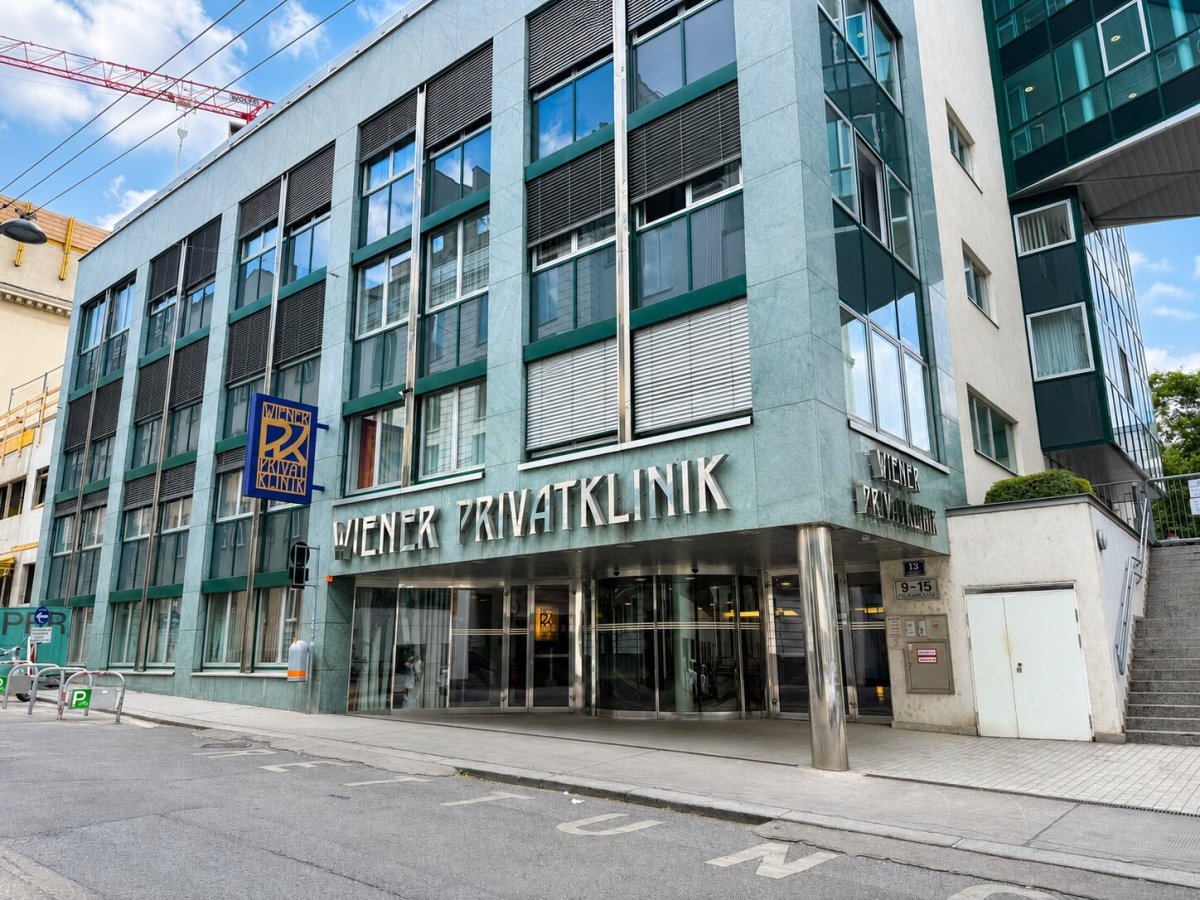





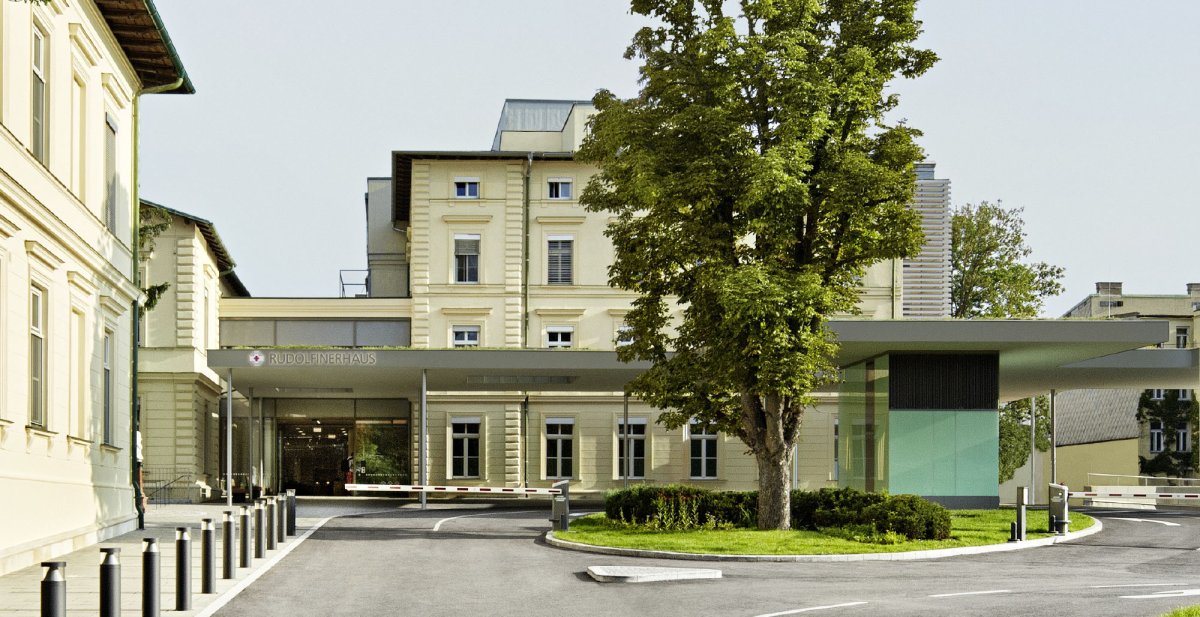
Obtenga una evaluación médica para Adenocarcinoma sigmoide en Austria: consulte con doctores experimentados ahora
Ver todos los médicos
Christoph Zielinski
El Prof. Christoph Zielinski dirige el departamento de oncología más grande de Austria en el Hospital General de Viena, siendo pionero en la medicina oncológica personalizada.
- Más de 44 años de experiencia en oncología y hematología
- Fundador y exdirector del Comprehensive Cancer Center Vienna
- Especializado en inmunoterapia contra el cáncer y terapias individualizadas
- Actual director médico del Centro Internacional de Oncología de Wiener Privatklinik
- Ha publicado extensamente en las principales revistas de oncología

Wolfgang Köstler
El Prof. Univ. Dr. Wolfgang Köstler es un oncólogo médico austriaco especializado en terapias oncológicas dirigidas en la Wiener Privatklinik.
- Más de _doctor_1748_años_ de experiencia clínica y académica en oncología
- Enfoque en cánceres de mama y ginecológicos mediante medicina personalizada
- Ex subdirector de la División Clínica de Oncología de la Universidad Médica de Viena
- Activo en investigación traslacional y desarrollo de biomarcadores
- Publicaciones extensas en las principales revistas internacionales de oncología
Compartir contenido
Historias en video de pacientes de Bookimed
 Olena Sikoza
Preguntas frecuentes sobre el tratamiento de Adenocarcinoma sigmoide en Austria
¿Qué pruebas específicas se requieren en Austria para determinar el estadio del adenocarcinoma de colon sigmoide?
En Austria, la tomografía computarizada con contraste del tórax, el abdomen y la pelvis es obligatoria para la estadificación del adenocarcinoma de colon sigmoide. Esto permite la estadificación clínica TNM. Los procedimientos clave incluyen una colonoscopia completa con biopsia y un análisis de sangre basal de CEA. Estas pruebas garantizan la detección precisa de metástasis y la planificación quirúrgica.
- Estándar de visualización: la tomografía computarizada multicorte con contraste permite evaluar la profundidad del tumor y el daño orgánico.
- Biopsia endoscópica: La colonoscopia confirma la histopatología del tejido e identifica tumores o pólipos sincrónicos.
- Marcadores tumorales: Para un seguimiento más exhaustivo, se deben determinar los niveles basales del antígeno carcinoembrionario (CEA).
- Pruebas de biomarcadores: En casos de metástasis, se requiere un análisis molecular de MSI, KRAS, NRAS y BRAF.
Opinión de expertos de Bookimed: Los pacientes deben aclarar si su tumor se encuentra en el colon sigmoide o rectosigmoide. En centros como la Wiener Privatklinik, los cirujanos solo solicitan una resonancia magnética si el tumor está en la parte baja del colon. En casos de colon sigmoide, la resonancia magnética no suele recomendarse, ya que la tomografía computarizada proporciona suficiente detalle. Oncólogos destacados como el Dr. Chris
¿La localización de un tumor en el colon sigmoide izquierdo influye en las opciones de tratamiento?
Para los tumores del colon sigmoide izquierdo, se prioriza la terapia dirigida contra el EGFR, como el cetuximab, sobre los agentes anti-VEGF. Este tumor responde mejor a la quimioterapia estándar y tiene un pronóstico más favorable. Los especialistas austriacos del Hospital Privado Döbling y la Clínica Privada Wiener siguen protocolos establecidos para preservar la función del esfínter durante la resección.
- Terapia dirigida: Los tumores cerebrales del lado izquierdo muestran una alta sensibilidad a los fármacos bloqueadores del EGFR en casos con un gen RAS normal.
- Alcance de la cirugía: Los médicos realizan una sigmoidectomía o una hemicolectomía izquierda para extirpar el segmento afectado del intestino.
- Respuesta a la quimioterapia: El adenocarcinoma de colon sigmoide responde mejor a los regímenes FOLFOX o FOLFIRI que los tumores del lado derecho.
- Precisión diagnóstica: Las clínicas utilizan PET/CT y biopsia para confirmar el estado de los biomarcadores antes de prescribir un medicamento.
Opinión de expertos de Bookimed: El perfil genético es el principal método de diagnóstico en Viena para el tratamiento de tumores de colon sigmoide. En la Clínica Privada de Viena, el Dr. Christoph Zelinsky se especializa en tratamientos oncológicos individualizados. Nuestros datos muestran que los oncólogos austriacos suelen tratar los tumores de la
¿Es siempre necesaria la cirugía? ¿Qué se considera cirugía estándar?
En Austria, el tratamiento principal para el adenocarcinoma de colon sigmoide localizado es la cirugía. El procedimiento estándar es la sigmoidectomía, que consiste en la extirpación del segmento canceroso del colon y los ganglios linfáticos circundantes. Los cirujanos priorizan las técnicas laparoscópicas o robóticas para garantizar una recuperación más rápida y una estancia hospitalaria más corta.
- Procedimiento estándar: La sigmoidectomía consiste en la extirpación del colon sigmoide con márgenes libres de tumor.
- Técnicas mínimamente invasivas: Los abordajes laparoscópicos y robóticos reducen el traumatismo tisular y el dolor.
- Disección de ganglios linfáticos: Los cirujanos extirpan los ganglios linfáticos cercanos para determinar con precisión el estadio del cáncer.
- Riesgos asociados a un estoma: Una colostomía permanente es poco frecuente, pero una temporal puede ayudar a controlar las complicaciones.
Opinión de los expertos de Bookimed: Los pacientes en Viena se benefician de una atención altamente cualificada en centros como la Vienna Privatklinik. Oncólogos de renombre, como el profesor Christoph Zielinski, suelen combinar la cirugía con inmunoterapia avanzada. Este enfoque combinado resulta especialmente eficaz para pacientes con biomarcadores específicos. Elegir una clínica con equipos oncológicos interdisciplinarios garantiza qu
¿Se realizan cirugías mínimamente invasivas o robóticas en los hospitales austriacos?
Los hospitales austriacos realizan cirugías mínimamente invasivas y robóticas de vanguardia para el tratamiento del adenocarcinoma de colon sigmoide. Instituciones como la Wiener Privatklinik y el Hospital Privado Döbling utilizan la laparoscopia y plataformas robóticas. Estas técnicas permiten la extirpación precisa del tumor a través de pequeñas incisiones. Este enfoque suele reducir el dolor y acortar la estancia hospitalaria.
- Sistemas robóticos: La plataforma da Vinci Xi proporciona una visualización 3D de ultraprecisión para cirugías abdominales.
- Técnicas quirúrgicas: La colectomía laparoscópica es realizada por especialistas como un método mínimamente invasivo estándar para el tratamiento de enfermedades oncológicas.
- Instituciones certificadas: Centros como el Hospital Privado Döbling cumplen con las normas de seguridad ISO y JCI.
- Especialización científica: Muchos cirujanos son también profesores en la Universidad Médica de Viena.
Opinión de expertos de Bookimed: Si bien existen sistemas robóticos, el indicador más importante de calidad es la carga de trabajo del cirujano. Los datos muestran que los principales especialistas austriacos suelen ocupar puestos duales en la Universidad Médica de Viena. Estos médicos también atienden casos complejos en importantes centros médicos públicos, como el Hospital General de Viena. Elegir un ci
¿Necesitaré una bolsa de ostomía permanente o temporal?
El tratamiento del adenocarcinoma de colon sigmoide en Austria generalmente consiste en una colostomía temporal para permitir la cicatrización del intestino. Las bolsas de colostomía permanentes rara vez se utilizan para tumores de colon sigmoide. Suelen emplearse cuando los cirujanos necesitan extirpar el esfínter anal o el recto para asegurar que los márgenes de resección estén libres de células cancerosas.
- Uso temporal: Protege la nueva conexión intestinal durante 3-6 meses mientras cicatriza.
- Necesidad constante: Solo se requiere si el tumor afecta al recto o al esfínter anal.
- Abordaje quirúrgico: La resección del colon sigmoide a menudo permite realizar una anastomosis primaria para reconectar inmediatamente los intestinos.
- Procedimiento de reconstrucción: Una segunda cirugía, menos compleja, restablece la función intestinal normal una vez que el tejido se ha curado por completo.
Opinión experta de Bookimed: Los datos de clínicas vienesas de renombre, como la Wiener Privatklinik, muestran una preferencia por la cirugía conservadora del esfínter. Oncólogos destacados, como el Dr. Christoph Zielinski, hacen hincapié en un enfoque personalizado del tratamiento. Este enfoque implica que la mayoría de los pacientes evitan una estoma permanente, a menos que el tumor se encuentre en una posición extremadamente baja. En el Hospital Privado D
¿Necesitaré quimioterapia después de la cirugía?
En Austria, los oncólogos basan sus decisiones sobre quimioterapia en los hallazgos patológicos postoperatorios y el estadio de la enfermedad. Generalmente se requiere terapia adyuvante si una biopsia revela afectación de los ganglios linfáticos o características de estadio II de alto riesgo. El tratamiento suele comenzar entre 4 y 12 semanas después de la cirugía para asegurar una adecuada recuperación física.
- Estado de los ganglios linfáticos: Los ganglios linfáticos positivos indican un mayor riesgo de diseminación de la enfermedad que requiere tratamiento sistémico.
- Resultados patológicos: Los médicos examinan los márgenes del tumor y la agresividad celular para determinar el riesgo de recurrencia.
- Factores de alto riesgo: La invasión vascular linfática o la mala diferenciación celular suelen ser la base para recomendar la quimioterapia.
- Momento del tratamiento: La terapia suele comenzar entre 4 y 12 semanas después de la recuperación postoperatoria.
Opinión de expertos de Bookimed: Muchos especialistas de la Clínica Privada de Viena son profesores de la Universidad Médica de Viena. Esta afiliación académica es un indicador importante de la calidad del tratamiento para casos complejos de adenocarcinoma de colon sigmoide. Expertos como el Dr. Christoph Zielinski priorizan la oncología personalizada basada en biomarcadores específicos.
¿Qué tratamientos innovadores o específicos ofrece Austria para el adenocarcinoma avanzado de colon sigmoide?
En Austria, el adenocarcinoma avanzado de colon sigmoide se trata mediante oncología de precisión, dirigida a mutaciones tumorales específicas. Los centros líderes utilizan anticuerpos monoclonales, inhibidores del EGFR para pacientes con KRAS de tipo salvaje e inmunoterapia avanzada para pacientes con MSI-H. Los oncólogos austriacos hacen especial hincapié en el perfil molecular para personalizar el tratamiento, como los inhibidores de KRAS y BRAF, para cada paciente.
- Anticuerpos dirigidos: Bevacizumab y aflibercept bloquean el crecimiento de los vasos sanguíneos, privando al tumor de nutrientes.
- Mapeo genético: Los especialistas utilizan el perfilado NGS para identificar mutaciones en los genes KRAS, BRAF y HER2.
- Acceso a la inmunoterapia: Los inhibidores de puntos de control, como el pembrolizumab, actúan contra los tumores con inestabilidad de microsatélites positiva (MSI-H).
- Tratamientos locales: Las clínicas ofrecen HIPEC y crioablación para tratar metástasis hepáticas o pulmonares.
Reseña de expertos de Bookimed: Considere centros como la Vienna Privatklinik, donde el tratamiento está dirigido por profesores universitarios como el Dr. Christoph Zielinski. Nuestros datos muestran que estas instituciones utilizan la investigación del Centro Oncológico Integral de Viena sobre mutaciones raras. Los grandes hospitales privados de Viena