Adenocarcinoma sigmoide en Corea del Sur: las 8 mejores clínicas para su tratamiento


Revisado médicamente por
Fahad Mawlood
¿Cuál es el precio del diagnóstico y los tratamientos de Adenocarcinoma sigmoide en Corea del Sur? Descubra ahora
El costo del tratamiento del adenocarcinoma sigmoide en la República de Corea está influenciado por la etapa de la enfermedad y el enfoque quirúrgico; una consulta con un oncólogo suele oscilar entre $50 y $75. De $13,500. Los pacientes a menudo ahorran aproximadamente entre un 30% y un 50% en comparación con los EE. UU. La mayor parte de la atención especializada se concentra en Seúl, Incheon y Seongnam.
Costos típicos del tratamiento del adenocarcinoma sigmoide en la República de Corea
- Consulta con un oncólogo: $50 – $75
- PET-CT: $1,100 – $1,400
- Biopsia: de $370
- Tomografía computarizada (TC): $300 – $330
- Colectomía (resección del intestino grueso): de $13,500
- Quimioterapia: de $3,000
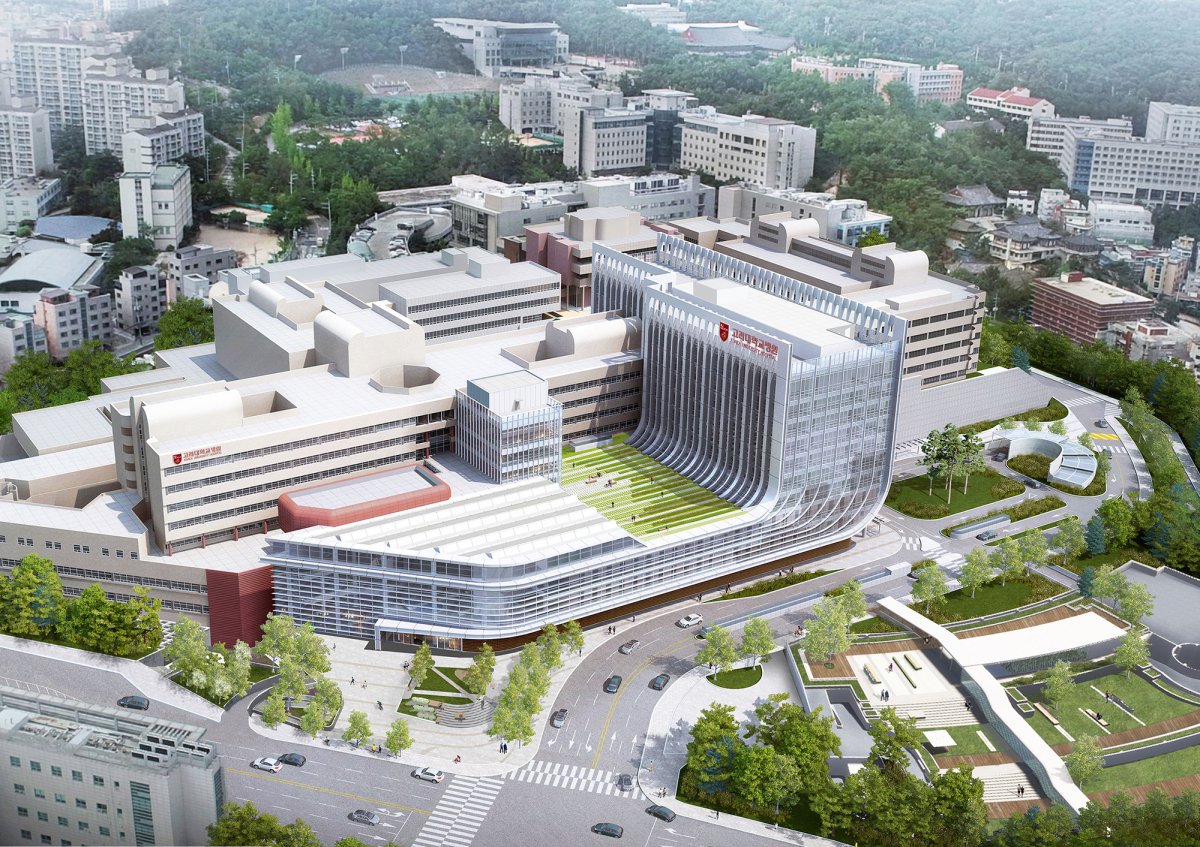
Perspectiva de los expertos de Bookimed: Los pacientes de alto riesgo se benefician de los sistemas de seguridad digital del Hospital Bundang de la Universidad Nacional de Seúl. Para casos avanzados, el Centro Médico Samsung ofrece atención multidisciplinaria con tecnología robótica Da Vinci. Los pacientes que buscan reducir las cicatrices deberían considerar el Centro Médico de la Universidad Femenina Ewha por su experiencia en procedimientos mínimamente invasivos. El Hospital Anam de la Universidad de Corea sigue siendo un líder en cirugías oncológicas robóticas complejas para minimizar los riesgos de infección.
| Corea del Sur | España | Turquía | |
|---|---|---|---|
| Radioterapia para el cáncer colorrectal | ≈ $9,000 | de $7,500 | de $5,000 |
| Quimioterapia para el cáncer de mama | de $3,000 | de $1,700 | de $1,900 |
| Colectomía (resección del intestino grueso) | de $13,500 | de $15,300 | de $5,000 |
Sus beneficios y garantías con Bookimed
Precios directos
Bookimed no añade cargos extra a los precios de los tratamientos de Adenocarcinoma sigmoide. Las tarifas proceden de las listas de precios oficiales de las clínicas. Pagará directamente en la clínica por su tratamiento a su llegada al país.
Sólo clínicas y médicos verificados
Bookimed está comprometido con su seguridad. Solo trabajamos con las clínicas que mantienen altos estándares internacionales en el tratamiento de Adenocarcinoma sigmoide y cuentan con las licencias necesarias para atender a pacientes internacionales en todo el mundo.
Asistencia 24/7 gratuita
Bookimed ofrece asistencia experta gratuita. Un coordinador médico personal le apoya antes, durante y después de su tratamiento, resolviendo cualquier problema. Nunca estará solo en su viaje médico de tratamiento de Adenocarcinoma sigmoide.

Su coordinador médico personal de Bookimed
- Le apoya en cada etapa
- Ayuda a elegir la clínica y el médico adecuados
- Asegura un acceso rápido y conveniente a la información
Descubra las mejores clínicas de tratamiento de Adenocarcinoma sigmoide en Corea del Sur: 8 opciones verificadas y Precios











Compartir contenido
Historias en video de pacientes de Bookimed
 Olena Sikoza
Preguntas frecuentes sobre el tratamiento de Adenocarcinoma sigmoide en Corea del Sur
¿Cuáles son los protocolos de tratamiento ampliamente adoptados para el adenocarcinoma sigmoideo en Corea del Sur?
Los protocolos surcoreanos para el adenocarcinoma sigmoideo priorizan la cirugía mínimamente invasiva y la atención multidisciplinaria. Las tasas de resección laparoscópica alcanzan el 78% en los mejores centros. Los protocolos estándar incluyen la colectomía robótica utilizando sistemas Da Vinci. Los oncólogos suelen prescribir regímenes FOLFOX para casos de alto riesgo en estadio 2 o 3.
- Estándares quirúrgicos: La colectomía sigmoidea laparoscópica y robótica son los tratamientos principales para el cáncer localizado.
- Protocolos de quimioterapia: Los regímenes adyuvantes FOLFOX o CAPOX siguen a la cirugía para hallazgos patológicos de alto riesgo.
- Recuperación mejorada: Las guías coreanas recomiendan la carga de carbohidratos preoperatoria y protocolos específicos de medicamentos contra las náuseas.
- Tecnología clínica: Los centros de primer nivel utilizan IGRT y sistemas Novalis para radiación dirigida cuando es necesario.
Perspectiva de expertos de Bookimed: Clínicas como el Asan Medical Center y el Severance Hospital manejan volúmenes masivos de pacientes, superando a menudo el millón de pacientes ambulatorios al año. Esta alta frecuencia permite a los cirujanos especializarse intensamente. Por ejemplo, el Korea University Anam Hospital se centra en técnicas robóticas sin sangre. Esta especialización reduce los riesgos de infección y
¿Qué hospitales en Corea son reconocidos internacionalmente para la cirugía de cáncer de colon sigmoide?
Corea del Sur alberga varias instituciones reconocidas mundialmente para la cirugía de cáncer de colon sigmoide, incluyendo el Samsung Medical Center, el Asan Medical Center y el Severance Hospital. Estos centros mantienen la acreditación JCI y clasificaciones de Newsweek. Se especializan en procedimientos de colectomía laparoscópica y robótica mínimamente invasiva para la extirpación precisa de tumores.
- Samsung Medical Center: Cuenta con un Centro Oncológico Integral que utiliza sistemas robóticos Da Vinci e IGRT.
- Asan Medical Center: Realiza más de 65,000 operaciones al año con un equipo dedicado al cáncer colorrectal.
- Severance Hospital: Una instalación académica acreditada por la JCI en la Universidad de Yonsei que atiende a 4,000,000 de pacientes ambulatorios cada año.
- Korea University Anam: Especializado en cirugía robótica sin sangre para reducir infecciones y acelerar la recuperación.
Opinión de expertos de Bookimed: Aunque la mayoría de los principales hospitales de Seúl comparten altas clasificaciones en Newsweek, el enfoque técnico difiere según la instalación. El Hospital Anam de la Universidad de Corea destaca para los pacientes que priorizan la velocidad de recuperación debido a sus protocolos especializados de cirugía sin sangre. Mientras tanto, el Hospital de la Universidad Nacional de Seúl es la opción preferida para ca
¿Ofrecen los hospitales coreanos cirugía asistida por robot para el adenocarcinoma sigmoideo?
Los hospitales coreanos ofrecen ampliamente cirugía asistida por robot para el adenocarcinoma sigmoideo utilizando el sistema quirúrgico Da Vinci. Los principales centros acreditados por la JCI en Seúl utilizan estas plataformas para realizar colectomías precisas. Este enfoque representa actualmente alrededor del 12,7% de los casos de cáncer colorrectal a nivel nacional. Estas instalaciones están especializadas en resecciones mínimamente invasivas.
- Disponibilidad del sistema: Instalaciones como el Samsung Medical Center utilizan el avanzado sistema quirúrgico Da Vinci.
- Experiencia clínica: El Severance Hospital ha realizado procedimientos asistidos por robot en oncología desde 2005.
- Volumen de pacientes: El Asan Medical Center realiza más de 65.000 operaciones quirúrgicas al año en varios departamentos.
- Técnicas especializadas: El Korea University Anam Hospital se especializa en cirugía robótica para pacientes oncológicos de edad avanzada.
Opinión de expertos de Bookimed: Aunque muchos centros ofrecen plataformas robóticas, el verdadero factor diferenciador es el volumen quirúrgico. El Seoul National University Hospital mantiene las estadísticas de tratamiento del cáncer más altas del país. Nuestros datos muestran que los hospitales con más de 30.000 operaciones anuales a menudo brindan un mejor acceso a equipos robóticos especializados
¿Qué resultados de supervivencia a largo plazo pueden esperar los pacientes tras un tratamiento en Corea?
Los centros oncológicos de Corea del Sur reportan algunas de las tasas de supervivencia a largo plazo más altas del mundo para los cánceres colorrectales. Los pacientes tratados por adenocarcinoma sigmoide se benefician de cirugía robótica avanzada y atención multidisciplinaria. La mayoría de los principales hospitales de Seúl mantienen la acreditación JCI y resultados de supervivencia que frecuentemente superan los promedios de la OCDE.
- Supervivencia a cinco años: Las tasas de éxito para el cáncer colorrectal localizado a menudo superan el 90% en Corea.
- Precisión quirúrgica: Los cirujanos utilizan sistemas Da Vinci para lograr márgenes limpios y preservar la función.
- Velocidad de diagnóstico: Los protocolos rápidos de PET-CT y biopsia aseguran que el tratamiento comience sin retrasos clínicos.
- Estándares de vigilancia: El seguimiento integrado incluye colonoscopias regulares y análisis de sangre para detectar recurrencias tempranas.
Perspectiva del experto de Bookimed: La ventaja de supervivencia de Corea proviene de los enormes volúmenes quirúrgicos. Centros como el Asan Medical Center realizan más de 65.000 operaciones al año. Esta alta frecuencia permite a los cirujanos dominar técnicas sin sangre. Estos métodos reducen los riesgos de infección y aceleran los tiempos de recuperación de los pacientes en comparación con centros internacional
¿Cuántas semanas debe planificar un turista médico para permanecer en Corea para un tratamiento completo de adenocarcinoma sigmoideo?
Los turistas médicos deben planificar una estancia de 14 a 28 días en Corea del Sur para la cirugía de adenocarcinoma sigmoideo. Este plazo permite realizar pruebas preoperatorias y la recuperación hospitalaria. Un período postoperatorio obligatorio de 14 días garantiza la seguridad antes de los vuelos de larga distancia. La duración total de la estancia depende de los resultados de la patología y de las necesidades de quimioterapia.
- Fase de diagnóstico: El PET-CT preoperatorio y las consultas suelen requerir de 3 a 7 días.
- Estancia quirúrgica: Los procedimientos de colectomía suelen implicar de 5 a 10 días de hospitalización.
- Margen de recuperación: Los médicos recomiendan de 7 a 14 días después del alta para controlar posibles complicaciones.
- Seguridad en el vuelo: Los cirujanos aconsejan esperar 2 semanas después de una cirugía abdominal para reducir los riesgos de coágulos sanguíneos.
Perspectiva del experto de Bookimed: La infraestructura de salud digital de Corea acelera significativamente la fase de diagnóstico. Hospitales como el Seoul National University Bundang Hospital utilizan sistemas de pacientes totalmente digitales. El Samsung Medical Center trata a más de 2.000.000 de pacientes al año con estándares de nivel presidencial. Este alto volumen a menudo resulta en un procesamiento patológico más eficiente que en otros centro