Tratamiento de Adenocarcinoma sigmoide en Israel — obtenga 3 coincidencias personalizadas de clínicas


Revisado médicamente por
Fahad Mawlood
Cómo funciona
¿Cuál es el precio del diagnóstico y los tratamientos de Adenocarcinoma sigmoide en Israel? Descubra ahora
De $1,500
Costos típicos del tratamiento del adenocarcinoma sigmoide en Israel
- PET-CT: de $1,500
- TC (tomografía computarizada): de $550
- Consulta con un oncólogo: de $700
- Colectomía (resección del intestino grueso): de $16,500
Perspectiva de los expertos de Bookimed: Para la oncología gastrointestinal compleja, el Centro Médico Sourasky (Ichilov) es ideal debido a su tasa de éxito del 90%. Los pacientes que buscan una atención personalizada deben considerar el Centro Médico Assuta, la clínica privada más grande de Israel. Los casos quirúrgicos avanzados se benefician de pioneros como el Dr. Alon Pikarsky en el Centro Médico Hadassah. Los equipos multidisciplinarios en estos centros acreditados por la JCI garantizan altos estándares de seguridad para los pacientes internacionales.
| Israel | España | Turquía | |
|---|---|---|---|
| Radioterapia para el cáncer colorrectal | ≈ $14,000 | de $7,500 | de $5,000 |
| Quimioterapia para el cáncer de mama | ≈ $22,500 | de $1,700 | de $3,000 |
| Colectomía (resección del intestino grueso) | de $16,500 | de $20,000 | de $5,000 |
Descubra las mejores clínicas de tratamiento de Adenocarcinoma sigmoide en Israel: 8 opciones verificadas y Precios












Soroka Medical Center
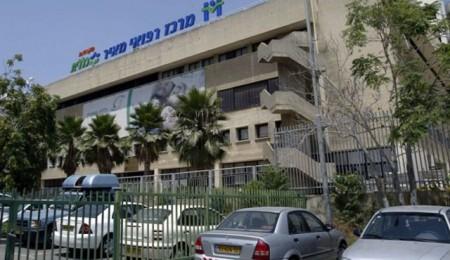
Meir Medical Center

Kaplan Medical Center

Elisha Hospital
Obtenga una evaluación médica de tratamiento de Adenocarcinoma sigmoide en Israel: haga una consulta con 18 médicos experimentados ahora
Ver todos los médicos
Pelles Sharon
Directora del instituto de tumores gastrointestinales del Centro Médico Sourasky – La Dra. Sharon Peled se especializa en el tratamiento sistémico de los cánceres del tracto digestivo.
- Formada en cánceres gastrointestinales en el Royal Marsden Cancer Centre de Londres
- Miembro de la Sociedad Israelí de Oncología y Radiología
- Realizó investigaciones clínicas sobre las actitudes de los pacientes hacia los ensayos clínicos
- Realiza tratamientos avanzados como HIPEC e inmunoterapia

Ofer Merimsky
El Prof. Ofer Merimsky es un oncólogo destacado especializado en tumores óseos y de tejidos blandos en el Centro Médico Sourasky. Su experiencia abarca décadas, con liderazgo en sociedades oncológicas globales.
- Jefe del Departamento de Tumores Óseos y de Tejidos Blandos
- Presidente de la Asociación Israelí de Oncología Clínica
- Miembro de ASCO y ESMO, las principales organizaciones oncológicas mundiales
- Formación especializada en París para el tratamiento avanzado de sarcomas
- Profesor de oncología en la Universidad de Jerusalén

Arnon Nagler Md
El Dr. Arnon Nagler es hematólogo en el Centro Médico Sheba en Israel. Es profesor en la Universidad de Tel Aviv y un reconocido experto en trasplantes. El Dr. Nagler fundó el primer banco público de sangre de cordón umbilical de Israel. También realizó los primeros trasplantes de sangre de cordón umbilical en el país. Completó su formación posdoctoral en la Universidad de Stanford y está certificado por el consejo en hematología.
- Pionero en protocolos de trasplante alogénico de in
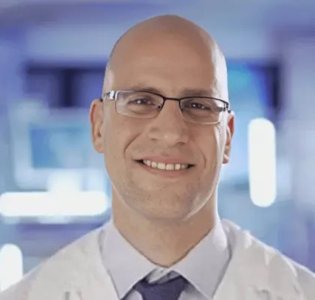
Almog Ben Yaacov
El Dr. Almog Ben‑Yaacov es cirujano adjunto del Departamento de Cirugía General y Oncológica (Cirugía C) del Centro Médico Sheba. Se especializa en cirugía citorreductora (CRS) con quimioterapia intraperitoneal hipertérmica (HIPEC). Su enfoque clínico incluye cáncer gástrico, sarcomas y neoplasias colorrectales complejas. Desde 2018 ha realizado más de 200 procedimientos de HIPEC.
Doctor en Medicina (MD) por la Universidad Semmelweis, 2006, con honores. Formación en cirugía cardiotorác
Compartir contenido
Historias en video de pacientes de Bookimed
 Olena Sikoza
Preguntas frecuentes sobre el tratamiento de Adenocarcinoma sigmoide en Israel
¿La colectomía sigmoidea robótica o laparoscópica para el cáncer está disponible y es ampliamente utilizada en los hospitales israelíes?
La colectomía sigmoidea robótica y laparoscópica para el cáncer son procedimientos estándar ampliamente disponibles en los hospitales israelíes. Los centros acreditados por la JCI en Tel Aviv y Jerusalén utilizan el sistema Da Vinci para la extirpación precisa de tumores. Estas técnicas mínimamente invasivas son el estándar preferido para tratar el adenocarcinoma sigmoideo.
- Tecnologías disponibles: Centros acreditados por la JCI como Sourasky y Hadassah realizan cirugía asistida por robot y laparoscópica.
- Éxito clínico: Los principales centros oncológicos de Tel Aviv reportan una tasa de éxito promedio del 90 %.
- Volumen quirúrgico: Los principales hospitales israelíes realizan entre 30 000 y 92 000 operaciones quirúrgicas al año.
- Tiempo de recuperación: Las incisiones mínimas a menudo permiten el alta hospitalaria en un plazo de 2 a 3 días.
Perspectiva del experto de Bookimed: Los centros médicos israelíes demuestran un alto nivel de especialización quirúrgica donde oncólogos como el Dr. Ofer Merimsky colaboran con equipos quirúrgicos para casos complejos. Grandes instalaciones como Sourasky y Assuta manejan más de 30 000 y 92 000 operaciones por año respectivamente. Este alto volumen sugiere que los equipos quirúrgicos mantienen un alto grado de competencia en técnicas mínimamente invasivas.
Consenso de los pacientes:
¿Cuáles son los hitos típicos de la recuperación postoperatoria tras una colectomía sigmoidea en centros israelíes?
La restauración de la función intestinal y la movilización temprana definen el cronograma de recuperación de la colectomía sigmoidea en Israel. Los pacientes suelen permanecer en el hospital de 3 a 7 días. La recuperación funcional completa ocurre generalmente dentro de las 4 a 8 semanas. Los centros especializados a menudo emplean protocolos de Recuperación Mejorada Después de la Cirugía (ERAS) para acelerar la curación.
- Estancia hospitalaria: La mayoría de los pacientes permanecen hospitalizados de 3 a 7 días después del procedimiento.
- Movilización temprana: Caminar con asistencia a menudo comienza dentro de las 24 horas para prevenir complicaciones.
- Progresión dietética: Los líquidos claros generalmente comienzan el día 1 o 2 después de la cirugía.
- Restricciones de actividad: Los pacientes deben evitar levantar más de 7 kg durante al menos 6 a 8 semanas.
Perspectiva del experto de Bookimed: Los centros oncológicos israelíes como el Sourasky Medical Center reportan una tasa de éxito del 90% en tratamientos oncológicos. Este alto rendimiento a menudo está relacionado con la extrema especialización de sus cirujanos. Por ejemplo, el Dr. Joseph Klauzner tiene más de 45 años de experiencia en procedimientos colorrectales. Elegir un centro con tal liderazgo quirúrgico establecido a menudo garantiza hitos de recuperación más predecibles.
¿Qué cirujanos u hospitales israelíes están acreditados internacionalmente para el tratamiento del cáncer de colon?
Centros médicos israelíes como Sourasky, Assuta y Hadassah mantienen la acreditación de la Joint Commission International para el tratamiento del cáncer de colon. Estas instalaciones priorizan el tratamiento multidisciplinario para el adenocarcinoma sigmoideo. Los pacientes acceden a especialistas formados en instituciones globales de primer nivel como el Royal Marsden y la Universidad de Toronto.
- Hospitales acreditados: Sourasky, Hadassah y Assuta poseen la prestigiosa certificación de seguridad de la Joint Commission International.
- Cirujanos expertos: La Dra. Sharon Pelles en Sourasky se especializa en resecciones complejas de cáncer de colon.
- Diagnóstico avanzado: Las instalaciones utilizan PET/CT y diagnósticos oncológicos complejos para una estadificación precisa del tumor.
- Excelencia clínica: Sourasky reporta una tasa de éxito promedio del 90% en protocolos de tratamiento oncológico.
Perspectiva del experto de Bookimed: Los centros de oncología israelíes como Sourasky y Hadassah gestionan volúmenes inmensos de pacientes, superando el 1.000.000 de visitas anuales. Esta alta frecuencia permite a los cirujanos perfeccionar técnicas para casos complejos de adenocarcinoma sigmoideo. Clínicas como Assuta ofrecen la flexibilidad del sector privado. Esto permite a los pacientes seleccionar cirujanos senior específicos para procedimientos
¿Necesitaré un estoma temporal o permanente después de una cirugía de cáncer de sigmoides en Israel?
La mayoría de los pacientes que se someten a una cirugía de cáncer de sigmoides en Israel no requieren un estoma permanente. Los cirujanos israelíes priorizan la anastomosis primaria para reconectar directamente el intestino sano. Se puede utilizar un estoma temporal durante 6 a 12 semanas para proteger la nueva conexión mientras cicatriza adecuadamente.
- Estoma temporal: Protege la anastomosis cuando existen preocupaciones sobre la cicatrización o bloqueos de emergencia.
- Cronograma de reversión: Los cirujanos suelen realizar la cirugía de reversión en un plazo de 3 a 6 meses.
- Estoma permanente: Rara vez es necesario, a menos que el cáncer afecte el esfínter anal o el recto inferior.
- Métodos quirúrgicos: Las resecciones laparoscópicas y robóticas reducen significativamente la necesidad de crear un estoma.
Perspectiva del experto de Bookimed: Los centros oncológicos israelíes como Sourasky realizan más de 34,000 operaciones al año con una tasa de éxito del 90%. Los centros de alto volumen suelen utilizar protocolos de Recuperación Mejorada Después de la Cirugía (ERAS). Estos protocolos ayudan a los pacientes a lograr una anastomosis primaria sin necesidad de un estoma de derivación al priorizar la preparación preoperatoria. Elegir a un cirujano con más de 20 años de experiencia, como el Dr. Gideon Goldman, mejora aún más los resultados.
¿Cuáles son las posibles complicaciones de la colectomía sigmoidea y cómo se gestionan en los hospitales israelíes?
Las posibles complicaciones de la colectomía sigmoidea incluyen fugas anastomóticas, infecciones del sitio quirúrgico e íleo. Los hospitales israelíes gestionan estos riesgos mediante protocolos de Recuperación Mejorada Después de la Cirugía (ERAS). Equipos altamente capacitados en instalaciones acreditadas por la Joint Commission International utilizan técnicas laparoscópicas y robóticas para minimizar el trauma postoperatorio y mejorar los resultados.
- Fugas anastomóticas: Se gestionan con drenaje radiológico, antibióticos o cirugía de derivación temporal.
- Disfunción intestinal: Se aborda mediante fisioterapia del suelo pélvico y titulación de fibra dietética.
- Prevención quirúrgica: Los cirujanos utilizan sistemas robóticos como Da Vinci para resecciones de alta precisión.
- Cuidados postoperatorios: La movilización temprana y el manejo del dolor sin narcóticos previenen el íleo y los coágulos.
Perspectiva de expertos de Bookimed: Los centros oncológicos israelíes como el Sourasky Medical Center reportan altas tasas de éxito al combinar la experiencia quirúrgica con una supervisión multidisciplinaria. Cirujanos senior como el Dr. Ron Greenberg y el Dr. Joseph Klauzner se especializan en procedimientos colorrectales mínimamente invasivos. Este enfoque en la laparoscopia reduce significativamente la frecuencia de infecciones de heridas en
¿Qué pruebas de estadificación se realizan al llegar y qué tan rápido se puede programar una cirugía?
Los centros oncológicos israelíes realizan la estadificación en un plazo de 1 a 2 días tras la llegada. Los protocolos de diagnóstico incluyen PET-CT, tomografía computarizada de tórax y abdomen, y análisis de sangre CEA. La cirugía para el adenocarcinoma sigmoideo suele programarse en un plazo de 7 a 14 días una vez que el comité multidisciplinario de tumores aprueba el plan de tratamiento.
- Diagnóstico por imagen: El PET-CT y la resonancia magnética evalúan los márgenes del tumor y posibles metástasis a distancia.
- Revisión patológica: Especialistas verifican las láminas de biopsia existentes para confirmar el grado específico del cáncer.
- Marcadores tumorales: Los análisis de sangre de antígeno carcinoembrionario (CEA) establecen una base para el seguimiento del tratamiento.
- Cronograma quirúrgico: Los casos urgentes o privados a menudo pueden proceder a la cirugía en un plazo de 7 días.
Perspectiva del experto de Bookimed: Aunque muchos creen que la cirugía es el paso inmediato, los centros israelíes como el Sourasky Medical Center enfatizan primero la revisión por parte de un comité multidisciplinario de tumores. Los datos muestran que estos comités, que cuentan con expertos como el Dr. Ron Greenberg y el Dr. Ido Wolf, a menudo refinan el enfoque quirúrgico. Esto puede variar desde resecciones asistidas por robot hasta la combinación d
¿Cuánto tiempo debo planificar quedarme en Israel para la cirugía de cáncer de sigmoides y el seguimiento?
Los pacientes deben planificar una estancia de 10 a 14 días en Israel para la cirugía de cáncer de sigmoides. Este plazo incluye de 3 a 7 días de hospitalización y una semana de recuperación local. La mayoría de los centros autorizan a los pacientes para viajes internacionales aproximadamente 10 días después del procedimiento.
- Estancia hospitalaria: Espere de 3 a 5 días para cirugía colorrectal laparoscópica o robótica.
- Preparación prequirúrgica: Reserve de 2 a 3 días para imágenes, análisis de sangre y evaluaciones de anestesia.
- Ventana de patología: Reserve de 7 a 14 días para el análisis de tejido para determinar la estadificación.
- Autorización de viaje: Planee quedarse 10 días después de la cirugía antes de abordar un vuelo de larga distancia.
Perspectiva del experto de Bookimed: Aunque la recuperación básica toma 14 días, elegir centros como Sourasky o Assuta a menudo permite la cirugía asistida por robot. Los datos muestran que estas clínicas manejan más de 30,000 operaciones al año. Este alto volumen generalmente se correlaciona con protocolos de alta más eficientes y un retorno más rápido de la función intestinal.
Consenso de los pacientes: Los pacientes señalan que es fundamental permanecer cerca durante las primeras 2 semanas. Enfatizan la importancia de incorporar flexibilidad en los planes de viaje en
¿Por qué Israel es uno de los principales destinos para la neurocirugía?
Israel es un centro líder en neurocirugía gracias a su combinación de avances médicos de alta tecnología y una experiencia quirúrgica de primer nivel. Instalaciones avanzadas como el Centro Médico Sheba utilizan sistemas de navegación basados en IA y resonancia magnética intraoperatoria en tiempo real. Centros especializados reportan una tasa de éxito del 98% en procedimientos complejos, como la craneotomía con el paciente despierto y el tratamiento de trastornos del movimiento.
- Tecnología avanzada: Las clínicas utilizan ultrasonido enfocado guiado por resonancia magnética (MRgFUS) y sistemas robóticos para realizar incisiones.
- Experiencia quirúrgica: Cirujanos como el Dr. Zvi Ram lideran asociaciones internacionales con más de 25 años de experiencia.
- Acceso rápido: Los pacientes internacionales generalmente pueden programar cirugías complejas de cerebro o columna en un plazo de 2 a 4 semanas.
- Atención médica acreditada: Grandes centros como Sourasky (Ichilov) y Assuta están acreditados por la JCI, lo que confirma su seguridad.
Opinión experta de Bookimed: Los datos muestran una clara diferencia entre las opciones de tratamiento públicas y privadas en Israel. Centros privados, como el Centro Médico Assuta, realizan más de 92.000 cirugías al año y permiten a los pacientes elegir a un cirujano líder específico. Esto supone una ventaja signi
¿Qué tipos de enfermedades neuroquirúrgicas se tratan en Israel?
Los neurocirujanos israelíes tratan una amplia gama de afecciones, desde tumores cerebrales y de médula espinal hasta trastornos funcionales complejos. Los centros especializados utilizan tecnologías de vanguardia, como el bisturí de rayos gamma, la estimulación cerebral profunda y la resonancia magnética intraoperatoria, para un diagnóstico altamente preciso de la epilepsia, la enfermedad de Parkinson y las patologías cerebrovasculares.
- Enfermedades oncológicas: tratamiento de gliomas, meningiomas y tumores hipofisarios mediante resección de la base del cráneo.
- Trastornos funcionales: tratamiento de la enfermedad de Parkinson y del temblor esencial mediante estimulación cerebral profunda.
- Patologías de columna: corrección de escoliosis, hernias discales y tumores espinales mediante sistemas robóticos.
- Tratamiento de las enfermedades cerebrovasculares: tratamiento quirúrgico de aneurismas cerebrales y malformaciones arteriovenosas mediante intervenciones endovasculares.
- Neurocirugía pediátrica: atención especializada en hidrocefalia y anomalías congénitas en centros pediátricos especializados.
Opinión experta de Bookimed: Los hospitales israelíes suelen combinar diversas especialidades para abordar casos complejos. En el Centro Médico Sourasky, neurocirujanos como el Dr. Zvi Lidar combinan neurocirugía y ortopedi
¿Qué hospitales en Israel son más conocidos por sus departamentos de neurocirugía?
Israel alberga centros neuroquirúrgicos de renombre mundial, como el Centro Médico Sourasky, el Centro Médico Sheba y el Centro Médico Hadassah. Estas instituciones son líderes mundiales en el tratamiento de tumores cerebrales complejos, enfermedades de la columna vertebral y trastornos del movimiento. Utilizan tecnologías de vanguardia como el bisturí de rayos gamma, sistemas robóticos y resonancia magnética intraoperatoria.
- Suraski (Ichilov): realiza más de 2.500 operaciones neuroquirúrgicas al año en Tel Aviv con una tasa de éxito del 98%.
- Centro Médico Sheba: clasificado entre los diez mejores hospitales del mundo, trata a 1,9 millones de pacientes al año.
- Centro Médico Hadassah: Nominado al Premio Nobel de la Paz. Líder en neurocirugía pediátrica y terapia génica.
- Centro Médico Assuta: el centro médico privado más grande de Israel. Especializado en cirugías mínimamente invasivas de columna y cerebro.
- Hospital Infantil Schneider: un centro líder en neurocirugía pediátrica que trata a 275.000 niños al año.
Opinión experta de Bookimed: Nuestros datos muestran que, si bien la mayoría de los pacientes buscan tratamiento en Tel Aviv, el Centro Médico Rambam en Haifa ofrece una atención única para neurotraumatismos. Cuenta con una unidad especializada en cuidados neurocríticos que atiende a aproximadamente un milló