Adenocarcinoma sigmoide Tratamiento en México — Costos 2026


Revisado médicamente por
Fahad Mawlood
¿Cuál es el precio del diagnóstico y los tratamientos de Adenocarcinoma sigmoide en México? Descubra ahora
| España | Turquía | México | |
|---|---|---|---|
| Radioterapia para el cáncer colorrectal | de $7,500 | de $5,000 | ≈ $6,000 |
| Quimioterapia para el cáncer de mama | de $1,700 | de $3,000 | ≈ $4,500 |
| Colectomía (resección del intestino grueso) | de $20,000 | de $5,000 | de $25,000 |
Sus beneficios y garantías con Bookimed
Precios directos
Bookimed no añade cargos extra a los precios de los tratamientos de Adenocarcinoma sigmoide. Las tarifas proceden de las listas de precios oficiales de las clínicas. Pagará directamente en la clínica por su tratamiento a su llegada al país.
Sólo clínicas y médicos verificados
Bookimed está comprometido con su seguridad. Solo trabajamos con las clínicas que mantienen altos estándares internacionales en el tratamiento de Adenocarcinoma sigmoide y cuentan con las licencias necesarias para atender a pacientes internacionales en todo el mundo.
Asistencia 24/7 gratuita
Bookimed ofrece asistencia experta gratuita. Un coordinador médico personal le apoya antes, durante y después de su tratamiento, resolviendo cualquier problema. Nunca estará solo en su viaje médico de tratamiento de Adenocarcinoma sigmoide.

Su coordinador médico personal de Bookimed
- Le apoya en cada etapa
- Ayuda a elegir la clínica y el médico adecuados
- Asegura un acceso rápido y conveniente a la información
Descubra las mejores clínicas de tratamiento de Adenocarcinoma sigmoide en México: 4 opciones verificadas y Precios




Holistic Bio Spa®


Giostar Stem Cell Therapy | Playa del Carmen Clinic
Obtenga una evaluación médica para Adenocarcinoma sigmoide en México: consulte con doctores experimentados ahora
Ver todos los médicos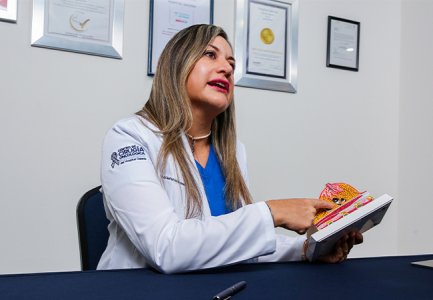
Brenda Pastrana
Oncólogo quirúrgico certificado con enfoque en cánceres abdominales complejos. El Dr. Pastrana combina su experiencia quirúrgica con la enseñanza académica en la Universidad Anáhuac.
- Formado en el Centro Médico Nacional 20 de Noviembre
- Certificado por el Conacem hasta 2030
- Miembro activo de la Sociedad Mexicana de Oncología
- Especializado en técnicas mínimamente invasivas

Eslie Perez
Jefe de Enseñanza en el Hospital Regional de Puerto Vallarta con formación especializada en procedimientos mínimamente invasivos.
- Biomagnetista certificado por el Instituto Superior de Biomagnetismo
- Experiencia en gestión de expedientes clínicos
- Asistencia en procedimientos dermatológicos, incluidos tratamientos con láser
- Formación en desarrollo profesional para educadores médicos

Gabriel Campos
Con más de 20 años de amplia experiencia clínica, el médico se especializa en cirugía general y oncológica. A lo largo de una carrera dedicada, el médico se ha centrado en proporcionar una atención quirúrgica integral, gestionar casos oncológicos complejos y realizar una amplia gama de procedimientos quirúrgicos generales con un compromiso hacia los resultados del paciente y la excelencia quirúrgica.
Compartir contenido
Historias en video de pacientes de Bookimed
 Olena Sikoza
Preguntas frecuentes sobre el tratamiento de Adenocarcinoma sigmoide en México
¿Cuál es el tratamiento estándar para el adenocarcinoma sigmoideo en México?
El tratamiento estándar para el adenocarcinoma sigmoideo en México sigue los protocolos quirúrgicos y oncológicos internacionales. La atención primaria implica la resección quirúrgica, como una sigmoidectomía, para extirpar el tumor. Los centros acreditados utilizan quimioterapia y radioterapia para casos avanzados con el fin de prevenir la recurrencia o controlar la enfermedad metastásica.
- Enfoque quirúrgico: Los cirujanos realizan una colectomía o sigmoidectomía como el principal tratamiento curativo para tumores localizados.
- Oncología médica: La quimioterapia adyuvante es estándar para el estadio II o superior para reducir los riesgos de recurrencia.
- Diagnóstico avanzado: Los centros utilizan PET-CT y biopsias para confirmar la estadificación antes de iniciar cualquier plan quirúrgico.
- Certificaciones de expertos: Oncólogos especializados como la Dra. Brenda Pastrana en el Hospital Galenia poseen certificaciones quirúrgicas Conacem.
Perspectiva del experto de Bookimed: Las señales de calidad en México a menudo están ligadas a acreditaciones internacionales. El Hospital Galenia cuenta tanto con el estatus JCI como con el estatus Diamante de Accreditation Canada, una combinación rara para la región. Esta doble certificación sugiere estándares de seguridad más altos para cirugías oncológicas complejas, ya que la instalación debe cumplir
¿Están los oncólogos mexicanos calificados para tratar el cáncer colorrectal y cómo se compara la calidad de los hospitales?
Los oncólogos mexicanos están altamente calificados para tratar el cáncer colorrectal. Los especialistas líderes cuentan con certificaciones del Consejo Mexicano de Oncología. Los hospitales privados de primer nivel en México tienen acreditación de la Joint Commission International y el estatus de Accreditation Canada Diamond. Estas instituciones utilizan métodos quirúrgicos modernos comparables con los estándares internacionales.
- Calificación de los especialistas: Cirujanos como la Dra. Brenda Pastrana del Hospital Galenia cuentan con certificaciones del consejo Conacem.
- Estándares hospitalarios: El Hospital Galenia en Cancún posee el estatus de la Joint Commission International y Accreditation Canada Diamond.
- Tecnologías avanzadas: Los centros privados ofrecen escaneos PET-CT, diagnósticos oncológicos complejos y cirugía de colectomía mínimamente invasiva.
- Experiencia de los expertos: Los especialistas líderes a menudo realizan más de 50 cirugías de colectomía al año como parte de equipos multidisciplinarios.
Opinión de expertos de Bookimed: La calidad en México se concentra en grandes centros como Cancún, Monterrey y la Ciudad de México. Aunque existen muchas instituciones, solo un pequeño porcentaje tiene doble acreditación internacional, como el Hospital Galenia. Los pacientes deben priorizar las clínicas que atienden a un gran flu
¿Necesitaré una colostomía (estoma) después de una sigmoidectomía en México?
La mayoría de los pacientes de sigmoidectomía en México no requieren una colostomía permanente. Los cirujanos generalmente realizan una anastomosis primaria para reconectar el intestino de inmediato. Es posible que reciba un estoma temporal si el tejido necesita tiempo para sanar. Esta medida de seguridad es común en casos urgentes o resecciones de cáncer complejas.
- Tipo de estoma: Los estomas temporales se utilizan para la curación y se revierten en unos pocos meses.
- Anastomosis primaria: Los cirujanos priorizan la reconexión directa cuando el tejido intestinal restante está sano.
- Disparadores quirúrgicos: La inflamación, la infección o la ubicación baja del tumor pueden hacer necesaria una derivación temporal.
- Enfoque en la seguridad: La derivación evita complicaciones como fugas, asegurando un proceso de recuperación general más seguro.
Opinión experta de Bookimed: Los centros acreditados por la JCI en México, como el Hospital Galenia, atienden a 10,000 pacientes anualmente y enfatizan el diagnóstico preoperatorio como PET/CT. Sus oncólogos quirúrgicos, como la Dra. Brenda Pastrana, utilizan estas exploraciones para mapear la profundidad del tumor con precisión. Este mapeo ayuda a los cirujanos a decidir sobre la viabilidad de la anastomosis antes de que comience la cirugía, reduciendo la probabilidad de una colostomía sorpresa.
¿Cómo altera el estadio del cáncer el plan de tratamiento?
El estadio del cáncer dicta si el tratamiento es localizado o sistémico. El adenocarcinoma sigmoideo temprano generalmente requiere cirugía como una colectomía. Los estadios avanzados combinan cirugía con quimioterapia o inmunoterapia. La estadificación identifica el tamaño y la propagación del tumor, lo que permite a los oncólogos de los hospitales mexicanos acreditados por la JCI adaptar protocolos agresivos o paliativos.
- Estadio temprano: Se centra en la extirpación quirúrgica localizada del tumor, a menudo sin quimioterapia.
- Propagación regional: Combina cirugía con tratamientos adyuvantes para atacar los ganglios linfáticos potencialmente afectados.
- Enfoque sistémico: Utiliza quimioterapia o terapias dirigidas para el cáncer que se ha propagado a órganos distantes.
- Opciones integradoras: Algunos centros ofrecen terapia con células NK junto con la atención convencional para estadios avanzados.
Opinión experta de Bookimed: Los centros oncológicos mexicanos como el Hospital Galenia suelen emplear oncólogos quirúrgicos especializados como la Dra. Brenda Pastrana para realizar biopsias. Los datos muestran que estos centros acreditados por la JCI tratan a más de 10,000 pacientes al año. Este alto volumen permite una patología precisa que a menudo actualiza el estadio inicial después de la cirugía.
Consenso de los pacientes
¿Cuáles son los efectos secundarios más comunes del tratamiento del adenocarcinoma sigmoideo en México?
El tratamiento del adenocarcinoma sigmoideo en México sigue protocolos internacionales, lo que conlleva efectos secundarios derivados de la cirugía y la quimioterapia. Los pacientes a menudo experimentan cambios en los hábitos intestinales después de la colectomía. Medicamentos de quimioterapia específicos como el oxaliplatino causan comúnmente neuropatía periférica e intolerancia al frío. La fatiga y los problemas digestivos también se reportan frecuentemente durante los ciclos de tratamiento localizados.
- Efectos secundarios quirúrgicos: Los síntomas post-colectomía incluyen malestar abdominal y una mayor frecuencia de deposiciones.
- Impacto neurológico: Los fármacos de quimioterapia como el oxaliplatino pueden provocar hormigueo o entumecimiento en las extremidades.
- Respuesta gastrointestinal: Regímenes específicos como FOLFIRI a menudo causan diarrea o náuseas temporales.
- Fatiga sistémica: Los horarios de tratamiento frecuentemente conducen a una pérdida significativa de energía y cansancio físico.
Perspectiva del experto de Bookimed: Los centros oncológicos mexicanos como el Hospital Galenia atienden a más de 10,000 pacientes internacionales anualmente combinando estándares quirúrgicos acreditados por la JCI con cuidados de apoyo diversos. Mientras que los hospitales grandes se enfocan en la resección tradicional, clínicas en Puerto
¿Cuánto tiempo debo planear quedarme en México después de la cirugía?
Los pacientes deben planear quedarse en México de 7 a 14 días después de una cirugía por adenocarcinoma sigmoideo. Este periodo permite una monitorización crítica de la función intestinal. También asegura un viaje seguro después de procedimientos como una colectomía. Los cirujanos generalmente requieren un chequeo final antes de autorizar el viaje aéreo.
- Estancia hospitalaria: Espere de 2 a 5 noches en el hospital para resecciones intestinales mayores.
- Monitorización postoperatoria: Planifique de 5 a 7 días adicionales localmente para la retirada de drenajes y suturas.
- Seguridad en el viaje: Evite volar dentro de las 48 horas para reducir el riesgo de coágulos sanguíneos.
- Recuperación funcional: Permanezca hasta que las deposiciones se estabilicen y la nutrición oral sea bien tolerada.
Perspectiva del experto de Bookimed: Los principales centros oncológicos de México, como el Hospital Galenia, cuentan con la acreditación de la Joint Commission International (JCI). Esto asegura que sigan estrictos protocolos globales para el alta postquirúrgica. Elegir un centro acreditado por la JCI significa, por lo general, que se deben cumplir puntos de referencia de recuperación estandarizados antes de irse.
Consenso de los pacientes: Los pacientes señalan que es importante añadir días de margen extra si hay un estoma involuc
¿Cómo se garantizará la continuidad de la atención cuando regrese a casa?
La continuidad de la atención para el adenocarcinoma sigmoideo en México se garantiza mediante documentación de alta detallada y transferencias coordinadas. Las instalaciones con estatus Diamante de Accreditation Canada, como el Hospital Galenia, proporcionan registros médicos completos. Estos incluyen informes de patología, resúmenes de estadificación y notas quirúrgicas necesarias para el tratamiento de seguimiento local.
- Imagenología digital: Los cirujanos proporcionan archivos de imagen y tomografías computarizadas en unidades portátiles para su revisión en casa.
- Informes de patología: La estadificación detallada del tumor y el estado de los márgenes guían los siguientes pasos de su oncólogo local.
- Puentes de medicación: Las clínicas proporcionan recetas iniciales para analgésicos y anticoagulantes para cubrir su viaje.
- Estándares de acreditación: Los centros acreditados por la JCI siguen protocolos internacionales para transiciones seguras y atención posoperatoria.
Perspectiva del experto de Bookimed: Busque clínicas como el Hospital Galenia, que mantiene una alta densidad de médicos con 200 doctores en múltiples departamentos. Esta profundidad asegura que especialistas en oncología como la Dra. Brenda Pastrana puedan coordinarse con múltiples disciplinas antes de su partida. Que un oncólogo quirúrgico certificado supervise la tran