Gastroenterología en México — Costos 2026


Revisado médicamente por
Fahad Mawlood
¿Cuál es el precio de procedimientos de Gastroenterología en México? Descubra ahora
El costo de la gastroenterología en México promedia típicamente entre $4,800 y $25,200. Los gastos totales dependen del nivel de las instalaciones, la complejidad del caso quirúrgico y las herramientas de diagnóstico específicas requeridas para una evaluación precisa. Los pacientes pueden ahorrar entre un 50 y un 75% en tratamientos en comparación con los EE. UU.
Costos típicos de gastroenterología en México
- Consulta con un gastroenterólogo: Precio a consultar
- Colonoscopia: de $800
- Ultrasonido: $110 – $190
- Terapia con células madre: Precio a consultar
- Resección estomacal: de $6,500
- Resección de vesícula biliar: de $4,800
- Cirugía laparoscópica antirreflujo (ERGE): Precio a consultar
- Apendicectomía: Precio a consultar
- Extirpación de pólipos gástricos: $1,500 – $2,800
- Hidroterapia de colon: Precio a consultar
Los principales centros médicos para gastroenterología incluyen Tijuana, Ciudad de México, Guadalajara y Monterrey. Los costos pueden variar entre estas ciudades dependiendo de si la clínica atiende principalmente a pacientes internacionales. Consulte con un especialista para obtener precios precisos para su condición específica.
| España | Turquía | México | |
|---|---|---|---|
| Terapia hormonal | de $600 | de $1,100 | ≈ $1,800 |
| Terapia dirigida | de $5,000 | de $3,000 | ≈ $3,500 |
| Resección del intestino delgado | de $14,300 | de $6,500 | de $17,500 |
| Resección de vesícula biliar | de $10,600 | de $3,000 | de $4,800 |
| Resección de estómago | de $20,000 | de $3,100 | de $6,500 |
Todas las enfermedades de Gastroenterología
Sus beneficios y garantías con Bookimed
Precios directos
Bookimed no añade cargos extra a los precios de los tratamientos de Gastroenterología. Las tarifas proceden de las listas de precios oficiales de las clínicas. Pagará directamente en la clínica por su tratamiento a su llegada al país.
Sólo clínicas y médicos verificados
Bookimed está comprometido con su seguridad. Solo trabajamos con las clínicas que mantienen altos estándares internacionales en el tratamiento de Gastroenterología y tienen las licencias necesarias para atender a pacientes internacionales en todo el mundo.
Asistencia 24/7 gratuita
Bookimed ofrece asistencia experta gratuita. Un coordinador médico personal le apoya antes, durante y después del tratamiento, resolviendo cualquier problema. Nunca estará solo en su viaje médico de procedimientos de Gastroenterología.

Su coordinador médico personal de Bookimed
- Le apoya en cada etapa
- Ayuda a elegir la clínica y el médico adecuados
- Asegura un acceso rápido y conveniente a la información
Descubra las mejores clínicas de Gastroenterología en México: 41 opciones verificadas y Precios




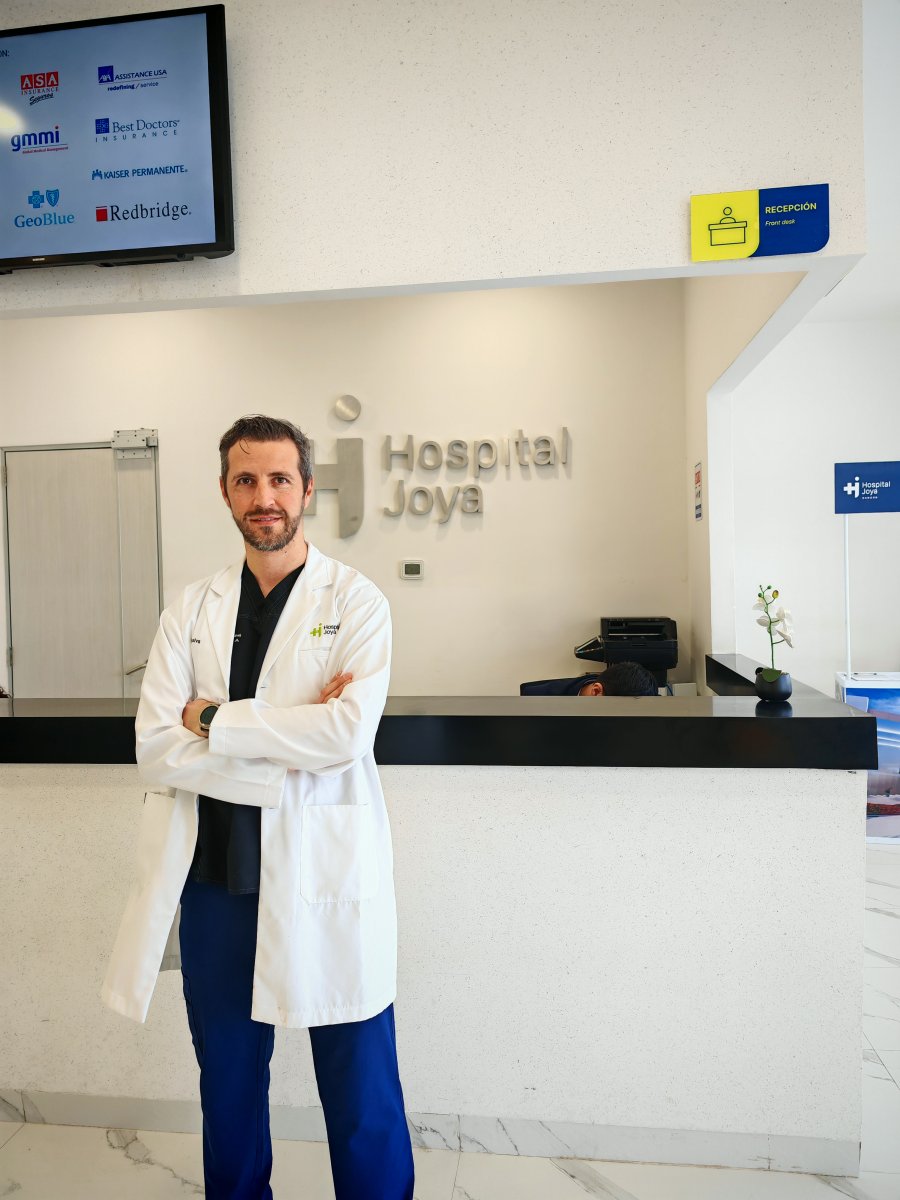
Stem Solutions





Advanced Fertility Center Cancun



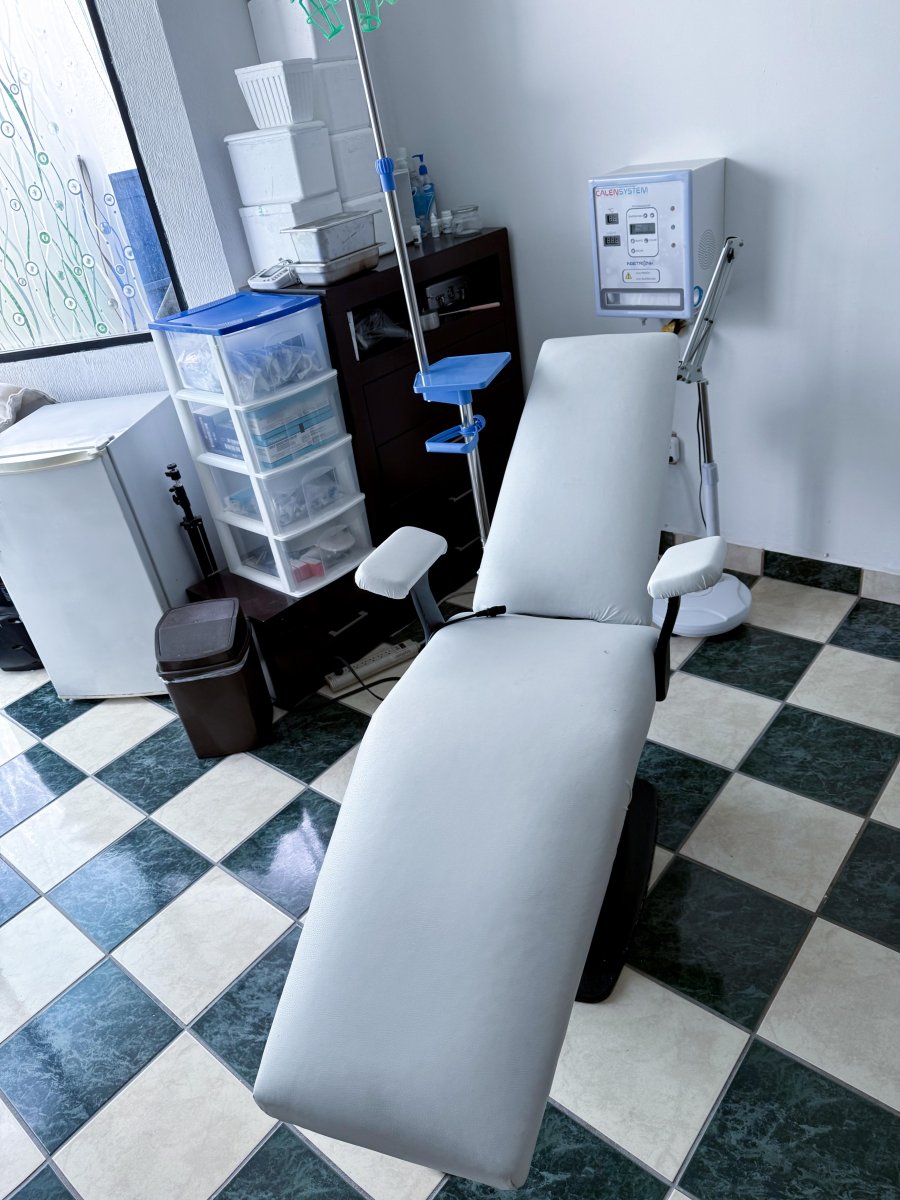
Advance Health Medical Center

Clínica de terapia con células madre Giostar

Giostar Stem Cell Therapy | Playa del Carmen Clinic
Los mejores centros médicos de Gastroenterología en México
- Hospital de la Familia, México
- Stem Solutions, México
- Consulta privada del Dr. Enrique Pliego, México
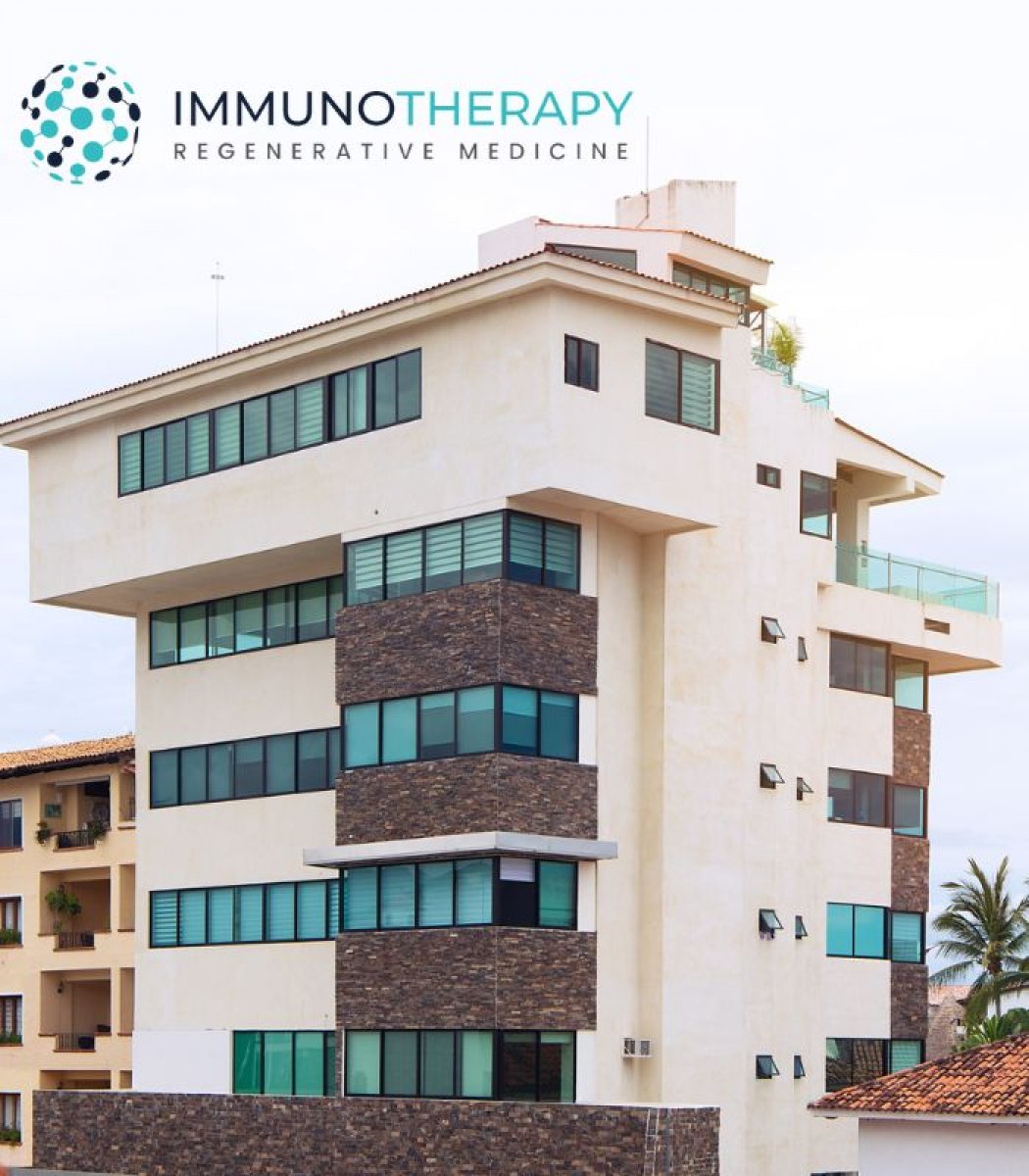
- Immunotherapy Regenerative Medicine, México
- Centro de Medicina Regenerativa Dr. Abraham Miranda, México
- Advanced Fertility Center Cancun, México
- 4everyouthful Medical Studio, México
- Advance Health Medical Center, México
- Clínica de terapia con células madre Giostar, México
- Giostar Stem Cell Therapy | Playa del Carmen Clinic, México
Obtenga una evaluación médica de Gastroenterología en México: haga una consulta con 10 médicos experimentados ahora
Ver todos los médicos
Enrique Pliego Esquivel
Uno de los pocos cirujanos bariátricos en México certificados por la Sociedad Americana de Cirugía Metabólica y Bariátrica (ASMBS); el Dr. Pliego se especializa en afecciones relacionadas con la obesidad y complicaciones quirúrgicas.
- Más de 8 años de experiencia en cirugía bariátrica y metabólica
- Certificado por el Consejo Mexicano de Cirugía de la Obesidad y el Colegio Mexicano de Cirugía General
- Ofrece soluciones personalizadas para el reflujo gastroesofágico y la esofagitis relacionada con el reflujo
- Se enfoca en la atención personalizada con un fuerte énfasis en la comunicación con el paciente

Daniel Garza
El Dr. Daniel Garza se especializa en medicina regenerativa con capacitación avanzada en terapia con células madre para gastroenterología en Giostar Stem Cell Therapy.
- Médico Cirujano con licencia de la Facultad de Medicina de la UNAM
- Posee títulos en Neurociencias y Medicina Estética
- Certificado en el Congreso Internacional de Medicina Regenerativa
- Experiencia en talleres de Medicina Regenerativa y Funcional
Alondra Valeria Espinosa
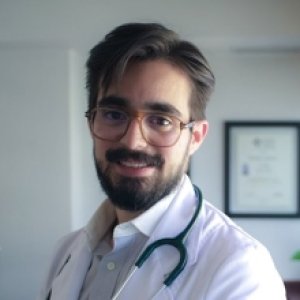
Daniel Guerra De Coss
Compartir contenido
Historias en video de pacientes de Bookimed
 Olena Sikoza
Preguntas frecuentes sobre Gastroenterología en México
¿Es segura la gastroenterología en México para pacientes internacionales?
La gastroenterología en México es segura para pacientes internacionales en instalaciones acreditadas. Las clínicas de alto nivel suelen contar con la Acreditación CSG o membresías del Colegio Americano de Cirujanos. Especialistas como el Dr. Enrique Pliego Esquivel brindan atención experta para condiciones complejas. Los pacientes se benefician de modernas técnicas laparoscópicas y robóticas.
- Credenciales de la clínica: Las mejores instalaciones cuentan con la Acreditación CSG o certificación del Consejo Mexicano de Cirugía General.
- Cirujanos expertos: Doctores como el Dr. Oscar Pope Rodriguez tienen más de 30 años de experiencia quirúrgica.
- Tecnología avanzada: Los centros utilizan resonancia magnética, tomografías computarizadas y cirugía laparoscópica para obtener resultados precisos.
- Seguridad del paciente: Los principales hospitales mantienen bajos índices de infección y aplican estrictos protocolos médicos.
Perspectiva Experta de Bookimed: Nuestros datos muestran que instalaciones boutique como el Hospital de la Familia en Mexicali ofrecen una ventaja estratégica en seguridad. Ubicadas a pasos de la frontera con EE.UU., estas clínicas se especializan en atención internacional. Administran más de 30 habitaciones privadas para brindar atención personalizada que los grandes hospitales públicos no pueden igualar.
Consen
¿Cuáles son las cualificaciones de los gastroenterólogos en México?
Los gastroenterólogos mexicanos reciben una formación rigurosa que incluye la escuela de medicina y 5–6 años de residencia especializada de posgrado. Los profesionales a menudo tienen certificaciones del Colegio Mexicano de Cirugía General o del Consejo de Cirugía General. Muchos mantienen membresías internacionales con el Colegio Americano de Cirujanos (ACS) y la Sociedad Americana de Cirugía Metabólica y Bariátrica (ASMBS).
- Educación médica: Los profesionales obtienen títulos de instituciones de renombre como la Facultad de Medicina de la UNAM.
- Certificación de especialista: Los médicos a menudo tienen credenciales del Consejo Mexicano de Cirugía de la Obesidad.
- Experiencia internacional: Cirujanos líderes como el Dr. Enrique Pliego Esquivel tienen membresías en la ASMBS.
- Experiencia clínica: Expertos como el Dr. Oscar Pope Rodriguez tienen más de 30 años de experiencia quirúrgica.
Perspectiva de Expertos de Bookimed: Nuestros datos muestran que los especialistas mexicanos mejor valorados a menudo tienen roles duales en la docencia y la práctica clínica. El Dr. Eslie Perez se desempeñó como Jefe de Enseñanza en un hospital regional. Esta participación académica sugiere que se mantienen actualizados en los últimos protocolos de diagnóstico y técnicas quirúrgicas. Muchos trabajan en instalaciones multidisciplinarias como el Hospital de
¿Cuáles son los procedimientos gastrointestinales más comunes para los turistas médicos en México?
Los turistas médicos en México se someten comúnmente a procedimientos laparoscópicos por condiciones gastrointestinales y de salud metabólica. Los servicios clave incluyen cirugía antirreflujo (ERGE), colecistectomía por problemas de vesícula biliar y resecciones gástricas. Muchos pacientes también viajan para exámenes diagnósticos como colonoscopias y consultas especializadas con gastroenterólogos expertos.
- Cirugía antirreflujo: La cirugía laparoscópica para ERGE cuesta desde Precio a consultar hasta Precio a consultar para el reflujo ácido crónico.
- Extracción de la vesícula biliar: Los procedimientos de colecistectomía varían desde Precio a consultar hasta Precio a consultar utilizando técnicas mínimamente invasivas.
- Resección gástrica: Las resecciones gástricas complejas generalmente cuestan entre de $6,500 en México.
- Exámenes diagnósticos: El costo de una colonoscopia varía entre de $800 para cuidado preventivo.
Opinión de expertos de Bookimed: Nuestros datos muestran un patrón de especialización geográfica en todo México. Clínicas como el Hospital de la Familia en Mexicali aprovechan su proximidad a la frontera para atender altos volúmenes de pacientes de Estados Unidos. Mientras tanto, instalaciones en Cancún como la Práctica Privada del Dr. Enrique Pliego se centran en
¿Cuánto tiempo debo planificar para un procedimiento de gastroenterología en México?
Planee una estancia de 5 a 10 días en México para la mayoría de los procedimientos de gastroenterología. Los diagnósticos rutinarios como la colonoscopia requieren al menos 3 días. Cirugías más invasivas, como la colecistectomía o el tratamiento del reflujo gastroesofágico, suelen necesitar de 7 a 14 días. Este cronograma contempla la preparación preoperatoria y un viaje aéreo seguro.
- Diagnósticos rutinarios: Reserve de 3 a 5 días para procedimientos como la colonoscopia para manejar la preparación y la recuperación.
- Cirugía mínimamente invasiva: Planifique de 7 a 10 días para la recuperación de una colecistectomía laparoscópica o cirugía antirreflujo.
- Seguridad en el viaje: Los cirujanos suelen recomendar esperar de 5 a 7 días antes de volar para prevenir coágulos de sangre postoperatorios.
- Tiempo de preparación: Agregue 1 día para la limpieza intestinal o el ayuno antes de cualquier endoscopia diagnóstica importante.
Perspicacia de Expertos de Bookimed: Datos de clínicas como el Hospital de la Familia muestran que su proximidad a la frontera de EE. UU. permite una recuperación flexible. Sin embargo, los centros de alto volumen con más de 500 pacientes anuales suelen sugerir permanecer localmente al menos 3 días después del alta. Esto asegura acceso inmediato al equipo quirúrgico si surgen problemas postoperatorios menores antes de su
¿Cuáles son los riesgos de los procedimientos gastroenterológicos en México?
Los principales riesgos de los procedimientos de gastroenterología en México incluyen infecciones por el equipo, perforaciones intestinales y complicaciones de la anestesia. Los pacientes también pueden enfrentar sangrado post-procedimiento o pancreatitis después de una CPRE. Seleccionar instalaciones acreditadas por JCI o CSG ayuda a mitigar estos riesgos. El cuidado profesional asegura una mayor seguridad durante los diagnósticos y la cirugía.
- Control de infecciones: Los riesgos incluyen infecciones post-procedimiento como C. diff por una esterilización inadecuada.
- Complicaciones quirúrgicas: La perforación intestinal o el sangrado pueden ocurrir durante las colonoscopias o la eliminación de pólipos.
- Seguridad de la anestesia: La sobre-sedación puede llevar a problemas respiratorios o neumonía por aspiración.
- Lacunas postoperatorias: Una monitorización inadecuada puede resultar en sangrados no detectados o pancreatitis post-CPRE.
Perspectiva Experta de Bookimed: Nuestros datos muestran que clínicas de alto volumen como el Hospital de la Familia mantienen la acreditación del CSG por el Consejo de Salubridad General de México. Esta certificación específica es un indicador fiable para la esterilización estandarizada. Las clínicas con esta credencial a menudo reportan mejores resultados de seguridad para las endoscopias de rutina que inst
¿Qué ciudades mexicanas son mejores para la gastroenterología?
Mexicali, Cancún y Puerto Vallarta son las principales ciudades mexicanas para el cuidado de gastroenterología internacional. Estas regiones cuentan con instalaciones acreditadas por el CSG y centros especializados. Los tratamientos de alta calidad incluyen cirugía laparoscópica y diagnósticos avanzados. La mayoría de las clínicas están ubicadas cerca de las principales fronteras o aeropuertos internacionales para facilitar el acceso de los pacientes.
- Mexicali: Ubicada a pasos de la frontera con California, cuenta con instalaciones acreditadas por el CSG, como el Hospital de la Familia.
- Cancún: Conocida por prácticas especializadas como el Consultorio Privado del Dr. Enrique Pliego para cirugía de reflujo.
- Puerto Vallarta: Ofrece atención personalizada en Holistic Bio Spa utilizando tecnologías avanzadas de regeneración y diagnóstico.
- Guadalajara: Hogar de centros como el Centro Bariátrico del Dr. Rodrigo Prieto, especializado en cirugía metabólica compleja.
Perspectiva del Experto de Bookimed: Las ciudades fronterizas como Mexicali ofrecen una ventaja logística distinta para los pacientes norteamericanos. El Hospital de la Familia cuenta con 32 habitaciones privadas y realiza 5,000 procedimientos anualmente. Su proximidad a la frontera de Calexico permite a los pacientes combinar la experiencia quirúrgica de alto volumen con una logíst