Gastroenterología en India — Costos 2026


Revisado médicamente por
Fahad Mawlood
¿Cuál es el precio de procedimientos de Gastroenterología en India? Descubra ahora
| India | España | Turquía | |
|---|---|---|---|
| Terapia hormonal | ≈ $1,500 | de $600 | de $1,100 |
| Terapia dirigida | de $1,000 | de $5,000 | de $3,000 |
| Resección del intestino delgado | ≈ $4,500 | de $12,300 | de $6,500 |
| Resección de vesícula biliar | ≈ $2,800 | de $9,200 | de $3,000 |
| Resección de estómago | ≈ $6,500 | de $20,000 | de $3,100 |
Todas las enfermedades de Gastroenterología
Sus beneficios y garantías con Bookimed
Precios directos
Bookimed no añade cargos extra a los precios de los tratamientos de Gastroenterología. Las tarifas proceden de las listas de precios oficiales de las clínicas. Pagará directamente en la clínica por su tratamiento a su llegada al país.
Sólo clínicas y médicos verificados
Bookimed está comprometido con su seguridad. Solo trabajamos con las clínicas que mantienen altos estándares internacionales en el tratamiento de Gastroenterología y tienen las licencias necesarias para atender a pacientes internacionales en todo el mundo.
Asistencia 24/7 gratuita
Bookimed ofrece asistencia experta gratuita. Un coordinador médico personal le apoya antes, durante y después del tratamiento, resolviendo cualquier problema. Nunca estará solo en su viaje médico de procedimientos de Gastroenterología.

Su coordinador médico personal de Bookimed
- Le apoya en cada etapa
- Ayuda a elegir la clínica y el médico adecuados
- Asegura un acceso rápido y conveniente a la información
Descubra las mejores clínicas de Gastroenterología en India: 63 opciones verificadas y Precios




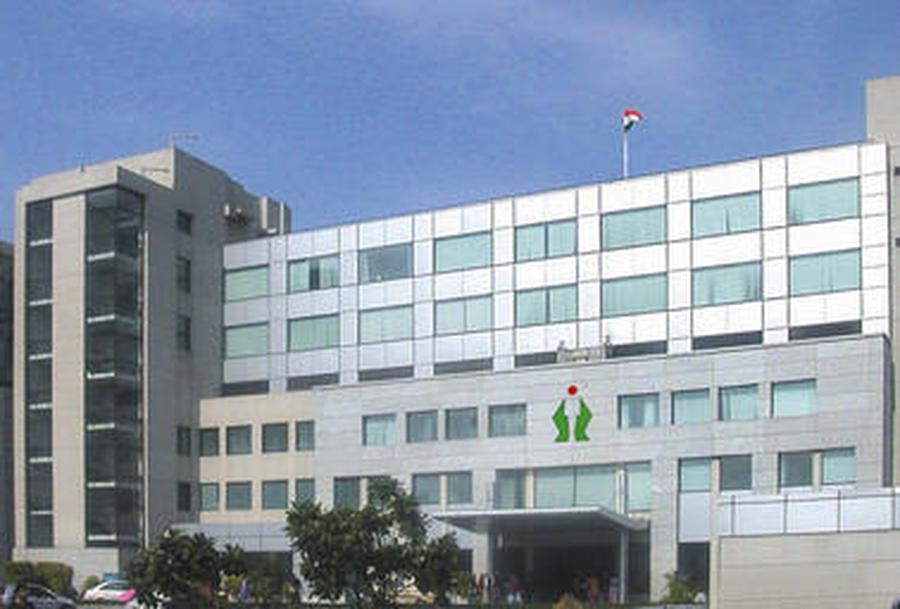






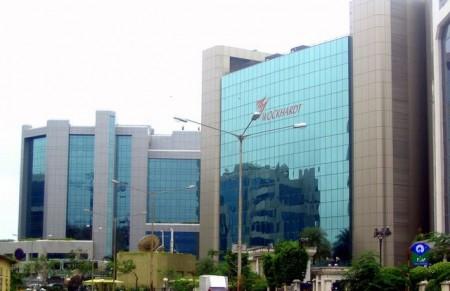
Wockhardt Hospital






Los mejores centros médicos de Gastroenterología en India
- Artemis Hospitals, India
- Fortis Escorts Heart Institute, India
- Apollo Hospital Indraprastha, India
- Fortis Gurgaon, India
- Medanta Hospital, India
- Wockhardt Hospital, India
- Kokilaben Dhirubhai Ambani , India
- Manipal Hospitals, India
- Global Hospital Chennai, India
- BLK Super Speciality Hospital, India
Obtenga una evaluación médica de Gastroenterología en India: haga una consulta con 19 médicos experimentados ahora
Ver todos los médicos
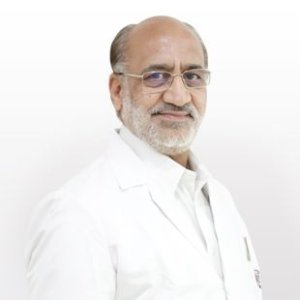
Jaydeep Palep
El Dr. Palep es uno de los primeros cirujanos de la India formados en Bypass con banda en Los Ángeles. Se especializa en cirugía robótica del tracto digestivo superior en el HCG Manavata Cancer Centre.
- Más de 15 años de experiencia en cirugías del tracto digestivo superior y pérdida de peso
- El 90% de los pacientes diabéticos dejan de usar insulina y medicamentos orales
- Formado en Italia en cirugía robótica digestiva para mayor precisión
- Dirige un centro de excelencia certificado por la IEF
Rajan Madan

Molina Khanna
Reseñas
Todas las reseñas
Compartir contenido
Historias en video de pacientes de Bookimed
 Olena Sikoza
Preguntas frecuentes sobre Gastroenterología en India
¿Por qué elegir gastroenterólogos indios?
Los gastroenterólogos indios son especialistas calificados a nivel internacional, muchos de ellos con títulos de superespecialización DM de institutos de élite como AIIMS. Los médicos líderes a menudo completan becas avanzadas en Italia o en los EE. UU. Trabajan en hospitales acreditados por la JCI y siguen protocolos clínicos globales para tratamientos digestivos complejos.
- Credenciales de experto: Especialistas como el Dr. Yogesh Batra tienen títulos avanzados de AIIMS, Nueva Delhi.
- Formación internacional: Cirujanos como el Dr. Jaydeep Palep completaron formación en cirugía robótica de GI en Italia.
- Altos volúmenes: Grandes redes como Apollo Hospitals atienden a más de 1,000,000 de pacientes anualmente.
- Reconocimiento global: Clínicas de renombre como Artemis y Manipal están clasificadas por Newsweek entre las mejores del mundo.
Perspectiva Experta de Bookimed: El volumen clínico en India crea un nivel único de especialización. En Global Hospital Chennai, los cirujanos realizan 18,000 operaciones anualmente. Esta exposición masiva a casos significa que los especialistas indios a menudo manejan casos más complejos en un año que muchos médicos occidentales en cinco. Esta alta repetición se correlaciona directamente con sus tasas de éxito del 99% en procedimientos especializados.
Consenso del Paciente: Los pacien
¿Es la India un destino seguro para la cirugía gastrointestinal endoscópica y laparoscópica?
India es un destino seguro para la cirugía gastrointestinal endoscópica y laparoscópica. Instalaciones líderes como el Hospital Apollo Indraprastha y los Hospitales Artemis cuentan con la acreditación de la Joint Commission International (JCI). Utilizan endoscopia 4K y sistemas robóticos. Estos centros mantienen tasas de éxito que cumplen con los estándares globales para procedimientos mínimamente invasivos.
- Experiencia: Cirujanos como el Dr. Yogesh Batra tienen más de 20 años de experiencia clínica.
- Tecnología: Los principales hospitales utilizan cirugía robótica gastrointestinal y sistemas avanzados de imágenes endoscópicas 4K.
- Acreditación: Los centros de primer nivel mantienen los estándares del Consejo Nacional de Acreditación de Hospitales y Proveedores de Atención Médica (NABH).
- Volumen: Los Hospitales Manipal tratan a 2,000,000 de pacientes anualmente a través de su extensa red médica.
Perspectiva del Experto en Bookimed: Los datos clínicos muestran una clara ventaja de seguridad en los centros de alto volumen en las principales ciudades. Por ejemplo, el Hospital Global Chennai realiza 18,000 operaciones anuales. Esta alta frecuencia con casos complejos se traduce en técnicas quirúrgicas refinadas. Elegir estos centros metabólicos de excelencia a menudo asegura acceso a equipos especializados de atención postoperatoria.
<
¿Cuáles son los procedimientos de gastroenterología más comunes para pacientes internacionales en la India?
Los pacientes que visitan la India se someten más comúnmente a endoscopia terapéutica, CPRE, y colonoscopia con polipectomía. Estas instalaciones utilizan imágenes avanzadas para tratar cálculos biliares y protección gastrointestinal. Centros acreditados por la JCI como el Hospital Apollo Indraprastha y el Hospital Super Especialidad BLK manejan más de 1,000,000 de visitas anuales de pacientes para estas intervenciones de alta precisión.
- Endoscopia terapéutica: Incluye ligadura de varices y dilatación de estenosis realizadas por especialistas como el Dr. Yogesh Batra.
- Procedimientos biliares: La CPRE para extracción de cálculos y colocación de stents es un atractivo principal para los visitantes.
- Detección colorrectal: La colonoscopia con eliminación de pólipos combina precisión diagnóstica con intervención terapéutica inmediata.
- Cirugía bariátrica: El bypass gástrico robótico y laparoscópico sigue siendo una opción líder para los pacientes internacionales que buscan perder peso.
Opinión de expertos de Bookimed: Las mayores cadenas de salud de la India, como Manipal Hospitals y Global Hospital Chennai, atienden a 2,000,000 de pacientes anualmente. Este enorme volumen permite a sus cirujanos realizar procedimientos especializados como trasplantes de hígado y cirugías complejas del tracto gastrointestinal con más frecuencia que la mayoría
¿Cuánto tiempo necesito quedarme en la India para un tratamiento gastrointestinal?
Los pacientes generalmente permanecen en la India de 7 a 21 días dependiendo de la complejidad del procedimiento. Diagnósticos simples como colonoscopías requieren de 5 a 10 días. Las cirugías gastrointestinales mayores a menudo necesitan hasta 3 semanas para una recuperación segura. Instalaciones de primer nivel como Artemis Hospitals y Apollo Hospital Indraprastha brindan un apoyo integral a pacientes internacionales.
- Duración de la estancia: Espere una duración total de 7 a 21 días según las necesidades quirúrgicas o diagnósticas específicas.
- Período de hospitalización: La mayoría de los procedimientos gastrointestinales requieren de 3 a 7 días de cuidado clínico monitoreado como paciente interno.
- Inclusiones del paquete: Los planes estándar cubren las tarifas de cirugía, anestesia, estancias hospitalarias y medicamentos postoperatorios esenciales.
- Logística de viaje: Los paquetes frecuentemente incluyen traslados al aeropuerto y 3 a 5 noches en alojamientos de hotel cercanos.
- Experiencia clínica: Acceso a especialistas como el Dr. Yogesh Batra, quien cuenta con más de 20 años de experiencia.
Perspectiva del Experto de Bookimed: Los datos de centros de alto volumen como el Global Hospital Chennai, que realiza 18,000 operaciones anuales, muestran una tendencia hacia el cuidado especializado agrupado. Las clín
¿Cuánto tiempo debo permanecer en la India después de un procedimiento médico antes de poder volar?
Los tiempos de recuperación en India varían según el procedimiento. Las endoscopias simples permiten viajar dentro de las 24 horas. Las cirugías abdominales o bariátricas mayores requieren de 2 a 4 semanas antes de volar. Los cirujanos en instalaciones acreditadas por JCI, como Artemis Hospitals o Apollo Hospital Indraprastha, deben proporcionar la autorización médica final para viajes de larga distancia.
- Diagnósticos menores: Los pacientes generalmente vuelan 1 a 2 días después de una endoscopia o colonoscopia.
- Cirugías menores: La extracción de la vesícula biliar típicamente requiere una estancia de 5 a 7 días en India.
- Cirugía GI mayor: Los procedimientos bariátricos o complejos robóticos requieren de 3 a 4 semanas antes de volar.
- Seguridad en el viaje: Los cirujanos a menudo recomiendan esperar 48 horas después de la sedación para evitar efectos persistentes.
Perspectiva Experta de Bookimed: Las clínicas con altos volúmenes internacionales, como el Global Hospital Chennai, a menudo realizan más de 18,000 operaciones anualmente. Sus cirujanos, como el Dr. Yogesh Batra, gestionan frecuentemente los horarios de recuperación para pacientes extranjeros. Esta experiencia les ayuda a proporcionar ventanas de viaje más precisas, reduciendo a menudo las estancias innecesarias en hoteles en 2 o 3 días.
Consenso del Paciente:
¿Cuáles son los requisitos de visado y consejos de viaje para recibir tratamiento gastroenterológico en la India?
La mayoría de los pacientes internacionales requieren una e-Medical Visa para ingresar a la India para tratamientos de gastroenterología. Esta autorización digital generalmente se procesa en un plazo de 3 a 5 días. Debe obtener una carta de invitación formal del hospital a través de Bookimed. Delhi y Mumbai ofrecen las conexiones de vuelos internacionales más directas.
- Requisito de Visa: Los pacientes deben solicitar una e-Medical Visa específica para estadías de atención médica.
- Tiempo de Procesamiento: Las aprobaciones oficiales de visas médicas suelen tardar entre 3 y 5 días.
- Ciudades de Entrada: Delhi y Mumbai sirven como centros principales con los vuelos más directos.
- Duración del Viaje: Los vuelos de Londres a Delhi tardan aproximadamente de 9 a 10 horas.
Opinión de Expertos de Bookimed: Elegir una clínica en Gurgaon, como Artemis Hospitals o Medanta, reduce significativamente el tiempo de viaje posterior al vuelo. Aunque están separadas de Delhi, están más cerca del Aeropuerto Internacional Indira Gandhi que muchas instalaciones del centro de Delhi. Esta proximidad es vital para los pacientes de gastroenterología que necesitan descanso inmediato después de vuelos de larga distancia. Nuestros datos muestran que las clínicas con sede en Gurgaon, como Fortis Gurgaon, a menudo mantienen calificaciones más altas debido a estas ventaj
¿Qué tipo de cicatrices debo esperar después de una cirugía laparoscópica en la India?
La cirugía laparoscópica en India deja cicatrices mínimas debido a pequeñas incisiones que miden de 5 a 10 mm. El enrojecimiento inicial se desvanece significativamente dentro de los 3 a 6 meses. La mayoría de las cicatrices se convierten en líneas tenues al cabo de 12 meses. Algunos pacientes pueden conservar marcas permanentes casi invisibles dependiendo de su tipo de piel.
- Tamaño de la incisión: Los cirujanos generalmente realizan pequeñas aberturas de entre 5 mm y 10 mm de longitud.
- Cronograma de curación: El enrojecimiento y la hinchazón suelen disminuir en los primeros 6 meses.
- Apariencia a largo plazo: Las cicatrices continúan aclarándose y aplanándose hasta por 1 año.
- Técnicas avanzadas: Las opciones robóticas y de incisión única minimizan aún más las marcas visibles durante la recuperación.
Opinión de Expertos de Bookimed: El volumen de pacientes en los principales centros de India sugiere un vínculo entre la experiencia de los especialistas y los resultados estéticos. En los Hospitales Manipal, que atienden a 2 millones de pacientes al año, los cirujanos a menudo utilizan pliegues naturales de la piel para la colocación de las incisiones. Esta ubicación estratégica hace que las marcas restantes sean casi imposibles de detectar en la vida diaria.
Consenso de los Pacientes: Los pacientes señalan que las c