Gastroenterología en España: las 24 mejores clínicas con opiniones de pacientes


Revisado médicamente por
Fahad Mawlood
¿Cuál es el precio de procedimientos de Gastroenterología en España? Descubra ahora
Los servicios de gastroenterología en España suelen costar desde $5,300 hasta $20,100. Los precios finales dependen de las herramientas de diagnóstico específicas utilizadas, la complejidad de la intervención quirúrgica y la duración de su estancia hospitalaria. Los pacientes pueden esperar un ahorro aproximado del 69% en comparación con los precios en los Estados Unidos.
Costes típicos de gastroenterología en España
- Consulta con un gastroenterólogo: Precio a consultar
- Ecografía: de $220
- Colonoscopia: de $1,000
- Hemograma completo: Precio a consultar
- Resección gástrica: de $20,000
- Resección de vesícula biliar: de $10,600
- Cirugía laparoscópica antirreflujo (ERGE): Precio a consultar
- Apendicectomía: Precio a consultar
- Extirpación de pólipos gástricos: $1,300 – $2,300
- Hidroterapia de colon: Precio a consultar
Los principales centros médicos para gastroenterología incluyen Madrid y Barcelona, donde los costes son generalmente más altos que en las regiones costeras. Debido a que las necesidades quirúrgicas difieren para cada paciente, debe consultar con un especialista para obtener un precio preciso para su condición específica.
Todas las enfermedades de Gastroenterología
Sus beneficios y garantías con Bookimed
Precios directos
Bookimed no añade cargos extra a los precios de los tratamientos de Gastroenterología. Las tarifas proceden de las listas de precios oficiales de las clínicas. Pagará directamente en la clínica por su tratamiento a su llegada al país.
Sólo clínicas y médicos verificados
Bookimed está comprometido con su seguridad. Solo trabajamos con las clínicas que mantienen altos estándares internacionales en el tratamiento de Gastroenterología y tienen las licencias necesarias para atender a pacientes internacionales en todo el mundo.
Asistencia 24/7 gratuita
Bookimed ofrece asistencia experta gratuita. Un coordinador médico personal le apoya antes, durante y después del tratamiento, resolviendo cualquier problema. Nunca estará solo en su viaje médico de procedimientos de Gastroenterología.

Su coordinador médico personal de Bookimed
- Le apoya en cada etapa
- Ayuda a elegir la clínica y el médico adecuados
- Asegura un acceso rápido y conveniente a la información
Descubra las mejores clínicas de Gastroenterología en España: 24 opciones verificadas y Precios













Hospital Sant Joan de Déu Barcelona





Los mejores centros médicos de Gastroenterología en España
- Centro Médico Teknon, España
- Quirónsalud Marbella, España
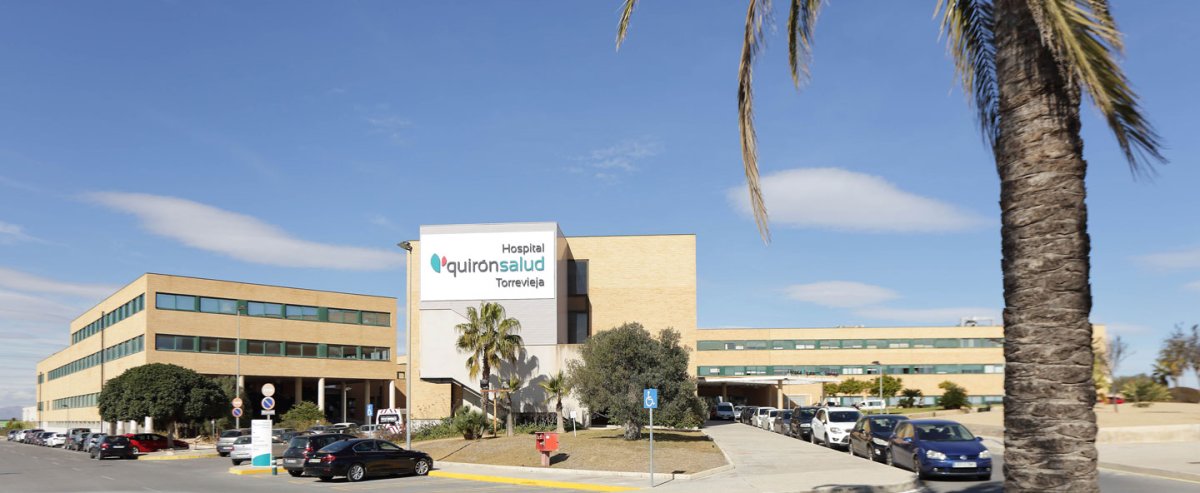
- Quironsalud Torrevieja, España
- Clínica de Gastroenterología y Proctología Centro PAD, España
- Quironsalud Madrid, España
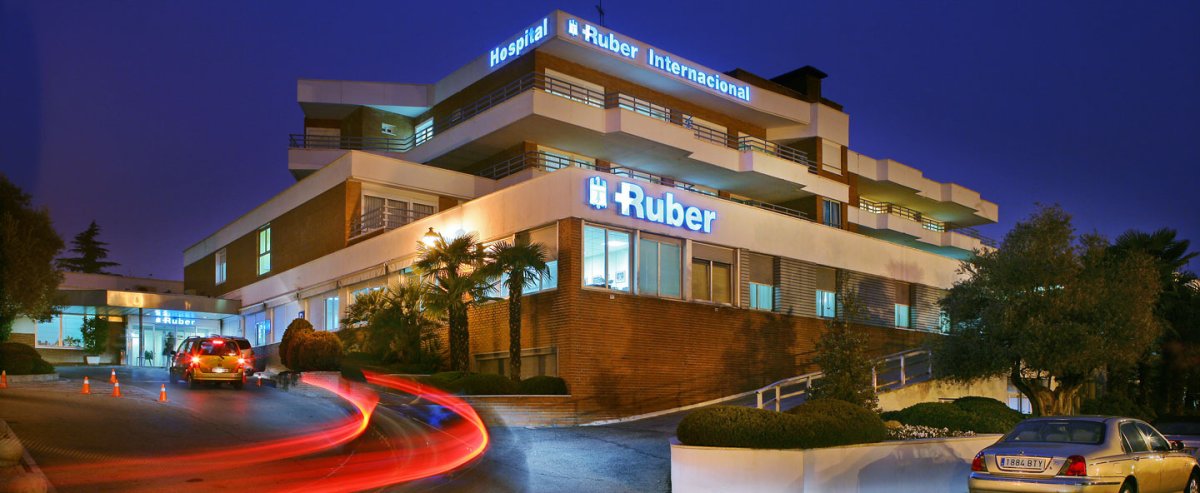
- Hospital Ruber Internacional, España
- Olympia Quironsalud, España
- Hospital Sant Joan de Déu Barcelona, España
- Hospital Quiron Barcelona, España
- Hospital Universitario HM Madrid, España
Obtenga una evaluación médica de Gastroenterología en España: haga una consulta con 23 médicos experimentados ahora
Ver todos los médicos
Carlos Garcia Vasquez
Cirujano general y del aparato digestivo. Enfoque en cirugía colorrectal, proctológica y de pared abdominal mínimamente invasiva. Jefe adjunto, Hospital Universitario Infanta Elena (2021–). Cirujano asociado, Fundación Jiménez Díaz (2013–).
Acreditaciones: Doctor en Cirugía, sobresaliente cum laude (UAM). Certificado en cirugía robótica (Da Vinci X/Xi/5). Formación avanzada en cirugía general laparoscópica (IRCAD, Estrasburgo). Especialista en Cirugía General y del Aparato Digestivo (F

Jorge Moises Sandrus
Jefe de Medicina Interna en el Centro Médico Teknon con formación especializada en nefrología en los mejores hospitales de Barcelona.
- Especializado en nefrología en el Hospital Clinic y el Hospital Provincial de Barcelona
- Miembro de la Sociedad Española de Nefrología y de sociedades de hipertensión
- Antiguo especialista en trasplantes en el Hospital Clínic de Barcelona
- Tesis doctoral centrada en la nefrología
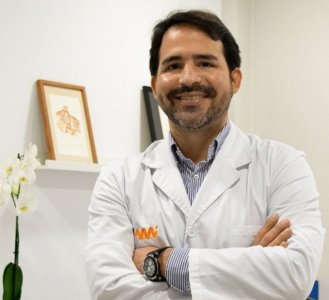
Michel Blé

Miquel Sans Cuffí
Más de 1.100 tratamientos para enfermedades inflamatorias intestinales: el Dr. Sans Cuffí lidera la investigación y la atención clínica en el Centro Médico Teknon.
- Especialista en enfermedad de Crohn y colitis ulcerosa
- Autor de más de 150 publicaciones y más de 500 ponencias en congresos
- Formado en la Case Western Reserve University de EE. UU.
- Coordinador del proyecto de investigación europeo 'IBDChip'
- Miembro de múltiples asociaciones de gastroenterología de prestigio
Reseñas
Todas las reseñasCompartir contenido
Historias en video de pacientes de Bookimed
 Olena Sikoza
Preguntas frecuentes sobre Gastroenterología en España
¿Es segura la gastroenterología en España para pacientes internacionales?
La gastroenterología en España es altamente segura para los pacientes internacionales. Instancias como el Centro Médico Teknon y el Hospital Quirón Barcelona cuentan con la acreditación de la Joint Commission International (JCI). Utilizan herramientas avanzadas como el sistema robótico Da Vinci y endoprótesis AXIOS de 15 mm. Los especialistas expertos comúnmente tienen más de 20 años de experiencia.
- Credenciales de la clínica: Centros como el Hospital Ruber Internacional mantienen estándares de seguridad JCI e ISO.
- Cirujanos expertos: El Dr. Sánchez Yagüe fue el primero a nivel mundial en usar endoprótesis pancreáticas específicas.
- Tecnología avanzada: Las instalaciones utilizan plataformas robóticas y disección endoscópica submucosa para tratamientos precisos.
- Volumen de pacientes: Quironsalud Torrevieja atiende a 120,000 pacientes anualmente con soporte multilingüe completo.
Perspectiva de Expertos de Bookimed: Los datos muestran una fuerte correlación entre altos volúmenes de pacientes y seguridad especializada. Quironsalud Torrevieja maneja 120,000 pacientes al año y ofrece acceso rápido para los internacionales. Este volumen les permite mantener equipos multilingües dedicados que las clínicas más pequeñas pueden no tener. Elegir estos centros más grandes a menudo resuelve la preocupación común sobre las barreras del idioma en conte
¿Qué cualificaciones y estándares tienen los gastroenterólogos en España?
Los gastroenterólogos españoles poseen títulos de medicina y formación especializada que cumplen con las estrictas directivas de la Unión Europea. Muchos de los principales especialistas cuentan con credenciales internacionales de instituciones prestigiosas como la Clínica Mayo. Instalaciones como el Centro Médico Teknon y el Hospital Quirón Barcelona mantienen la acreditación JCI, asegurando estándares globales de seguridad y calidad para todo el personal médico.
- Credenciales de los especialistas: Los médicos suelen tener doctorados y certificaciones de la Junta Europea de Gastroenterología.
- Formación internacional: Los cirujanos líderes completan becas en centros de EE.UU. o Reino Unido, como St. Mark's de Londres.
- Estándares de las instalaciones: Los principales hospitales en Madrid y Barcelona cuentan con certificaciones JCI e ISO 45001:2018.
- Experiencia técnica: Especialistas como el Dr. Sánchez Yagüe son pioneros en técnicas globales de ultrasonido endoscópico terapéutico.
Perspectiva del Experto de Bookimed: Los datos de nuestras clínicas asociadas muestran una fuerte correlación entre la acreditación JCI y la disponibilidad de equipos de apoyo que hablan inglés. Aunque los médicos frecuentemente tienen becas internacionales, las instalaciones más pequeñas pueden no garantizar el mismo nivel de dominio del inglés entre el persona
¿Cuáles son los tiempos de recuperación para cirugías digestivas mínimamente invasivas en España?
España ofrece procedimientos laparoscópicos y endoscópicos avanzados como colecistectomía, cirugía para ERGE y resecciones colorrectales para minimizar los tiempos de recuperación. Estas técnicas mínimamente invasivas reducen significativamente las estancias hospitalarias. La mayoría de los tratamientos endoscópicos permiten el alta el mismo día. Los pacientes suelen volver a su actividad completa en un plazo de 1 a 2 semanas.
- Colecistectomía laparoscópica: La extracción de la vesícula biliar a menudo permite el alta al día siguiente.
- Extirpación de pólipos endoscópica: Procedimiento no quirúrgico que permite volver al trabajo en un plazo de 48 horas.
- Cirugía antirreflujo (ERGE): Técnicas laparoscópicas sustituyen a la cirugía abierta para prevenir cicatrices a largo plazo.
- Resección de estómago: Opciones oncológicas o bariátricas mínimamente invasivas reducen la curación a semanas.
Perspectiva del Experto de Bookimed: Centros de alto volumen en España como el Centro Médico Teknon o el Hospital Quirón Barcelona integran plataformas robóticas para cirugías digestivas complejas. Los datos muestran que las clínicas que realizan más de 20,000 operaciones anuales a menudo estandarizan enfoques laparoscópicos. Este volumen conduce a plazos de recuperación más predecibles para pacientes internacionales.
Consenso de Pacientes:
¿Cuánto tiempo debo permanecer en España después de una colonoscopia o polipectomía?
Los turistas médicos deben planear una estancia de 2 a 3 días en España después de una colonoscopia o polipectomía. La mayoría de los pacientes reciben el alta el mismo día una vez que pasa el efecto de la sedación. Una espera de 24 horas antes de volar es estándar. La extirpación de pólipos más grandes puede requerir un período de observación de 48 horas para monitorear cualquier sangrado menor.
- Tiempo de recuperación: Los pacientes suelen regresar a su hotel de 2 a 6 horas después del procedimiento.
- Restricciones de viaje: Los médicos aconsejan esperar 24 horas antes de volar debido a los efectos residuales de la sedación.
- Niveles de actividad: Caminar por la ciudad es posible la misma tarde después del procedimiento.
- Límites físicos: Evitar levantar objetos pesados o realizar ejercicio intenso durante 48 horas posteriores a una polipectomía.
Opinión de Expertos de Bookimed: Centros de alto volumen como el Hospital Quiron Barcelona y el Centro Médico Teknon realizan más de 23,000 cirugías anualmente combinados. Este volumen asegura protocolos eficientes de sedación que ayudan a los pacientes a lograr una alerta completa más rápidamente. Nuestros datos muestran que las clínicas con acreditación JCI a menudo proporcionan coordinadores internacionales dedicados para ayudar a gestionar la documentación posterior al alta rápidamente.
<¿Cuándo puedo volar después de una cirugía gastrointestinal o endoscopia?
Los pacientes generalmente pueden volar 24–48 horas después de procedimientos endoscópicos diagnósticos como colonoscopias o gastroscopias. Las cirugías gastrointestinales laparoscópicas mayores, como la colecistectomía o la reparación de una hernia, requieren esperar de 7 a 14 días. Este período previene el dolor intenso causado por la expansión de gases internos debido a los cambios en la presión de la cabina del avión.
- Recuperación endoscópica: La mayoría de los pacientes pueden volar de manera segura en 24 horas si no ocurren complicaciones con la sedación.
- Intervalo laparoscópico: Los cirujanos recomiendan de 10 a 14 días para procedimientos como apendicectomía o extracción de la vesícula biliar.
- Manejo de gases: Tomar simeticona antes de los vuelos ayuda a manejar la hinchazón y la incomodidad comunes después del procedimiento.
- Documentación de viaje: Las aerolíneas a menudo requieren una nota formal de aptitud para volar de su cirujano tratante en España.
Perspectiva del Experto de Bookimed: Centros españoles como el Hospital Quirón Barcelona y Centro Médico Teknon manejan grandes volúmenes de pacientes, alcanzando los 40,000 anualmente. Esta alta frecuencia significa que sus equipos son expertos en estandarizar los tiempos de recuperación para viajeros internacionales. Los pacientes deben priorizar clínicas con acreditación de J