Gastroenterología en Corea del Sur — Costos 2026


Revisado médicamente por
Fahad Mawlood
¿Cuál es el precio de procedimientos de Gastroenterología en Corea del Sur? Descubra ahora
La gastroenterología en Corea del Sur suele costar desde $6,000 hasta $28,000. Los precios dependen del tipo de centro específico, la sedación requerida y si se realizan biopsias durante el diagnóstico. Los pacientes pueden esperar ahorros de aproximadamente un 40-60% en comparación con los EE. UU. para la mayoría de los procedimientos y consultas gástricas.
Costos típicos de gastroenterología en Corea del Sur
- Consulta con un gastroenterólogo: Precio a consultar
- Gastroscopia: $150 – $210
- Colonoscopia: $350 – $400
- Ecografía: $100 – $150
- Resonancia magnética de una zona: $480 – $530
- TC (tomografía computarizada): Precio a consultar
- Hemograma completo: Precio a consultar
- Chequeo básico: Precio a consultar
- Resección de estómago: de $15,000
- Terapia con células madre: Precio a consultar
Los principales centros médicos incluyen Seúl, Daegu e Incheon. Si bien los centros de Seúl ofrecen una alta concentración de especialistas de primer nivel, ciudades como Daegu o Incheon pueden ofrecer precios más competitivos. Consulte con un especialista para obtener precios precisos para sus necesidades médicas específicas.
| Corea del Sur | España | Turquía | |
| Terapia hormonal | ≈ $2,000 | de $600 | de $1,100 |
| Terapia dirigida | ≈ $5,500 | de $5,100 | de $3,000 |
| Resección del intestino delgado | de $74 | de $12,500 | de $6,500 |
| Resección de vesícula biliar | ≈ $5,800 | de $9,300 | de $3,000 |
| Resección de estómago | de $15,000 | de $20,000 | de $3,100 |
Todas las enfermedades de Gastroenterología
Sus beneficios y garantías con Bookimed
Precios directos
Bookimed no añade cargos extra a los precios de los tratamientos de Gastroenterología. Las tarifas proceden de las listas de precios oficiales de las clínicas. Pagará directamente en la clínica por su tratamiento a su llegada al país.
Sólo clínicas y médicos verificados
Bookimed está comprometido con su seguridad. Solo trabajamos con las clínicas que mantienen altos estándares internacionales en el tratamiento de Gastroenterología y tienen las licencias necesarias para atender a pacientes internacionales en todo el mundo.
Asistencia 24/7 gratuita
Bookimed ofrece asistencia experta gratuita. Un coordinador médico personal le apoya antes, durante y después del tratamiento, resolviendo cualquier problema. Nunca estará solo en su viaje médico de procedimientos de Gastroenterología.

Su coordinador médico personal de Bookimed
- Le apoya en cada etapa
- Ayuda a elegir la clínica y el médico adecuados
- Asegura un acceso rápido y conveniente a la información
Descubra las mejores clínicas de Gastroenterología en Corea del Sur: 33 opciones verificadas y Precios





Clínica de cirugía plástica Wonjin (Wonjin Plastic Surgery Clinic)






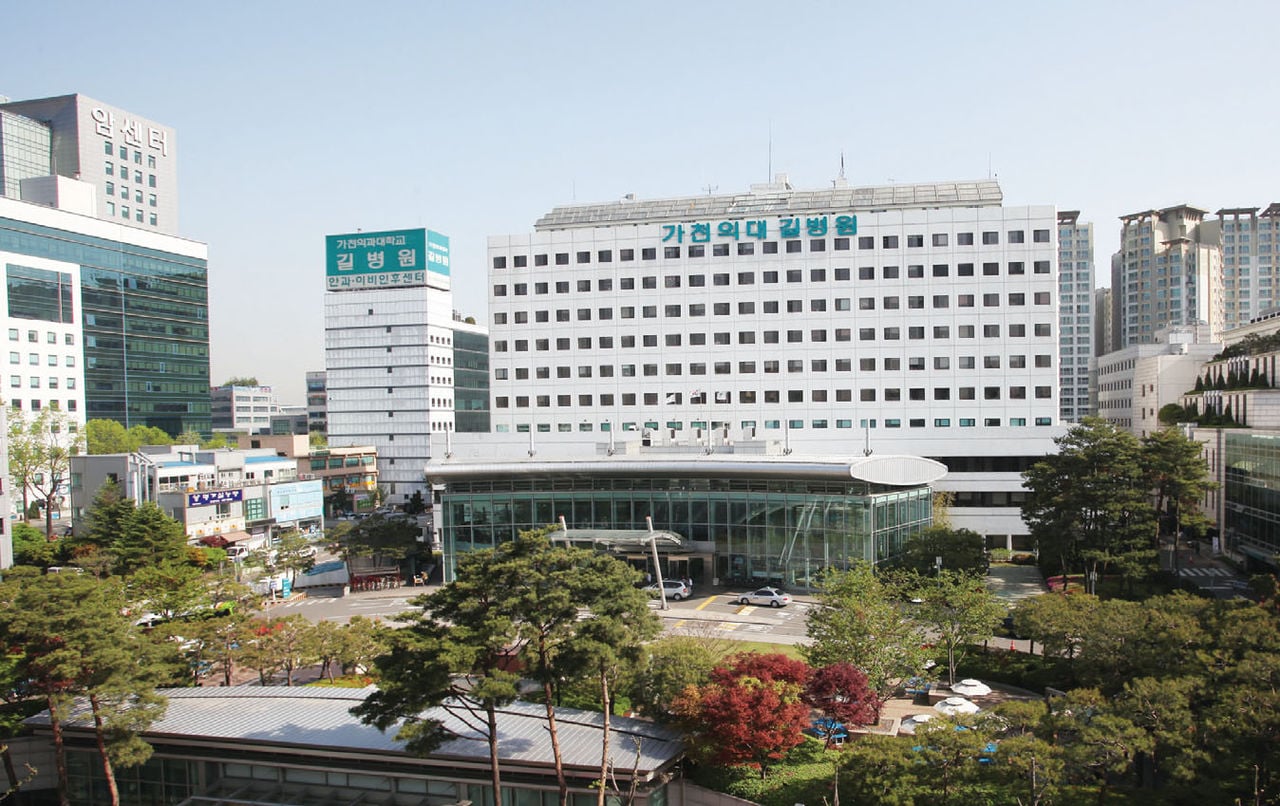
Los mejores centros médicos de Gastroenterología en Corea del Sur
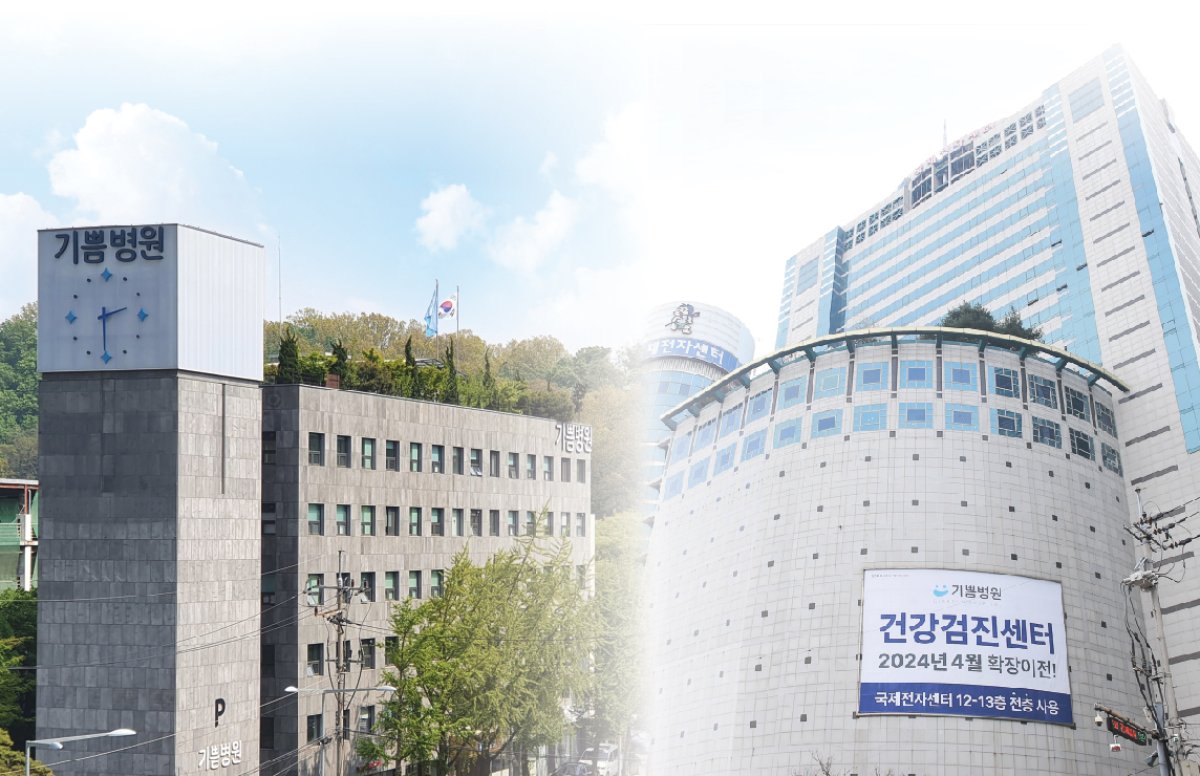
- Hospital General Gibbeum, Corea del Sur
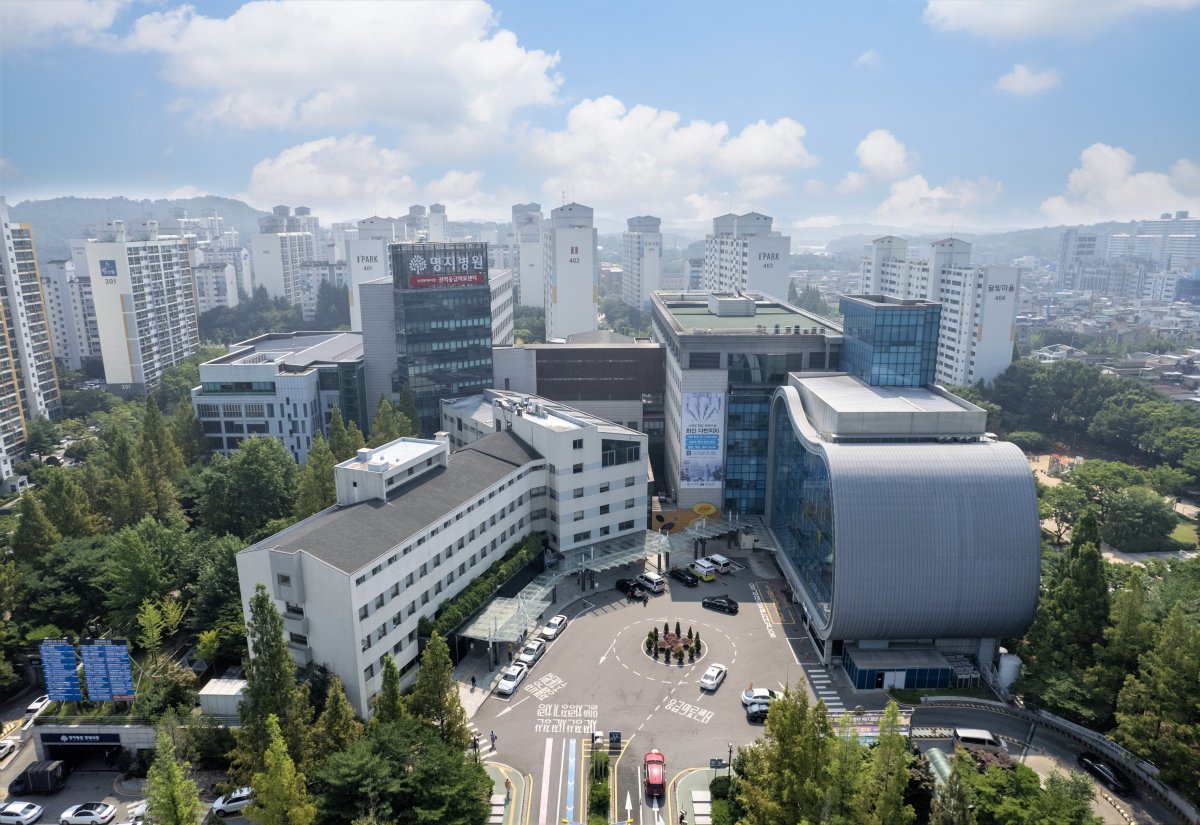
- Myongji Hospital, Corea del Sur
- Samsung Medical Center, Corea del Sur
- Clínica de cirugía plástica VG Plastic Surgery, Corea del Sur
- JK Plastic Surgery Center, Corea del Sur
- NAEUN HOSPITAL, Corea del Sur
- Clínica de cirugía plástica Wonjin (Wonjin Plastic Surgery Clinic), Corea del Sur
- Ewha Womans University Medical Center, Corea del Sur
- Seoul National University Bundang Hospital (SNUBH), Corea del Sur
- Gachon University Gil Medical Center, Corea del Sur
Obtenga una evaluación médica de Gastroenterología en Corea del Sur: haga una consulta con 11 médicos experimentados ahora
Ver todos los médicos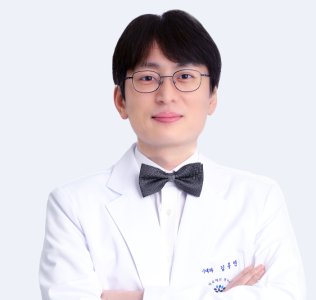
Kim Jong Yeon
El profesor Kim Jong-yeon es gastroenterólogo en el Hospital Myongji. Trata enfermedades del esófago, estómago, colon e hígado, incluyendo cirrosis y hepatitis. Realiza endoscopia terapéutica, como la polipectomía endoscópica. También se desempeña como subdirector del Centro Internacional de Atención Médica.
Es miembro del Centro de Insuficiencia Hepática. Trabaja con equipos de hepatología, cáncer de hígado y trasplantes para proporcionar atención coordinada para enfermedades hepática
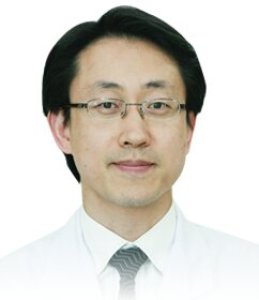
Cheon Wonseok
El Dr. Cheon Wonseok es Jefe de Gastroenterología en el Hospital Na-Eun. Trata trastornos gastrointestinales. Realiza endoscopia digestiva alta, colonoscopia, polipectomía y disección endoscópica submucosa (ESD). Maneja el cáncer gástrico y esofágico y la infección por Helicobacter pylori. También trata enfermedades hepáticas y enfermedad inflamatoria intestinal, incluidas la enfermedad de Crohn y la colitis ulcerosa. Ofrece endoscopia por cápsula del intestino delgado.
Acreditaciones:
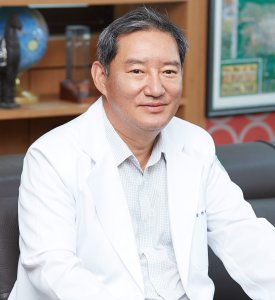
Ha Hunyoung
El Dr. Ha Heonyoung es el director del Hospital Naeun. Es especialista en medicina preventiva con 39 años de experiencia clínica.
Formación: MD, Facultad de Medicina de la Universidad de Hanyang. Máster y doctorado en Medicina Preventiva por la Escuela de Posgrado de la Universidad de Hanyang.
Enfoque clínico: Clínica de Alopecia y Obesidad para prevención de la caída del cabello, control de peso, liposucción e injerto de grasa. Clínica de Antienvejecimiento y Bienestar para ter
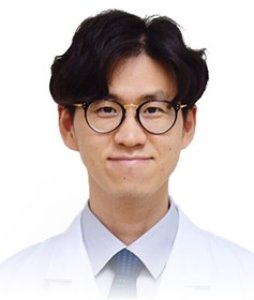
Yu Yeonghun
El Dr. Yu Yeonghun es cirujano del aparato digestivo y doctor en Medicina. Se especializa en enfermedades y cánceres hepatopancreatobiliares (HPB). Su enfoque abarca los cánceres de hígado, páncreas, vía biliar y vesícula biliar, así como la colelitiasis y otras enfermedades de la vesícula.
Realizó el internado y la residencia en cirugía general en el Centro Médico CHA Bundang. Luego completó una subespecialización en cirugía HPB en el Centro Médico Samsung. Se desempeñó como profesor
Reseñas
Todas las reseñasCompartir contenido
Historias en video de pacientes de Bookimed
 Olena Sikoza
Preguntas frecuentes sobre Gastroenterología en Corea del Sur
¿Qué estándares de seguridad siguen los departamentos de gastroenterología en Corea del Sur?
Los departamentos de gastroenterología de Corea del Sur cumplen con rigurosos protocolos de seguridad exigidos por el Ministerio de Salud y Bienestar. Las instalaciones de élite mantienen la acreditación de la Joint Commission International (JCI) y la certificación KOIHA. Estos estándares garantizan altos niveles de control de infecciones para procedimientos como endoscopias y colonoscopias en Seúl e Incheon.
- Estándares de acreditación: Instalaciones como el Centro Médico de la Universidad de Mujeres Ewha poseen la acreditación con sello de oro de JCI.
- Certificación nacional: El Centro Médico Samsung y el Centro Médico Asan mantienen el estatus de seguridad obligatorio de KOIHA.
- Seguridad digital: SNUBH utiliza el sistema BESTcare para prevenir errores médicos durante los procedimientos.
- Calidad de laboratorio: Los laboratorios de diagnóstico siguen los Estándares Internacionales ISO para el procesamiento en tiempo real de biopsias y patología.
Perspectiva del Experto Bookimed: Los datos muestran una fuerte correlación entre altos volúmenes de pacientes y la innovación en seguridad en Seúl. Por ejemplo, el Centro Médico Samsung atiende a más de 2,000,000 de pacientes anualmente. Esta escala masiva impulsa la adopción de tecnologías de prevención de errores como el sistema BESTcare. Al elegir una clínica, busque aquellas con más de 1,500
¿Cómo verifico las cualificaciones de un gastroenterólogo coreano?
Verifique que un gastroenterólogo coreano tenga la certificación de la junta de la Asociación Coreana de Medicina Interna y la Sociedad Coreana de Endoscopia Gastrointestinal (KSGE). Los especialistas de primer nivel también mantienen membresías en la Sociedad Coreana de Gastroenterología (KSG) y tienen nombramientos en hospitales universitarios. Estas credenciales confirman capacitación avanzada en procedimientos endoscópicos y enfermedades digestivas.
- Licencia médica: Registro en la Asociación Médica Coreana para ejercer la medicina en Corea del Sur.
- Certificación de especialista: Certificado por la junta en medicina interna con formación de subespecialidad en gastroenterología y endoscopia.
- Título académico: Profesores en el Centro Médico Samsung o el Centro Médico Asan liderando investigaciones clínicas.
- Membresía en sociedades: Membresía activa en la Sociedad Coreana de Endoscopia Gastrointestinal para la calidad de los procedimientos.
Perspectiva de expertos de Bookimed: Altos volúmenes de pacientes son un indicador clave de calidad en Corea. Por ejemplo, el Centro Médico Samsung atiende a más de 2,000,000 de pacientes anualmente. Médicos como el Dr. Jong Kyun Lee suelen especializarse en áreas muy específicas como los cánceres pancreatobiliares. Elegir a un profesor en un centro de alto volumen generalmente asegura que hayan real
¿Qué tan seguros son los procedimientos endoscópicos avanzados en Corea del Sur?
Los procedimientos endoscópicos avanzados en Corea del Sur mantienen estándares de seguridad excepcionalmente altos. Los riesgos reconocidos incluyen pancreatitis tras una CPRE, sangrado menor tras una DSE y perforaciones raras. Los principales hospitales de Seúl reportan tasas de complicaciones significativamente más bajas que los promedios globales debido a la experiencia de cirujanos de alto volumen y tecnologías avanzadas de monitoreo.
- Riesgos de CPRE: La pancreatitis ocurre en aproximadamente el 3% de los casos en centros coreanos de alto volumen.
- Complicaciones de DSE: Las tasas de perforación varían del 2% al 5%, lo cual es inferior a muchos estándares internacionales.
- Sangrado postoperatorio: El sangrado tardío típicamente alcanza su pico entre los días 3 y 5 después de la DSE gástrica.
- Control de infecciones: Las infecciones relacionadas con USE son raras y se manejan con intervención endoscópica inmediata 24/7.
Perspectiva de Expertos de Bookimed: Los datos de instalaciones de primer nivel como el Centro Médico Samsung y el Centro Médico Asan muestran un vínculo claro entre el volumen de los procedimientos y la seguridad. Estas instituciones realizan más de 65,000 operaciones anualmente, permitiendo a los cirujanos refinar técnicas que minimizan el trauma tisular. Los pacientes deberían planificar una estancia de 7 a 10 días e
¿Aceptan los hospitales coreanos muestras y informes de patología extranjeros?
Las instituciones médicas coreanas suelen requerir una reevaluación de las preparaciones patológicas extranjeras en lugar de aceptar informes externos como definitivos. Los patólogos en centros principales como el Centro Médico Samsung o el Centro Médico Asan generalmente realizan una revisión interna para asegurar la precisión diagnóstica para la planificación del tratamiento. Prepararse para diagnósticos repetidos es una práctica estándar.
- Proceso de revisión: Patólogos dedicados reexaminan las preparaciones originales para verificar los hallazgos iniciales y la estadificación.
- Estándares técnicos: Las preparaciones deben cumplir con protocolos de tinción de alta calidad para ser elegibles para revisión.
- Opciones digitales: Algunos hospitales terciarios aceptan imágenes de preparaciones digitales de alta resolución (WSI) para consultas preliminares.
- Procedimientos repetidos: Los pacientes a menudo se someten a una nueva endoscopia o biopsia para obtener muestras de tejido frescas.
Perspicacia del Experto de Bookimed: Datos de hospitales de primer nivel en Seúl muestran que centros con el sistema digital BESTcare, como el Hospital Bundang de la Universidad Nacional de Seúl, priorizan la integración de datos. Aunque las preparaciones extranjeras ayudan en la recopilación de antecedentes, estos centros de alto volumen confían en diagnóst
¿Cuál es el tiempo de recuperación después de una ESD o una CPRE compleja en Corea del Sur?
La recuperación después de ESD o ERCP compleja en Corea del Sur generalmente requiere de 1 a 4 días de hospitalización. Los pacientes deben planear una estancia en el país de 7 a 10 días para monitoreo y seguimiento. Centros como el Samsung Medical Center brindan atención especializada para condiciones biliares y gástricas complejas utilizando técnicas endoscópicas avanzadas.
- Estancia hospitalaria: Espere de 1 a 3 días en el hospital para observación después de ESD o procedimientos complejos.
- Periodo de observación: Los médicos monitorean riesgos de pancreatitis o perforación durante las primeras 48 horas.
- Tiempo total de viaje: Presupueste de 7 a 10 días en Corea para incluir chequeos preoperatorios y de seguimiento.
- Transición dietética: Los pacientes típicamente siguen una dieta de alimentos blandos durante 1 a 2 semanas después del procedimiento.
Perspectiva Experta de Bookimed: Datos de centros de gran volumen como el Asan Medical Center, que realiza más de 65,000 operaciones anuales, muestran una clara tendencia. Estas instituciones priorizan el procesamiento rápido del diagnóstico. Esta eficiencia a menudo permite a los pacientes internacionales completar todos los exámenes y consultas preoperatorias necesarias en un plazo notablemente corto de 48 horas antes de la intervención real.
Consenso de Pacientes:
¿Cuál es la validez de la visa médica surcoreana C-3-1 y se puede extender?
El visado médico C-3-1 de Corea del Sur típicamente permite una estancia inicial de 90 días. Las autoridades de inmigración permiten extensiones para seguimientos múltiples como la disección endoscópica submucosa (ESD) o colonoscopias. Debe proporcionar una carta formal del hospital que detalle el plan de tratamiento específico y la necesidad médica para una estancia prolongada.
- Validez del visado: Los visados médicos iniciales suelen limitarse a 90 días para tratamiento activo.
- Proceso de extensión: Las extensiones son posibles dentro de Corea pero requieren de 5 a 10 días hábiles para su procesamiento.
- Documentación requerida: Una carta de patrocinio del hospital es obligatoria para probar que el tratamiento no está completo.
- Apoyo clínico: Grandes centros como el Samsung Medical Center suelen manejar la documentación para pacientes internacionales.
Perspectiva del Experto de Bookimed: Datos de los principales centros de Seúl muestran una clara ventaja para los pacientes en hospitales de gran volumen. Samsung Medical Center y Asan Medical Center atienden a más de 1.8 millones de pacientes anualmente y tienen oficinas dedicadas para la documentación de visados. Estas grandes instituciones tienen más experiencia en redactar las cartas específicas de necesidad médica que la inmigración coreana requiere para extensiones exitosas de 90 día
¿Por qué Seúl se considera el destino principal para la endoterapia avanzada de EII en comparación con otras ciudades como Busan?
Seúl sigue siendo el destino principal para la endoterapia avanzada de EII debido a una mayor concentración de centros de investigación especializados y tecnología. Los hospitales en Seúl, como el Centro Médico Asan, manejan el 80% de los casos complejos gastrointestinales. Estas instalaciones ofrecen procedimientos específicos como la enteroscopia de doble balón y la disección submucosa endoscópica (ESD).
- Tecnología especializada: Los centros de Seúl utilizan enteroscopia de doble balón avanzada para la obtención de imágenes profundas del intestino delgado.
- Volumen clínico: El Centro Médico Asan atiende a más de 11,800 pacientes ambulatorios al día con gran éxito.
- Credenciales de expertos: El Prof. Jong Kyun Lee en el Centro Médico Samsung se especializa en casos complejos pancreatobiliares.
- Integración digital: El Hospital Bundang de la Universidad Nacional de Seúl utiliza el sistema informatizado BESTcare para prevenir errores.
Perspectiva del Experto de Bookimed: Aunque Busan es excelente para exámenes de rutina, los hospitales de Seúl como el Centro Médico Samsung funcionan bajo estándares presidenciales con escritorios dedicados a pacientes internacionales. Los datos muestran que los pacientes a menudo eligen Seúl para la intervención compleja inicial, pero se recuperan en Busan. Un vuelo de 1 hora conecta las dos ciudades, lo que