Gastroenterología en Israel — Costos 2026


Revisado médicamente por
Fahad Mawlood
¿Cuál es el precio de procedimientos de Gastroenterología en Israel? Descubra ahora
La gastroenterología en Israel suele costar desde $9,800 hasta $27,400. Los precios están influenciados por la complejidad de la afección, la elección entre centros médicos públicos o privados, y si se requiere anestesia general o análisis de biopsia durante las pruebas de imagen. Los pacientes pueden ahorrar aproximadamente entre un 15 y un 20% en comparación con los costos médicos en EE. UU.
Costos típicos de gastroenterología en Israel
- Gastroscopia con biopsia: de $3,300
- Colonoscopia: de $1,200
- Resonancia magnética de una zona: $1,000 – $1,800
- Terapia con células madre: Precio a consultar
- Apendicectomía: Precio a consultar
- Colecistectomía: Precio a consultar
- Esofagectomía: de $40,000
- Ecografía: de $190
- Chequeo básico: Precio a consultar
- TC (tomografía computarizada): Precio a consultar
La mayoría de los servicios especializados de gastroenterología se prestan en Tel Aviv, Jerusalén y Ramat Gan. Aunque los estándares de tratamiento son consistentes, consultar con un especialista puede ayudarle a obtener un presupuesto preciso basado en sus necesidades diagnósticas específicas y su historial médico.
| Israel | España | Turquía | |
|---|---|---|---|
| Terapia hormonal | ≈ $2,200 | de $600 | de $1,100 |
| Terapia dirigida | ≈ $9,500 | de $5,000 | de $3,000 |
| Resección del intestino delgado | ≈ $16,000 | de $12,300 | de $6,500 |
| Resección de vesícula biliar | ≈ $8,500 | de $9,200 | de $3,000 |
| Resección de estómago | ≈ $17,000 | de $20,000 | de $3,100 |
Todas las enfermedades de Gastroenterología
Sus beneficios y garantías con Bookimed
Precios directos
Bookimed no añade cargos extra a los precios de los tratamientos de Gastroenterología. Las tarifas proceden de las listas de precios oficiales de las clínicas. Pagará directamente en la clínica por su tratamiento a su llegada al país.
Sólo clínicas y médicos verificados
Bookimed está comprometido con su seguridad. Solo trabajamos con las clínicas que mantienen altos estándares internacionales en el tratamiento de Gastroenterología y tienen las licencias necesarias para atender a pacientes internacionales en todo el mundo.
Asistencia 24/7 gratuita
Bookimed ofrece asistencia experta gratuita. Un coordinador médico personal le apoya antes, durante y después del tratamiento, resolviendo cualquier problema. Nunca estará solo en su viaje médico de procedimientos de Gastroenterología.

Su coordinador médico personal de Bookimed
- Le apoya en cada etapa
- Ayuda a elegir la clínica y el médico adecuados
- Asegura un acceso rápido y conveniente a la información
Descubra las mejores clínicas de Gastroenterología en Israel: 16 opciones verificadas y Precios





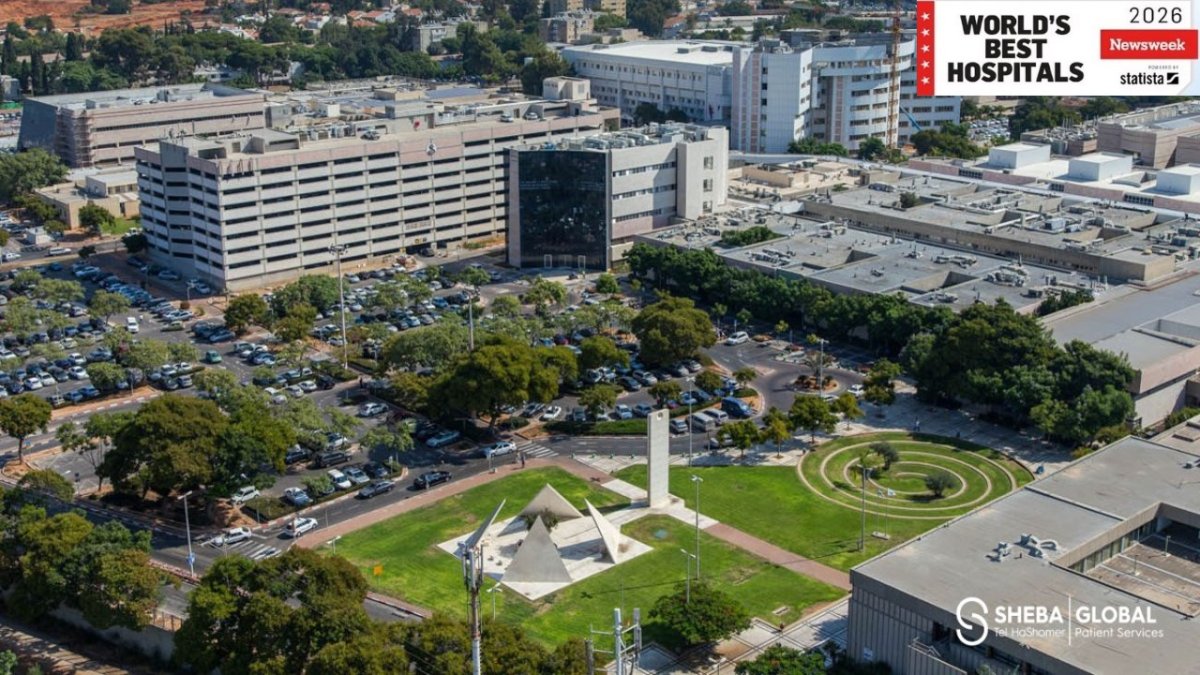










Soroka Medical Center


Herzliya Medical Center
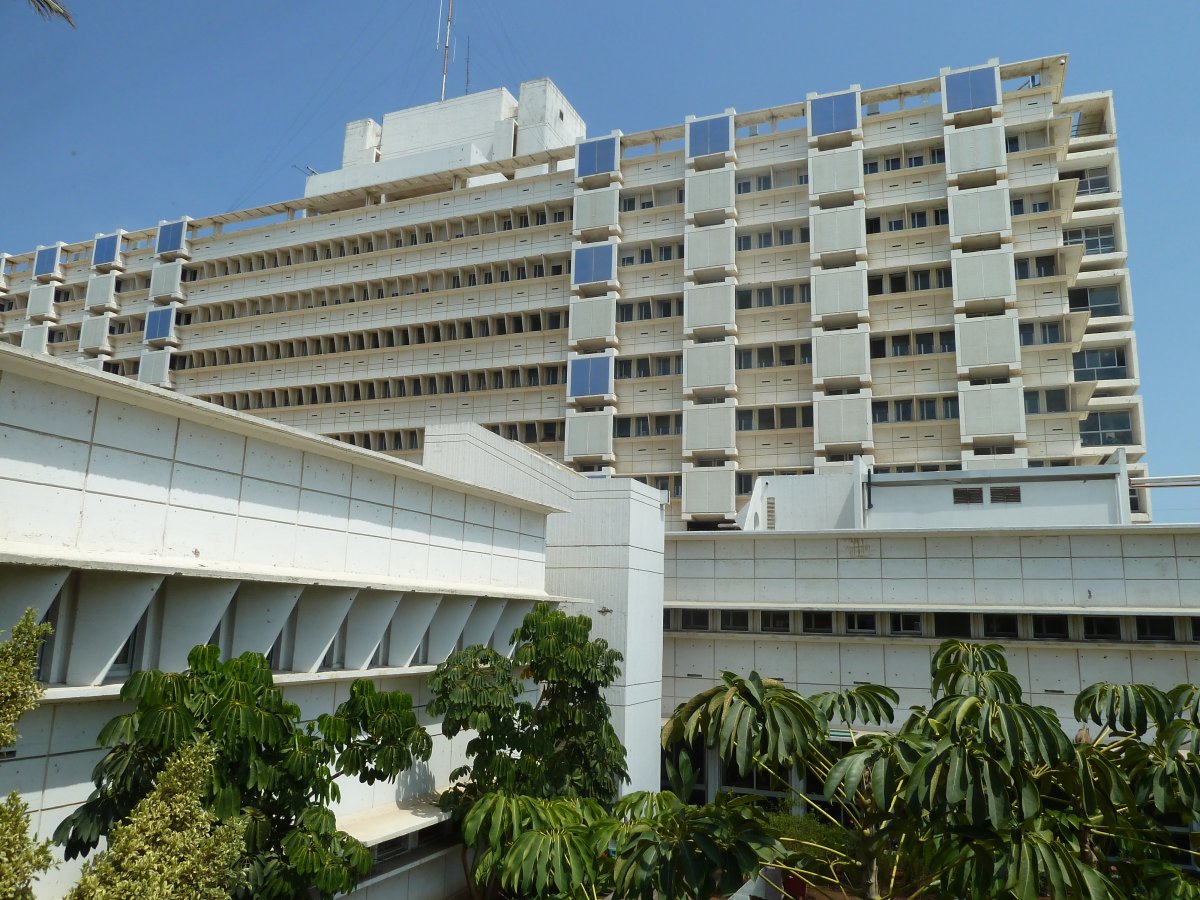
State Hospital Edith Wolfson
Los mejores centros médicos de Gastroenterología en Israel
- Centro médico Sourasky, Israel
- Centro Médico Sheba, Israel
- Assuta Hospital en Israel, Israel
- Centro Médico Hadassah, Israel
- Rambam Medical Center, Israel
- Centro médico infantil Schneider, Israel
- Soroka Medical Center, Israel
- Rabin Medical Center, Israel
- Herzliya Medical Center , Israel
- State Hospital Edith Wolfson, Israel
Obtenga una evaluación médica de Gastroenterología en Israel: haga una consulta con 21 médicos experimentados ahora
Ver todos los médicos
Nadir Arber
El profesor Nadir Arber dirige el único Centro Integrado de Prevención del Cáncer de Israel, centrado en detener los cánceres gastrointestinales antes de que comiencen. Es autor de más de 300 artículos científicos sobre salud gastrointestinal.
- Más de 30 años de especialización en prevención y detección temprana de cánceres gastrointestinales
- Dirige el Centro de Prevención del Cáncer en el Centro Médico Sourasky
- Beca de investigación en el NewYork-Presbyterian Center
- Miembro de la Asociación Americana de Gastroenterología y de la Sociedad Europea de Oncología Digestiva
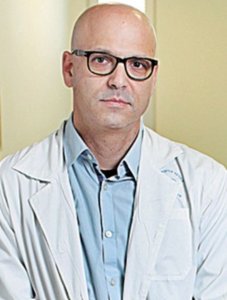
Professor Ido Nachmany
El Prof. Ido Nachmany encabeza el Segundo Departamento de Cirugía del Centro Médico Sheba. Se especializa en cirugía HPB (hepato-pancreatobiliar) y robótica para enfermedades del hígado, páncreas y vías biliares, y para tumores neuroendocrinos gastrointestinales. También realiza cirugía suprarrenal, del bazo y del estómago. Forbes lo incluyó entre los mejores médicos de Israel.
Impulsa técnicas robóticas y laparoscópicas mínimamente invasivas. El objetivo es mayor precisión y una recup
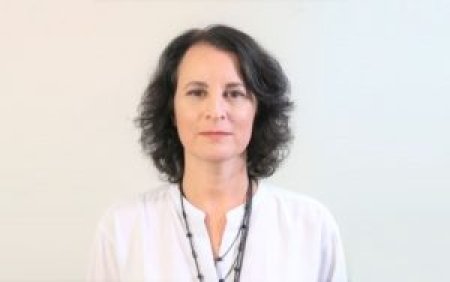
Einat Shacham Shmueli
La Dra. Einat Shacham‑Shmueli es oncóloga médica sénior en la Clínica Gastrointestinal del Centro Oncológico del Centro Médico Sheba. Trata cánceres de colon, estómago y páncreas. También maneja la enfermedad metastásica. Emplea diagnósticos de precisión y biomarcadores, terapias sistémicas y radioterapia. La atención se brinda dentro de un equipo multidisciplinario.
Ha publicado más de 25 artículos revisados por pares sobre oncología gastrointestinal, biología tumoral y nuevos tratami
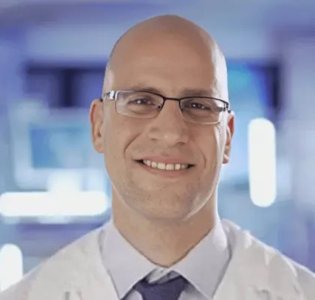
Almog Ben Yaacov
El Dr. Almog Ben‑Yaacov es cirujano adjunto del Departamento de Cirugía General y Oncológica (Cirugía C) del Centro Médico Sheba. Se especializa en cirugía citorreductora (CRS) con quimioterapia intraperitoneal hipertérmica (HIPEC). Su enfoque clínico incluye cáncer gástrico, sarcomas y neoplasias colorrectales complejas. Desde 2018 ha realizado más de 200 procedimientos de HIPEC.
Doctor en Medicina (MD) por la Universidad Semmelweis, 2006, con honores. Formación en cirugía cardiotorác
Reseñas
Todas las reseñasCompartir contenido
Historias en video de pacientes de Bookimed
 Olena Sikoza
Preguntas frecuentes sobre Gastroenterología en Israel
¿Cómo garantizan los centros de gastroenterología en Israel los estándares internacionales de seguridad?
Los centros de gastroenterología en Israel mantienen estándares internacionales de seguridad a través de la acreditación de Joint Commission International (JCI) y rigurosos protocolos del Ministerio de Salud. Instalaciones líderes como el Centro Médico Sourasky y el Centro Médico Assuta siguen estrictas métricas de control de infecciones y seguridad del paciente. Estos hospitales utilizan tecnologías avanzadas de diagnóstico, incluyendo la endoscopia con cápsula de video y la ecografía intervencionista.
- Acreditación internacional: La certificación JCI asegura que las clínicas cumplan con los estándares globales de calidad y seguridad en la atención médica.
- Protocolos de seguridad: Los centros siguen los estándares internacionales ISO y las directrices médicas derivadas de la UE para las unidades de endoscopia.
- Diagnósticos avanzados: Las instalaciones ofrecen pruebas especializadas como la ablación por radiofrecuencia y la obtención de imágenes digitales de alta resolución.
- Supervisión experta: Especialistas como el Prof. Nadir Arber aportan más de 30 años de experiencia en el tratamiento gastrointestinal.
Perspectiva del Experto de Bookimed: Los centros de gastroenterología israelíes demuestran una eficiencia excepcional al integrar equipos de diagnóstico y quirúrgicos. En el Centro Médico Sheba, que trata a más de 1,500,000 pacientes
¿Cuánto dura una estancia en Israel para una colonoscopia con polipectomía?
Los pacientes internacionales generalmente necesitan de 1 a 2 días en Israel para una colonoscopia con posible polipectomía. Este procedimiento ambulatorio implica el alta el mismo día. Debe llegar un día antes para la preparación. La mayoría de los pacientes pueden volar a casa 24 horas después del tratamiento en centros acreditados por JCI en Tel Aviv o Jerusalén.
- Estancia total: 1 a 2 días para casos estándar.
- Duración del procedimiento: El examen y la extracción de pólipos toman de 1 a 2 horas.
- Período de observación: La mayoría de los pacientes salen de la clínica la misma tarde.
- Estancia prolongada: Los pólipos grandes pueden requerir de 3 a 5 días para el monitoreo de la biopsia.
Perspectiva del experto de Bookimed: Nuestros datos muestran que las clínicas en Tel Aviv, como el Centro Médico Sourasky, son altamente eficientes para los viajeros internacionales debido a los servicios de patología exprés. El Dr. Erwin Santo en Sourasky fue el primero en Israel en utilizar ultrasonido intervencionista. Este entorno de alta tecnología asegura que incluso las biopsias complejas se procesen rápidamente. Los pacientes a menudo coordinan su salida para el día siguiente para minimizar los costos del hotel.
Consenso del paciente: Los pacientes señalan que es importante alojarse en un hotel cerca del hospital la primer
¿Cuáles son los riesgos y las tasas de éxito de la resección endoscópica en Israel?
Las resecciones endoscópicas avanzadas en Israel mantienen altos estándares de seguridad con tasas de complicaciones manejables. El sangrado ocurre en el 5% al 10% de los casos de EMR. Las tasas de perforación para ESD generalmente se mantienen por debajo del 2% en los procedimientos gástricos. Centros líderes como el Centro Médico Sourasky reportan una tasa de éxito del 90% en casos relacionados con oncología.
- Riesgo de sangrado: Ocurre en el 5–10% de los casos, principalmente controlado durante el procedimiento inicial.
- Tasa de perforación: Se mantiene por debajo del 2% para ESD gástrico cuando es realizado por gastroenterólogos expertos.
- Estrechamiento esofágico: Se observa en el 10–20% de los casos post-ESD, a menudo requiriendo dilatación endoscópica simple.
- Tasa de éxito: Las instalaciones multidisciplinarias israelíes reportan un 90% de éxito en tratamientos complejos de oncología digestiva.
Perspectiva de los Expertos de Bookimed: Los departamentos de gastroenterología israelíes muestran una fuerte correlación entre un alto volumen de pacientes y bajos riesgos en los procedimientos. Por ejemplo, el Centro Médico Sheba atiende a 1,9 millones de pacientes anualmente en 1,990 especialidades. Esta escala masiva permite a los médicos mantener una máxima competencia técnica. Los pacientes que eligen estos centros de alto volumen a men
¿La cirugía gastrointestinal laparoscópica en Israel deja cicatrices visibles?
La cirugía gastrointestinal laparoscópica en Israel resulta en cicatrices mínimas que generalmente se vuelven casi invisibles. Los cirujanos usan de 3 a 4 pequeñas incisiones entre 0.5 a 1 cm. Estas pequeñas marcas a menudo se desvanecen significativamente en un período de 6 a 12 meses. Las técnicas precisas en centros acreditados por la JCI en Tel Aviv y Jerusalén priorizan los resultados cosméticos.
- Tamaño de la incisión: Las aberturas típicas varían de 0.5 a 1 cm por sitio.
- Estrategia de colocación: Los cirujanos a menudo colocan las incisiones en los pliegues naturales de la piel o el ombligo.
- Línea de tiempo de recuperación: El enrojecimiento típicamente se desvanece, dejando líneas finas y tenues después de 1 año de curación.
- Tecnología utilizada: Los sistemas robóticos y herramientas mínimamente invasivas en Assuta o Hadassah reducen el trauma tisular.
Perspectiva Experta de Bookimed: Los departamentos quirúrgicos israelíes, como los del Centro Médico Sourasky, realizan más de 34,000 operaciones anuales. Este alto volumen permite a cirujanos como el Dr. Ron Greenberg perfeccionar técnicas de cierre que minimizan la tensión visible en la piel. Los pacientes a menudo se benefician del uso de pegamentos quirúrgicos especializados o suturas reabsorbibles. Estos materiales frecuentemente resultan en una cicatrización más suave en comp
¿Cómo y cuándo recibiré mis resultados de endoscopia en Israel?
Gastroenterólogos experimentados en Israel interpretan sus imágenes de endoscopia inmediatamente durante el procedimiento. Especialistas destacados como el Dr. Oren Shibolet o el Prof. Dr. Nadir Arber en el Centro Médico Sourasky (Ichilov) a menudo proporcionan resúmenes verbales en inglés durante la recuperación. Normalmente recibe informes médicos formales mecanografiados en inglés dentro de 1 a 7 días.
- Interpretación experta: Gastroenterólogos certificados revisan imágenes digitales en vivo para garantizar la precisión diagnóstica inmediata.
- Resultados preliminares: La mayoría de los pacientes reciben un resumen verbal en inglés durante el período de recuperación posterior al procedimiento.
- Plazo del informe: Los informes médicos finales bilingües se emiten generalmente dentro de 1 a 7 días hábiles.
- Retraso en la biopsia: Los informes completos, que incluyen los hallazgos de patología, pueden tardar de 7 a 14 días en finalizarse.
Perspectiva del Experto de Bookimed: Las clínicas privadas israelíes como el Centro Médico Assuta priorizan la logística de pacientes internacionales ofreciendo imágenes anotadas impresas el mismo día. Nuestros datos muestran que mientras los hospitales públicos utilizan por defecto el hebreo, los especialistas privados a menudo proporcionan informes bilingües de manera proactiva. Esto puede ahorrarle hasta
¿Por qué Tel Aviv es un destino preferido para la gastroenterología?
Tel Aviv ofrece la mayor densidad de departamentos de gastroenterología con alto volumen en Israel. Instalaciones como el Centro Médico Sourasky y el Centro Médico Assuta proporcionan diagnósticos avanzados. Estos centros están ubicados cerca de importantes centros de transporte. Se especializan en procedimientos complejos como la endoscopia de cápsula de video y la cirugía robótica.
- Densidad de clínicas: Tel Aviv alberga centros principales como Sourasky y Assuta a distancias cortas.
- Alto volumen: El Centro Médico Sourasky gestiona más de 1,800,000 visitas de pacientes y 34,000 operaciones anualmente.
- Expertise especializado: Expertos locales como el Dr. Oren Shibolet se especializan en enfermedades complejas del hígado y del estómago.
- Acreditación: La mayoría de los principales departamentos en esta área cuentan con acreditación JCI y clasificaciones de Newsweek.
Perspectiva Experta de Bookimed: Tel Aviv es la opción estratégica para pacientes internacionales debido a su infraestructura médica. Nuestros datos muestran que las clínicas aquí, como Sourasky, emplean a más de 2,200 médicos. Esta alta concentración asegura que las segundas opiniones especializadas estén disponibles dentro de la misma ciudad. Esto reduce significativamente el tiempo de viaje entre consultas.
Consenso de Pacientes: Los pacientes a men
¿Por qué Israel es uno de los principales destinos para la neurocirugía?
Israel es un centro líder en neurocirugía gracias a su combinación de avances médicos de alta tecnología y una experiencia quirúrgica de primer nivel. Instalaciones avanzadas como el Centro Médico Sheba utilizan sistemas de navegación basados en IA y resonancia magnética intraoperatoria en tiempo real. Centros especializados reportan una tasa de éxito del 98% en procedimientos complejos, como la craneotomía con el paciente despierto y el tratamiento de trastornos del movimiento.
- Tecnología avanzada: Las clínicas utilizan ultrasonido enfocado guiado por resonancia magnética (MRgFUS) y sistemas robóticos para realizar incisiones.
- Experiencia quirúrgica: Cirujanos como el Dr. Zvi Ram lideran asociaciones internacionales con más de 25 años de experiencia.
- Acceso rápido: Los pacientes internacionales generalmente pueden programar cirugías complejas de cerebro o columna en un plazo de 2 a 4 semanas.
- Atención médica acreditada: Grandes centros como Sourasky (Ichilov) y Assuta están acreditados por la JCI, lo que confirma su seguridad.
Opinión experta de Bookimed: Los datos muestran una clara diferencia entre las opciones de tratamiento públicas y privadas en Israel. Centros privados, como el Centro Médico Assuta, realizan más de 92.000 cirugías al año y permiten a los pacientes elegir a un cirujano líder específico. Esto supone una ventaja signi
¿Qué tipos de enfermedades neuroquirúrgicas se tratan en Israel?
Los neurocirujanos israelíes tratan una amplia gama de afecciones, desde tumores cerebrales y de médula espinal hasta trastornos funcionales complejos. Los centros especializados utilizan tecnologías de vanguardia, como el bisturí de rayos gamma, la estimulación cerebral profunda y la resonancia magnética intraoperatoria, para un diagnóstico altamente preciso de la epilepsia, la enfermedad de Parkinson y las patologías cerebrovasculares.
- Enfermedades oncológicas: tratamiento de gliomas, meningiomas y tumores hipofisarios mediante resección de la base del cráneo.
- Trastornos funcionales: tratamiento de la enfermedad de Parkinson y del temblor esencial mediante estimulación cerebral profunda.
- Patologías de columna: corrección de escoliosis, hernias discales y tumores espinales mediante sistemas robóticos.
- Tratamiento de las enfermedades cerebrovasculares: tratamiento quirúrgico de aneurismas cerebrales y malformaciones arteriovenosas mediante intervenciones endovasculares.
- Neurocirugía pediátrica: atención especializada en hidrocefalia y anomalías congénitas en centros pediátricos especializados.
Opinión experta de Bookimed: Los hospitales israelíes suelen combinar diversas especialidades para abordar casos complejos. En el Centro Médico Sourasky, neurocirujanos como el Dr. Zvi Lidar combinan neurocirugía y ortopedi
¿Qué hospitales en Israel son más conocidos por sus departamentos de neurocirugía?
Israel alberga centros neuroquirúrgicos de renombre mundial, como el Centro Médico Sourasky, el Centro Médico Sheba y el Centro Médico Hadassah. Estas instituciones son líderes mundiales en el tratamiento de tumores cerebrales complejos, enfermedades de la columna vertebral y trastornos del movimiento. Utilizan tecnologías de vanguardia como el bisturí de rayos gamma, sistemas robóticos y resonancia magnética intraoperatoria.
- Suraski (Ichilov): realiza más de 2.500 operaciones neuroquirúrgicas al año en Tel Aviv con una tasa de éxito del 98%.
- Centro Médico Sheba: clasificado entre los diez mejores hospitales del mundo, trata a 1,9 millones de pacientes al año.
- Centro Médico Hadassah: Nominado al Premio Nobel de la Paz. Líder en neurocirugía pediátrica y terapia génica.
- Centro Médico Assuta: el centro médico privado más grande de Israel. Especializado en cirugías mínimamente invasivas de columna y cerebro.
- Hospital Infantil Schneider: un centro líder en neurocirugía pediátrica que trata a 275.000 niños al año.
Opinión experta de Bookimed: Nuestros datos muestran que, si bien la mayoría de los pacientes buscan tratamiento en Tel Aviv, el Centro Médico Rambam en Haifa ofrece una atención única para neurotraumatismos. Cuenta con una unidad especializada en cuidados neurocríticos que atiende a aproximadamente un milló
¿Quiénes son los principales neurocirujanos en Israel?
Entre los neurocirujanos israelíes más destacados se encuentran los profesores Zvi Ram, Shlomi Constantini e Itzhak Fried, del Centro Médico Sourasky. Estos especialistas ocupan puestos de liderazgo en la Asociación Europea de Sociedades de Neurocirugía (EANS) y la Sociedad Mundial de Neurocirugía Estereotáctica y Funcional (WSSFN). Utilizan técnicas avanzadas de mapeo intraoperatorio y sistemas robóticos.
- Profesor Zvi Ram: experto en cirugía mínimamente invasiva de tumores cerebrales y terapia genética para el cáncer.
- Profesor Shlomi Constantini: Se especializa en procedimientos neuroendoscópicos pediátricos complejos y microcirugía para tumores cerebrales.
- Profesor Itzhak Fried: una autoridad en cirugía de epilepsia, mapeo cerebral funcional y estimulación cerebral profunda.
- Dr. Eli Ashkenazi: Cirujano ortopédico líder en el Hospital Assuta, especializado en el innovador sistema TOPS.
Opinión de los expertos de Bookimed: Los datos de Sourasky y Sheba indican una fuerte correlación entre un alto volumen quirúrgico y la seguridad del paciente. Por ejemplo, Sourasky realiza más de 34.000 cirugías oncológicas al año con una tasa de éxito del 90 %. Los pacientes que requieren la extirpación de un tumor complejo deberían priorizar centros como estos, donde los cirujanos realizan cientos de procedimientos especializados al año.