Gastroenterología en China — Costos 2026


Revisado médicamente por
Fahad Mawlood
¿Cuál es el precio de procedimientos de Gastroenterología en China? Descubra ahora
La gastroenterología en China suele costar entre $7,600 y $23,400. Los gastos finales dependen del tipo de centro, como hospitales públicos frente a clínicas internacionales, y de la complejidad del procedimiento. Los pacientes suelen encontrar ahorros del 40-60% en comparación con EE. UU. para servicios de diagnóstico y quirúrgicos similares.
Costos típicos de gastroenterología en China
- Gastroscopia: de $400
- Colonoscopia: de $720
- TC (tomografía computarizada): Precio a consultar
- Resección estomacal: $18,500 – $36,500
- Resección de vesícula biliar: $7,500 – $14,500
- Cirugía laparoscópica antirreflujo (ERGE): Precio a consultar
- Apendicectomía: Precio a consultar
- Extirpación de pólipos gástricos: $900 – $2,100
- Terapia dirigida: de $4,300
- Hidroterapia de colon: Precio a consultar
Los principales centros médicos para la salud digestiva se encuentran en Pekín, Shanghái y Qingdao. Los precios en Pekín y Shanghái tienden a ser más altos que en ciudades como Dalian o Hainan. Consulte con un especialista para obtener precios precisos para sus necesidades médicas específicas.
| China | España | Turquía | |
|---|---|---|---|
| Terapia hormonal | ≈ $3,500 | de $600 | de $1,100 |
| Terapia dirigida | de $4,300 | de $5,000 | de $3,000 |
| Resección del intestino delgado | ≈ $6,500 | de $12,300 | de $6,500 |
| Resección de vesícula biliar | ≈ $7,500 | de $9,200 | de $3,000 |
| Resección de estómago | ≈ $18,500 | de $20,000 | de $3,100 |
Todas las enfermedades de Gastroenterología
Sus beneficios y garantías con Bookimed
Precios directos
Bookimed no añade cargos extra a los precios de los tratamientos de Gastroenterología. Las tarifas proceden de las listas de precios oficiales de las clínicas. Pagará directamente en la clínica por su tratamiento a su llegada al país.
Sólo clínicas y médicos verificados
Bookimed está comprometido con su seguridad. Solo trabajamos con las clínicas que mantienen altos estándares internacionales en el tratamiento de Gastroenterología y tienen las licencias necesarias para atender a pacientes internacionales en todo el mundo.
Asistencia 24/7 gratuita
Bookimed ofrece asistencia experta gratuita. Un coordinador médico personal le apoya antes, durante y después del tratamiento, resolviendo cualquier problema. Nunca estará solo en su viaje médico de procedimientos de Gastroenterología.

Su coordinador médico personal de Bookimed
- Le apoya en cada etapa
- Ayuda a elegir la clínica y el médico adecuados
- Asegura un acceso rápido y conveniente a la información
Descubra las mejores clínicas de Gastroenterología en China: 6 opciones verificadas y Precios


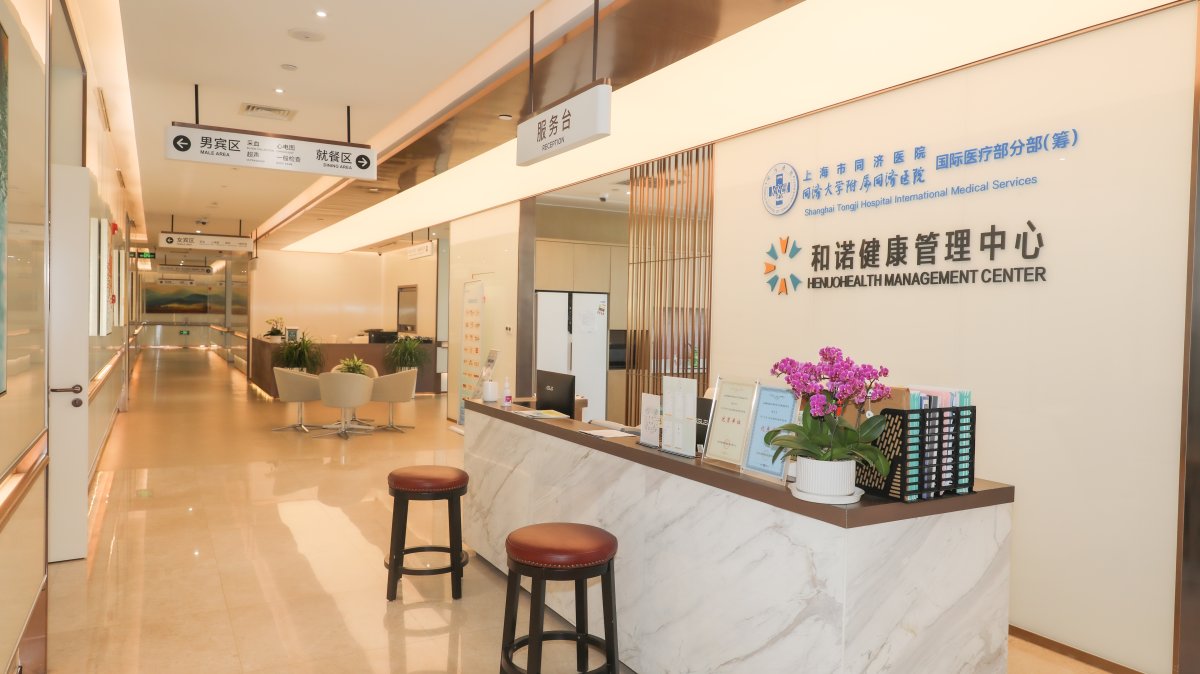
Centro de hematología y terapia celular Shanghai Tongji Hospital
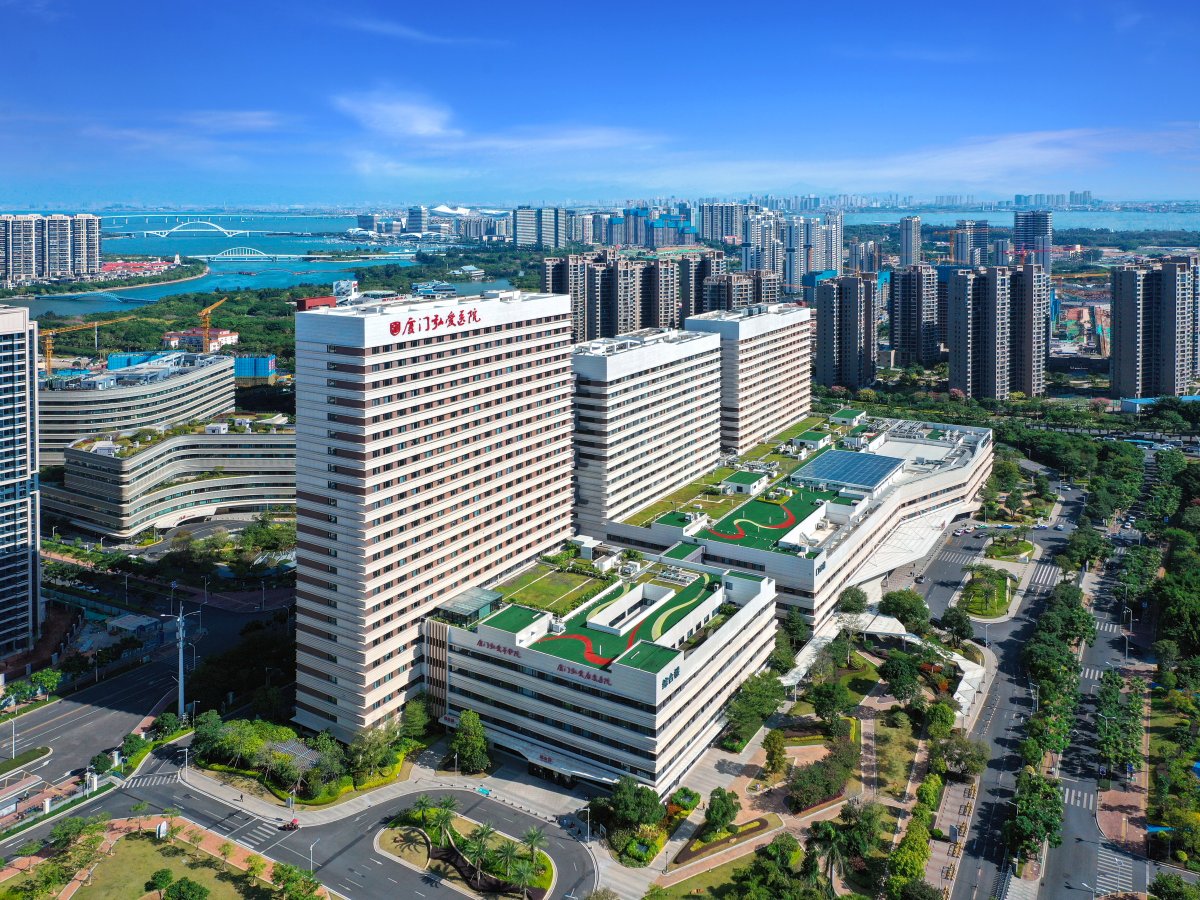
Hospital Xiamen Humanity

Fuda Cancer Hospital


Los mejores centros médicos de Gastroenterología en China
- Hospital Internacional Yanda, China
- Centro de hematología y terapia celular Shanghai Tongji Hospital, China
- Hospital Xiamen Humanity, China
- Fuda Cancer Hospital, China
- Beike Biotechnology, China
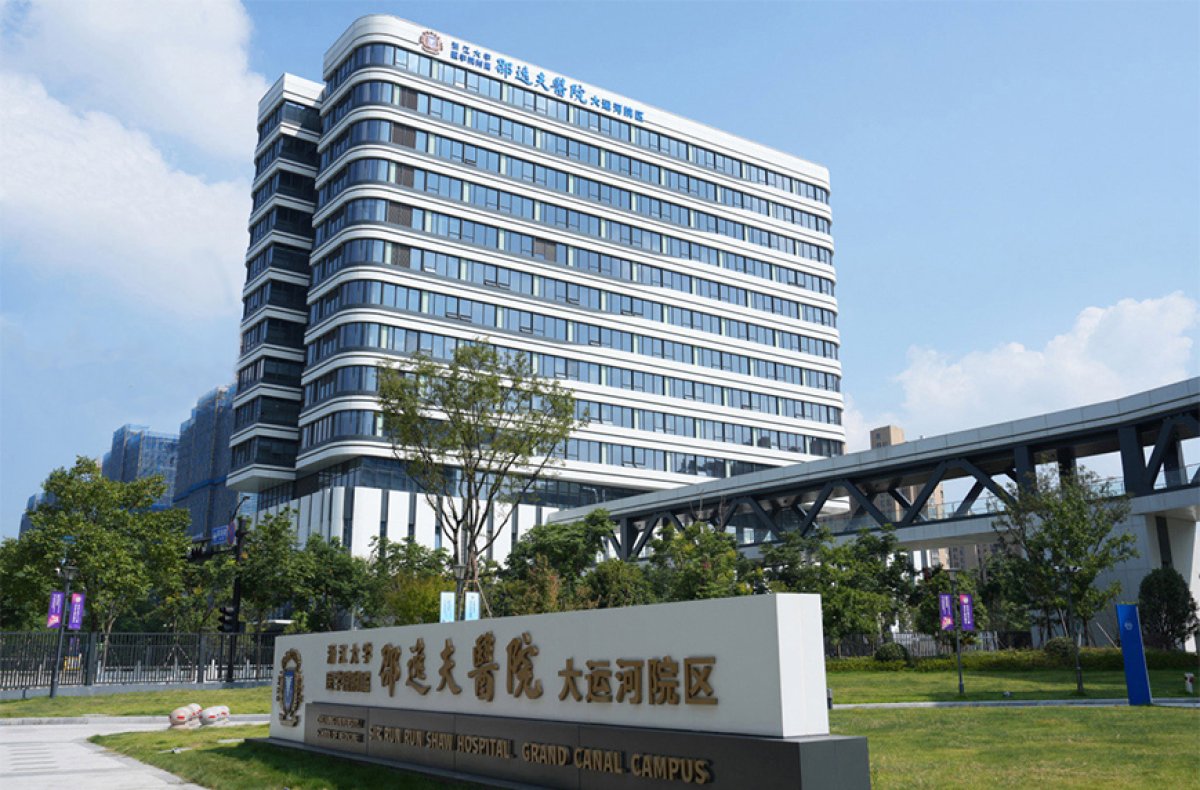
- Sir Run Run Shaw Hospital (SRRSH), China
Obtenga una evaluación médica de Gastroenterología en China: haga una consulta con 28 médicos experimentados ahora
Ver todos los médicos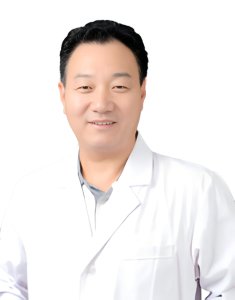
Sun Guangxi
孙冠曦, médico (Ph. D.), especialista en gastroscopia y colonoscopia indoloras. Ha trabajado durante años en los servicios de Gastroenterología y Unidades de Endoscopia de hospitales terciarios de primer nivel del país. Miembro de la Sección de Endoscopia Digestiva de la Asociación Médica China. Ha realizado varios miles de endoscopias digestivas diagnósticas y terapéuticas. Especializado en la detección endoscópica minuciosa y el manejo mínimamente invasivo del cáncer gástrico y colorrectal en
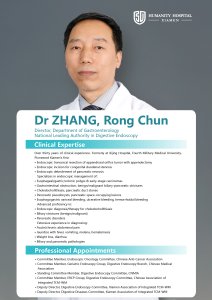
Zhang Rong Chun
El Dr. ZHANG Rong Chun es Director del Departamento de Gastroenterología. Es un destacado experto en endoscopia digestiva, con más de 30 años de experiencia clínica. Anteriormente trabajó en el Hospital Xijing.
Su práctica se centra en la resección endoscópica avanzada de tumores. También trata enfermedades pancreáticas y biliares, cánceres gastrointestinales y afecciones abdominales agudas.
Ocupa cargos profesionales clave: es miembro del comité (Oncología Endoscópica), miembro

Zhang Jian Ping
El Dr. Zhang Jian Ping es Director y médico jefe del Servicio de Cirugía Gastrointestinal. Se especializa en cirugía general y oncología gastrointestinal. Cuenta con 40 años de experiencia quirúrgica y es un experto líder en Jiangsu en oncología gastrointestinal y colorrectal.
Experiencia: Cirugía mínimamente invasiva para tumores gástricos y colorrectales (laparoscópica, endoscópica). Manejo quirúrgico avanzado de la ERGE (enfermedad por reflujo gastroesofágico). Cirugía metabólica y

U Dun Fan
Reseñas
Todas las reseñasCompartir contenido
Historias en video de pacientes de Bookimed
 Olena Sikoza
Preguntas frecuentes sobre Gastroenterología en China
¿Qué hospitales de China son los mejores para pacientes internacionales con enfermedades gastrointestinales?
Entre los mejores hospitales de China para gastroenterología internacional se encuentran instituciones acreditadas por la JCI, como el Hospital Internacional de Yanda, y centros especializados, como el Hospital de Humanidades de Xiamen. Estas instituciones ofrecen técnicas avanzadas de resección endoscópica de tumores, terapia con NanoKnife y tratamiento pancreático. La mayoría cuenta con personal que habla inglés y departamentos internacionales dedicados a la atención de pacientes extranjeros.
- Acreditación hospitalaria: El Hospital Internacional Janda cuenta con la acreditación JCI y atiende a 2.500.000 pacientes anualmente.
- Experto destacado: El Dr. Zhang Rong Chun, del Hospital Humanitario de Xiamen, cuenta con más de 30 años de experiencia.
- Tecnología avanzada: El Hospital Oncológico Fuda se especializa en criocirugía y terapia intervencionista vascular para el cáncer gastrointestinal.
- Capacidad de atención al paciente: El Hospital Humanitario de Xiamen cuenta con 47 departamentos y ofrece procedimientos oncológicos endoscópicos complejos.
Opinión de expertos de Bookimed: Los datos muestran una clara tendencia: los gastroenterólogos de primer nivel, como el Dr. Zhang Rong Chun, suelen trasladarse de prestigiosos hospitales militares estatales a modernos centros privados o sin ánimo de lucro. Estos médicos aportan décadas de experienci
¿Cómo se utiliza la Medicina Tradicional China (MTC) para tratar los problemas digestivos?
La medicina tradicional china (MTC) trata los problemas digestivos equilibrando las disfunciones del bazo y el estómago. Los profesionales utilizan acupuntura y fórmulas herbales personalizadas para restaurar el fuego digestivo. Estas terapias buscan regular la motilidad intestinal y reducir la inflamación. Las clínicas suelen combinar la MTC con métodos de diagnóstico modernos para brindar una atención integral.
- Enfoque terapéutico: Restablecer el flujo armonioso del Qi a través del bazo y el hígado.
- Herboristería: Utilización de ingredientes como el jengibre, las bayas de espino blanco y el regaliz para armonizar la digestión.
- Puntos de acupuntura: Estimular los puntos ST36 y CV12 para mejorar la motilidad y reducir el reflujo ácido.
- Recomendaciones dietéticas: Prefiera los alimentos calientes a los crudos o fríos para evitar la humedad.
- Atención integral: Combinación de enfoques tradicionales con protocolos internacionales en instituciones acreditadas por la JCI, como el Hospital Internacional Janda.
Opinión experta de Bookimed: Los hospitales de primera categoría (Clase III) de China suelen integrar la medicina tradicional china (MTC) directamente en sus departamentos de gastroenterología occidental. Especialistas como el Dr. Zhang Rong Chun del Hospital Humanity de Xiamen utilizan endoscopia avanzada junto c
¿Qué puedo esperar de una colonoscopia en China?
La colonoscopia en China es un procedimiento ambulatorio eficiente que suele durar entre 15 y 60 minutos. Los pacientes pueden elegir entre los servicios públicos básicos y las unidades VIP en hospitales acreditados por la JCI, como el Hospital Internacional de Yanda. La sedación suele ser opcional. Debe confirmar su preferencia de anestesia antes de su cita.
- Experiencia: El Dr. Zhang Rong Chun, del Hospital Humanitario de Xiamen, cuenta con más de 30 años de experiencia.
- Acreditación: Instituciones de primer nivel como el Hospital Internacional Janda y el Hospital Oncológico Fuda cuentan con la acreditación JCI.
- Nivel clínico: El Hospital Internacional Yanda es un hospital de Clase A Nivel III, que es la clasificación más alta en China.
- Intervenciones el mismo día: Los médicos suelen extirpar pólipos o tomar biopsias durante el procedimiento de diagnóstico inicial.
La perspectiva de un experto de Bookimed: Los centros de alto volumen en Pekín y Guangzhou ofrecen una ventaja particular para casos complejos. El Hospital Internacional Yanda atiende a 2.500.000 pacientes al año. Este enorme volumen garantiza la presencia de médicos altamente cualificados para identificar problemas gastrointestinales poco frecuentes. Elegir estos hospitales terciarios de alto volumen suele proporcionar un mejor acceso a tecnologías de vanguardia, como la rese
¿Qué tratamiento se recomienda para la diarrea del viajero?
El tratamiento recomendado para la diarrea del viajero en China se centra en la rehidratación intensiva y el alivio sintomático. La mayoría de los casos se resuelven en 5 días con soluciones de rehidratación oral. Los síntomas moderados requieren loperamida. Los casos graves acompañados de fiebre o presencia de sangre pueden requerir antibióticos como la azitromicina bajo supervisión médica.
- Reposición de líquidos: Beba agua embotellada o soluciones de rehidratación oral que cumplan con los estándares de la Organización Mundial de la Salud.
- Alivio sintomático: Utilice loperamida en casos leves sin fiebre ni heces con sangre.
- Tratamiento con antibióticos: La azitromicina es el tratamiento de elección para las infecciones bacterianas graves en Asia.
- Atención especializada: Si presenta fiebre alta o vómitos persistentes, acuda a centros acreditados por la JCI.
Opinión experta de Bookimed: Los hospitales chinos de primer nivel, como el Hospital Internacional Yanda, combinan protocolos internacionales con métodos tradicionales. Esto suele significar que los pacientes tienen acceso tanto a fármacos occidentales modernos como a diagnósticos a base de hierbas. Este sistema dual puede proporcionar un alivio más rápido de los trastornos digestivos que los tratamientos estándar solo con antibióticos.
Consenso de los pacientes:
¿Cómo se tratan las enfermedades crónicas como el reflujo gastroesofágico o la enfermedad inflamatoria intestinal?
En China, las enfermedades crónicas como el reflujo gastroesofágico (ERGE) y la enfermedad inflamatoria intestinal (EII) se tratan mediante protocolos integrados que combinan la medicina occidental con métodos tradicionales chinos. Los planes de tratamiento priorizan las modificaciones del estilo de vida y los medicamentos específicos. Instituciones especializadas, como el Hospital Internacional de Yanda, utilizan estándares acreditados por la JCI para el manejo de casos complejos. Los diagnósticos modernos, incluida la endoscopia, ayudan a monitorizar la cicatrización de la mucosa y la inflamación.
- Estrategia de tratamiento farmacológico: Los médicos priorizan los inhibidores de la bomba de protones (IBP) y los bloqueadores de ácido competitivos del potasio para la ERGE.
- Fármacos biológicos para la EII: En casos graves, en los centros urbanos se suelen utilizar anticuerpos monoclonales como infliximab o adalimumab.
- Especialización: El Dr. Zhang Rong Chun, del Hospital Humanitario de Xiamen, está especializado en endoscopia digestiva avanzada.
- Tratamiento integral: Los hospitales de primera categoría (Clase A) suelen combinar protocolos internacionales con fórmulas herbales tradicionales.
Opinión experta de Bookimed: Los hospitales de primer nivel en China, como el Hospital Internacional Yanda, que atiende a 2.500.000 pacientes anualmente
¿Cuáles son los diagnósticos más comunes en los departamentos de gastroenterología de los hospitales terciarios chinos?
Los hospitales terciarios en China tratan principalmente pólipos colorrectales, cirrosis y tumores gástricos y duodenales. Estas instituciones de alto nivel (Clase A/Nivel III), como el Hospital Internacional de Yanda, registran más de 3300 hospitalizaciones anuales relacionadas con patologías gastrointestinales. Los departamentos más destacados se centran en las complicaciones de la hepatitis B y las resecciones endoscópicas de tumores.
- Neoplasias colorrectales: Representan el 17,7% de todas las hospitalizaciones en los departamentos de gastroenterología de tercer nivel.
- Cirrosis hepática: Esta afección representa el 6,3% de los casos y suele estar asociada a la hepatitis B crónica.
- Hemorragia gastrointestinal: Se trata de una afección de alta prioridad con tasas de hospitalización cada vez mayores en las principales ciudades.
- Trastornos funcionales: Las clínicas atienden 3,9 millones de nuevos casos de enfermedad por reflujo gastroesofágico (ERGE) en todo el país cada año.
Opinión de expertos de Bookimed: El volumen de práctica clínica suele determinar el nivel de especialización diagnóstica en China. Por ejemplo, el Hospital Humanitario de Xiamen cuenta con 47 departamentos y se especializa en ensayos clínicos de fármacos, desde la fase primaria hasta la fase IV. Este alto volumen permite a médicos como el Dr. Zhang Rong Chun acumular