











Ir a inicio
820К+ pacientes han recibido asistencia desde 2014
50 países
1,500 clínicas
6K+ reseñas
3K+ médicos calificados

¿Cuál es el precio de procedimientos de Cirugía en México? Descubra ahora

El precio se proporciona bajo petición
Datos verificados por Bookimed a partir de June 2026, basados en solicitudes de pacientes y cotizaciones oficiales de 42 clínicas en todo el mundo. Los costos medianos se basan en facturas reales (2025–2026) y se actualizan mensualmente. Los precios reales pueden variar.

Sus beneficios y garantías con Bookimed

Precios directos

Bookimed no añade cargos extra a los precios de los tratamientos de Cirugía. Las tarifas proceden de las listas de precios oficiales de las clínicas. Pagará directamente en la clínica por su tratamiento a su llegada al país.

Sólo clínicas y médicos verificados

Bookimed está comprometido con su seguridad. Solo trabajamos con las clínicas que mantienen altos estándares internacionales en el tratamiento de Cirugía y tienen las licencias necesarias para atender a pacientes internacionales en todo el mundo.

Asistencia 24/7 gratuita

Bookimed ofrece asistencia experta gratuita. Un coordinador médico personal le apoya antes, durante y después del tratamiento, resolviendo cualquier problema. Nunca estará solo en su viaje médico de procedimientos de Cirugía.

¿Por qué nosotros?

Su coordinador médico personal de Bookimed

  • Le apoya en cada etapa
  • Ayuda a elegir la clínica y el médico adecuados
  • Asegura un acceso rápido y conveniente a la información

Descubra las mejores clínicas de Cirugía en México: 42 opciones verificadas y Precios

El ranking de clínicas de Bookimed se basa en algoritmos de data science, ofreciendo una comparación confiable, transparente y objetiva. Tiene en cuenta la demanda de pacientes, las puntuaciones de reseñas (positivas y negativas), la frecuencia de actualización de opciones de tratamiento y precios, la rapidez de respuesta y las certificaciones de las clínicas.
Consulta privada del Dr. Enrique Pliego
Hospital de la Familia
Galenia Hospital
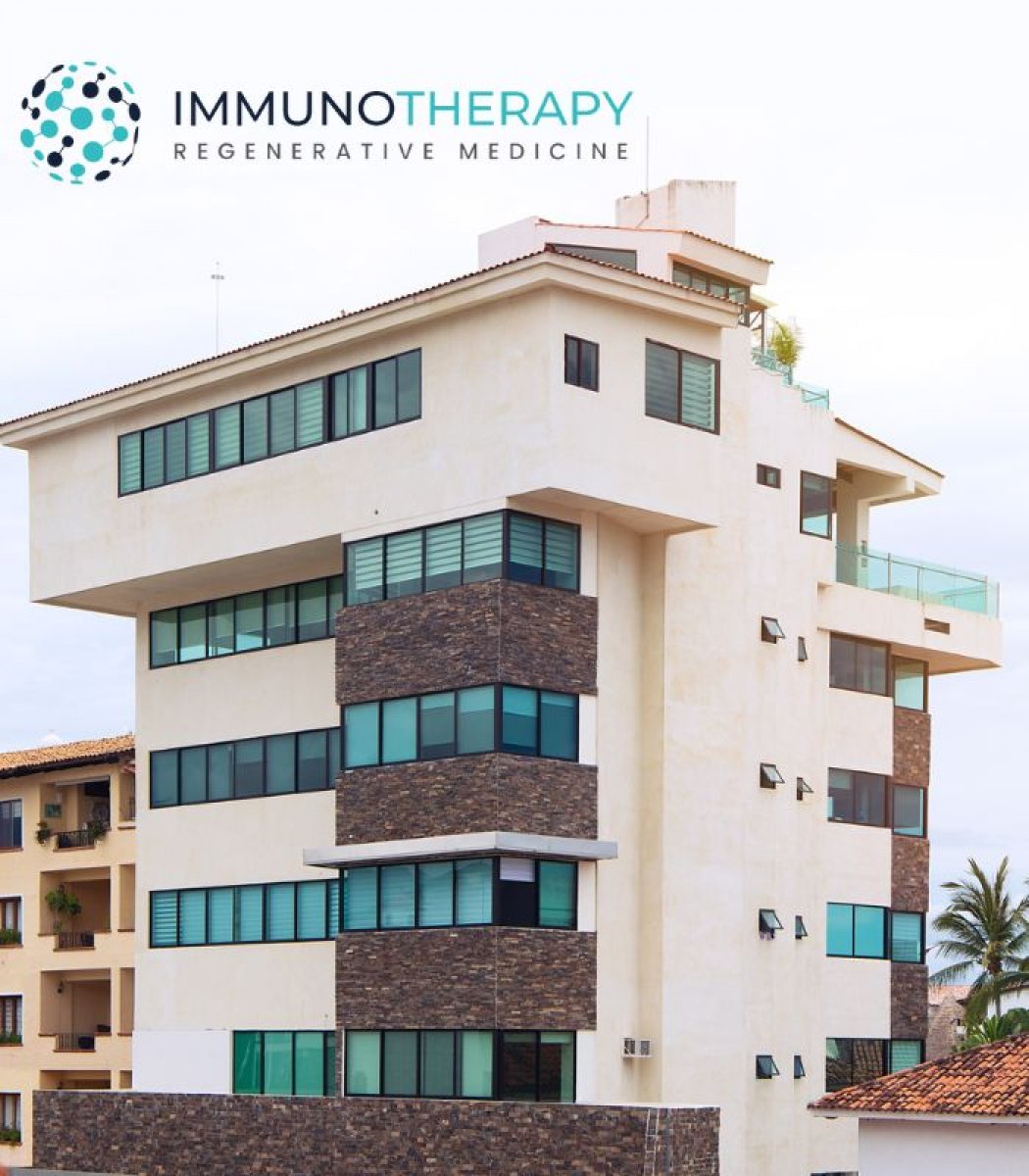
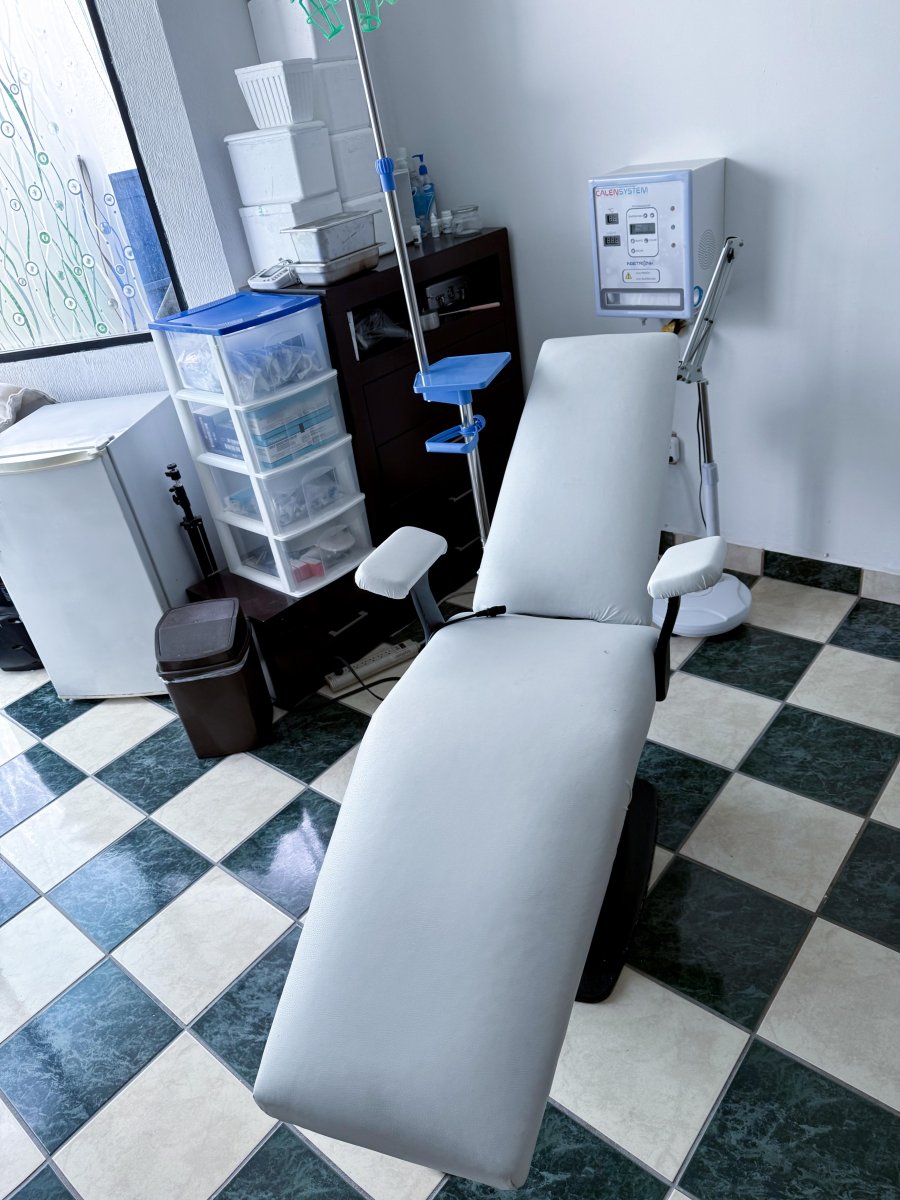
Immunotherapy Regenerative Medicine
5.03 reseñas
Precio a consultar
Más información
Hospital Cyntar Tijuana
5.05 reseñas
Precio a consultar
Más información
Ha visto 5 de 42 clínicas

Los mejores centros médicos de Cirugía en México

  • Consulta privada del Dr. Enrique Pliego, México
  • Hospital de la Familia, México
  • Galenia Hospital, México
  • Immunotherapy Regenerative Medicine, México
  • Hospital Cyntar Tijuana, México

Obtenga una evaluación médica de Cirugía en México: haga una consulta con 14 médicos experimentados ahora

Ver todos los médicos
verificado

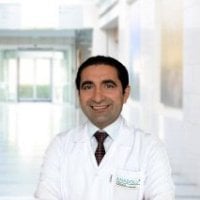
Enrique Pliego Esquivel

10 años de experiencia

Más de 900 procedimientos bariátricos en más de 8 años: el Dr. Enrique Pliego es uno de los pocos cirujanos bariátricos certificados por la ASMBS en México.

  • Doble certificación por el Consejo Mexicano de Cirugía de Obesidad y el Colegio Mexicano de Cirugía General
  • Se especializa en reparación de hernias relacionadas con la obesidad y complicaciones posquirúrgicas
  • Se enfoca en la atención personalizada para el manejo de la diabetes y la hipertensión
  • Trata el reflujo gastroesofágico con soluciones quirúrgicas a medida
verificado

Rodrigo Prieto Aldape

18 años de experiencia

Más de 3,500 procedimientos bariátricos exitosos: el Dr. Prieto Aldape se especializa en pérdida de peso transformadora y cirugía metabólica en su centro de Guadalajara.

  • Certificado en Cirugía General y Bariátrica
  • Jefe de la Unidad de Cirugía Bariátrica del Hospital Civil de Guadalajara
  • Presidente del Colegio de Cirujanos Generales de Jalisco
  • Se enfoca en atención multidisciplinaria y protocolos de recuperación mejorada
  • Investigador publicado con ocho estudios revisados por pares sobre el tratamiento de la obesidad
verificado

Ariel Ortiz Largadere

30 años de experiencia

El Dr. Ariel Ortiz Largadere es cirujano bariátrico y metabólico. Fundó el Hospital CYNTAR en Tijuana. El hospital se centra en cirugía avanzada mínimamente invasiva y robótica y en la atención de pacientes internacionales. Dirige el Obesity Control Center, especializado en cirugía bariátrica y metabólica. También encabeza el Ariel Center de cirugía cosmética y estética.

Dirige la Academia de Innovación Quirúrgica. Forma a cirujanos en cirugía mínimamente invasiva y robótica en toda América Latina. A través del IIMM y UC San Diego (UCSD), impulsa la investigación y la atención de alto volumen basada en guías. Una colaboración con UCSD analizó 19,801 procedimientos bariátricos durante 20 años y reportó 1.2% de morbilidad y cero mortalidad.

Contribuye a la educación quirúrgica global a través del International Bariatric Club. Desarrolla sistemas de salud transfronterizos que vinculan la atención clínica, la tecnología, la educación, la investigación y el acceso global.

verificado

Arturo Martinez

30 años de experiencia

El Dr. Arturo Martínez es cirujano general, formado en el Centro Médico Nacional de Especialidades "La Raza" (IMSS). El programa está reconocido por la UNAM. Tiene 20 años de experiencia en cirugía para la pérdida de peso. Cuenta con certificación del Consejo Mexicano de Cirugía General y del Colegio Mexicano de Cirugía Bariátrica y Metabólica. Asimismo, posee la distinción de Surgical Review Corporation (SRC) como Cirujano de Excelencia en Cirugía Bariátrica.

Realizó posgrado en Cirugía Laparoscópica Avanzada y Bariátrica en el Hospital Ramón y Cajal de Madrid. Desde 2001, está afiliado al Centro de Control de Obesidad (Cyntar). Es profesor adjunto en la UABC. También es conferencista y autor publicado. Ha participado en cirugías en vivo en congresos bariátricos internacionales.

Jason • Eliminación de lipomas
Estados Unidos
8 jun 2025
Reseña verificada.
El equipo médico era estupendo
El equipo médico fue estupendo, el hospital de primera. El Dr. Pliego estuvo disponible en línea durante todo el proceso (tanto antes como después de la cirugía) y la cirugía se desarrolló sin problemas.
Acerca del servicio de Bookimed
Agradecí la rapidez con la que respondieron a las preguntas, tanto médicas como relacionadas con el viaje, durante todo el proceso.
Reseña anónima • Reparación de hernia umbilical
Estados Unidos
19 ene 2026
Reseña verificada.
Realmente aprecié el cuidado y la atención que el Dr
Aprecié mucho el cuidado y la atención que el Dr. Enrique Pliego y su equipo me brindaron durante mi cirugía. La experiencia fue muy profesional y me sentí muy bien atendida durante todo el proceso. Gracias.
David Wright • Hernia inguinal
Canadá
9 nov 2025
Reseña verificada.
El trato con el médico fue excelente, al igual que con el resto del personal
El trato del médico fue excelente, al igual que el resto del personal. We would definitely come again.
Doctor Yussef Flores
Comunicación con Bookimed
Acerca del servicio de Bookimed
Fue muy fácil. Carlo y Neila fueron muy receptivos

Compartir contenido

Historias en video de pacientes de Bookimed

Dayana
Combiné mis vacaciones en Antalya con un chequeo médico.
Procedimiento: Chequeo femenino
Igor
¡Fue genial! Traslados, alojamiento, tratamiento, todo incluido.
Procedimiento: Implante dental
Clínica: WestDent Clinic
Marina
Bookimed se encargó de todo. No tuve que preocuparme por nada.
Procedimiento: Chequeo femenino
Actualizado: 01/19/2026
Escrito por
Olena Sikoza
Olena Sikoza
Сopywriter en español
Copywriter médica certificada responsable del contenido en español de Bookimed. Más de 7 años de experiencia en redacción sobre salud y turismo médico, con formación académica en edición científica y desarrollo de contenidos.
Abdulcabbar Kartal
Cirujano colorectal
El Prof. Asociado Dr. Abdulcabbar Kartal es cirujano colorrectal y general, especializado en HIPEC y cirugía bariátrica. Está certificado por la Sociedad Europea de Coloproctología (FEBS-C) y ha realizado más de 500 cirugías bariátricas.
Esta página puede incluir información relacionada con diversas afecciones médicas, tratamientos y servicios de salud disponibles en diferentes países. Tenga en cuenta que el contenido se proporciona sólo con fines informativos y no debe interpretarse como asesoramiento médico o orientación. Por favor consulte con su médico o con un profesional médico calificado antes de comenzar o cambiar el tratamiento médico.

Descargo de responsabilidad médica: Este artículo es solo con fines informativos y no constituye asesoramiento médico. Consulte siempre con un proveedor de atención médica calificado antes de tomar decisiones médicas. Los resultados pueden variar. Lea el descargo de responsabilidad completo

Pasar por el quirófano en México: por qué la gente se opera en el extranjero y cuánto cuesta

Según un estudio reciente, aproximadamente 1,4 millones de estadounidenses viajaron fuera de los EE. UU. para recibir atención médica en 2017, frente a los 700 000 en 2007. Los procedimientos más populares que se realizan en el extranjero son las cirugías estéticas, seguidas por el trabajo dental y la cirugía para bajar de peso. Entonces, ¿por qué la gente va a México para operarse? En resumen, es porque pueden ahorrar mucho dinero.

¿Cuánto cuesta la cirugía en México?

El costo promedio de un estiramiento facial en los EE. UU. es de $7700, mientras que el costo promedio en México es de solo $2500. El costo promedio de una abdominoplastia en los EE. UU. es de $6200, mientras que el costo promedio en México es de $3900. Y la lista continúa; los implantes mamarios, por ejemplo, cuestan un promedio de $ 5,000 en México en comparación con $ 10,000 en los EE. UU.

Por supuesto, estos son solo promedios; los precios variarán según el procedimiento específico que le interese y el cirujano que elija. Pero una cosa es segura: ahorrará dinero al hacerse la cirugía en México.

¿Es seguro hacerse una cirugía en México?

En resumen, sí, siempre que investigue y elija un cirujano de confianza. Ha habido casos de "turismo de cirugía" que salió mal, pero estas historias aparecen en los titulares precisamente porque son muy raras. Cuando compara la cantidad de complicaciones que ocurren durante las cirugías realizadas en México en comparación con las realizadas en los EE. UU., no hay una diferencia estadísticamente significativa. Dicho esto, sigue siendo importante hacer su tarea antes de elegir un cirujano; asegúrese de leer las reseñas y verificar las credenciales para asegurarse de que está tomando la mejor decisión posible para sus necesidades.

Cada año, más y más estadounidenses viajan fuera de los EE. UU. para recibir atención médica, y por una buena razón. Los procedimientos que podrían costar miles de dólares en los Estados Unidos se pueden obtener por una fracción del precio al sur de la frontera. Si bien siempre es importante investigar antes de someterse a cualquier tipo de cirugía, puede estar seguro de que hacerse la cirugía en México es seguro y puede ahorrarle mucho dinero.

Preguntas frecuentes sobre Cirugía en México

Estas preguntas frecuentes provienen de pacientes reales que buscan atención médica a través de Bookimed. Las respuestas son proporcionadas por coordinadores médicos experimentados y representantes autorizados de las clínicas.

Is the quality of care in Mexico the same as in the U.S. or Canada?

Private healthcare in Mexico matches established standards in the U.S. and Canada through JCI-accredited facilities and board-certified specialists. Top hospitals in hubs like Cancun and Tijuana use the same medical technologies and protocols. Many surgeons hold memberships in elite organizations like the American College of Surgeons.

  • Hospital accreditation: Facilities like Galenia Hospital hold JCI accreditation for meeting global safety standards.
  • Surgical expertise: Surgeons often maintain certifications from organizations like the American Society of Plastic Surgeons.
  • Patient volume: High-capacity centers like Galenia Hospital treat over 10,000 international patients every year.
  • Expert experience: Leading specialists like Dr. Rodrigo Prieto Aldape have performed 3,500+ successful surgeries.

Bookimed Expert Insight: Data shows that clinics located near the border, such as Hospital de la Familia, prioritize rapid diagnostic turnaround. These boutique facilities often maintain 4.2+ ratings by offering private rooms that feel like hotels. This model allows patients to begin treatment days faster than in Canada's public system.

Patient Consensus: Patients note the bedside manner in Mexico is exceptionally high, with more frequent nurse check-ins. While initial results are often excellent, travelers emphasize the need to arrange local follow-up care before returning home.

How can I verify a surgeon's credentials in Mexico?

Verifying a surgeon in Mexico requires confirming their professional license, known as a Cédula Profesional, through the National Registry of Professionals (SEP). You must also validate board certification through the National Council for Medical Certification (CONACEM) or specialty-specific boards like CMCPER for plastic surgery.

  • License verification: Search the SEP database using the surgeon's full legal name.
  • Board certification: Confirm active status via the CMCPER or CMCOEM official directories.
  • Hospital privileges: Verify the surgeon has operating rights at JCI-accredited facilities like Galenia Hospital.
  • Specialty credentials: Ensure certifications match the procedure, such as ASMBS for bariatric surgery.

Bookimed Expert Insight: High-volume clinics often consolidate top-tier expertise. For instance, Galenia Hospital serves 10,000 patients annually and maintains JCI accreditation. Our data shows that Surgeons like Dr. Rodrigo Prieto Aldape, who has performed 3,500+ procedures, often hold leadership roles in national surgical councils. Choosing a doctor with both high procedure volumes and academic appointments provides an extra layer of verified clinical authority.

Patient Consensus: Patients note it is vital to cross-reference names on official government sites. They also suggest requesting before-and-after photos directly during consultations to ensure the work is authentic.

Is it safe to travel to Mexico for medical care?

Surgery in Mexico is safe when patients choose facilities with CSG or JCI accreditation. Modern hubs like Cancun and Mexicali offer high-quality care. Board-certified surgeons often hold US memberships. Success depends on choosing clinics with verified credentials and established safety protocols.

  • Clinic accreditation: Choose facilities with CSG or JCI certification for global safety standards.
  • Surgeon credentials: Verify doctors through councils like CMCPER or the Mexican Board of Surgery.
  • Safe locations: Stick to medical hubs like Cancun, Tijuana, and Mexicali for better security.
  • Travel planning: Use hospital-provided shuttles and secure transport between the airport and clinic.

Bookimed Expert Insight: Data shows a clear link between clinic volume and patient safety. Multi-specialty centers like Galenia Hospital treat 10,000+ patients annually. These high-volume facilities often invest more in advanced equipment. Meanwhile, boutique clinics like Hospital de la Familia focus on private, personalized care near the border.

Patient Consensus: Patients note that top Mexican hospitals often feel cleaner than those in the US. They suggest flying directly to tourist zones to avoid travel risks and emphasizing the importance of securing US-based follow-up care before departing.

How long should I stay in Mexico after surgery before flying home?

Patients should stay in Mexico for 7 to 14 days after surgery before flying home. This timeframe allows surgeons to monitor healing and manage pain. It significantly reduces the risk of deep vein thrombosis. Most clinics require a travel-ready certificate before departure.

  • Minor procedures: Plan to stay 7 to 10 days for lipoma removal or vasectomy.
  • Major surgery: Recovery for hysterectomy or stomach resection requires at least 14 days.
  • Bariatric care: Initial recovery takes 3 to 5 days before local discharge is possible.
  • Flight safety: Use compression garments and walk every hour on flights over 4 hours.

Bookimed Expert Insight: Data shows a high volume of international patients at clinics like Galenia Hospital choose Mexico for its JCI-accredited standards. Choosing a boutique facility like Hospital de la Familia near the border simplifies logistics. These centers often coordinate local stays that align perfectly with the 10-day safety window for drain removal.

Patient Consensus: Patients note that staying in a recovery house with nurse access is much safer than a solo hotel. One patient shared that flying only 5 days post-op led to unexpected wound bleeding from cabin pressure changes.

Is my U.S. or Canadian medical insurance accepted?

Standard U.S. and Canadian medical insurance is rarely accepted for elective surgery in Mexico. Most domestic plans, including Medicare and Medicaid, categorize international care as out-of-network. Patients should expect to pay for surgical procedures upfront. Some private insurers may reimburse emergency costs only.

  • Payment protocol: Clinics typically require full payment before or upon arrival.
  • Reimbursement reality: Success rates for post-surgical insurance claims are statistically very low.
  • Tax-free options: Health Savings Accounts (HSA) may cover some direct surgical costs.
  • Emergency coverage: Supplemental travel insurance usually excludes elective surgeries and only covers accidents.

Bookimed Expert Insight: High-volume centers like Galenia Hospital or Hospital de la Familia maintain JCI and CSG accreditations to align with international safety standards. While they do not bill U.S. or Canadian insurers directly, their administrative teams are experienced in providing the specific, itemized English-language billing and surgical reports required if you choose to attempt a private insurance appeal or HSA reimbursement later.

Patient Consensus: Patients note that you should budget for the full cost yourself as insurance companies almost always deny international claims. It is essential to keep every receipt and credential document just in case you try to file for a tax deduction or an appeal.

Do I need a special visa for medical tourism?

Most patients do not need a special medical visa for surgery in Mexico. You can typically enter using a standard FMM tourist permit or visa. This allows for stays up to 180 days. This timeframe covers most procedures including bariatric and orthopedic surgeries.

  • Entry permit: Standard FMM permits allow stays for up to 180 days for recovery.
  • Nationality exemptions: US, Canadian, and EU citizens generally receive entry stamps without prior applications.
  • Required documentation: Carry your surgery booking and return flight tickets for immigration verification.
  • Visa-required countries: Travelers from specific regions should apply for a standard visitor visa online.

Bookimed Expert Insight: Our data shows a strategic advantage for patients choosing border clinics. Facilities like Hospital de la Familia in Mexicali or Alice Beauty Clinic in Tijuana sit just steps from the US border. This proximity simplifies logistics for patients who prefer to handle follow-up care without complex long-term visa extensions.

Patient Consensus: Patients note that mentioning general tourism at the border is often smoother than discussing medical plans. Many suggest planning a small buffer of 7 to 14 days within your stay to ensure you are fully cleared for travel after surgery.

Do I need to speak Spanish to communicate with the medical staff?

You do not need to speak Spanish to receive surgical care in Mexico. Leading surgeons in medical hubs like Cancun, Tijuana, and Mexicali often maintain English fluency. Many specialists hold certifications from American boards. Most hospitals provide translation support for nursing care and administrative interactions.

  • Surgeon communication: Many doctors like Dr. Armando Torres possess advanced English for precise consultations.
  • Clinical certifications: JCI-accredited facilities like Galenia Hospital prioritize international communication standards for patients.
  • Geographic advantage: Clinics like Hospital de la Familia sit steps from the US-Mexico border.
  • Multilingual teams: Facilities like Alice Beauty Clinic specifically design services for US and Canadian patients.

Bookimed Expert Insight: Language proficiency often aligns with the medical facility volume and location. Our data shows clinics in Cancun and Mexicali, such as Galenia Hospital, serve up to 10,000 patients annually. These high-volume centers typically employ dedicated bilingual coordinators to bridge communication gaps between English-speaking patients and Spanish-speaking nursing staff.

Patient Consensus: Patients note that while surgeons often speak perfect English, interacting with floor nurses is easier with a translation app. Most find that top-tier facilities catering to international visitors make a Spanish-speaking friend or guide unnecessary for a smooth stay.

How can I verify if a Mexican surgeon is qualified?

Verifying a Mexican surgeon requires confirming their legal licenses and board certifications through official government and medical registries. Every qualified doctor must possess a Cédula Profesional for general medicine and a Cédula de Especialidad for their specific surgical field. You can verify these credentials using the surgeon's full name on the National Registry of Professionals (SEP) website.

  • Legal licenses: Verify the Cédula Profesional and Cédula de Especialidad through the SEP registry.
  • Board certification: Confirm active status via CONACEM or specialty boards like CMCPER for plastic surgery.
  • Facility accreditation: Ensure the facility has COFEPRIS sanitary registration or JCI and CSG accreditation.
  • Professional memberships: Check for active standing in associations like AMCPER or the American College of Surgeons.

Bookimed Expert Insight: High-volume surgeons in Mexico often hold international credentials that mirror their local ones. For example, Dr. Enrique Pliego at his private practice is a member of the American Society for Metabolic and Bariatric Surgery. This global alignment, combined with JCI-accredited facilities like Galenia Hospital, provides a double layer of verification that bridges Mexican and international safety standards.

Patient Consensus: Patients emphasize the need to independently verify Cédula numbers instead of relying on clinic website claims. They also suggest bringing a translator to technical consultations to ensure no qualification details are lost in translation.

Are Mexican hospitals as safe as those in the U.S. or Canada?

Top private Mexican hospitals provide safety and quality levels comparable to the U.S. and Canada. Facilities with Joint Commission International (JCI) accreditation meet the global gold standard for patient care. Many specialists complete residencies in the U.S. or Europe to ensure high clinical expertise.

  • Accreditation standards: JCI-accredited centers like Galenia Hospital follow rigorous international safety protocols.
  • Specialized expertise: Surgeons like Dr. Rodrigo Prieto have performed 3,500+ bariatric and metabolic procedures.
  • Clinical certifications: Top doctors hold memberships in the American Society for Metabolic and Bariatric Surgery.
  • Facility capacity: Major centers like Galenia Hospital treat 10,000+ patients annually with dedicated surgical departments.

Bookimed Expert Insight: Our data shows a correlation between patient volume and safety in Mexico. High-volume hubs like Cancun and Tijuana often specialize in specific surgeries. For instance, Alice Beauty Clinic serves 1,200 patients yearly. This repetition builds surgeon expertise that often matches or exceeds North American benchmarks.

Patient Consensus: Patients note that accredited facilities match U.S. technology levels and offer excellent bedside manner. They emphasize the importance of choosing licensed clinics near major tourist hubs to ensure reliable power and professional post-op support.

Is the quality of care comparable?

Surgical care in Mexico is comparable to international standards when performed at accredited facilities. High-quality centers maintain Joint Commission International (JCI) or Consejo de Salubridad General (CSG) certifications. Many surgeons hold U.S. board certifications and use identical medical technologies for complex procedures.

  • Provider credentials: Surgeons like Dr. Rodrigo Prieto Aldape hold multiple international board certifications.
  • Facility standards: Galenia Hospital maintains JCI accreditation, ensuring rigorous patient safety and infrastructure protocols.
  • Advanced technology: Clinics utilize laparoscopic and minimally invasive techniques for hernia and gallbladder surgeries.
  • Specialized expertise: Dr. Oscar Pope Rodriguez has 30+ years of experience across general surgical fields.

Bookimed Expert Insight: Our data shows a strong correlation between high patient ratings and clinics located near the U.S. border or major hubs like Cancún. Facilities like Hospital de la Familia in Mexicali frequently serve international patients, specializing in cross-border care logistics. This volume often leads to more streamlined communication and more private room availability than standard regional hospitals.

Patient Consensus: Patients often find the facilities more modern than expected and appreciate the attentive bedside manner. It is important to confirm English proficiency and verify that the surgeon offers online follow-up care before traveling.

What are the biggest medical risks?

Primary surgical risks in Mexico include surgical site infections, anesthesia complications, and respiratory failure during recovery. Patients also face systemic hazards like medication errors. Selecting JCI-accredited facilities minimizes these dangers. Professional surgical teams prioritize patient safety to prevent harm. Most procedures proceed without complications when performed by certified specialists.

  • Infection control: Facilities using CSG Accreditation standards maintain high sterilization and patient safety protocols.
  • Anesthesia safety: Professional monitoring prevents respiratory failure and managing medication dosages effectively during surgery.
  • Surgical accuracy: Board-certified surgeons like Dr. Rodrigo Prieto Aldape perform 3,500+ successful bariatric procedures.
  • Post-operative care: Hospitals often provide private rooms for intensive monitoring to prevent pulmonary embolisms.

Bookimed Expert Insight: High patient volumes often correlate with better safety outcomes in Mexico. For instance, Galenia Hospital treats 10,000+ patients annually and holds JCI accreditation. Large-scale facilities typically invest more in advanced monitoring equipment and specialized staff training. This infrastructure significantly reduces the likelihood of diagnostic and medication errors compared to smaller, unaccredited clinics.

Patient Consensus: Patients note it's important to check for international accreditations like JCI to avoid issues like poor hygiene. They emphasize that while many have smooth experiences, budgeting for medical travel insurance provides extra peace of mind.

How long should I stay in Mexico after surgery before flying home?

Most patients should stay in Mexico for 7 to 14 days after surgery before flying home. This period allows surgeons to monitor initial healing and manage pain. It also ensures the safe removal of any necessary sutures or medical drains. Procedures like a hysterectomy or stomach resection require specialized oversight.

  • Minor surgery: Stay 1 to 7 days for laparoscopic procedures or simple hernia repairs.
  • Major abdominal: Plan 10+ days to avoid risks from gas expansion at high altitudes.
  • Orthopedic care: Wait 4 weeks for joint replacements to prevent serious blood clots.
  • Weight loss: Bariatric patients typically stay 7 to 10 days for essential post-op checks.

Bookimed Expert Insight: High-volume centers in Cancun and Mexicali, like Galenia Hospital or Hospital de la Familia, prioritize post-op proximity. These facilities often sit within minutes of specialized recovery hotels. Staying locally for 10 days ensures you can access your original surgical team if swelling or pressure-related issues arise after the first week.

Patient Consensus: Patients emphasize staying at least 10 days for complex procedures to avoid 'elephant face' swelling from cabin pressure. Many suggest booking a recovery hotel near the clinic to ensure easy access for final check-ups before heading to the airport.

Will my U.S. health insurance cover complications after I return?

U.S. health insurance rarely covers complications from planned surgeries in Mexico. Most domestic policies explicitly exclude elective procedures performed abroad. Coverage usually applies only to emergency stabilization. You should verify specific exclusions regarding downstream medical needs with your provider before traveling for treatment.

  • Policy exclusions: Most plans deny care linked to elective surgery outside the U.S.
  • ERISA plans: These often contain strict contractual denials for any international medical complications.
  • Emergency care: Insurers may cover initial stabilization but refuse ongoing revision or follow-up.
  • Coding impact: Claims success often depends on whether providers code issues as new acute events.

Bookimed Expert Insight: Our data shows a trend where high-volume centers, like Galenia Hospital which serves 10,000+ patients annually, maintain JCI accreditation to align with international safety standards. Patients often choose these accredited facilities because their structured medical records make it easier for U.S. doctors to evaluate any post-return concerns. While this doesn't guarantee insurance coverage, having detailed surgical reports from a JCI-accredited site is vital if you need to appeal a claim denial.

Patient Consensus: Patients note that while emergency rooms might stabilize a post-op infection, insurers often reject follow-up surgical costs. Many recommend keeping every original record because U.S. doctors need precise details to treat any issues that arise later.

How is follow-up care handled once I'm back home?

Post-surgical follow-up in Mexico involves a structured discharge plan combining digital monitoring and local care. Surgeons often use daily WhatsApp photo check-ins and video consultations for the first 2 weeks. This ensures wound healing and medication compliance from your home country.

  • Digital monitoring: Surgeons like Dr. Enrique Pliego provide continuous online communication for post-surgery oversight.
  • Wound care: Most clinics provide take-home kits including necessary pain medications and antibiotics.
  • Local coordination: Patients typically visit a local primary physician for stitch removal around day 10.
  • Activity protocols: Recovery follows specific PDF guides for compression garments and restricted physical movement.

Bookimed Expert Insight: Clinics prioritizing international patients, such as Galenia Hospital or Hospital de la Familia, often use enhanced recovery protocols. Our data shows that centers with JCI accreditation typically offer more detailed digital records. Having these digital files ready avoids delays when sharing surgical details with your local doctors at home.

Patient Consensus: Patients note it is helpful to buy extra medical supplies in Mexico to avoid high costs later. They also emphasize that sharing daily photos via video calls helps catch minor issues before they become serious.

Todo el contenido médico de esta página está elaborado por autores con formación médica especializada y revisado por médicos certificados en el campo correspondiente. Revisión médica por Abdulcabbar Kartal, Cirujano colorectal.

Última actualización: June, 2026.

  • Estadísticas: Las cifras se basan en la base de datos interna de Bookimed de June 2026, que incluye el análisis de solicitudes de 12,450 pacientes en 42 clínicas acreditadas en México.
  • Precios: La información sobre los costes es proporcionada directamente por las clínicas asociadas de Bookimed y se actualiza regularmente para reflejar las condiciones actuales del mercado en 2026. Los gastos reales pueden variar según la complejidad del caso, la experiencia del cirujano y la ubicación de la clínica.
  • Datos clínicos: Los resultados de los tratamientos y los índices de satisfacción de los pacientes se recopilan de la base de datos verificada de clínicas de Bookimed y se respaldan con datos de fuentes médicas revisadas por pares como PubMed, The Lancet, JAMA y NEJM (2023–2026).

Todos los datos se proporcionan sólo con fines informativos generales y pueden no reflejar resultados o experiencias individuales.

Pedir una consulta gratis

Seleccione la mejor manera de contactarle