Cirugía en Austria: las 7 mejores clínicas con opiniones de pacientes

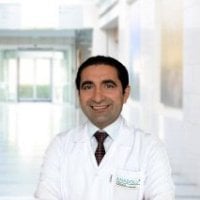
Revisado médicamente por
Abdulcabbar Kartal
¿Cuál es el precio de procedimientos de Cirugía en Austria? Descubra ahora
El costo de la cirugía en Austria suele oscilar entre $15,400 y $34,100. Los precios finales dependen de la complejidad del procedimiento, la duración de la estancia hospitalaria y si se utiliza asistencia robótica. Los pacientes que vienen de los Estados Unidos pueden esperar ahorros del 30 al 50% en comparación con los precios de la atención médica privada en los EE. UU.
Costos típicos de cirugía en Austria
- Consulta con un cirujano: de $140
- Circuncisión: Precio a consultar
- Extirpación de lipoma: Precio a consultar
- Histerectomía (extirpación del útero): Precio a consultar
- Cirugía de hernia inguinal: Precio a consultar
- Miomectomía (extirpación de fibromas uterinos): $6,200 – $9,500
- Vasectomía: Precio a consultar
- Resección estomacal: $17,500 – $25,500
- Colocación de implante coclear: $30,000 – $43,000
- Prótesis testicular: Precio a consultar
La mayoría de los centros quirúrgicos privados se encuentran en Viena, Salzburgo e Innsbruck. Si bien la calidad sigue siendo constante en todo el país, Viena suele albergar las clínicas más especializadas. Consulte con un especialista para obtener precios precisos adaptados a sus necesidades médicas y diagnóstico específicos.
| Austria | España | Turquía | |
|---|---|---|---|
| Resección del intestino delgado | ≈ $25,000 | de $14,300 | de $6,500 |
| Resección de vesícula biliar | ≈ $7,200 | de $10,700 | de $3,000 |
| Resección de estómago | ≈ $17,500 | de $20,000 | de $3,100 |
| Reparación de hernia umbilical | ≈ $3,200 | de $6,200 | de $3,300 |
| Nefrectomía | ≈ $14,500 | de $17,700 | de $6,600 |
Todas las enfermedades de Cirugía
Sus beneficios y garantías con Bookimed
Precios directos
Bookimed no añade cargos extra a los precios de los tratamientos de Cirugía. Las tarifas proceden de las listas de precios oficiales de las clínicas. Pagará directamente en la clínica por su tratamiento a su llegada al país.
Sólo clínicas y médicos verificados
Bookimed está comprometido con su seguridad. Solo trabajamos con las clínicas que mantienen altos estándares internacionales en el tratamiento de Cirugía y tienen las licencias necesarias para atender a pacientes internacionales en todo el mundo.
Asistencia 24/7 gratuita
Bookimed ofrece asistencia experta gratuita. Un coordinador médico personal le apoya antes, durante y después del tratamiento, resolviendo cualquier problema. Nunca estará solo en su viaje médico de procedimientos de Cirugía.

Su coordinador médico personal de Bookimed
- Le apoya en cada etapa
- Ayuda a elegir la clínica y el médico adecuados
- Asegura un acceso rápido y conveniente a la información
Descubra las mejores clínicas de Cirugía en Austria: 7 opciones verificadas y Precios




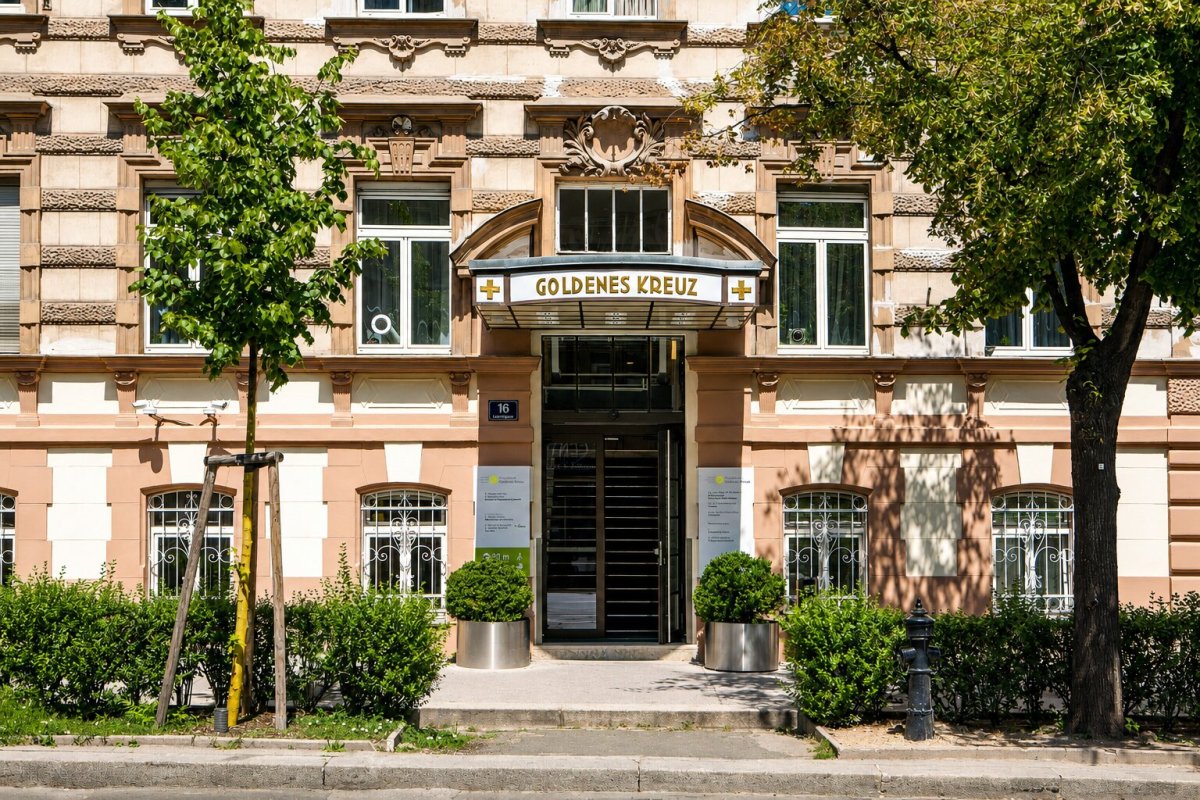
Confraternitaet & Goldenes Kreuz Private Hospital





Clínica Privada Leech

Los mejores centros médicos de Cirugía en Austria
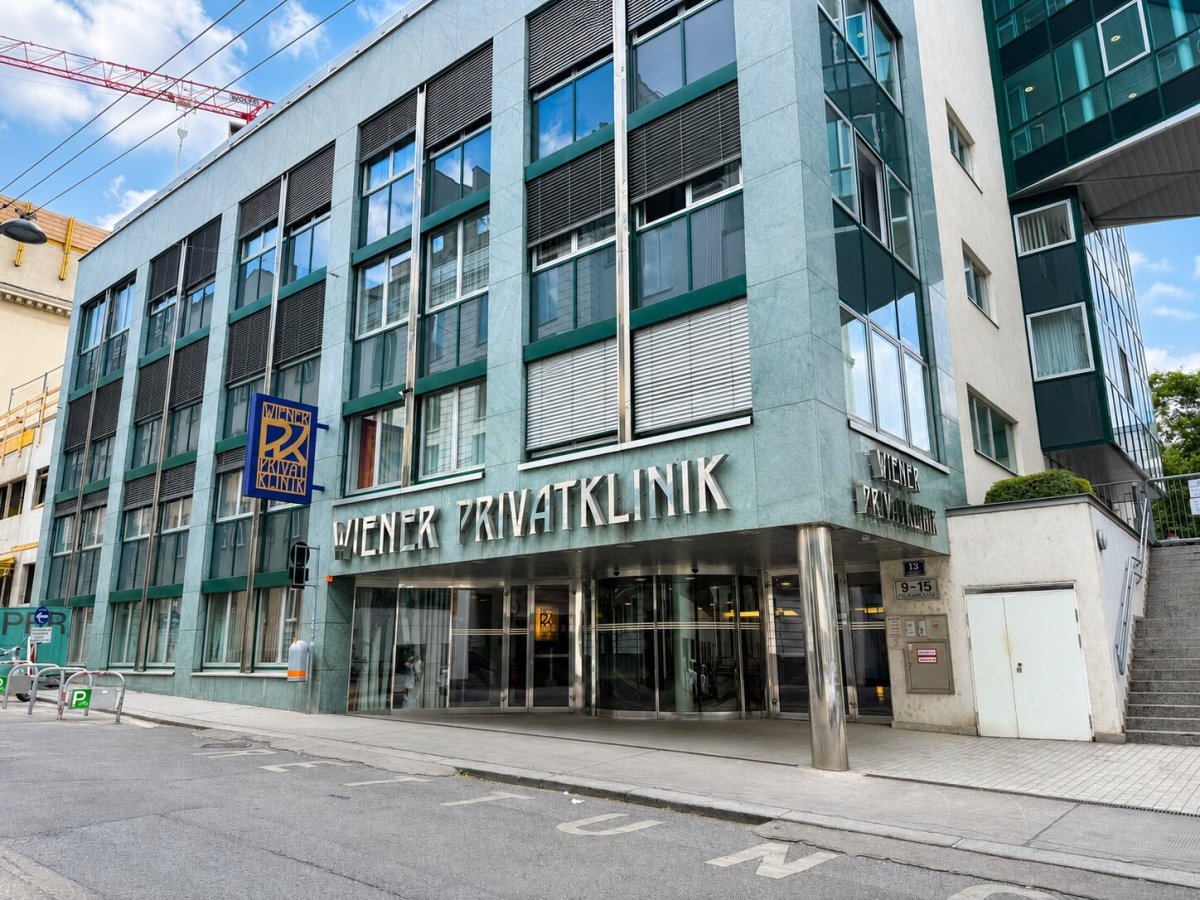
- Clínica privada Wiener (Wiener Privatklinik), Austria
- Confraternitaet & Goldenes Kreuz Private Hospital, Austria
- Döbling Private Clinic, Austria
- Vienna General Hospital, Austria
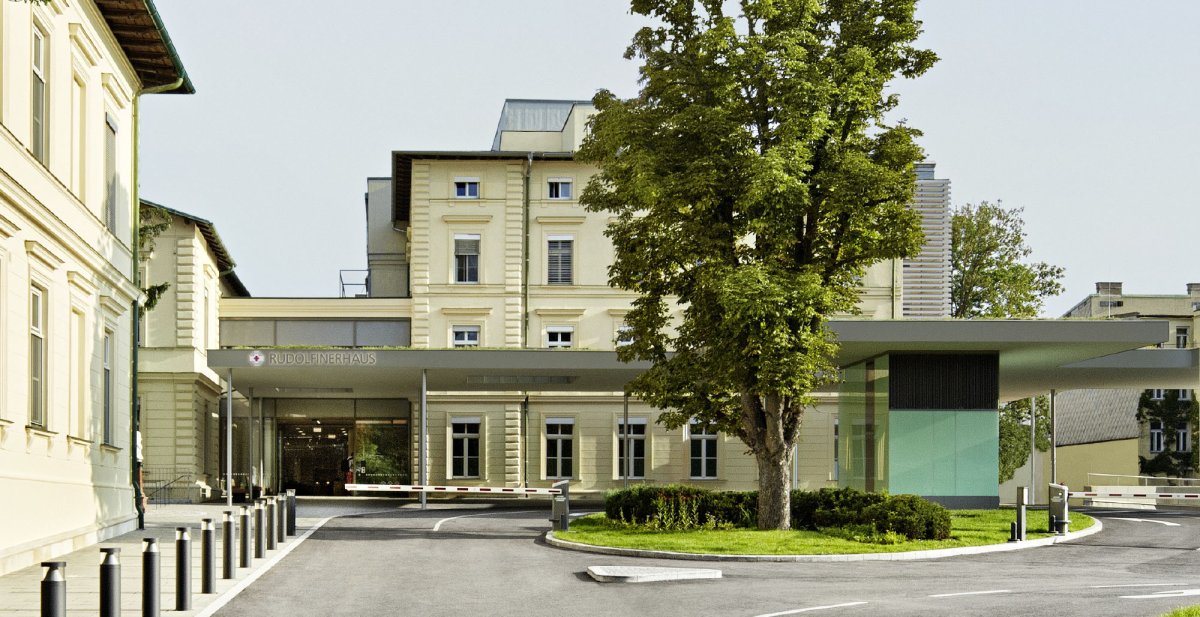
- Rudolfinerhaus, Austria
- Clínica Privada Leech, Austria
- Armona Medical Alpinresort, Austria
Obtenga una evaluación médica de Cirugía en Austria: haga una consulta con 21 médicos experimentados ahora
Ver todos los médicos
Harald Rosen
Más de 30 años de especialización en cirugías endoscópicas mínimamente invasivas: el Dr. Rosen combina la cirugía de precisión con una profunda experiencia en gastroenterología en la Wiener Privatklinik.
- Experto en endoscopia diagnóstica y terapéutica para trastornos digestivos
- Realiza resecciones endoscópicas avanzadas para cánceres gastrointestinales
- Pionero en métodos menos invasivos para reducir los tiempos de recuperación
- Miembro de las principales instituciones médicas de Viena

Christoph Neumayer
El Prof. Neumayer es un experto líder en cirugía vascular y endovascular con décadas de experiencia en procedimientos arteriales, venosos y aórticos.
- Especializado en técnicas mínimamente invasivas como EVAR/TEVAR e injertos de stent
- Exjefe de Cirugía Vascular en la Universidad Médica de Viena
- Pionero de los métodos modernos de cirugía vascular en Austria
- Autor de numerosas publicaciones revisadas por pares sobre afecciones vasculares

Robert Schmidhammer
El profesor Dr. Robert Schmidhammer es un destacado experto en microcirugía y reconstrucción nerviosa, especializado en restaurar la función tras lesiones graves.
- Más de 20 años de experiencia en cirugía traumatológica y reconstructiva
- Dirige el Laboratorio de Regeneración Nerviosa e Ingeniería de Tejidos
- Desarrolla técnicas microquirúrgicas innovadoras para la reparación nerviosa
- Enseña a la próxima generación de cirujanos en la Universidad de Medicina de Viena

Emanuel Sporn
El Dr. Emanuel Sporn se especializa en reconstrucción articular avanzada y cirugía mínimamente invasiva en la Wiener Privatklinik, lo que garantiza una recuperación más rápida y una movilidad óptima.
- Décadas de experiencia en ortopedia y cirugía de trauma
- Experto en técnicas artroscópicas y endoprotésicas
- Se centra en la reconstrucción de las articulaciones de cadera, rodilla y hombro
- Fuerte énfasis en la rehabilitación integral
Compartir contenido
Historias en video de pacientes de Bookimed
 Olena Sikoza
Preguntas frecuentes sobre Cirugía en Austria
¿Cuál es la calidad de la atención quirúrgica en Austria?
En Austria, la atención quirúrgica de primer nivel se caracteriza por estrictos protocolos de seguridad y tecnologías de vanguardia, como el sistema robótico da Vinci. El país destaca en procedimientos complejos como trasplantes de pulmón y cirugías oncológicas. Instituciones como la Wiener Privatklinik y el Hospital General de Viena (AKH) mantienen altos estándares ISO. Cirujanos especializados garantizan la precisión técnica.
- Cirujanos experimentados: Médicos como el Dr. Walter Klepetko dirigen departamentos internacionales de cirugía torácica.
- Alto flujo de pacientes: El Hospital Municipal de Viena (VKA) atiende a 595.000 pacientes al año y emplea a 1.600 médicos.
- Seguridad comprobada: La formación en cirugía ortopédica y traumatológica reduce las tasas de complicaciones a menos del 2 % en todo el país.
- Tecnologías avanzadas: Las clínicas utilizan procedimientos vasculares híbridos, microcirugía y PET-CT para un diagnóstico preciso.
Opinión de expertos de Bookimed: La excelencia de Austria en cirugía se debe a la presencia de clínicas privadas afiliadas a universidades. Centros como la Wiener Privatklinik emplean a profesores de la Universidad Médica de Viena. Esto brinda a los pacientes acceso directo a investigadores que realizan miles de cirugías. Recibirá atención médica de nivel universitario en un entorno hospitalario cómodo y mu
¿Los cirujanos austriacos están altamente cualificados?
Los cirujanos austriacos son reconocidos mundialmente por su alta especialización y precisión técnica en campos médicos específicos. La mayoría trabaja en hospitales universitarios, como la Clínica Privada de Viena. Mantienen un alto nivel de especialización al centrarse exclusivamente en áreas específicas, como el trasplante de pulmón o la cirugía bariátrica. Este sistema garantiza resultados excelentes y consistentes en cirugías complejas.
- Especialización: El Dr. Walter Klepetko fundó uno de los centros de trasplante de pulmón más grandes del mundo.
- Enfoque en el alto volumen: Especialistas como el Dr. Harald Rosen han realizado más de 5.000 procedimientos quirúrgicos complejos.
- Integración en el entorno académico: muchos cirujanos trabajan como profesores en la prestigiosa Universidad Médica de Viena.
- Tecnologías avanzadas: Las clínicas utilizan sistemas robóticos y técnicas microquirúrgicas para lograr resultados mínimamente invasivos.
Opinión experta de Bookimed: Nuestros datos demuestran una concentración única de especialistas altamente cualificados en el Hospital Privado de Viena (Wiener Privatklinik). Más de 400 médicos trabajan allí, muchos de los cuales también son profesores de la Universidad Médica de Viena. Esta doble función permite a los pacientes acceder a cirujanos que no solo realizan intervenciones quirúrgicas, sino qu
¿Los hospitales austriacos cuentan con personal que hable inglés?
En los hospitales austriacos es común encontrar personal angloparlante, especialmente entre los médicos especialistas y cirujanos de grandes ciudades como Viena y Graz. Si bien el idioma oficial es el alemán, los médicos suelen tener un alto nivel de inglés gracias a su formación internacional. Las clínicas privadas y los centros universitarios suelen ofrecer un entorno multilingüe.
- Consultas médicas: Cirujanos como el Dr. Florian Fitzall ofrecen consultas en inglés y alemán.
- La Wiener Privatklinik y el Döbling Private Hospital cuentan con equipos de apoyo multilingües especializados.
- Factor geográfico: La disponibilidad de inglés es mayor en los centros de Viena, como el Hospital General de Viena (VGH).
- Personal de apoyo: El personal administrativo y médico de los hospitales públicos puede tener conocimientos limitados de inglés.
Opinión experta de Bookimed: Los datos de los centros vieneses muestran una fuerte correlación entre el alto volumen de pacientes y el dominio del inglés. Grandes instituciones, como el Hospital General de Viena (AKH), que atiende a más de 595.000 pacientes al año, y clínicas privadas especializadas con más de 100 reseñas, mantienen sistemáticamente la mejor infraestructura para pacientes quirúrgicos de habla inglesa.
Comentarios de los pacientes: Los pacientes señalan que, si bien los ci
¿Dónde se encuentran las mejores clínicas de Austria?
Las principales clínicas médicas de Austria se concentran principalmente en Viena, seguidas de importantes centros en Graz, Innsbruck y Salzburgo. Viena es el principal centro médico. Alberga el Hospital General de Viena (AKH), un hospital de renombre mundial, así como clínicas privadas de primer nivel como Wiener Privatklinik y el Hospital Privado Döbling.
- Centro de Viena: sede de la Academia Farmacéutica de Viena (AKH Viena), uno de los hospitales líderes a nivel mundial en investigación universitaria.
- Atención médica privada de alta calidad: Wiener Privatklinik ofrece más de 30 departamentos y más de 400 médicos altamente cualificados.
- Cirugía especializada: El Hospital Privado Döbling ofrece seguridad certificada por JCI para cirugías ortopédicas y abdominales complejas.
- Centros regionales: La clínica privada Lich en Graz está especializada en diagnósticos modernos y procedimientos quirúrgicos.
Opinión experta de Bookimed: Las clínicas vienesas, como la Wiener Privatklinik y el AKH Vienna, cuentan con una ventaja estructural única. Muchos profesores destacados de la Universidad Médica de Viena trabajan en estos centros privados. Esto permite a los pacientes acceder a la experiencia de expertos académicos sin las largas listas de espera típicas de los sistemas universitarios públicos. Nuestros datos muestran que estas clínicas atienden
¿Los médicos austriacos están altamente cualificados?
Los médicos austriacos se encuentran entre los especialistas más cualificados del mundo. El país cuenta con una red médica bien desarrollada: 5,4 médicos por cada 1000 habitantes. Los cirujanos cursan seis años de formación universitaria, seguidos de varios años de programas de residencia especializada. Deben inscribirse en el Colegio de Médicos de Austria.
- Formación intensiva: los médicos cursan 6 años de estudios en una facultad de medicina y realizan prácticas profesionales obligatorias.
- Certificación: Los especialistas deben aprobar los exámenes finales y recibir la acreditación de la Cámara Médica Austriaca.
- Formación continua: Los médicos titulados deben completar 250 créditos de formación médica continua cada 5 años.
- Precisión quirúrgica: Los cirujanos suelen especializarse en áreas específicas, como la cirugía torácica o bariátrica.
- Integración académica: Muchos cirujanos destacados, como el Dr. Walter Klepetko, son profesores en la Universidad de Viena.
Opinión experta de Bookimed: Nuestros datos demuestran que las principales clínicas vienesas, como Wiener Privatklinik y Döbling Private Hospital, combinan la experiencia de la Universidad Médica de Viena. Esto crea un entorno único donde los pacientes tienen acceso a investigación académica y a la rapidez del sector privado. Por ejemplo, el Dr. Walter Kl
¿Qué deben llevar los turistas médicos que viajan a Austria para someterse a una cirugía?
Los turistas médicos deben contar con un pasaporte válido, una visa médica Schengen (si es necesaria) y un certificado médico detallado en formato DICOM. Es obligatorio un seguro de viaje especializado con una cobertura de 30 000 €. Los pacientes también deben presentar recetas originales selladas y una derivación oficial de un médico de su país de origen.
- Documentos de viaje: El pasaporte debe tener una validez de 3 meses después de la fecha prevista de salida.
- Documentación médica: Por favor, traiga radiografías recientes, resultados de resonancia magnética en una memoria USB y resultados de pruebas traducidos.
- Precauciones al dispensar medicamentos: Mantenga los medicamentos en su envase original junto con una receta médica oficial.
- Elementos esenciales para la recuperación: Traiga ropa suelta, zapatos fáciles de poner y quitar, y cualquier prenda de compresión necesaria.
Opinión experta de Bookimed: Datos de centros importantes como la Clínica Privada de Viena y el Hospital General de Viena (AKH) demuestran que contar con el historial médico digital listo cuatro semanas antes de la cirugía es fundamental. Los especialistas que atienden a un gran número de pacientes suelen revisarlo para ultimar el plan quirúrgico antes de su llegada. Esta preparación puede acortar su estancia en el país varios días, ahorrándole en gastos de alojamient
¿Mi seguro cubrirá el coste de la cirugía en Austria?
La cobertura del seguro para procedimientos quirúrgicos en Austria depende de su lugar de residencia y del tipo de póliza. La mayoría de los planes de seguro privados en EE. UU. y otros países no cubren cirugías electivas en el extranjero. Por lo general, los pacientes pagan las cirugías electivas por adelantado. Los residentes de la UE pueden usar la Tarjeta Sanitaria Europea (TSE) únicamente para atención médica de urgencia.
- Pacientes internacionales: Medicare de EE. UU. y la mayoría de las pólizas de seguro privadas no cubren la cirugía electiva en Austria.
- Para residentes de la UE: la cirugía electiva requiere aprobación previa mediante el formulario S2 para cubrir los costos.
- Rango de precios: Los procedimientos quirúrgicos generales en Austria suelen costar entre Precio a consultar y Precio a consultar.
- Procedimiento de pago: Por favor, prepárese para pagar el 100% de los costos de su propio bolsillo, y su compañía de seguros le reembolsará el importe posteriormente.
Opinión de expertos de Bookimed: Los grandes centros médicos, como el Hospital General de Viena (AKH), atienden a más de 595.000 pacientes al año. Estas grandes instituciones suelen contar con sistemas de pago simplificados para seguros internacionales. En cambio, las clínicas privadas especializadas, como Wiener Privatklinik, se centran en el tratamiento individualizad
¿Los pacientes que no pertenecen a la UE necesitan un visado médico?
Los ciudadanos de fuera de la UE generalmente necesitan un visado Schengen C para someterse a una cirugía en Austria si su país de origen no tiene un acuerdo de exención de visado. Este visado permite una estancia de hasta 90 días para recibir tratamiento. Los ciudadanos de países exentos de visado, como Estados Unidos o Canadá, no necesitan autorización previa para estancias cortas.
- Categoría de visado: Austria utiliza un visado Schengen estándar para procedimientos médicos, en lugar de una categoría de visado específica.
- Documentos requeridos: Los solicitantes deben presentar una invitación oficial y el calendario quirúrgico de una clínica austriaca.
- Prueba de solvencia económica: Los pacientes deben demostrar que disponen de fondos suficientes para cubrir todos los gastos médicos y la estancia hospitalaria.
- Límite de duración de la estancia: En la mayoría de los casos, la recuperación postoperatoria debe completarse en un plazo de 90 días para evitar solicitudes de prórroga complejas.
Opinión de expertos de Bookimed: Los datos de centros importantes como la Clínica Privada de Viena y el Hospital General de Viena (AKH) muestran un alto volumen de pacientes internacionales. Si bien estas clínicas atienden a más de 500 000 pacientes al año, no tramitan visas. Los pacientes deben recibir una invitación a la clínica entre 4 y 12 semanas ant
¿Los hospitales cuentan con traductores de inglés e intérpretes médicos?
Los hospitales austriacos ofrecen intérpretes y traductores médicos de inglés para atender a pacientes internacionales. Las clínicas privadas de Viena, como la Wiener Privatklinik, mantienen un entorno multilingüe. La mayoría de los cirujanos de los principales centros, como el Hospital General de Viena (AKH), son profesores universitarios con dominio del inglés.
- Métodos disponibles: Las clínicas proporcionan intérpretes o personal multilingüe para comunicarse con los pacientes.
- Competencia lingüística de los médicos: Muchos cirujanos austriacos, entre ellos el Dr. Florian Fitzal, hablan inglés con fluidez.
- Clínicas privadas: Instituciones como el Hospital Privado Döbling dan prioridad a los estándares internacionales de seguridad del paciente.
- Apoyo lingüístico: Los grandes hospitales universitarios suelen contar con especialistas que dominan el inglés para realizar procedimientos quirúrgicos complejos.
Opinión de expertos de Bookimed: En Austria, el apoyo lingüístico y el volumen de pacientes suelen ir de la mano. Los grandes centros, como el Hospital General de Viena (AKH), atienden a más de 595 000 pacientes al año. Estas instituciones con un alto volumen de pacientes suelen contar con recursos de traducción más avanzados. Para garantizar una atención personalizada, las clínicas privadas más pequeñas, con entre 150 y 160 camas, suelen
¿Necesito un visado para someterme a un tratamiento médico?
Los requisitos de visado para procedimientos quirúrgicos en Austria dependen de su nacionalidad y la duración de su estancia en el país. Los ciudadanos de la UE, el EEE y Suiza solo necesitan presentar un documento de identidad válido. La mayoría de los ciudadanos de fuera de la UE requieren un visado Schengen o un visado nacional especial (tipo D) para someterse a estos procedimientos.
- Los ciudadanos de la UE/EEE no necesitan visado para recibir tratamiento médico en el espacio Schengen.
- Visado Schengen: necesario para los ciudadanos de países no pertenecientes a la UE que deseen permanecer en el país por motivos médicos durante un período inferior a 90 días.
- Visa nacional: Para tratamientos que duren más de 90 días, se requiere una visa tipo D.
- Documentos requeridos: Los pacientes deben presentar una invitación a la clínica y un comprobante de disponibilidad de fondos.
Opinión de expertos de Bookimed: El Hospital General de Viena (AKH) atiende a aproximadamente 600 000 pacientes al año y funciona como una "ciudad dentro de una ciudad". Debido a este elevado volumen de pacientes, el hospital proporciona documentación especializada para las solicitudes de visado. Los pacientes de grandes centros, como el Hospital Privado Döbling, suelen beneficiarse de una menor tasa de complicaciones, lo que ayuda a evitar prórrogas de visado i