Ir a inicio
820К+ pacientes han recibido asistencia desde 2014
50 países
1,500 clínicas
6K+ reseñas
3K+ médicos calificados

¿Cuál es el precio de procedimientos de Cirugía en Alemania? Descubra ahora

El precio se proporciona bajo petición
Datos verificados por Bookimed a partir de June 2026, basados en solicitudes de pacientes y cotizaciones oficiales de 57 clínicas en todo el mundo. Los costos medianos se basan en facturas reales (2025–2026) y se actualizan mensualmente. Los precios reales pueden variar.

Sus beneficios y garantías con Bookimed

Precios directos

Bookimed no añade cargos extra a los precios de los tratamientos de Cirugía. Las tarifas proceden de las listas de precios oficiales de las clínicas. Pagará directamente en la clínica por su tratamiento a su llegada al país.

Sólo clínicas y médicos verificados

Bookimed está comprometido con su seguridad. Solo trabajamos con las clínicas que mantienen altos estándares internacionales en el tratamiento de Cirugía y tienen las licencias necesarias para atender a pacientes internacionales en todo el mundo.

Asistencia 24/7 gratuita

Bookimed ofrece asistencia experta gratuita. Un coordinador médico personal le apoya antes, durante y después del tratamiento, resolviendo cualquier problema. Nunca estará solo en su viaje médico de procedimientos de Cirugía.

¿Por qué nosotros?

Su coordinador médico personal de Bookimed

  • Le apoya en cada etapa
  • Ayuda a elegir la clínica y el médico adecuados
  • Asegura un acceso rápido y conveniente a la información

Descubra las mejores clínicas de Cirugía en Alemania: 57 opciones verificadas y Precios

El ranking de clínicas de Bookimed se basa en algoritmos de data science, ofreciendo una comparación confiable, transparente y objetiva. Tiene en cuenta la demanda de pacientes, las puntuaciones de reseñas (positivas y negativas), la frecuencia de actualización de opciones de tratamiento y precios, la rapidez de respuesta y las certificaciones de las clínicas.
Nordwest Hospital
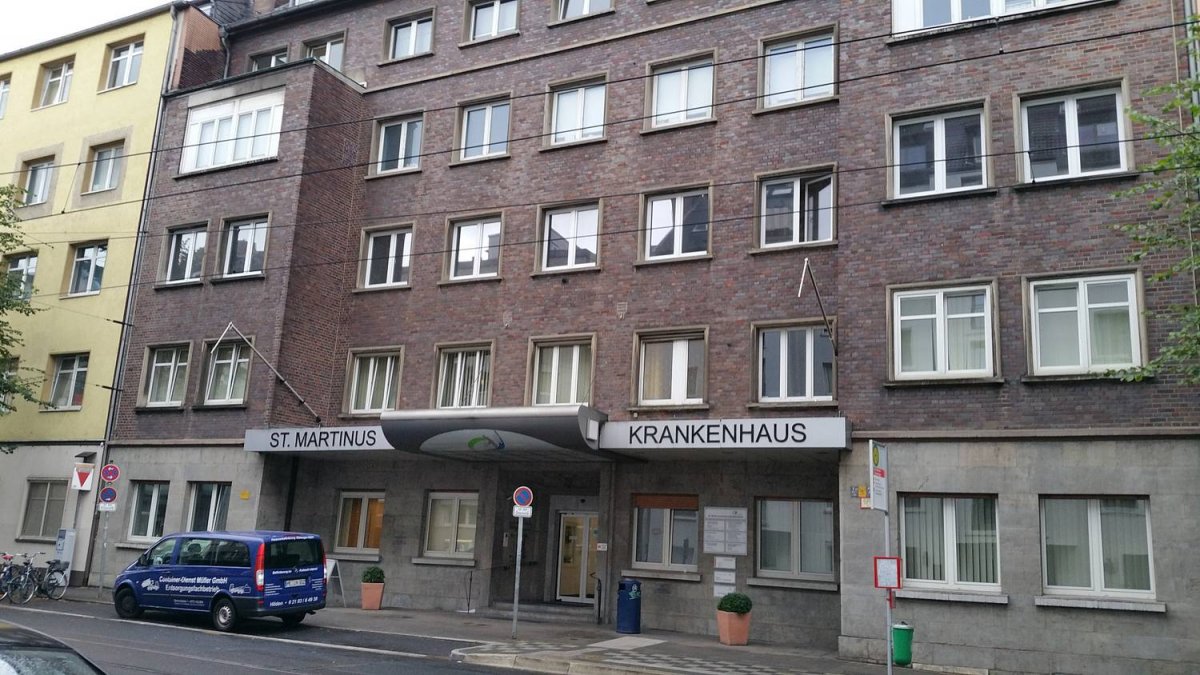
St. Martinus-Krankenhaus Düsseldorf
3.9
Precio a consultar
Más información
Anuncio
Hospital Universitario Helios Wuppertal
2.65 reseñas
Precio a consultar
Más información
Anuncio
Medical Center in Solingen
Nordrhein-Westfalen Clinic Complex
Ha visto 3 de 57 clínicas

Los mejores centros médicos de Cirugía en Alemania

  • Medical Center in Solingen, Alemania
  • Nordwest Hospital, Alemania
  • St. Martinus-Krankenhaus Düsseldorf, Alemania
  • Hospital Universitario Helios Wuppertal, Alemania
  • Nordrhein-Westfalen Clinic Complex, Alemania

Obtenga una evaluación médica de Cirugía en Alemania: haga una consulta con 26 médicos experimentados ahora

Ver todos los médicos
verificado

Manuela Seifert

26 años de experiencia

La Dra. Manuela Seifert dirige el Centro de Cáncer de Mama de la Clínica Solingen, especializándose en cirugías de conservación de la mama y reconstrucciones estéticas.

  • Más de 20 años de experiencia en ginecología y salud mamaria
  • Experta en técnicas de conservación de la mama y reconstrucción plástica
  • Jefa del Centro de Cáncer de Mama de la Clínica Solingen
  • Se centra en la atención personalizada y el apoyo psicológico
verificado

Andreas Sesterhenn

26 años de experiencia

El Prof. Andreas Sesterhenn se especializa en cirugías asistidas por robot y mínimamente invasivas para cánceres de cabeza y cuello con incisiones de menos de 1 cm.

  • Más de 11 años de experiencia en otorrinolaringología y cirugía plástica
  • Médico jefe de ORL y Cirugía de Cabeza y Cuello en la Clínica Solingen
  • Realiza extirpaciones de tumores endoscópicas a través de las fosas nasales
  • Autor de más de 78 artículos de investigación sobre técnicas quirúrgicas
verificado

Peter Schenker

19 años de experiencia

El Prof. Schenker dirige el primer centro certificado de cáncer colorrectal en Alemania, siendo pionero en técnicas mínimamente invasivas en el Hospital Académico Solingen.

  • Especializado en cirugía gastrointestinal y pancreática asistida por robot
  • Cirujano Jefe que supervisa el programa de robótica quirúrgica de última generación
  • Centro de Cáncer de Páncreas coordinado con certificación Oncocert
  • Introduce protocolos de recuperación postoperatoria mejorados
verificado

Séverine Iborra

19 años de experiencia

La Dra. Séverine Iborra dirige el Departamento de Ginecología y Obstetricia del Städtisches Klinikum Solingen, especializándose en cirugías mínimamente invasivas y asistidas por robot.

  • Más de 15 años de experiencia en oncología ginecológica y obstetricia
  • Certificada en diagnóstico y terapia oncológica con enfoque en cáncer de mama y de cuello uterino
  • Especialización en uroginecología y cirugía reconstructiva pélvica
  • Miembro activo de las principales sociedades médicas alemanas de ginecología

Compartir contenido

Historias en video de pacientes de Bookimed

Dayana
Combiné mis vacaciones en Antalya con un chequeo médico.
Procedimiento: Chequeo femenino
Igor
¡Fue genial! Traslados, alojamiento, tratamiento, todo incluido.
Procedimiento: Implante dental
Clínica: WestDent Clinic
Marina
Bookimed se encargó de todo. No tuve que preocuparme por nada.
Procedimiento: Chequeo femenino
Actualizado: 04/21/2026
Escrito por
Olena Sikoza
Olena Sikoza
Сopywriter en español
Copywriter médica certificada responsable del contenido en español de Bookimed. Más de 7 años de experiencia en redacción sobre salud y turismo médico, con formación académica en edición científica y desarrollo de contenidos.
Abdulcabbar Kartal
Cirujano colorectal
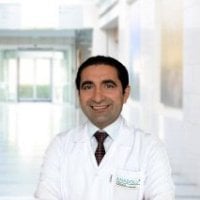
El Prof. Asociado Dr. Abdulcabbar Kartal es cirujano colorrectal y general, especializado en HIPEC y cirugía bariátrica. Está certificado por la Sociedad Europea de Coloproctología (FEBS-C) y ha realizado más de 500 cirugías bariátricas.
Esta página puede incluir información relacionada con diversas afecciones médicas, tratamientos y servicios de salud disponibles en diferentes países. Tenga en cuenta que el contenido se proporciona sólo con fines informativos y no debe interpretarse como asesoramiento médico o orientación. Por favor consulte con su médico o con un profesional médico calificado antes de comenzar o cambiar el tratamiento médico.

Preguntas frecuentes sobre Cirugía en Alemania

Estas preguntas frecuentes provienen de pacientes reales que buscan atención médica a través de Bookimed. Las respuestas son proporcionadas por coordinadores médicos experimentados y representantes autorizados de las clínicas.

How safe is surgery in Germany compared to other countries?

Surgery in Germany is exceptionally safe and leads global standards for clinical precision. The country reports a 3.26% adverse event risk. This is significantly lower than the 5.37% risk observed in other developed European nations. German facilities also maintain lower mortality rates for treatable cancers and complex procedures.

  • Regulatory standards: Hospitals adhere to strict ISO 9001 certifications and mandatory quality audits.
  • Clinical expertise: Surgeons like Dr. Thomas W Kraus have performed 3,000+ complex procedures.
  • Advanced technology: Facilities like Medical Center in Solingen use Da Vinci robotic systems.
  • Patient safety: Post-operative pulmonary embolism rates remain lower than in the UK or Switzerland.

Bookimed Expert Insight: German medical safety often depends on institutional volume and specialization. Data shows that larger networks, such as the Asklepios group, handle over 110,000 patients annually. These high-volume centers often negotiate better access to specialized technologies. Patients should prioritize clinics with 4.5+ ratings, which typically report more consistent success across general and visceral surgery.

Patient Consensus: Patients note that the German system focuses heavily on prevention and thorough pre-operative checks. One patient highlighted that doctors are highly professional and explain every aspect of the surgical process clearly.

What qualifications must surgeons have to operate in Germany?

To operate in Germany, surgeons must hold a permanent medical license called Approbation. They must also complete 5 to 6 years of specialist residency to earn the Facharzt title. This certification from the State Chamber of Physicians is required to perform surgery independently or lead operations.

  • Medical license: Surgeons must hold an Approbation to practice medicine legally throughout Germany.
  • Specialist training: A 5–6 year residency (Facharztweiterbildung) is mandatory for independent surgical practice.
  • Language skills: Non-native speakers must pass C1-level medical language exams (Fachsprachprüfung) for clinical communication.
  • Board examination: Candidates must pass a final oral exam administered by the State Medical Chamber.

Bookimed Expert Insight: German surgical standards are exceptionally uniform because the State Medical Chambers (Landesärztekammer) strictly regulate the logbooks of residents. At academic centers like the Medical Center in Solingen, surgeons often hold additional teaching roles at universities, which requires them to re-verify their clinical success rates and scientific contributions annually. This ensures that even in smaller cities, the surgical expertise remains at a high university-standard level.

Patient Consensus: Patients note that the Facharzt title is the most important credential to verify before booking. They appreciate that German doctors explain every step of the surgical process during consultations to ensure complete transparency.

How long is the typical hospital stay and recovery period after major surgery in Germany?

Major surgery in Germany typically requires 7 to 10 days of hospital stay. Specialized centers often shorten this to 2–5 days through early mobility protocols. Full recovery ranges from 4 to 12 weeks. Most patients return to light work within 4 weeks of discharge.

  • Hospital stay: Inpatient stays for complex procedures like gastrectomies average 6–9 days.
  • Orthopedic recovery: Patients often start walking on day 3 after hip or knee replacements.
  • Rehabilitation phase: Over 90% of orthopedic patients move to specialized clinics for 2–3 weeks.
  • Activity timeline: Full recovery for heart surgery typically requires 6 to 8 months.

Bookimed Expert Insight: Data from multi-specialized centers like Nordwest Clinic shows a trend toward innovation-led recovery. Facilities with specialized research institutes, like the 5 housed at Nordwest, often implement advanced surgical techniques. These methods prioritize early discharge, sometimes reducing stays for major spine or abdominal surgeries to just 4–6 days.

Patient Consensus: Patients emphasize that the German system moves quickly, so having a shower stool and physical therapy guides ready at home is vital. They note that recovery requires significant self-motivation once discharged from the hospital.

What medical documents do I need to prepare before traveling to Germany for surgery?

Preparation for surgery in Germany requires a valid passport, a medical visa (Schengen Type C or National Type D), and a clinical acceptance letter. You must provide a comprehensive medical history, diagnostic imaging like MRI or CT scans, and a physician certificate of necessity.

  • Travel documents: Valid passport and medical visa based on stay length and nationality.
  • Clinical records: Original and copies of X-rays, CT scans, and recent lab results.
  • Official confirmation: Hospital acceptance letter and specialized treatment plan with recovery timelines.
  • Financial proof: Prepayment confirmation or bank guarantee and health insurance covering 30,000 EUR.

Bookimed Expert Insight: German clinics like Asklepios Hospital Barmbek and Nordwest Clinic often require a revision of MRI results before admission. This process ensures their specialists, such as Prof. Dr. Thomas W Kraus, have the most accurate diagnostic data. Translating records into German or English at least 2 months early prevents common hospital delays.

Patient Consensus: Patients note it is essential to have every clinical record digitally backed up and translated. They emphasize checking if your international insurance explicitly covers repatriation and potential complications before you depart.

What does a standard surgery package for international patients include?

Standard surgery packages in Germany typically bundle technical medical fees, hospital stays, and pre-operative diagnostics. Most plans cover the lead surgeon fees, anesthesia, and 1–3 nights of inpatient monitoring. Diagnostic blocks often include blood work, imaging like CT or MRI, and initial consultations.

  • Core services: Includes surgeon fees, anesthesia, nursing care, and operating room use.
  • Hospital stay: Typically covers 1–3 nights with immediate post-operative medical monitoring.
  • Diagnostics: Bundles essential pre-op blood tests, X-rays, or specialized imaging.
  • Support: Provides international patient coordinators and interpreter services for communication.

Bookimed Expert Insight: German clinics like Asklepios Hospital Barmbek and Medical Center in Solingen serve over 60,000 patients annually. Our data shows these high-volume centers often include specialized internal departments for foreigners. Packages here prioritize medical precision over travel perks. You should budget separately for hotels and flights as they are rarely bundled in German medical offers.

Patient Consensus: Patients note that while medical care is professional, they often have to arrange their own transport and accommodation. It is vital to get an itemized list of inclusions in writing before traveling to avoid unexpected costs for medications or translators.

What visas are required for medical treatment in Germany and what are their validity periods?

Medical treatment in Germany requires a Schengen visa for stays under 90 days or a National visa for longer care. A Schengen visa lasts 90 days within any 180-day period. National visas typically remain valid for 3 to 12 months for intensive recovery.

  • Schengen visa (Type C): Valid for 90 days; ideal for laparoscopic surgery or diagnostic consultations.
  • National visa (Type D): Valid for 3–12 months; required for major surgeries with extended rehab.
  • Financial proof: Applicants must show funds for treatment costs and daily living expenses.
  • Clinical confirmation: A German hospital letter must detail the diagnosis and estimated costs.

Bookimed Expert Insight: Our data shows that large centers like Asklepios Hospital Barmbek and Nordwest Clinic serve over 60,000 patients annually. These high-volume hospitals have dedicated departments that provide the specific formal invitations required for visa processing. This documentation is crucial because German consulates strictly verify the clinic's capacity to host international patients before approving a Type D visa.

Patient Consensus: Patients note it is important to bring all clinic appointment papers to the border. Some mention feeling anxious about the 90-day limit if recovery takes longer than expected.

Will I have visible scars after surgery in Germany?

Modern surgical techniques in Germany focus on making scars nearly invisible. Surgeons use minimally invasive methods, such as laparoscopy and robotic systems, to keep incisions under 1 cm. German clinics like Medical Center in Solingen and Nordwest Clinic specialize in these precise, sparing approaches for optimal aesthetic results.

  • Incision placement: Surgeons place cuts along natural skin folds to hide eventual scarring.
  • Advanced closure: Clinics use tension-free intracutaneous sutures to prevent wide or raised scars.
  • Robotic precision: Professor Andreas Sesterhenn performs robotic interventions through incisions as small as 1 cm.
  • Specialized techniques: Breast cancer specialists like Dr. Manuela Seifert prioritize aesthetic reconstruction and breast-sparing methods.

Bookimed Expert Insight: Data from top-rated Hamburg and Frankfurt clinics shows a shift toward hidden access surgery. For example, surgeons often use mucosal membranes or internal folds for entry points. This strategy is common in high-volume centers serving 60,000+ patients annually, where functional recovery and cosmetic outcomes carry equal weight.

Patient Consensus: Patients note that while scars may look red for the first 8 weeks, they fade significantly by 6 months. Many express relief that incisions for complex procedures are much smaller than they originally expected.

What are the visa documentation requirements for a German medical treatment visa?

A German medical treatment visa requires a formal invitation from a hospital like Medical Center in Solingen. You must provide a local medical report confirming the diagnosis. Proof of full payment or sufficient funds for surgery is mandatory. Travel insurance must cover 30,000 Euro minimum.

  • Hospital invitation: Must detail the treatment plan, duration, and estimated surgical costs.
  • Financial proof: Includes bank statements from the last 3–6 months showing stay coverage.
  • Medical necessity: An original doctor report from your home country justifies German treatment.
  • Standard documents: Require a valid passport, biometric photos, and a signed VIDEX form.

Bookimed Expert Insight: High-volume centers like Nordrhein-Westfalen Clinic Complex, which serves 145,000 patients annually, have dedicated systems for rapid invitation issuance. This is vital because VFS Global appointments often fill up 2–3 months in advance. Securing a hospital letter early prevents treatment delays during peak administrative seasons in Germany.

Patient Consensus: Patients emphasize that hospital letters must be incredibly detailed. Many recommend double-checking that your passport remains valid for at least 3 months after your planned return date to avoid immediate rejection.

What is the best time of year to travel to Germany for surgery as a medical tourist?

The best time to travel to Germany for surgery is during the shoulder seasons of May to June and September to October. These periods provide mild weather ideal for recovery. You will also find lower accommodation costs and smaller crowds compared to the peak summer months.

  • Climate benefits: Mild temperatures between 60°F and 70°F help reduce post-operative swelling and discomfort.
  • Financial efficiency: Flights and lodging are significantly cheaper outside of the July–August high-tourist season.
  • Clinic availability: Traveling in fall or spring often avoids the strained clinic capacity seen in summer.
  • Recovery environment: Quieter public spaces and hospitals during shoulder seasons promote a more relaxed healing process.

Bookimed Expert Insight: Data from high-volume centers like Asklepios Hospital Barmbek and Medical Center in Solingen shows that medical costs remain regulated year-round. However, patients can save on total trip expenses by booking 3 to 6 months in advance for the fall. This timing secures slots at top-rated clinics while avoiding the massive price hikes caused by local events like Munich's Oktoberfest.

Patient Consensus: Patients often suggest avoiding the summer heat because many German hospital rooms lack standard air conditioning. One patient noted that clear professional explanations from the medical team made the logistical timing much easier to manage.

How should I select the best hospital for my surgery in Germany?

Select a hospital in Germany by prioritizing high procedure volumes and specialized certifications over general reputation. Focus on facilities with German Cancer Society (DKG) or ISO accreditation. Academic centers like Charité - Universitätsmedizin Berlin excel in complex cases. Specialized networks like Asklepios offer more elective comfort.

  • Procedure volume: Choose surgeons performing 100+ annual cases for lower complication rates.
  • Specialized certification: Look for DKG-certified centers, such as Medical Center in Solingen.
  • Hospital type: University hospitals handle high-risk cases but may have longer wait times.
  • Quality data: Use official reports to verify readmission rates stay below 10%.

Bookimed Expert Insight: Data from the Asklepios network shows that high-volume multidisciplinary hubs, like Asklepios Hospital Barmbek, serve 110,000+ patients annually. These large-scale operations often provide more comprehensive international departments. Clinics with similar volumes typically offer smoother logistics for non-resident patients. They often include coordinators who bridge the gap between medical staff and foreign patients.

Patient Consensus: Patients note that choosing a surgeon with 300+ annual procedures significantly speeds up recovery time. Many suggest checking hygiene and complication statistics on official German quality lists before finalizing a choice.

How long in advance must I plan a medical trip for surgery in Germany?

Planning surgery in Germany typically requires 4 to 12 weeks for most international patients. Complex oncology or orthopedic cases may need 3 to 6 months of lead time. This window covers specialist consultations, visa processing, and clinical scheduling. Urgent cases can sometimes be arranged within 1 to 3 weeks.

  • Visa processing: Secure a Schengen Medical Visa at least 8 weeks before your planned departure.
  • Specialist availability: Leading surgeons at academic hospitals often book non-urgent procedures 3 months in advance.
  • Medical preparation: Complete local lab tests and imaging 4 weeks before traveling for clinical review.
  • Post-operative stay: Plan for 5 to 14 days in Germany for recovery and monitoring.

Bookimed Expert Insight: Data from high-volume centers like Asklepios Hospital Barmbek and Medical Center in Solingen shows that clinics treating over 60,000 patients annually often have more flexible scheduling for international cases. Choosing a facility with dedicated robotic surgery units, such as the Da Vinci system, can sometimes shorten the required post-operative stay due to faster recovery times from minimally invasive techniques.

Patient Consensus: Patients note it is important to start the process early because gathering medical records and getting visa appointments can take much longer than expected. One patient emphasized that having everything explained clearly by the doctor helped manage the stress of the wait.

Do international patients have to pay upfront for surgery in Germany?

International patients must generally pay the full estimated cost of surgery in Germany upfront as a deposit. Hospitals treat non-EU residents as private patients. They require a financial guarantee or bank transfer before confirming admission dates or issuing documents for medical visas.

  • Payment timing: Clinics often require funds 1–2 weeks before the scheduled surgery date.
  • Cost adjustment: Hospitals recalculate final costs post-op and refund any overpaid deposit amount.
  • Visa support: Proof of full prepayment is typically mandatory for German medical visa applications.
  • Price range: Surgical procedures in Germany generally range from _price_from_ to _price_to_.

Bookimed Expert Insight: Data from high-volume centers like Asklepios Hospital Barmbek shows that choosing a multidisciplinary network often simplifies the deposit process. These large groups have dedicated international offices that provide structured cost estimates faster than smaller clinics. This speed is vital for patients needing urgent surgery or quick visa processing.

Patient Consensus: Patients note that clinics rarely schedule procedures until a bank transfer clears. Many recommend budgeting an extra 10–20% above the initial estimate to cover potential post-operative stay extensions or additional diagnostic tests.

Is it possible for a family member to accompany me during my medical stay in Germany?

Family members can accompany you to Germany for surgery, often requiring a Schengen or national medical visa. While many hospitals restrict overnight visitors to prioritize infection control, some facilities offer guest apartments or comfort wards for families. Specialized clinics frequently coordinate nearby hotel stays with discounted rates.

  • Visa documentation: Invitation letters must name companions to support medical necessity for visas.
  • In-patient options: Some clinics allow 1 guest in-room for an additional nightly fee.
  • Accommodation types: Larger centers like Nordwest Clinic provide apartments or specialized comfort wards.
  • Financial proof: Patients must prove funds cover living expenses for themselves and companions.

Bookimed Expert Insight: Data shows that clinics with high international patient volumes, such as Asklepios Hospital Barmbek, often have more flexible companion policies. While university hospitals in Berlin and Munich typically ban overnight visitors, private-sector institutions in cities like Hamburg or Solingen are more likely to offer dedicated family packages. Always confirm the specific ward policy before booking your stay.

Patient Consensus: Patients note that German hospitals emphasize more independence, so many spouses book nearby apartments. It is helpful to pack noise-cancelling headphones and use video calls to stay connected during recovery.

Pedir una consulta gratis

Seleccione la mejor manera de contactarle