Cirugía en España — Costos 2026

Revisado médicamente por
Abdulcabbar Kartal
¿Cuál es el precio de procedimientos de Cirugía en España? Descubra ahora
La cirugía en España tiene un coste medio de entre $13,600 y $21,000. Los costes varían según la complejidad del procedimiento, la experiencia del cirujano y la ubicación del hospital. Los pacientes pueden ahorrar entre un 40 y un 60% en comparación con los precios de EE. UU.
Costes típicos de cirugía en España
- Miomectomía: de $12,100
Los principales centros quirúrgicos se encuentran en Madrid, Barcelona, Valencia y Sevilla, siendo los precios en Valencia y Sevilla a menudo entre un 10 y un 20% más bajos que en Madrid. Una consulta con un especialista puede ayudar a determinar su precio exacto en función de sus necesidades médicas.
Todas las enfermedades de Cirugía
Sus beneficios y garantías con Bookimed
Precios directos
Bookimed no añade cargos extra a los precios de los tratamientos de Cirugía. Las tarifas proceden de las listas de precios oficiales de las clínicas. Pagará directamente en la clínica por su tratamiento a su llegada al país.
Sólo clínicas y médicos verificados
Bookimed está comprometido con su seguridad. Solo trabajamos con las clínicas que mantienen altos estándares internacionales en el tratamiento de Cirugía y tienen las licencias necesarias para atender a pacientes internacionales en todo el mundo.
Asistencia 24/7 gratuita
Bookimed ofrece asistencia experta gratuita. Un coordinador médico personal le apoya antes, durante y después del tratamiento, resolviendo cualquier problema. Nunca estará solo en su viaje médico de procedimientos de Cirugía.

Su coordinador médico personal de Bookimed
- Le apoya en cada etapa
- Ayuda a elegir la clínica y el médico adecuados
- Asegura un acceso rápido y conveniente a la información
Descubra las mejores clínicas de Cirugía en España: 26 opciones verificadas y Precios






Clínica de Gastroenterología y Proctología Centro PAD
Carlos Garcia Vasquez





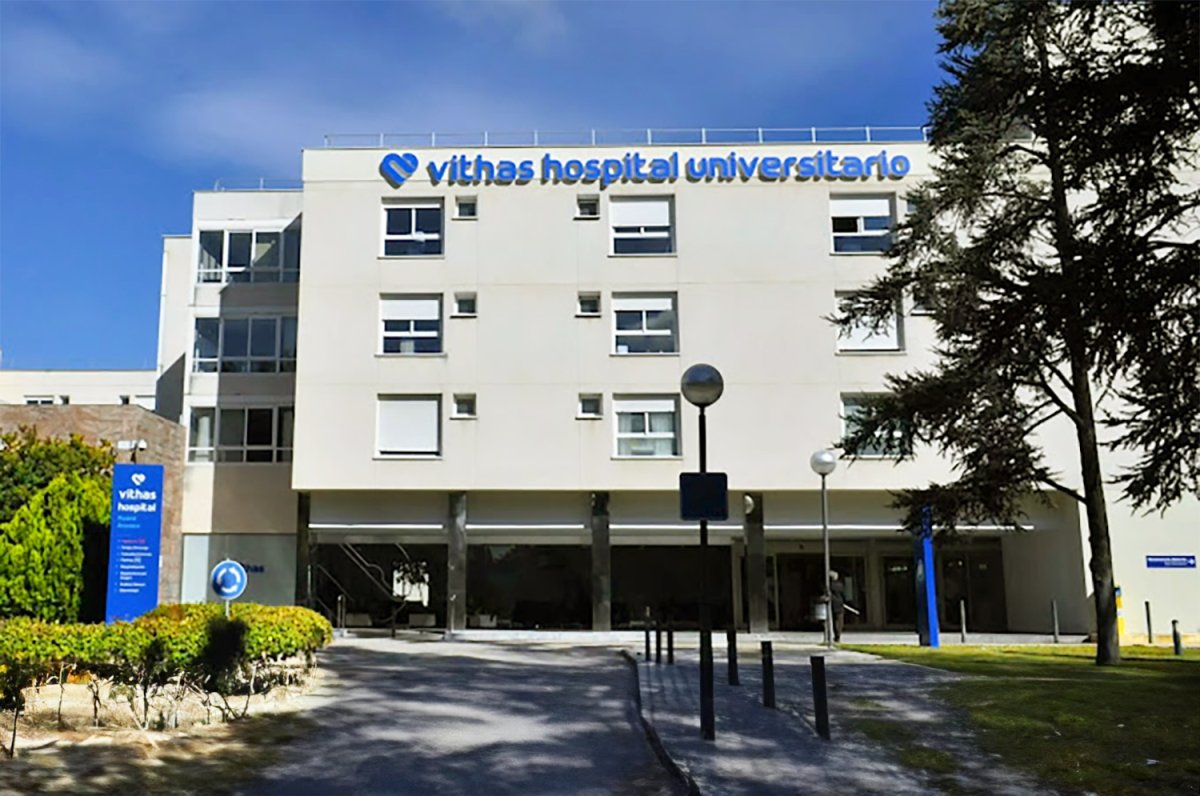




Hospital Sant Joan de Déu Barcelona





Los mejores centros médicos de Cirugía en España
- Centro Médico Teknon, España
- Clínica de Gastroenterología y Proctología Centro PAD, España
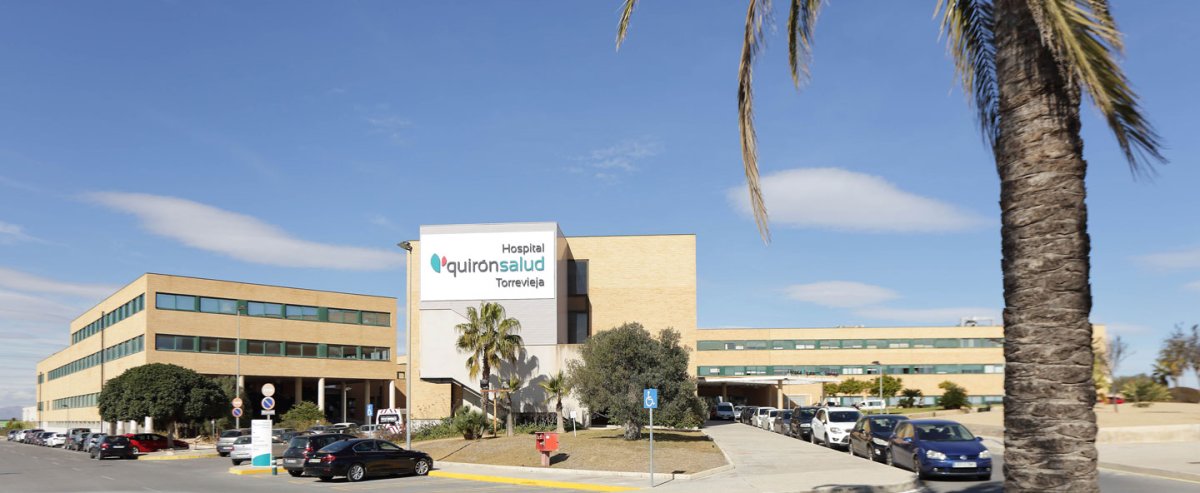
- Quironsalud Torrevieja, España
- Quironsalud Madrid, España
- Quirónsalud Marbella, España
- Clínica Granado Tiagonce, España
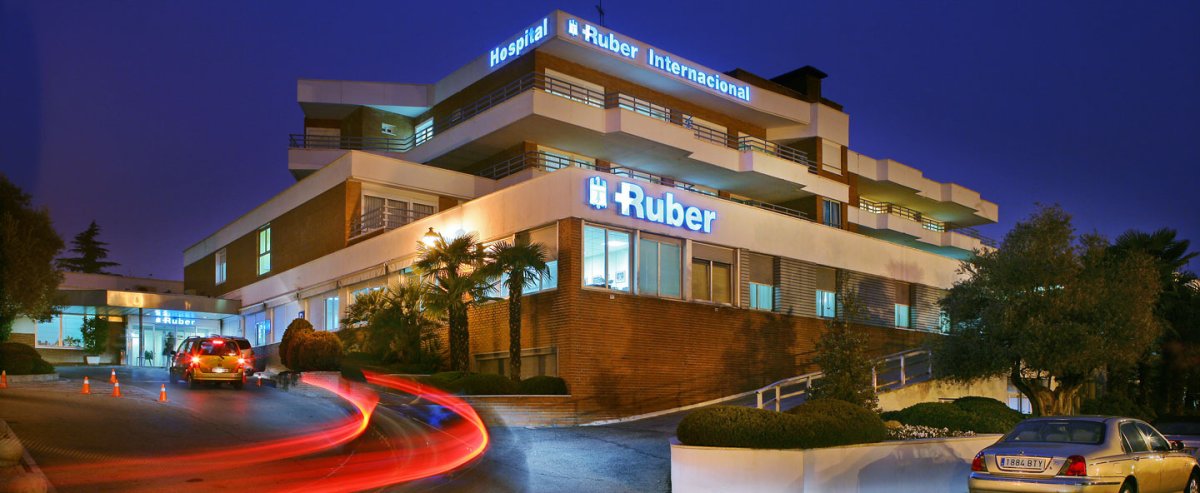
- Hospital Ruber Internacional, España
- Hospital Sant Joan de Déu Barcelona, España
- Hospital Quiron Barcelona, España
- Hospital Universitario HM Madrid, España
Obtenga una evaluación médica de Cirugía en España: haga una consulta con 83 médicos experimentados ahora
Ver todos los médicosCarlos Garcia Vasquez
Cirujano general y del aparato digestivo. Enfoque en cirugía colorrectal, proctológica y de pared abdominal mínimamente invasiva. Jefe adjunto, Hospital Universitario Infanta Elena (2021–). Cirujano asociado, Fundación Jiménez Díaz (2013–).
Acreditaciones: Doctor en Cirugía, sobresaliente cum laude (UAM). Certificado en cirugía robótica (Da Vinci X/Xi/5). Formación avanzada en cirugía general laparoscópica (IRCAD, Estrasburgo). Especialista en Cirugía General y del Aparato Digestivo (F

Jose Emilio Batista Miranda
Pionero de la cirugía de próstata con láser en Barcelona: el Dr. Batista utiliza técnicas mínimamente invasivas en el Centro Médico Teknon.
- Más de 35 años de especialización en urología funcional y pediátrica
- Primero en Barcelona en utilizar láseres GreenLight, Thulium y Holmium
- Fundador de Uroclínica, la unidad de urología líder de Teknon
- Formación de posgrado (Fellowship) en el Children's Hospital de Harvard y la Universidad de Boston
- Autor de 102 artículos y 84 informes científicos

Alberto Diez-Caballero Alonso
Experto en cirugía mínimamente invasiva con enfoque en procedimientos del tracto digestivo. El Dr. Diez-Caballero Alonso combina la excelencia académica con la experiencia quirúrgica práctica.
- Especialista en técnicas laparoscópicas para una recuperación más rápida
- Profesor de cirugía laparoscópica en la Universidad de Navarra
- Miembro de la Asociación Europea de Cirugía Endoscópica
- Profesor Clínico Asociado con amplia trayectoria docente
Jordi Antoni Vives
El Dr. Jordi Antoni Vives es especialista en Ginecología y Obstetricia en Teknogin (Centro Médico Teknon, Barcelona). Centra su actividad en la cirugía oncológica ginecológica, la patología uterina y pélvica compleja y la coordinación de comités de tumores. Dirige el área de Obstetricia del Hospital CIMA desde 2015. Es médico consultor en el Parc Taulí desde 1990.
Formación/acreditaciones: Licenciado en Medicina y Cirugía por la Universidad de Barcelona (1983). Residencia MIR en Gineco
Reseñas
Todas las reseñasCompartir contenido
Historias en video de pacientes de Bookimed
 Olena Sikoza
Preguntas frecuentes sobre Cirugía en España
¿Están bien cualificados los médicos españoles?
Los médicos españoles están altamente cualificados. Completan 6 años de estudios de medicina seguidos de un competitivo programa de residencia MIR de 4 a 6 años. Muchos cirujanos especialistas poseen certificaciones adicionales de juntas estadounidenses o europeas. Esta formación intensiva garantiza que cumplan con los estándares médicos internacionales más estrictos.
- Credenciales de expertos: Cirujanos como el Dr. Antonio de Lacy Fortuny han realizado más de 15.000 procedimientos exitosos.
- Formación global: Los especialistas a menudo se forman en instituciones como la Clínica Mayo o el Hospital General de Massachusetts.
- Centros acreditados: Centros de primer nivel como el Centro Médico Teknon cuentan con la acreditación de la Joint Commission International (JCI).
- Liderazgo especializado: España es líder mundial en trasplantes de órganos, oncología y técnicas de cirugía robótica.
Perspectiva del experto de Bookimed: Nuestros datos muestran una tendencia única en las clínicas de Barcelona y Madrid. Los mejores cirujanos allí, como los del Centro Médico Teknon, a menudo sirven como personal médico oficial para organizaciones de élite como el FC Barcelona. Este entorno de alta exigencia requiere que los cirujanos mantengan tasas de éxito del 99%. Elegir a estos especialistas le garantiza recibir el mismo nivel de atención que los atletas p
¿Qué tan seguros son los hospitales para los pacientes internacionales?
Los hospitales españoles ofrecen altos estándares de seguridad para pacientes internacionales mediante rigurosas acreditaciones de la Joint Commission International (JCI) y tecnología quirúrgica avanzada. Instalaciones de primer nivel como el Centro Médico Teknon y el Hospital Quirón Barcelona cuentan con 23 quirófanos cada uno. Utilizan sistemas robóticos Da Vinci y diagnósticos PET-CT para una atención precisa y mínimamente invasiva.
- Acreditación hospitalaria: Centros líderes como Quirónsalud Madrid cuentan con acreditaciones JCI y clasificaciones de los mejores hospitales del mundo según Newsweek.
- Experiencia quirúrgica: Cirujanos como el Dr. Antonio de Lacy Fortuny han realizado más de 15,000 procedimientos gastrointestinales.
- Tecnología especializada: Las instalaciones cuentan con cirugía robótica, herramientas laparoscópicas y sistemas intensivos de imágenes en 3D.
- Volumen de pacientes: Centros de alta capacidad como Quirónsalud Torrevieja tratan a más de 120,000 pacientes al año con protocolos establecidos.
Perspectiva del experto de Bookimed: Los datos muestran que las clínicas con un alto volumen de pacientes internacionales, como las del grupo Quirónsalud, a menudo tienen departamentos dedicados a ciudadanos extranjeros. Esta infraestructura es vital porque cierra la brecha en los protocolos de alta. Mientras que algunas clíni
¿La calidad de la atención médica y la seguridad quirúrgica de España están a la par con los estándares globales más altos?
La calidad de la atención médica y la seguridad quirúrgica de España están a la par con los puntos de referencia mundiales, ocupando el sexto lugar en el Índice de Atención Médica de Numbeo de 2026. El sistema integra hospitales acreditados por la JCI y tecnologías robóticas avanzadas. Cirujanos españoles como el Dr. Antonio de Lacy Fortuny han realizado más de 15.000 intervenciones, siendo pioneros en técnicas únicas a nivel mundial.
- Acreditación: Más de 13 hospitales, incluido el Centro Médico Teknon, mantienen los estándares de oro de la Joint Commission International (JCI).
- Tecnología: Las instalaciones utilizan sistemas robóticos Da Vinci e imágenes en 3D para cirugía mínimamente invasiva de alta precisión.
- Puntos de referencia de resultados: España reporta la esperanza de vida más alta de la UE con 84 años y una baja mortalidad evitable.
- Experiencia especializada: Centros como el Hospital Quiron Barcelona cuentan con 23 quirófanos e institutos de oncología especializados.
Perspectiva del experto de Bookimed: Los datos muestran una clara tendencia de alto volumen en los centros privados españoles, con Quironsalud Torrevieja atendiendo a 120.000 pacientes al año. Si bien los tiempos de espera públicos pueden llegar a los 6 meses, estas instalaciones privadas ofrecen acceso rápido para casos internacionales. Clínicas altamente califi
¿Cuáles son los tiempos de espera habituales para una cirugía y cómo se comparan las clínicas privadas españolas?
Los tiempos de espera para cirugías públicas en España promedian entre 112 y 121 días. Los procedimientos especializados, como la cirugía plástica, pueden superar los 230 días. Las clínicas privadas como el Centro Médico Teknon o el Hospital Quirón Barcelona reducen esto significativamente. La mayoría de las cirugías privadas se programan dentro de los 15 a 30 días posteriores a la consulta.
- Tiempos de espera públicos: Los casos no urgentes a menudo esperan 4 meses o más.
- Rapidez de la clínica privada: Las consultas ocurren en cuestión de días. La cirugía sigue en 2 a 4 semanas.
- Variaciones regionales: Los tiempos de espera son más cortos en Madrid que en Andalucía.
- Impacto de la especialidad: La cirugía cardíaca es más rápida que la neurocirugía en los sistemas públicos.
Perspectiva del experto de Bookimed: Los centros de alto volumen como Quirónsalud Torrevieja atienden a 120.000 pacientes al año. Su enorme escala permite carriles de acceso rápido dedicados para pacientes internacionales. Mientras que las listas públicas locales son largas, estos centros privados mantienen más de 20 quirófanos para garantizar la disponibilidad inmediata. Esta capacidad mantiene los tiempos de espera constantemente por debajo de las 3 semanas, incluso para casos robóticos complejos.
Consenso de los pacientes: Los pacientes señal
¿Qué sucede si ocurren complicaciones después de la cirugía antes de que regrese a casa?
Los hospitales españoles brindan intervención médica inmediata para cualquier complicación detectada antes del alta. Los equipos de atención especializada en instalaciones como el Centro Médico Teknon monitorean los signos vitales y los sitios quirúrgicos las 24 horas del día, los 7 días de la semana. Gestionan los riesgos mediante intervenciones rápidas. Estas incluyen antibióticos intravenosos para infecciones o revisiones quirúrgicas inmediatas por sangrado.
- Monitoreo clínico: Las enfermeras y los médicos monitorean los niveles de dolor y los signos vitales con frecuencia durante su estadía.
- Cronograma postoperatorio: Las clínicas españolas suelen proporcionar de 1 a 3 días de monitoreo de recuperación en el lugar.
- Supervisión experta: Cirujanos como el Dr. Antonio de Lacy Fortuny supervisan la recuperación de casos gastrointestinales complejos.
- Criterios de estabilización: Los equipos médicos extienden su estadía en el hospital hasta que se cumplan todos los puntos de referencia de seguridad clínica.
Perspectiva de expertos de Bookimed: Los datos de los centros españoles mejor calificados muestran una tendencia hacia el uso de técnicas robóticas y laparoscópicas para reducir los riesgos postoperatorios. Por ejemplo, clínicas como el Hospital Quiron Barcelona y el Centro PAD utilizan sistemas Da Vinci para cirugías digestivas. Estos
¿Qué especialidades quirúrgicas son las más buscadas por los pacientes internacionales y se ofrecen habitualmente en España?
Los pacientes internacionales eligen principalmente España para cirugía plástica, oncología y procedimientos ortopédicos. Los principales centros acreditados por la JCI en Madrid y Barcelona ofrecen habitualmente técnicas robóticas y laparoscópicas avanzadas. Estas especialidades atraen a pacientes globales gracias a una combinación de tasas de éxito del 90% en casos complejos y tiempos de espera más cortos.
- Cirugía plástica: Enfocada en aumento de senos, rinoplastia y liposucción en Marbella y Madrid.
- Oncología: Centros especializados como el Centro Médico Teknon ofrecen cirugía citorreductora con HIPEC.
- Ortopedia: Grandes volúmenes de reemplazos articulares y medicina deportiva, a menudo utilizando sistemas robóticos.
- Cirugía digestiva: Uso rutinario de sistemas robóticos Da Vinci para procedimientos gastrointestinales complejos.
- Cirugía bariátrica: Las soluciones comunes para la pérdida de peso incluyen bypass gástrico y gastrectomía en manga en clínicas privadas.
Perspectiva del experto de Bookimed: El panorama quirúrgico privado de España se caracteriza por una especialización extrema dentro de los grandes grupos hospitalarios. Por ejemplo, el Centro Médico Teknon realiza 23.500 operaciones al año, pero mantiene unidades altamente especializadas para la carcinomatosis peritoneal. Los pacientes deben buscar
¿Se habla inglés en los hospitales españoles o necesito contratar a un traductor?
Los hospitales privados españoles emplean con frecuencia cirujanos de habla inglesa y mantienen departamentos internacionales dedicados. Aunque los especialistas médicos suelen tener un alto dominio del inglés, el personal de enfermería y administrativo puede hablar solo español. Centros como el Centro Médico Teknon y Quironsalud Torrevieja ofrecen servicios de intérprete integrados para apoyar a los pacientes internacionales.
- Centros privados: Los departamentos internacionales de Teknon y Quironsalud ofrecen coordinación y apoyo multilingüe.
- Hospitales públicos: El inglés no está garantizado y el personal no está obligado a hablarlo.
- Especialistas médicos: Muchos cirujanos, como el Dr. Antonio de Lacy Fortuny, cuentan con formación internacional.
- Personal de apoyo: Los pacientes a menudo descubren que el personal de enfermería de planta y los recepcionistas hablan principalmente español.
Perspectiva del experto de Bookimed: Los datos muestran una fuerte correlación entre el volumen de pacientes de una clínica y la accesibilidad lingüística en España. Los centros a gran escala como Quironsalud Torrevieja, que atiende a 120.000 pacientes al año, suelen tener una infraestructura multilingüe más sólida que las clínicas especializadas más pequeñas. Elegir un centro de gran volumen generalmente garantiza el acceso 24/7 a personal que puede c
¿Qué seguro o documentación necesitan los visitantes de fuera de la UE (p. ej., EE. UU./Canadá) y de la UE para una cirugía programada?
Los ciudadanos de la UE utilizan el formulario S2 o la Directiva 2011/24/UE para el reembolso de cirugías programadas en España. Los visitantes de fuera de la UE, como los de EE. UU. o Canadá, suelen pagar de forma privada. Los documentos requeridos incluyen una carta de invitación de la clínica, traducciones certificadas del historial médico y un seguro especializado que cubra procedimientos electivos y repatriación.
- Invitación hospitalaria: Carta oficial que detalla el procedimiento y la duración de la estancia para la entrada.
- Formulario S2: Documento portátil que garantiza el pago directo para ciudadanos de la UE por parte de sus aseguradoras nacionales.
- Prueba financiera: Evidencia de fondos o depósitos que oscilan entre el 30% y el 100%.
- Historial médico: Informes de diagnóstico recientes traducidos al español por un servicio certificado.
Perspectiva de expertos de Bookimed: Los centros de coordinación en clínicas como el Centro Médico Teknon o Quironsalud Madrid a menudo proporcionan documentación rápida para pacientes internacionales. Aunque los centros acreditados por la JCI realizan más de 23.500 operaciones al año, requieren un seguro especializado que cubra específicamente las complicaciones de las cirugías programadas. Las pólizas de viaje estándar a menudo excluyen estos riesgos, por lo que verificar la «cobertura electiva
¿Qué debo preparar o gestionar antes de mi ingreso hospitalario en España?
La gestión de un ingreso hospitalario en España requiere coordinar documentos administrativos y artículos personales esenciales. Debe traer su pasaporte original y un comprobante de cobertura médica. Los pacientes privados necesitan una preautorización de su aseguradora. Llegue 2 o 3 horas antes de la cirugía. Los hospitales rara vez proporcionan artículos de aseo o ropa de dormir, así que empaque los suyos.
- Documentación requerida: Traiga su pasaporte original, tarjeta de seguro médico e historial médico.
- Artículos personales: Empaque pijamas, artículos de aseo y zapatillas, ya que los hospitales rara vez los proporcionan.
- Apoyo lingüístico: Organice un traductor si no habla español con fluidez.
- Tiempo de llegada: Planee llegar al hospital 2 o 3 horas antes de la cirugía.
- Lista de medicamentos: Incluya los nombres genéricos, ya que los nombres de marcas españolas a menudo difieren de otros países.
Perspectiva del experto de Bookimed: Las clínicas con un alto volumen de pacientes internacionales, como el Centro Médico Teknon o el Hospital Quirón Barcelona, ofrecen departamentos internacionales dedicados. Estos equipos a menudo gestionan los arreglos de hotel y los traslados al aeropuerto. Esto es vital porque el alta en España puede ocurrir rápidamente. Tener un alojamiento local reservado con antelación evita
¿Qué estándares médicos siguen los hospitales españoles para garantizar la seguridad del paciente durante la cirugía?
Los hospitales españoles implementan estrictos estándares de seguridad del paciente a través de la Estrategia Nacional de Seguridad del Paciente y la acreditación internacional de la Joint Commission International (JCI). Los equipos quirúrgicos utilizan obligatoriamente la Lista de Verificación de Seguridad Quirúrgica de la OMS. Instalaciones modernas como el Centro Médico Teknon y el Hospital Quirón Barcelona utilizan sistemas robóticos para mejorar la precisión.
- Protocolos universales: Los equipos verbalizan en voz alta la Lista de Verificación de Seguridad Quirúrgica de la OMS antes de cada incisión en la piel.
- Acreditación especializada: Centros privados como Quirónsalud Torrevieja y el Hospital Ruber Internacional mantienen estándares de seguridad certificados por la JCI.
- Tecnología avanzada: Los cirujanos utilizan sistemas robóticos Da Vinci para procedimientos mínimamente invasivos con el fin de reducir la recuperación.
- Control de infecciones: Los hospitales mantienen un cribado de SARM con tolerancia cero y operan en entornos quirúrgicos con filtros HEPA.
Perspectiva del experto de Bookimed: Las señales de calidad en España a menudo se alinean con el volumen de pacientes y la innovación especializada. El Centro Médico Teknon realiza 23.500 operaciones al año y cuenta con la acreditación JCI. Este alto volumen permite a sus 400 m