Cirugía en Israel: las 18 mejores clínicas con opiniones de pacientes

Revisado médicamente por
Abdulcabbar Kartal
¿Cuál es el precio de procedimientos de Cirugía en Israel? Descubra ahora
Los costos de cirugía en Israel suelen oscilar entre $17,200 y $45,000. El precio final depende de la complejidad del procedimiento, la duración de la estancia hospitalaria y si el paciente es residente o turista médico. Los pacientes internacionales pueden ahorrar hasta un 75% en comparación con los precios de EE. UU., con paquetes que a menudo cubren la cirugía, la anestesia y la atención de seguimiento.
Costos típicos de cirugía en Israel
- Miomectomía (extirpación de fibromas uterinos): de $13,000
Los principales centros quirúrgicos de Israel se encuentran en Tel Aviv, Jerusalén y Haifa. Los costos pueden variar entre ciudades, por lo que se recomienda consultar con un especialista para obtener un precio preciso basado en sus necesidades de salud específicas y los requisitos del procedimiento.
| Israel | España | Turquía | |
|---|---|---|---|
| Resección del intestino delgado | ≈ $16,000 | de $14,300 | de $6,500 |
| Resección de vesícula biliar | ≈ $8,500 | de $10,600 | de $3,000 |
| Resección de estómago | ≈ $17,000 | de $20,000 | de $3,100 |
| Reparación de hernia umbilical | ≈ $4,200 | de $6,200 | de $3,300 |
| Nefrectomía | de $18,000 | de $17,700 | de $6,600 |
Todas las enfermedades de Cirugía
Sus beneficios y garantías con Bookimed
Precios directos
Bookimed no añade cargos extra a los precios de los tratamientos de Cirugía. Las tarifas proceden de las listas de precios oficiales de las clínicas. Pagará directamente en la clínica por su tratamiento a su llegada al país.
Sólo clínicas y médicos verificados
Bookimed está comprometido con su seguridad. Solo trabajamos con las clínicas que mantienen altos estándares internacionales en el tratamiento de Cirugía y tienen las licencias necesarias para atender a pacientes internacionales en todo el mundo.
Asistencia 24/7 gratuita
Bookimed ofrece asistencia experta gratuita. Un coordinador médico personal le apoya antes, durante y después del tratamiento, resolviendo cualquier problema. Nunca estará solo en su viaje médico de procedimientos de Cirugía.

Su coordinador médico personal de Bookimed
- Le apoya en cada etapa
- Ayuda a elegir la clínica y el médico adecuados
- Asegura un acceso rápido y conveniente a la información
Descubra las mejores clínicas de Cirugía en Israel: 18 opciones verificadas y Precios





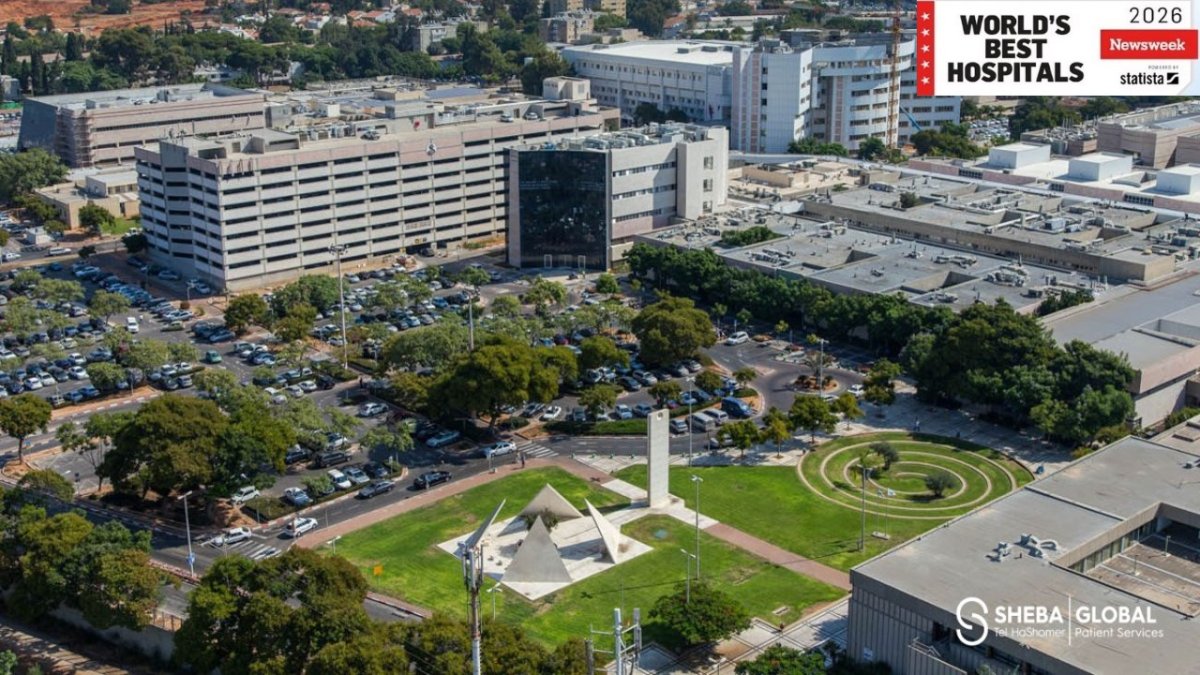








Centro médico Assaf Harofeh (Assaf Harofeh Medical Center)



Soroka Medical Center


Herzliya Medical Center
Los mejores centros médicos de Cirugía en Israel
- Centro médico Sourasky, Israel
- Centro Médico Sheba, Israel
- Assuta Hospital en Israel, Israel
- Centro Médico Hadassah, Israel
- Rambam Medical Center, Israel
- Centro médico Assaf Harofeh (Assaf Harofeh Medical Center), Israel
- Centro médico infantil Schneider, Israel
- Soroka Medical Center, Israel
- Rabin Medical Center, Israel
- Herzliya Medical Center , Israel
Obtenga una evaluación médica de Cirugía en Israel: haga una consulta con 49 médicos experimentados ahora
Ver todos los médicos
Yossefovitz Ofer
El Prof. Ofer Yossefovitz es un destacado experto en cirugía urológica robótica y laparoscópica en el Centro Médico Sourasky (Ichilov).
- Más de 25 años de especialización en urología oncológica y cirugías complejas de próstata
- Formado en el Memorial Sloan Kettering Cancer Center, líder mundial en atención oncológica
- Jefe del departamento de urología oncológica del Hospital Ichilov
- Ha publicado numerosos trabajos de investigación sobre técnicas de cirugía urológica
- Miembro de las asociaciones europea y americana de urología
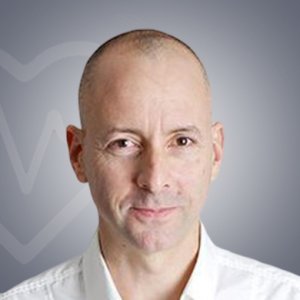
Alon Friedlander
El Dr. Alon Friedlander, MD, es cirujano ortopédico y especialista en columna y escoliosis para adultos y niños. Es Director del Departamento de Ortopedia del Centro Médico Sheba. También es profesor asociado de Ortopedia en la Universidad de Tel Aviv. Figura entre los mejores médicos de Israel según Forbes.
Trata trastornos complejos de la columna mediante cirugía mínimamente invasiva y abierta. Entre sus procedimientos se incluyen la fijación anterior y posterior. Sus áreas de enfoqu
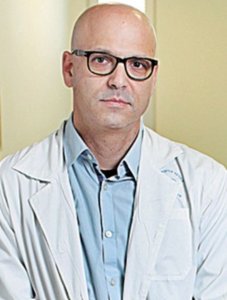
Professor Ido Nachmany
El Prof. Ido Nachmany encabeza el Segundo Departamento de Cirugía del Centro Médico Sheba. Se especializa en cirugía HPB (hepato-pancreatobiliar) y robótica para enfermedades del hígado, páncreas y vías biliares, y para tumores neuroendocrinos gastrointestinales. También realiza cirugía suprarrenal, del bazo y del estómago. Forbes lo incluyó entre los mejores médicos de Israel.
Impulsa técnicas robóticas y laparoscópicas mínimamente invasivas. El objetivo es mayor precisión y una recup
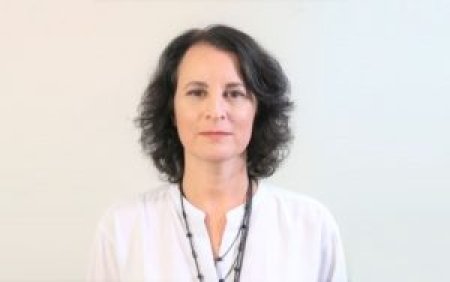
Einat Shacham Shmueli
La Dra. Einat Shacham‑Shmueli es oncóloga médica sénior en la Clínica Gastrointestinal del Centro Oncológico del Centro Médico Sheba. Trata cánceres de colon, estómago y páncreas. También maneja la enfermedad metastásica. Emplea diagnósticos de precisión y biomarcadores, terapias sistémicas y radioterapia. La atención se brinda dentro de un equipo multidisciplinario.
Ha publicado más de 25 artículos revisados por pares sobre oncología gastrointestinal, biología tumoral y nuevos tratami
Reseñas
Todas las reseñasCompartir contenido
Historias en video de pacientes de Bookimed
 Olena Sikoza
Preguntas frecuentes sobre Cirugía en Israel
¿Por qué Israel es un destino popular para la cirugía?
Israel es un destino quirúrgico de primer nivel debido a sus altos estándares médicos occidentales y su innovación avanzada. Instalaciones como el Sourasky Medical Center y el Hadassah Medical Center cuentan con la acreditación JCI. Los cirujanos expertos a menudo se forman en los EE. UU. o Europa. Utilizan sistemas robóticos y diagnósticos asistidos por IA para garantizar altas tasas de éxito.
- Credenciales de expertos: Cirujanos como el Dr. Ron Arbel tienen una amplia formación en los principales centros médicos estadounidenses.
- Tecnología avanzada: Las clínicas ofrecen cirugía robótica, imágenes digitales y técnicas neuroendoscópicas especializadas para casos complejos.
- Excelencia clínica: El Sourasky Medical Center informa una tasa de éxito promedio del 90% para tratamientos oncológicos.
- Alto volumen: El Hadassah Medical Center trata a 1.000.000 de pacientes al año, lo que garantiza una profunda experiencia en enfermedades raras.
Perspectiva del experto de Bookimed: Nuestros datos muestran que el panorama quirúrgico de Israel se define por una escala masiva y una especialización. Mientras que Assuta realiza 92.000 operaciones al año, Sourasky maneja 34.000 con un enfoque en la investigación multidisciplinaria. Los pacientes que buscan oncología o neurocirugía compleja se benefician de este entorno de alto volumen. Garantiza que los c
¿Están los hospitales israelíes acreditados internacionalmente?
Los principales hospitales israelíes cuentan con prestigiosas acreditaciones internacionales que se alinean con los estándares de seguridad globales. Centros líderes como el Sourasky Medical Center y el Assuta Medical Center están acreditados por la Joint Commission International (JCI). Esta certificación evalúa más de 1.300 parámetros de calidad. Garantiza un alto nivel de seguridad quirúrgica y control de infecciones.
- Acreditación JCI: Estándar para Sourasky, Assuta, Rambam y el Rabin Medical Center.
- Certificación especializada: El Hadassah Medical Center posee la acreditación JACIE para su unidad de trasplante de médula ósea.
- Rankings globales: Sheba y Sourasky aparecen frecuentemente en el top 10 de los mejores hospitales del mundo según Newsweek.
- Supervisión ministerial: El Ministerio de Salud de Israel aplica rigurosos protocolos nacionales de calidad y seguridad.
Perspectiva del experto de Bookimed: Los datos muestran una tendencia clara en la que los centros acreditados por la JCI en Tel Aviv, como Sourasky, gestionan los mayores volúmenes quirúrgicos. Sourasky realiza 34.000 operaciones al año con una tasa de éxito oncológico del 90%. Estos centros de alto volumen suelen integrar sistemas robóticos avanzados da Vinci. Esta combinación de acreditación internacional y alta frecuencia de procedimientos suele traducirse en resultad
¿Qué protecciones legales existen para los pacientes internacionales?
Los pacientes internacionales en Israel están protegidos por la Ley de Derechos del Paciente, que exige el consentimiento informado y la confidencialidad médica. Instalaciones como el Sourasky Medical Center y el Assuta Medical Center mantienen la acreditación JCI, lo que garantiza el cumplimiento de los puntos de referencia de seguridad globales. Los recursos legales generalmente requieren representación local para reclamos por mala praxis.
- Consentimiento informado: Los pacientes deben recibir los detalles del tratamiento en un idioma que comprendan perfectamente.
- Confidencialidad médica: La ley israelí protege estrictamente la privacidad de los registros personales de salud y tratamiento.
- Atención de emergencia: Los hospitales están legalmente obligados a proporcionar tratamiento vital independientemente de la nacionalidad del paciente.
- Estándares de acreditación: Los centros acreditados por la JCI como Rambam y Hadassah siguen rigurosos protocolos de calidad internacionales.
Perspectiva del experto de Bookimed: Los datos muestran que elegir centros privados acreditados por la JCI, como el Assuta Medical Center, proporciona una capa práctica de protección. Estas clínicas permiten a los pacientes seleccionar a su cirujano específico y el tipo de habitación. Esta transparencia en el proceso de reserva a menudo minimiza las disputas admi
¿Necesito hablar hebreo para recibir tratamiento?
No necesita hablar hebreo para someterse a una cirugía en Israel. Los principales centros médicos como el Centro Médico Sourasky y el Centro Médico Hadassah cuentan con departamentos internacionales dedicados. El personal suele hablar inglés y ruso. Bookimed se encarga de toda la comunicación con la clínica y la programación para garantizar una comprensión clara durante todo su tratamiento.
- Apoyo lingüístico: Los hospitales líderes ofrecen coordinadores especializados para pacientes internacionales que no hablan hebreo.
- Comunicación experta: Cirujanos como el Dr. Joseph Klauzner y el Dr. Guy Lahat hablan inglés con fluidez.
- Documentación médica: Los pacientes suelen recibir resúmenes de alta e instrucciones postoperatorias en inglés bajo petición.
- Asistencia in situ: Los equipos de coordinación traducen durante las consultas, el diagnóstico y la recuperación para evitar brechas de comunicación.
Opinión de los expertos de Bookimed: Aunque los cirujanos en centros de primer nivel como Sourasky o Assuta hablan inglés con fluidez, el personal de la sala de recuperación a veces tiene un dominio limitado. Elegir una clínica con más de 100 reseñas suele indicar una infraestructura internacional más sólida. Estas instalaciones generalmente proporcionan coordinadores dedicados que cierran la brecha entre los pacientes y el personal de enfermería
¿Qué especialidades quirúrgicas atraen a la mayoría de los turistas médicos?
Los turistas médicos eligen principalmente Israel para especialidades quirúrgicas de alto riesgo como oncología, neurocirugía y procedimientos robóticos complejos. Instalaciones como el Centro Médico Sourasky y el Centro Médico Hadassah atraen a miles de pacientes internacionales anualmente. Estos pacientes buscan tratamientos avanzados que a menudo no están disponibles o son costosos en sus países de origen.
- Oncología: Sourasky informa una tasa de éxito del 90% para tratamientos oncológicos intensivos.
- Neurocirugía: Centros como Rambam ofrecen cirugía robótica y mapeo cerebral impulsado por IA.
- Medicina reproductiva: Israel es un líder mundial en tratamientos de FIV e infertilidad.
- Urología: Especialistas como el Prof. Yossefovitz Ofer realizan cirugías complejas de cáncer de próstata con asistencia robótica.
Perspectiva del experto de Bookimed: Mientras que muchos países compiten por precio en cirugía estética, Israel domina en volumen quirúrgico para casos complejos y que salvan vidas. Grandes centros como Hadassah y Assaf Harofeh realizan más de 23,000 a 40,000 cirugías al año. Este alto volumen permite a los cirujanos mantener una experiencia poco común en campos especializados como la oncohematología pediátrica.
Consenso de los pacientes: Los pacientes señalan que las clínicas de Tel Aviv brindan resultados
¿Qué documentos médicos debo llevar?
Para una cirugía en Israel, debe llevar un pasaporte y registros médicos completos en inglés o hebreo. Los documentos esenciales incluyen análisis de sangre recientes, resultados de ECG e informes de imágenes como resonancias magnéticas o tomografías computarizadas. También necesita un resumen médico firmado por su doctor y una lista completa de los medicamentos actuales.
- Identificación: Lleve un pasaporte válido para el registro hospitalario y el consentimiento médico legal.
- Registros clínicos: Proporcione resultados de imágenes e informes de patología de los últimos 12 meses.
- Traducciones autorizadas: Utilice traducciones al inglés o hebreo para todos los resúmenes médicos en idiomas extranjeros.
- Comprobante de seguro: Lleve documentos detallados de cobertura en lugar de solo una tarjeta de identificación de la póliza.
- Copias de seguridad digitales: Guarde los registros en una unidad USB para evitar retrasos por correo electrónico.
Perspectiva del experto de Bookimed: Nuestros datos muestran que las principales instalaciones israelíes, como el Sourasky Medical Center y Assuta, priorizan la consistencia de los registros. Si sus resonancias magnéticas o tomografías tienen más de 6 meses, los cirujanos a menudo requieren nuevos diagnósticos en el lugar para garantizar la precisión quirúrgica. Llevar archivos DIC
¿Cómo funciona el seguimiento médico una vez que regreso a casa?
El seguimiento después de una cirugía en Israel implica un plan de alta estructurado y monitoreo remoto. Los hospitales proporcionan instrucciones detalladas sobre el cuidado de heridas y calendarios de medicación. La recuperación comienza con controles inmediatos mientras aún está en el país. La atención después del regreso continúa a través de telemedicina y consultas por video con su equipo quirúrgico.
- Documentación de alta: Los pacientes reciben informes médicos completos, calendarios de medicación y guías de cuidado de heridas.
- Monitoreo remoto: Los cirujanos a menudo usan WhatsApp o Zoom para controles semanales durante el primer mes.
- Coordinación local: Los pacientes deben organizar con médicos locales la retirada de cualquier punto de sutura o drenaje restante.
- Imágenes digitales: Clínicas específicas como el Sourasky Medical Center utilizan imágenes digitales para evaluaciones de recuperación a distancia.
- Soporte extendido: El acceso a telemedicina para preguntas quirúrgicas generalmente permanece disponible durante 3 a 6 meses.
Perspectiva del experto de Bookimed: Nuestros datos muestran que clínicas de primer nivel como el Sourasky Medical Center y Assuta utilizan registros médicos electrónicos (EHR) avanzados y telemedicina para cerrar la brecha para los pacientes internacionales. Un patrón útil que
¿Por qué debería elegir Israel para una cirugía?
Israel es un destino quirúrgico de primer nivel que combina la seguridad acreditada por la JCI con un acceso rápido al tratamiento. Centros como el Sourasky Medical Center (Ichilov) realizan más de 34.000 operaciones al año. Los pacientes se benefician de técnicas asistidas por robot y cirujanos con más de 20 años de experiencia. La mayoría de los procedimientos cuestan entre un 30% y un 80% menos que en los países occidentales.
- Cirujanos expertos: Médicos como el Dr. Joseph Klauzner tienen más de 45 años de práctica quirúrgica.
- Tecnología avanzada: Las clínicas utilizan el sistema robótico da Vinci para operaciones precisas y mínimamente invasivas.
- Programación rápida: Los pacientes a menudo obtienen consultas y cirugías dentro de la semana posterior a su llegada.
- Alto éxito: Los centros oncológicos israelíes reportan una tasa de éxito del 90% en tratamientos complejos contra el cáncer.
Opinión de expertos de Bookimed: Los centros privados israelíes como Assuta permiten a los pacientes seleccionar personalmente a su cirujano y el tipo de habitación. Este nivel de personalización es raro en los grandes hospitales públicos. Los datos muestran que elegir clínicas en Jerusalén o Haifa puede reducir aún más los costos de alojamiento en comparación con Tel Aviv.
Consenso de los pacientes: Los pacientes señalan que los
¿Están los médicos bien cualificados?
Los cirujanos en Israel están altamente cualificados, y muchos poseen doble certificación de juntas israelíes y estadounidenses o europeas. Los principales especialistas en centros acreditados por la JCI, como el Sourasky Medical Center, a menudo se forman en instituciones de primer nivel como el MD Anderson Cancer Center o el Memorial Sloan Kettering.
- Credenciales de expertos: Cirujanos como el Dr. Joseph Klauzner tienen más de 45 años de experiencia clínica.
- Liderazgo académico: Muchos jefes de departamento también ejercen como profesores en la Universidad de Tel Aviv.
- Reconocimiento internacional: Especialistas como el Dr. Menahem Ben-haim aparecen frecuentemente en las listas de los mejores médicos de Forbes.
- Formación avanzada: Los médicos a menudo completan becas de especialización en EE. UU., Canadá o Alemania.
Perspectiva del experto de Bookimed: La experiencia quirúrgica israelí suele concentrarse en centros multidisciplinarios como el Sourasky Medical Center, que trata a más de 400.000 pacientes al año. Nuestros datos muestran que los cirujanos mejor valorados allí, como el Dr. Zvi Ram, a menudo lideran sociedades médicas internacionales. Este nivel de liderazgo reconocido por sus pares garantiza que los pacientes reciban tratamientos basados en las últimas investigaciones y protocolos globales.
Consenso de los
¿Es seguro viajar a Israel para recibir tratamiento?
Viajar a Israel para someterse a una cirugía requiere actualmente una precaución extrema debido a los riesgos de seguridad activos y a las posibles interrupciones de los vuelos. Aunque centros como el Sourasky Medical Center mantienen la acreditación JCI y ofrecen cirugía robótica avanzada, las recomendaciones internacionales sugieren frecuentemente reconsiderar el viaje debido al conflicto regional y a los riesgos impredecibles de misiles.
- Credenciales de las clínicas: Los principales centros como Assuta y Rambam cuentan con acreditación JCI y siguen estándares occidentales.
- Experiencia especializada: Médicos destacados como el Dr. Joseph Klauzner tienen más de 45 años de experiencia quirúrgica.
- Tecnología avanzada: Los hospitales utilizan IA, sistemas robóticos e imágenes digitales para procedimientos oncológicos complejos.
- Apoyo al paciente: Las instalaciones en Tel Aviv y Jerusalén cuentan con personal de habla inglesa y coordinadores internacionales.
Opinión de expertos de Bookimed: Los datos sugieren que las clínicas con una calificación de 4,5, como el Sourasky Medical Center (Ichilov), atienden a más de 400.000 pacientes al año a pesar de las tensiones regionales. Los pacientes suelen elegir estos centros porque ofrecen tratamientos únicos que no se encuentran en otros lugares. Recomendamos seleccionar clínicas en Tel Aviv o Hai