Cirugía en Corea del Sur — Costos 2026

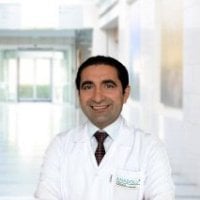
Revisado médicamente por
Abdulcabbar Kartal
¿Cuál es el precio de procedimientos de Cirugía en Corea del Sur? Descubra ahora
La cirugía en Corea del Sur suele costar entre $10,100 y $32,000. Los precios finales dependen del nivel del centro médico, la complejidad de la operación y el estatus de residencia del paciente. Los pacientes internacionales a menudo ahorran entre un 40 y un 75% en comparación con los EE. UU., lo que lo convierte en un centro importante tanto para procedimientos médicos como estéticos.
Costos típicos de cirugía en Corea del Sur
- Consulta con un cirujano: de $55
- TC de tórax: de $230
- Resección gástrica: de $15,000
- Nefrectomía: de $15,000
- Circuncisión: Precio a consultar
- Histerectomía (extirpación del útero): Precio a consultar
- Miomectomía (extirpación de fibromas uterinos): de $5,300
- Tiroidectomía: Precio a consultar
- Extirpación de quiste ovárico: Precio a consultar
- Cirugía de cáncer de mama: $7,000 – $9,000
La mayoría de los principales centros médicos se encuentran en Seúl, Incheon y Busan. Las clínicas en el distrito de Gangnam en Seúl suelen cobrar alrededor de un 20% más que las instalaciones regionales. Consulte con un especialista para obtener precios precisos para sus necesidades médicas y plan de tratamiento específicos.
| Corea del Sur | España | Turquía | |
|---|---|---|---|
| Resección del intestino delgado | de $74 | de $12,300 | de $6,500 |
| Resección de vesícula biliar | ≈ $5,500 | de $9,200 | de $3,000 |
| Resección de estómago | de $15,000 | de $20,000 | de $3,100 |
| Reparación de hernia umbilical | de $1,400 | de $6,200 | de $3,300 |
| Nefrectomía | de $15,000 | de $17,700 | de $6,600 |
Todas las enfermedades de Cirugía
Sus beneficios y garantías con Bookimed
Precios directos
Bookimed no añade cargos extra a los precios de los tratamientos de Cirugía. Las tarifas proceden de las listas de precios oficiales de las clínicas. Pagará directamente en la clínica por su tratamiento a su llegada al país.
Sólo clínicas y médicos verificados
Bookimed está comprometido con su seguridad. Solo trabajamos con las clínicas que mantienen altos estándares internacionales en el tratamiento de Cirugía y tienen las licencias necesarias para atender a pacientes internacionales en todo el mundo.
Asistencia 24/7 gratuita
Bookimed ofrece asistencia experta gratuita. Un coordinador médico personal le apoya antes, durante y después del tratamiento, resolviendo cualquier problema. Nunca estará solo en su viaje médico de procedimientos de Cirugía.

Su coordinador médico personal de Bookimed
- Le apoya en cada etapa
- Ayuda a elegir la clínica y el médico adecuados
- Asegura un acceso rápido y conveniente a la información
Descubra las mejores clínicas de Cirugía en Corea del Sur: 49 opciones verificadas y Precios


Hospital Seoul Miz





SAERO Plastic Surgery
Los mejores centros médicos de Cirugía en Corea del Sur
- Clínica de cirugía plástica VG Plastic Surgery, Corea del Sur
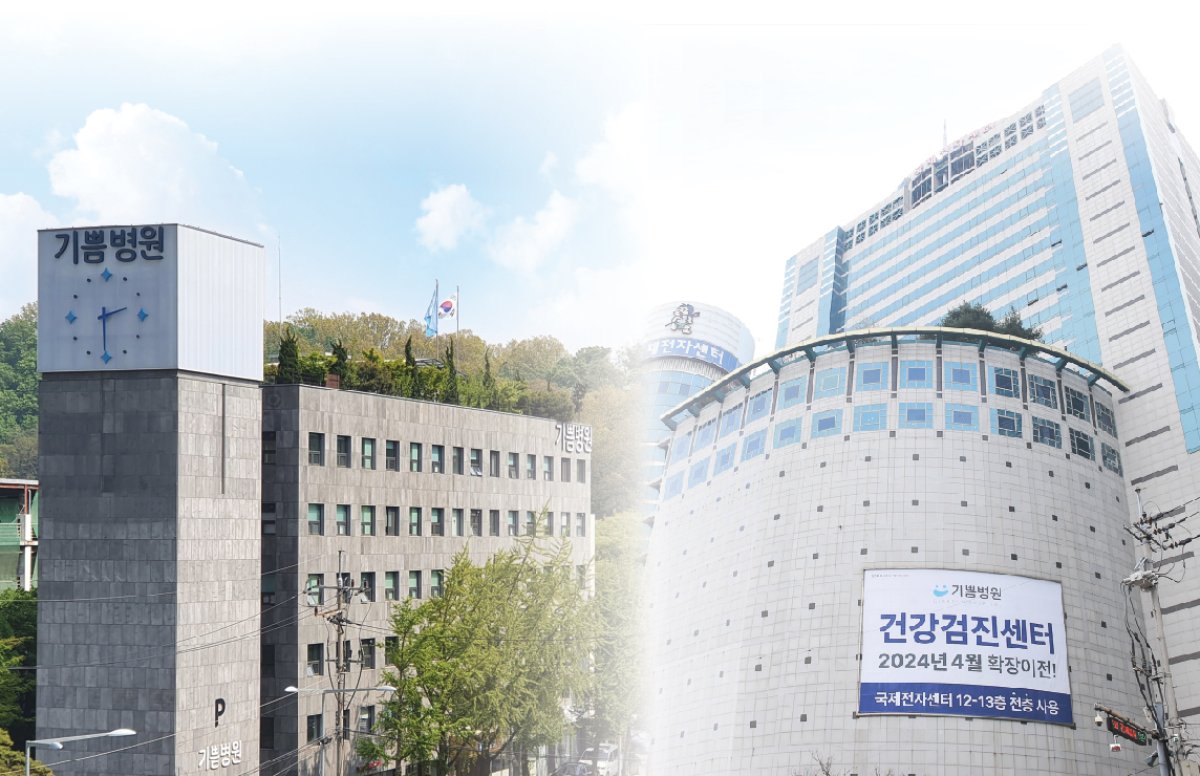
- Hospital General Gibbeum, Corea del Sur
- Hospital Seoul Miz, Corea del Sur
- Samsung Medical Center, Corea del Sur
- SAERO Plastic Surgery, Corea del Sur
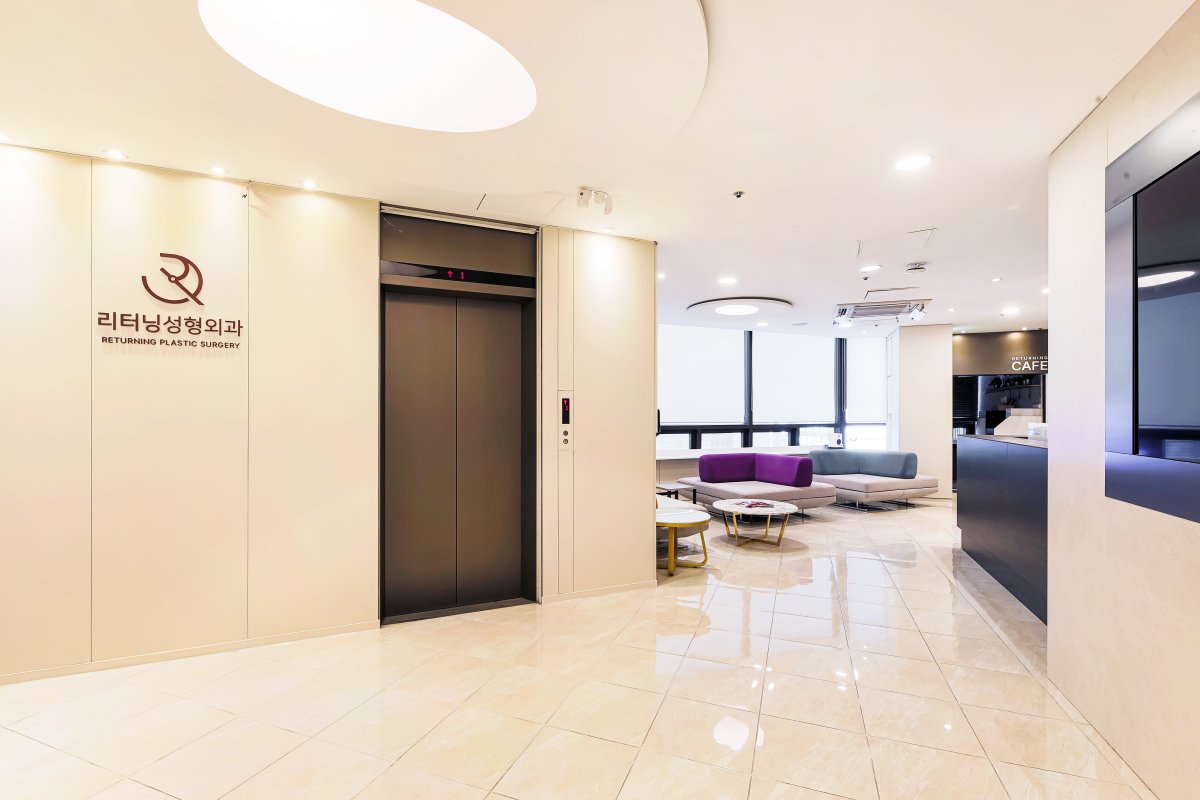
- Returning Plastic Surgery, Corea del Sur
- JK Plastic Surgery Center, Corea del Sur
- NAEUN HOSPITAL, Corea del Sur
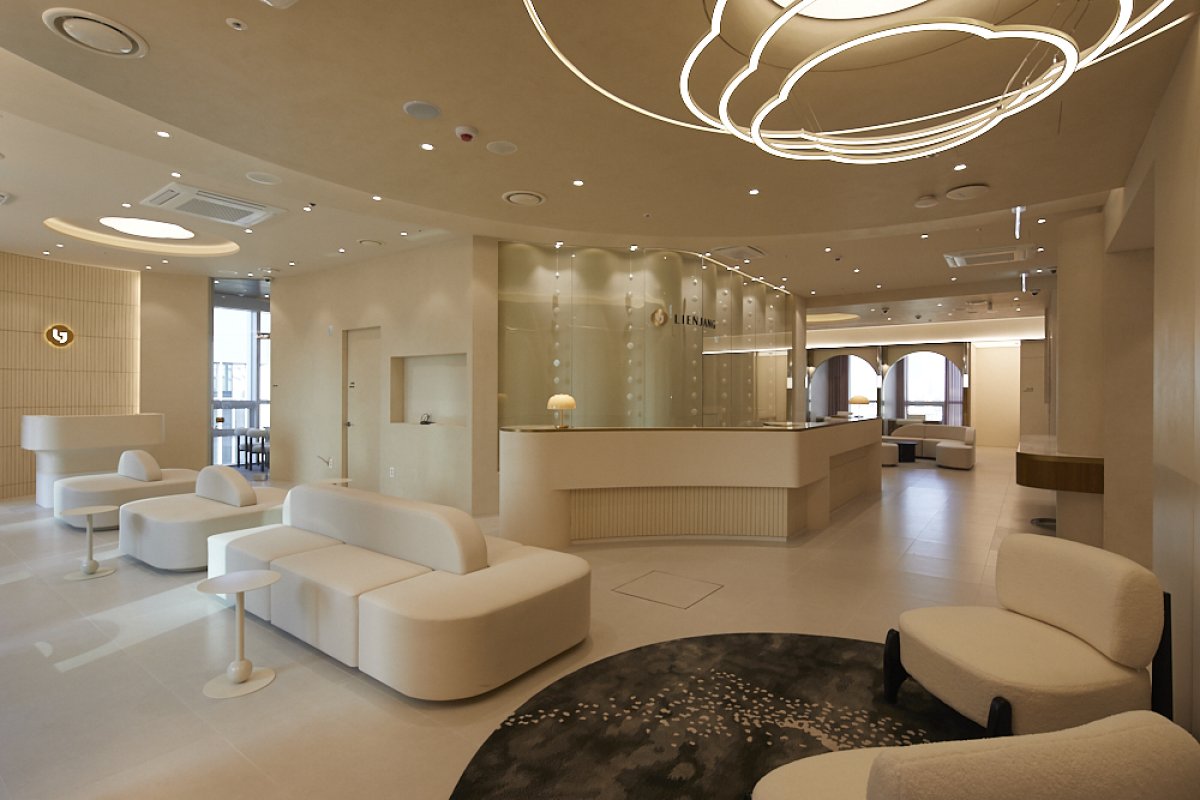
- Lienjang Plastic Surgery & Aesthetic Clinic, Corea del Sur
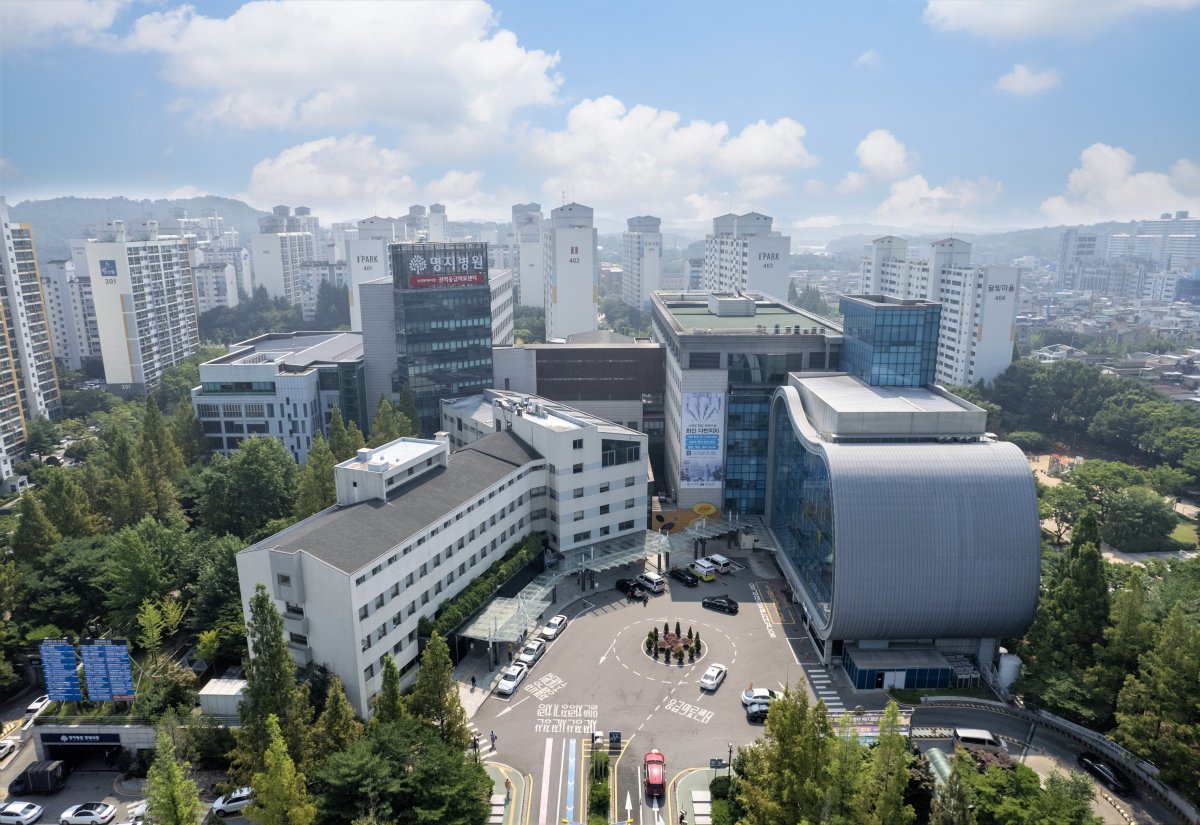
- Myongji Hospital, Corea del Sur
Obtenga una evaluación médica de Cirugía en Corea del Sur: haga una consulta con 40 médicos experimentados ahora
Ver todos los médicos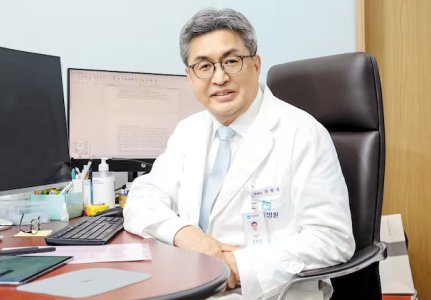
Yoon Sik Kang
El Dr. Yoon Shik Kang, M.D., Ph.D., es presidente y fundador del Hospital Gibbeum, el único hospital general de especialidad quirúrgica de Corea. El Dr. Kang es pionero en cirugía de hernia y colorrectal. Tiene más de 30 años de experiencia y ha realizado más de 40.000 operaciones, incluidas más de 20.000 reparaciones de hernia sin malla. Fue clasificado como el especialista en proctología n.º 1 por Dong‑A Ilbo. Recibió el Premio Hanmi True Medical 2016.
El Dr. Kang desarrolló la Kang
Mo Hyung-jin
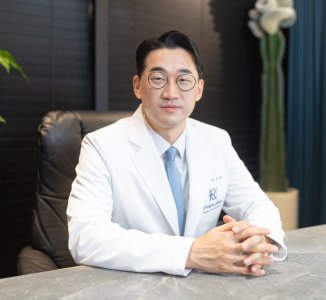
Ji Yong Lee
Compartir contenido
Historias en video de pacientes de Bookimed
 Olena Sikoza
Preguntas frecuentes sobre Cirugía en Corea del Sur
¿Cómo puedo verificar si una clínica o un cirujano es de confianza?
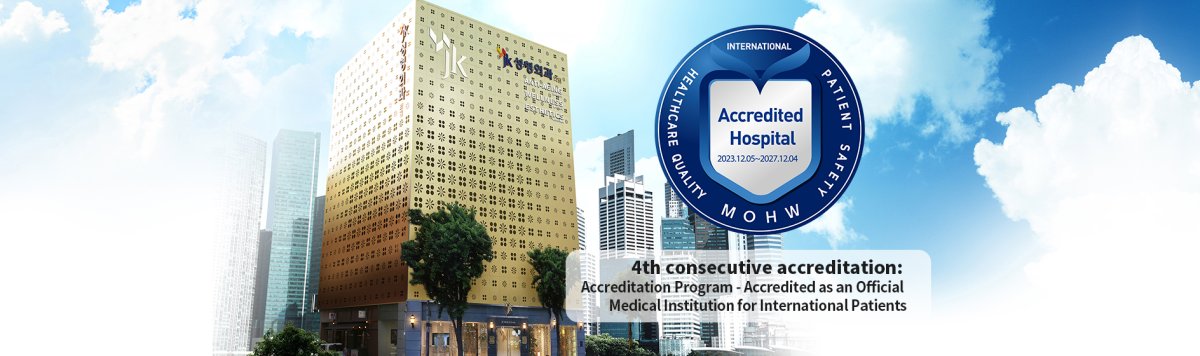
Verificar una clínica en la República de Corea requiere comprobar la acreditación KOIHA. Este estándar nacional garantiza que el centro cumple con las normas internacionales de seguridad y calidad. Los pacientes también deben confirmar las normas ISO y las clasificaciones hospitalarias específicas de fuentes globales como Newsweek.
- Acreditación hospitalaria: Busque la certificación KOIHA para garantizar los estándares internacionales de seguridad y calidad.
- Credenciales del médico: Verifique la certificación de la junta y la formación especializada en instituciones como la Universidad Nacional de Seúl.
- Volumen quirúrgico: Centros líderes como el Asan Medical Center realizan más de 65.000 operaciones cada año.
- Tasas de éxito: Clínicas de renombre como el JK Plastic Surgery Center informan de un 100% de éxito en más de 85.000 procedimientos.
Opinión de los expertos de Bookimed: Los centros de gran volumen en Seúl suelen ofrecer resultados más fiables que las clínicas boutique más pequeñas. El Asan Medical Center atendió a 182.220 pacientes el año pasado y realiza el 45% de los trasplantes de corazón de Corea. Este nivel de especialización suele significar que los equipos quirúrgicos tienen una experiencia procedimental inigualable.
Consenso de los pacientes: Los pacientes señalan que todo en los hospitales coreanos
¿Qué son los 'cirujanos fantasma' y cómo puedo evitarlos?
Los cirujanos fantasma son médicos sustitutos que realizan partes críticas de una operación sin el consentimiento del paciente. Esta práctica engañosa a menudo implica que residentes o asistentes con menos experiencia reemplacen al cirujano principal anunciado. Es más común en clínicas de alto volumen donde los motivos de lucro prevalecen sobre la seguridad del paciente y la transparencia.
- Confirmación directa: Pregunte: '¿Realizará usted personalmente toda esta cirugía de principio a fin?'
- Precisión lingüística: Utilice la frase coreana '이 수술을 직접 하실 건가요?' durante su consulta.
- Modificación del contrato: Tache términos vagos como 'designados' y escriba el nombre específico de su cirujano.
- Verificación postoperatoria: Solicite los registros oficiales de anestesia y operación para confirmar exactamente quién entró en la sala.
Perspectiva de expertos de Bookimed: El alto volumen de pacientes puede ser una señal de alerta importante en Corea. Clínicas como el Samsung Medical Center realizan más de 45,800 operaciones al año con 1,400 médicos, manteniendo estándares académicos claros. Por el contrario, si un solo cirujano en una clínica más pequeña afirma manejar más de 10 casos al día, es probable que utilice sustitutos para la mayor parte del trabajo.
Consenso de los pacientes: Los pacientes advierten que los cirujano
¿Cuánto tiempo debo planear quedarme en Corea del Sur para una cirugía?
La mayoría de los pacientes deben planear quedarse en Corea del Sur de 10 a 21 días. Este plazo cubre las consultas preoperatorias, el procedimiento quirúrgico y las citas de seguimiento esenciales. Las cirugías reconstructivas o faciales mayores suelen requerir al menos de 14 a 21 días para una recuperación segura.
- Procedimientos menores: La estancia estándar es de 7 a 10 días para cirugías como blefaroplastia o aumento de senos.
- Procedimientos moderados: Planifique de 10 a 14 días para una rinoplastia para permitir la retirada de la férula y los puntos.
- Cirugías complejas: El contorno facial o la cirugía de mandíbula requieren de 14 a 21 días debido a la inflamación significativa.
- Seguridad en el vuelo: Los equipos médicos recomiendan esperar de 10 a 14 días después de la anestesia antes de realizar vuelos de larga distancia.
Perspectiva del experto de Bookimed: Los datos de centros de alto volumen como el Asan Medical Center, que realiza más de 65,000 operaciones al año, muestran que los protocolos de recuperación están estrictamente estandarizados. Elegir una clínica con imágenes de alta tecnología en el lugar, como el Samsung Medical Center, a menudo puede condensar la fase de diagnóstico. Esto permite a los pacientes pasar de la consulta a la cirugía dentro de las 48 horas posteriores a su llegada.
Consenso de los p
¿Es la cirugía en Corea segura y efectiva para pacientes no asiáticos?
La cirugía en Corea del Sur es altamente segura y efectiva para pacientes no asiáticos cuando se realiza en instituciones acreditadas. Centros como el Samsung Medical Center y el Asan Medical Center mantienen estándares internacionales ISO. Los cirujanos a menudo se especializan en procedimientos únicos, asegurando una alta precisión y resultados de aspecto natural en diversas etnias.
- Acreditación de clínicas: Los mejores hospitales cuentan con certificaciones KOIHA o JCI, lo que garantiza una seguridad e higiene rigurosas.
- Experiencia especializada: Los cirujanos del JK Plastic Surgery Center han realizado más de 85.000 procedimientos con gran éxito.
- Tecnología avanzada: Los centros utilizan sistemas robóticos Da Vinci e IGRT para una precisión quirúrgica mínimamente invasiva.
- Volumen de pacientes: Los principales hospitales como el Asan Medical Center realizan más de 65.000 operaciones exitosas al año.
Perspectiva de expertos de Bookimed: Los datos muestran una tendencia clara: los pacientes no asiáticos obtienen los mejores resultados en hospitales multidisciplinarios en lugar de clínicas boutique de «solo belleza». Los grandes centros como el Samsung Medical Center tratan a más de 2.000 pacientes internacionales simultáneamente. Estas instituciones cuentan con equipos de traducción integrados y departamentos acostumbrados a las estr
¿Qué sucede si hay complicaciones después de regresar a casa?
Las complicaciones posquirúrgicas después de regresar de la República de Corea requieren una acción inmediata a través de la coordinación clínica remota o la atención de emergencia local. La mayoría de los problemas quirúrgicos surgen dentro de las siete semanas posteriores al alta. Los pacientes deben controlar la fiebre, la hinchazón o el enrojecimiento y comunicarse con su equipo quirúrgico coreano a través de aplicaciones dedicadas para el triaje.
- Atención de emergencia: Busque tratamiento en un hospital local de inmediato si presenta dolor en el pecho o dificultad para respirar.
- Triaje remoto: Utilice KakaoTalk o WhatsApp para revisiones fotográficas con su equipo quirúrgico coreano.
- Registros clínicos: Mantenga sus documentos de alta y listas de medicamentos listos para los médicos locales.
- Período de seguimiento: Clínicas como VG Plastic Surgery brindan asistencia multilingüe para pacientes internacionales.
Perspectiva del experto de Bookimed: Los datos de centros de gran volumen como el Asan Medical Center, que realiza más de 65 000 operaciones al año, muestran que los planes de alta estructurados son vitales. Los pacientes deben confirmar si su clínica tiene médicos asociados en su país de origen. Esto puede evitar altos costos de bolsillo si los cirujanos locales se muestran reacios a tratar técnicas o materiales desconocidos.
¿Qué debo hacer para prepararme para una cirugía?
La preparación para una cirugía en la República de Corea requiere la gestión de medicamentos y la realización de pruebas diagnósticas obligatorias el mismo día de la llegada. Los pacientes deben suspender los anticoagulantes o medicamentos antiinflamatorios 7 días antes de la cirugía. El ayuno después de la medianoche es estrictamente obligatorio para todos los procedimientos para prevenir complicaciones con la anestesia.
- Revisión de medicamentos: Suspenda la aspirina o los anticoagulantes 7 días antes de su procedimiento programado.
- Pruebas obligatorias: Complete los análisis de sangre y el ECG inmediatamente al llegar a la clínica.
- Preparación del estilo de vida: Deje de fumar o vapear 4 a 6 semanas antes para evitar retrasos en la cirugía.
- Reglas de ayuno: No consuma alimentos ni agua después de la medianoche antes de su cirugía.
- Logística de recuperación: Presupueste al menos 10 días en Corea para el monitoreo postoperatorio.
Perspectiva de expertos de Bookimed: Los datos de los principales centros de Seúl, como el Samsung Medical Center, muestran que los resultados de diagnóstico el mismo día son estándar. Sin embargo, los pacientes internacionales a menudo pasan por alto que las clínicas coreanas pueden requerir un acompañante familiar para el consentimiento de la anestesia. Si viaja solo, confirme si la
¿Necesito una visa especial para recibir tratamiento médico en Corea del Sur?
La mayoría de los pacientes internacionales no necesitan una visa médica especial para cirugías que duren menos de 90 días. Los ciudadanos de países exentos de visa pueden ingresar utilizando una K-ETA estándar. Para casos complejos o estancias superiores a 90 días, se requieren las visas médicas C-3-3 o G-1-10.
- Entrada con K-ETA: Autorización estándar para cirugías de corta duración para la mayoría de las nacionalidades exentas de visa.
- Visa C-3-3: Específicamente para tratamiento médico y recuperación de hasta 90 días.
- Visa G-1-10: Requerida para tratamientos a largo plazo como oncología que superen una estancia de 90 días.
- Documentos obligatorios: Las clínicas proporcionan la carta de invitación oficial necesaria y los certificados médicos.
Perspectiva del experto de Bookimed: Nuestros datos muestran que los centros de alto volumen como el Samsung Medical Center y el Asan Medical Center cuentan con departamentos internacionales dedicados. Estos equipos son expertos en la emisión de certificados para visas G-1-10 para cirugías complejas. Los pacientes en clínicas más pequeñas a menudo se limitan a la K-ETA de 90 días. Verifique siempre si su procedimiento específico requiere una recuperación más larga antes de elegir su método de entrada.
Consenso de los pacientes: Los pacientes señalan que es útil tener invita
¿Cómo puedo verificar si un cirujano es legítimo?
Verifique a un cirujano coreano comprobando la acreditación KOIHA y la certificación de la junta a través del Ministerio de Salud y Bienestar. Los cirujanos legítimos cuentan con una formación especializada específica. Profesionales como el Dr. Francis Jeon y el Dr. Seung-hyung Noh mantienen certificaciones activas y membresías en la Sociedad Coreana de Cirujanos Plásticos y Reconstructivos.
- Acreditación hospitalaria: Busque los logotipos de KOIHA o JCI en instalaciones como el Samsung Medical Center.
- Estatus de especialista: Confirme que los cirujanos tengan títulos de medicina (MD) de universidades de primer nivel como la Universidad Nacional de Seúl.
- Membresías profesionales: Verifique las afiliaciones con la Sociedad Quirúrgica Coreana o juntas clínicas especializadas.
- Experiencia clínica: Priorice a los médicos con más de 15 años de experiencia en su campo específico.
Perspectiva de expertos de Bookimed: Los altos volúmenes de pacientes a menudo indican fiabilidad en el sistema médico coreano. El Centro Médico Asan realiza más de 65.000 operaciones al año con altas tasas de éxito en trasplantes. Las clínicas con calificaciones de 4.9+ o más, como VG Plastic Surgery, suelen emplear especialistas que tratan a más de 1.000 pacientes internacionales al año. Este volumen garantiza que los cirujanos se mantengan actualizados con técnicas
¿Existen tarifas ocultas para pacientes internacionales?
La mayoría de los centros quirúrgicos de renombre en Corea del Sur ofrecen precios transparentes, pero los pacientes internacionales deben presupuestar costos más allá del presupuesto inicial. Los precios de las cirugías oscilan entre _price_from_ y _price_to_. Los gastos comunes no presupuestados incluyen excesos de anestesia, estancias de recuperación prolongadas y pruebas de diagnóstico especializadas como tomografías computarizadas o resonancias magnéticas.
- Tarifas de anestesia: Los presupuestos pueden excluir los costos de anestesia, que varían según la duración del procedimiento.
- Imágenes de diagnóstico: Una resonancia magnética abdominal preoperatoria cuesta entre de $600 y a menudo se factura por separado.
- Extensiones de recuperación: La hinchazón o los hematomas pueden prolongar las estancias hospitalarias, añadiendo cargos diarios por habitación.
- Costos de acompañante: Alojamiento para un familiar generalmente incurre en tarifas adicionales por cama y comidas.
Perspectiva del experto de Bookimed: Los datos muestran que los centros de gran volumen como el Samsung Medical Center, que trata a más de 2.000.000 de pacientes al año, ofrecen precios más estandarizados debido a su escala administrativa. Las clínicas más pequeñas pueden parecer más baratas inicialmente, pero a menudo cobran por separ
¿Están las clínicas reguladas para viajeros internacionales?
Las clínicas médicas en la República de Corea están estrictamente reguladas por el Ministerio de Salud y Bienestar. Las instalaciones que atienden a viajeros internacionales deben obtener una autorización gubernamental específica. Los hospitales de alto nivel a menudo mantienen la acreditación JCI y la certificación KOIHA para garantizar estándares internacionales de seguridad y calidad para los procedimientos quirúrgicos.
- Licencia nacional: El Ministerio de Salud y Bienestar exige licencias para todas las instalaciones quirúrgicas.
- Estándares internacionales: Centros líderes como el Samsung Medical Center poseen certificaciones JCI e ISO.
- Programas de seguridad: La acreditación KOIHA garantiza una excelente calidad y seguridad en los centros de salud coreanos.
- Experiencia quirúrgica: Cirujanos como el Dr. Hyun Moo Lee tienen más de 15 años de experiencia especializada.
Perspectiva de expertos de Bookimed: Nuestros datos muestran una clara correlación entre el alto volumen de pacientes y las certificaciones de seguridad. Los centros a gran escala como el Asan Medical Center, que realiza más de 65.000 operaciones al año, mantienen constantemente los estándares KOIHA e ISO. Estas clínicas de alto volumen a menudo proporcionan una infraestructura más sólida para los pacientes internacionales que las prácticas especializadas más pequeñas.