Cirugía en India — Costos 2026

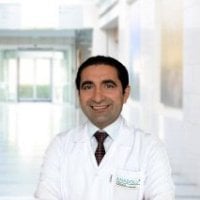
Revisado médicamente por
Abdulcabbar Kartal
¿Cuál es el precio de procedimientos de Cirugía en India? Descubra ahora
Surgery in India typically costs between $4,300 and $9,600, depending on the procedure type, hospital accreditation, and technology used. Final prices often include surgeon fees, hospital stay, and routine diagnostics. Patients can expect 60-80% savings compared to the United States while receiving care in internationally accredited facilities.
Typical Surgery Costs in India
- Consultation with creation of treatment plan: de $60
- Abdominal CT Scan: de $180
- Hysterectomy: Precio a consultar
- Myomectomy: de $3,200
- Stomach resection: $6,500 – $9,500
- Cochlear implant placement: $6,000 – $15,000
- Hemorrhoidectomy: Precio a consultar
- Umbilical hernia repair: $1,800 – $2,600
- Nephrectomy: $4,200 – $5,000
- Breast cancer surgery: $3,000 – $3,500
Major medical hubs include Delhi, Mumbai, Chennai, and Bangalore, where JCI-accredited hospitals are concentrated. Tier-1 facilities in these metropolitan areas usually cost more than regional clinics. Consult with a specialist to get accurate pricing and a tailored treatment plan for your specific case.
| India | España | Turquía | |
|---|---|---|---|
| Resección del intestino delgado | ≈ $4,500 | de $14,300 | de $6,500 |
| Resección de vesícula biliar | ≈ $2,800 | de $10,700 | de $3,000 |
| Resección de estómago | ≈ $6,500 | de $20,000 | de $3,100 |
| Reparación de hernia umbilical | de $1,800 | de $6,200 | de $3,300 |
| Nefrectomía | de $4,200 | de $17,700 | de $6,600 |
Todas las enfermedades de Cirugía
Sus beneficios y garantías con Bookimed
Precios directos
Bookimed no añade cargos extra a los precios de los tratamientos de Cirugía. Las tarifas proceden de las listas de precios oficiales de las clínicas. Pagará directamente en la clínica por su tratamiento a su llegada al país.
Sólo clínicas y médicos verificados
Bookimed está comprometido con su seguridad. Solo trabajamos con las clínicas que mantienen altos estándares internacionales en el tratamiento de Cirugía y tienen las licencias necesarias para atender a pacientes internacionales en todo el mundo.
Asistencia 24/7 gratuita
Bookimed ofrece asistencia experta gratuita. Un coordinador médico personal le apoya antes, durante y después del tratamiento, resolviendo cualquier problema. Nunca estará solo en su viaje médico de procedimientos de Cirugía.

Su coordinador médico personal de Bookimed
- Le apoya en cada etapa
- Ayuda a elegir la clínica y el médico adecuados
- Asegura un acceso rápido y conveniente a la información
Descubra las mejores clínicas de Cirugía en India: 81 opciones verificadas y Precios




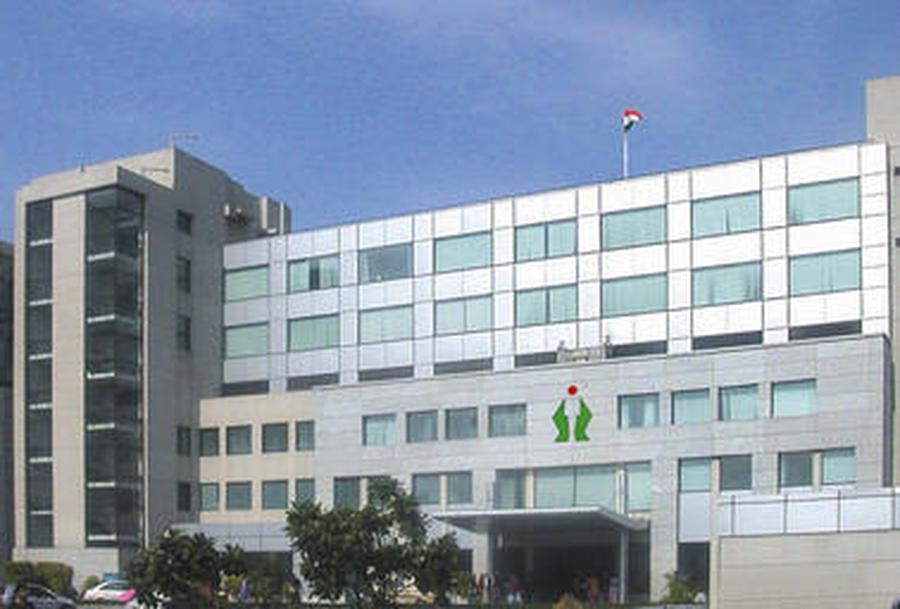






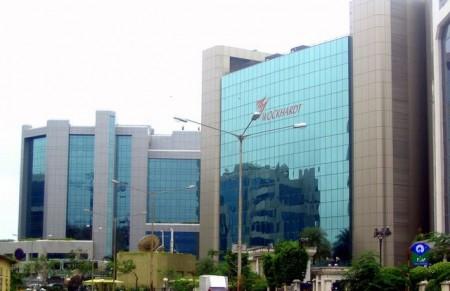
Wockhardt Hospital






Los mejores centros médicos de Cirugía en India
- Artemis Hospitals, India
- Fortis Escorts Heart Institute, India
- Apollo Hospital Indraprastha, India
- Fortis Gurgaon, India
- Medanta Hospital, India
- Wockhardt Hospital, India
- Kokilaben Dhirubhai Ambani , India
- Manipal Hospitals, India
- Global Hospital Chennai, India
- BLK Super Speciality Hospital, India
Obtenga una evaluación médica de Cirugía en India: haga una consulta con 88 médicos experimentados ahora
Ver todos los médicos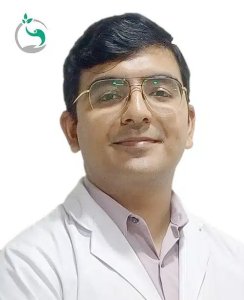
Divyanshu Sharma
El Dr. Divyanshu Sharma es cirujano consultor de otorrinolaringología en Silver Streak Multispeciality Hospital. Realiza cirugías endoscópicas de la base del cráneo, incluidos abordajes transnasales transesfenoidales. El Dr. Sharma se formó en el Armed Forces Medical College (AFMC) de Pune. Trabaja en un centro acreditado por la JCI en Gurgaon que atiende a 1.500 pacientes al año.
- Realiza traqueostomías de urgencia y programadas para el manejo de las vías respiratorias.
- Tra
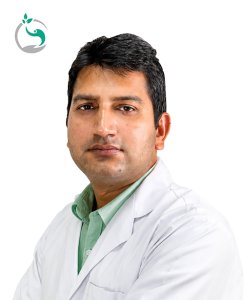
Gagan Deep Yadav
El Dr. Gagan Deep Yadav es cirujano ortopédico y de columna en SilverStreak Hospital, en Gurgaon. Tiene un título MCh en Cirugía de Columna por AIIMS Rishikesh. El Dr. Yadav realiza intervenciones de columna, como discectomías cervicales y cirugía de discos lumbares. Trabaja en un centro acreditado por la JCI.
- Es autor de más de 25 publicaciones sobre investigación ortopédica y de columna indexadas en PubMed.
- Completó una estancia de especialización en reemplazo articular e

Pallavee Ratbongshi

Dr. Anshu Gupta
La Dra. Anshu Gupta es fundadora y directora del Advanced Dental Care Center. Obtuvo una medalla de oro en el PGIMER de Chandigarh. La Dra. Gupta realiza rehabilitaciones de toda la boca y cirugías complejas de implantes. Utiliza implantes cigomáticos e injertos óseos en pacientes con hueso maxilar limitado. Atiende a pacientes de EE. UU., Reino Unido y Australia.
- Realiza tratamientos «Teeth in a Day» e implantes dentales All-on-4 en el mismo día.
- Utiliza implantes cigomáti
Compartir contenido
Historias en video de pacientes de Bookimed
 Olena Sikoza
Preguntas frecuentes sobre Cirugía en India
¿Puedo confiar en la calidad de los médicos indios?
La experiencia quirúrgica india es reconocida mundialmente debido a una formación competitiva rigurosa y una inmensa exposición clínica. Muchos especialistas poseen becas del Royal College of Surgeons o juntas estadounidenses. Instalaciones como Artemis Hospitals y Apollo Hospital Indraprastha mantienen la acreditación JCI, cumpliendo con los estándares internacionales de seguridad y éxito clínico.
- Volumen de experiencia: El Dr. Ajay Kaul en el BLK Hospital ha realizado más de 15,000 cirugías cardíacas.
- Éxito clínico: El Dr. Vivek Vij reporta la tasa de complicaciones biliares más baja del mundo, por debajo del 4%.
- Formación internacional: El Dr. Amrith Raj Rao posee certificación de la junta del Reino Unido y becas estadounidenses.
- Estándares hospitalarios: Centros líderes como Manipal Hospitals atienden a 2,000,000 de pacientes anualmente con certificación ISO.
Perspectiva del experto de Bookimed: Los datos muestran una correlación entre los centros de trasplante de alto volumen y resultados superiores. El Global Hospital Chennai ha completado más de 1,000 trasplantes de hígado. Esta frecuencia masiva de casos permite a los cirujanos indios perfeccionar sus técnicas más rápido que sus pares occidentales. Los pacientes deben priorizar a los médicos en estas grandes cadenas para garantizar el acceso a tasas de éxito validadas.
¿Es seguro viajar a casa justo después de la cirugía?
La seguridad del viaje después de una cirugía en la India depende del tipo de procedimiento y del método de transporte. Las operaciones menores permiten viajar en un plazo de 24 a 48 horas. Las cirugías mayores, como los trasplantes de hígado o los procedimientos cardíacos, requieren de 7 a 21 días de recuperación local. Los vuelos a gran altitud aumentan el riesgo de coágulos sanguíneos poco después del alta.
- Ventana de viaje: Los casos laparoscópicos menores suelen requerir de 1 a 2 días antes de un viaje de corta distancia.
- Cirugía mayor: Los pacientes de ortopedia y cardiología deben esperar de 7 a 14 días por seguridad.
- Prevención de coágulos: Use prendas de compresión y camine cada 60 minutos durante los viajes largos.
- Autorización médica: Obtenga siempre un certificado escrito de aptitud para volar de su cirujano antes de la salida.
Perspectiva del experto de Bookimed: Los datos clínicos de centros de gran volumen como el Global Hospital Chennai muestran que los plazos de recuperación son específicos de cada procedimiento. Por ejemplo, el Dr. Vivek Vij ha realizado más de 500 trasplantes de hígado con una tasa de complicaciones biliares inferior al 4%. Incluso con tal éxito, estos casos complejos requieren permanecer cerca del hospital durante semanas. Elegir una clínica con departamentos internacionales en el lugar, como el Apol
¿Necesito una visa especial para una cirugía?
Los pacientes que viajan para someterse a una cirugía en la India generalmente requieren una e-Medical Visa o una Medical Visa estándar (Med-1). Estas categorías específicas difieren de las visas de turista. Permiten una estancia de hasta 60 días con triple entrada. Debe proporcionar una carta de invitación oficial de un hospital acreditado por la JCI.
- Categoría de visa: La e-Medical Visa es la opción estándar para la mayoría de los procedimientos quirúrgicos a corto plazo.
- Documento requerido: Debe presentar una carta oficial del hospital indio confirmando su tratamiento.
- Duración de la estancia: La mayoría de las visas médicas permiten 60 días e incluyen 3 entradas separadas.
- Visa de acompañante: Hasta 2 acompañantes pueden solicitar por separado una Medical Attendant Visa (Med-2).
Perspectiva del experto de Bookimed: Los datos de centros importantes como Delhi y Gurgaon muestran que los centros de alto volumen, incluidos el Apollo Hospital Indraprastha y los Artemis Hospitals, cuentan con equipos dedicados a las invitaciones de visa. Estas clínicas acreditadas por la JCI a menudo emiten documentación más rápido que las instalaciones más pequeñas. Elegir un centro que atiende a más de 1.000.000 de pacientes al año generalmente garantiza un proceso burocrático más fluido para sus permisos de entrada.
Consenso de los paci
¿Qué debo preguntarle a mi cirujano durante una consulta virtual?
Durante una consulta virtual para una cirugía en la India, pregunte sobre las certificaciones de la junta, los volúmenes de casos y las tasas de éxito específicas. Infórmese sobre el uso de técnicas robóticas o laparoscópicas para minimizar el tiempo de recuperación. Verifique si el centro cuenta con acreditaciones internacionales como JCI o NABH para garantizar la seguridad.
- Experiencia: Pregunte por el número de procedimientos específicos, como las más de 15.000 operaciones realizadas por el Dr. Ajay Kaul.
- Tecnología: Confirme si la clínica utiliza sistemas robóticos, disponibles en centros como Fortis Gurgaon y Manipal Hospitals.
- Acreditación: Compruebe las clasificaciones de JCI o Newsweek en hospitales como Apollo Indraprastha o Artemis Hospitals.
- Recuperación: Solicite un cronograma detallado para volver al trabajo y volar a casa después de procedimientos quirúrgicos avanzados.
Perspectiva de expertos de Bookimed: Las redes más grandes de la India, como Manipal Hospitals y Apollo, gestionan más de 1.000.000 de pacientes al año. Este volumen masivo a menudo conduce a tasas de complicaciones más bajas, como se observa con la tasa de complicaciones biliares del Dr. Vivek Vij, que es inferior al 4%. Pregunte siempre si su cirujano maneja personalmente todo el procedimiento o si dirige un equipo especializado.
Consenso d
¿Cómo manejo la barrera del idioma?
Gestionar la barrera del idioma durante una cirugía en la India es sencillo en instalaciones acreditadas por la JCI. Centros líderes como el Apollo Hospital Indraprastha y los Manipal Hospitals emplean personal médico que habla inglés con fluidez. Los pacientes deben usar aplicaciones de traducción para necesidades básicas y confiar en Bookimed para coordinar toda la comunicación clínica y la logística.
- Credenciales de la clínica: Los hospitales acreditados por la JCI, como Artemis Hospitals, garantizan que los médicos hablen inglés con fluidez.
- Herramientas digitales: Las aplicaciones de traducción sin conexión ayudan a comunicar necesidades básicas, como los niveles de dolor, al personal de apoyo.
- Verificación previa al viaje: Las consultas por video a través de WhatsApp ayudan a los pacientes a confirmar de antemano el dominio del idioma de su cirujano.
- Experiencia del personal: Los médicos especialistas como el Dr. Ajay Kaul a menudo tienen formación internacional y antecedentes académicos.
Perspectiva del experto de Bookimed: Los datos muestran una tendencia clara en la que los hospitales que atienden a más de 1 millón de pacientes internacionales, como el Apollo Hospital Indraprastha, tienen protocolos en inglés altamente estandarizados. Elegir estos centros de gran volumen en ciudades importantes como Delhi o Bengaluru reduce sig
¿Quién cuidará de mí durante la recuperación?
La atención de recuperación en la India combina la supervisión clínica con la asistencia personal de familiares y cuidadores dedicados. Las instalaciones acreditadas por la JCI, como el Artemis Hospital y el BLK Super Speciality Hospital, proporcionan la monitorización postoperatoria inicial. La mayor parte de la recuperación se traslada luego a un cuidador principal o a un profesional contratado en un hotel o en un entorno doméstico.
- Monitorización clínica: Los equipos médicos del BLK Super Speciality Hospital gestionan la estabilización postquirúrgica temprana.
- Enfermería privada: Los pacientes a menudo contratan enfermeros profesionales que brindan atención de heridas y control de signos vitales las 24 horas del día, los 7 días de la semana.
- Asistentes personales: Los asistentes locales llamados 'ayas' brindan asistencia asequible con la movilidad y las tareas diarias.
- Seguimiento especializado: Cirujanos como el Dr. Vivek Vij a menudo siguen el progreso a través de mensajes digitales y fotos.
Perspectiva del experto de Bookimed: La calidad del apoyo a menudo depende de la escala del hospital y de la ciudad. Las grandes instituciones como Manipal Hospitals, que atiende a 2.000.000 de pacientes al año, tienen protocolos establecidos para la recuperación internacional. Notamos que es por eso que muchos pacientes eligen clínicas en Beng
¿Cómo se gestiona el seguimiento médico una vez que regreso a casa?
El seguimiento médico después de una cirugía en la India implica una transición coordinada entre el equipo de alta de su hospital y su recuperación en casa. Los pacientes reciben un plan de alta por escrito que detalla los medicamentos, las limitaciones de actividad y el cuidado de las heridas. La mayoría de los hospitales recomiendan un chequeo con un médico de atención primaria dentro de los 7 días para monitorear la curación.
- Documentación de alta: Incluye diagnóstico, horarios de medicación, restricciones dietéticas y límites de actividad específicos.
- Monitoreo de síntomas: Los pacientes deben realizar un seguimiento de los niveles de dolor y estar atentos a signos de infección o hinchazón.
- Consultas remotas: Muchos cirujanos brindan apoyo de seguimiento por teléfono o aplicaciones de mensajería digital.
- Apoyo profesional: Los hospitales pueden coordinar enfermería domiciliaria o fisioterapia si es necesario.
Perspectiva de expertos de Bookimed: Los datos de centros líderes como el Apollo Hospital Indraprastha y los Manipal Hospitals muestran un cambio hacia la integración digital. Estos centros a menudo utilizan registros de salud electrónicos (EHR) y telemedicina para cerrar la brecha para los pacientes internacionales. Elegir un hospital acreditado por la JCI en una gran ciudad generalmente garantiza cronogramas postoperatorios m
¿Es seguro operarse en la India?
La cirugía en la India es segura cuando se realiza en centros médicos privados acreditados por la JCI o la NABH. Estas instalaciones siguen protocolos clínicos internacionales. Muchos especialistas, incluidos el Dr. Ajay Kaul y el Dr. Amrith Raj Rao, poseen certificaciones del Reino Unido, EE. UU. o Alemania. Se reportan altas tasas de éxito en procedimientos complejos.
- Acreditación hospitalaria: Clínicas de primer nivel como el Apollo Hospital Indraprastha cuentan con la acreditación JCI para la seguridad del paciente.
- Experiencia de especialistas: Los cirujanos a menudo tienen más de 20 años de experiencia y formación internacional.
- Tecnología avanzada: Instalaciones como Artemis Hospitals utilizan IA, cirugía robótica y sistemas de imágenes digitales.
- Volumen de pacientes: Manipal Hospitals atiende a 2.000.000 de pacientes al año, lo que garantiza altos niveles de competencia clínica.
Perspectiva del experto de Bookimed: El Global Hospital Chennai demuestra una tendencia de seguridad clave en la India al especializarse profundamente en trasplantes de alto riesgo. Reportan una tasa de complicaciones biliares inferior al 4% para trasplantes de hígado de donante vivo. Esto iguala o supera los puntos de referencia globales. Seleccionar hospitales con volúmenes tan altos de procedimientos específicos generalmente garantiza resultados de r
¿Qué tan calificados están los médicos en la India?
Los cirujanos indios con licencia se encuentran entre los más rigurosamente capacitados a nivel mundial. Deben aprobar el altamente competitivo examen NEET y completar 5,5 años de estudios MBBS. Los especialistas realizan otros 3 a 6 años de residencia. Muchos poseen becas de instituciones prestigiosas en el Reino Unido y EE. UU.
- Credenciales internacionales: El Dr. Santosh Kumar Hakkalamani pasó 12 años como consultor en hospitales del Reino Unido.
- Experiencia por volumen: El Dr. Ajay Kaul en el BLK Super Speciality Hospital ha realizado más de 15,000 cirugías cardíacas.
- Éxito especializado: El Dr. Vivek Vij reporta una tasa de complicaciones biliares líder a nivel mundial por debajo del 4% en trasplantes.
- Liderazgo académico: Muchos cirujanos líderes son profesores o examinadores en escuelas e institutos médicos globales.
Perspectiva del experto de Bookimed: Los datos muestran que las redes más grandes de la India, como Apollo y Manipal, atienden a más de 1 millón de pacientes anualmente. Este volumen masivo permite a los cirujanos obtener más experiencia práctica en un solo año que muchos homólogos occidentales en cinco. Al elegir un médico, busque aquellos en hospitales acreditados por la JCI como Fortis o Artemis, que verifican estrictamente las licencias médicas y las certificaciones internacionales.
Consenso de los
¿Habrá una barrera idiomática?
Las barreras idiomáticas son mínimas en los principales centros médicos de la India porque el inglés es el idioma principal del personal médico. Los cirujanos en instalaciones como el Apollo Hospital Indraprastha y el Global Hospital Chennai a menudo poseen credenciales internacionales. La mayoría de los médicos se comunican con fluidez, lo que permite consultas claras e instrucciones de recuperación precisas.
- Competencia del personal clínico: Los médicos en hospitales acreditados por la JCI suelen tener un nivel de inglés fluido o nativo.
- Formación internacional: Muchos especialistas, incluido el Dr. Santosh Kumar Hakkalamani, se formaron en el Reino Unido.
- Servicios de apoyo: Los grandes hospitales de Delhi y Bengaluru atienden específicamente las necesidades de los pacientes internacionales.
- Herramientas de comunicación: El personal utiliza WhatsApp o notas de voz para salvar cualquier pequeña diferencia de acento.
Perspectiva del experto de Bookimed: Las clínicas con un alto volumen de pacientes internacionales, como los Manipal Hospitals, que atienden a 2.000.000 de pacientes al año, tienen protocolos en inglés altamente estandarizados. Si bien el personal de limpieza puede hablar principalmente idiomas locales, los equipos médicos y administrativos deben ser competentes en inglés para mantener sus acreditaciones internacionales co