Neurología en Tailandia — Costos 2026


Revisado médicamente por
Fahad Mawlood
¿Cuál es el precio de procedimientos de Neurología en Tailandia? Descubra ahora
La neurología en Tailandia suele costar desde $8,500 / 314,500฿ hasta $37,500 / 1,387,500฿. Los gastos fluctúan según si elige instalaciones públicas o privadas, la complejidad de la afección neurológica y la duración de la rehabilitación especializada requerida. Los pacientes a menudo encuentran ahorros del 40-70% en comparación con los precios en los EE. UU.
Costos típicos de neurología en Tailandia
- Consulta con un neurólogo: $100 / 3,700฿ – $150 / 5,600฿
- Resonancia magnética cerebral: Precio a consultar
- Cirugía de estimulación cerebral profunda (DBS): $25,000 / 925,000฿ – $40,000 / 1,480,000฿
- Gamma Knife: $25,000 / 925,000฿ – $35,000 / 1,295,000฿
- Tratamiento quirúrgico de la epilepsia: Precio a consultar
- Terapia con células madre: Precio a consultar
- Terapia con células madre para el autismo: Precio a consultar
- Plasmaféresis: Precio a consultar
- Tratamiento farmacológico para la epilepsia: Precio a consultar
- Ocrevus (ocrelizumab): Precio a consultar
La atención neurológica especializada se centra en Bangkok, Phuket, Pattaya y Chiang Mai. Si bien Bangkok sirve como el principal centro médico con los centros privados más avanzados, otras ciudades ofrecen estructuras de precios comparables. Consulte con un especialista para obtener precios precisos para sus necesidades neurológicas específicas.
| Tailandia | España | Turquía | |
| Terapia de caricias | ≈ $300 / 11,100฿ | ≈ $350 / 13,000฿ | de $150 / 5,600฿ |
| Terapia Vojta | ≈ $200 / 7,400฿ | ≈ $150 / 5,600฿ | de $230 / 8,500฿ |
| Rehabilitación con traje espacial TheraSuit | ≈ $2,500 / 92,500฿ | ≈ $3,000 / 111,000฿ | ≈ $1,500 / 55,500฿ |
| Rehabilitación con Exoesqueleto | de $400 / 14,800฿ | ≈ $9,000 / 333,000฿ | ≈ $4,000 / 148,000฿ |
| Rehabilitación con "Lokomat" | ≈ $3,500 / 129,500฿ | ≈ $2,500 / 92,500฿ | de $300 / 11,100฿ |
Todas las enfermedades de Neurología
Sus beneficios y garantías con Bookimed
Precios directos
Bookimed no añade cargos extra a los precios de los tratamientos de Neurología. Las tarifas proceden de las listas de precios oficiales de las clínicas. Pagará directamente en la clínica por su tratamiento a su llegada al país.
Sólo clínicas y médicos verificados
Bookimed está comprometido con su seguridad. Solo trabajamos con las clínicas que mantienen altos estándares internacionales en el tratamiento de Neurología y tienen las licencias necesarias para atender a pacientes internacionales en todo el mundo.
Asistencia 24/7 gratuita
Bookimed ofrece asistencia experta gratuita. Un coordinador médico personal le apoya antes, durante y después del tratamiento, resolviendo cualquier problema. Nunca estará solo en su viaje médico de procedimientos de Neurología.

Su coordinador médico personal de Bookimed
- Le apoya en cada etapa
- Ayuda a elegir la clínica y el médico adecuados
- Asegura un acceso rápido y conveniente a la información
Descubra las mejores clínicas de Neurología en Tailandia: 38 opciones verificadas y Precios





Centro de Rehabilitación Day One


Los mejores centros médicos de Neurología en Tailandia
- ID Clinic Bangkok, Tailandia
- Clínica Navamin 9, Tailandia
- Intrarat Hospital, Tailandia
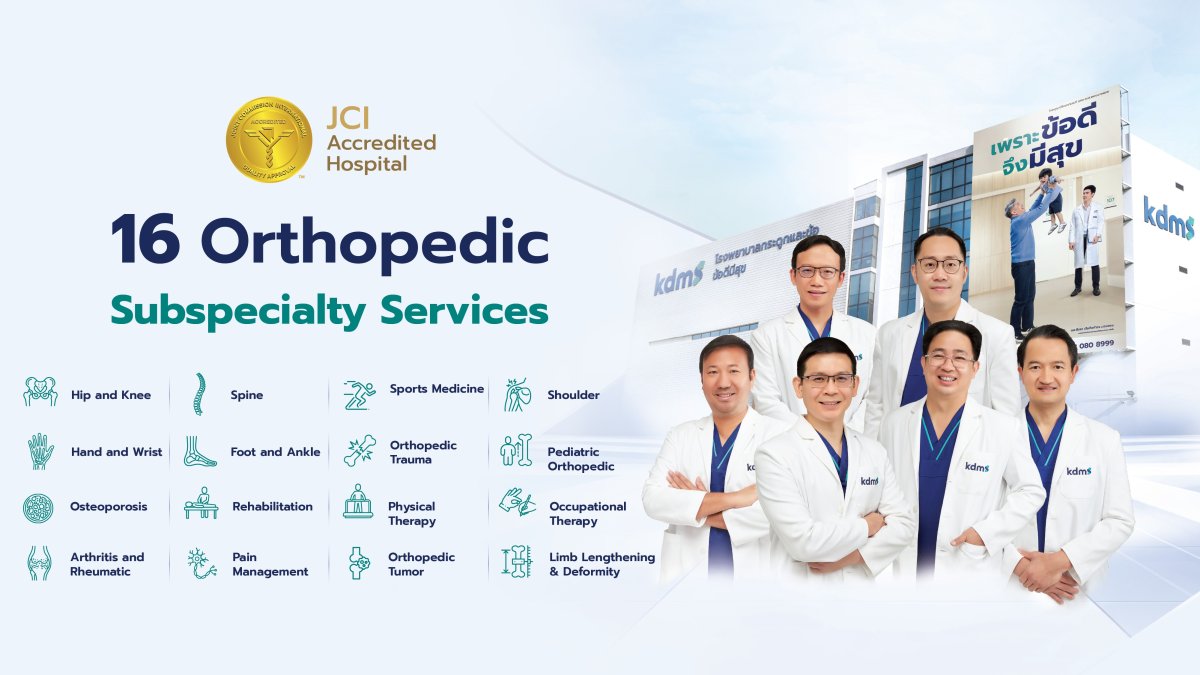
- Hospital Ortopédico Especializado KDMS, Tailandia
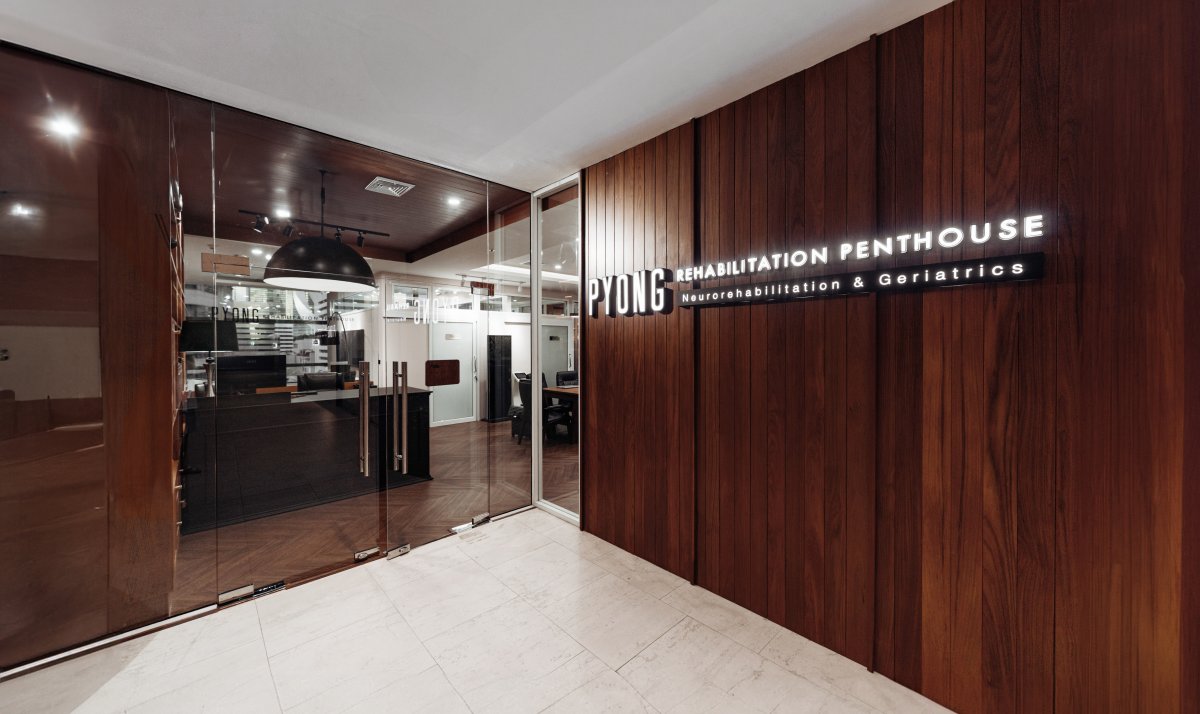
- CLÍNICA DE REHABILITACIÓN PYONG, Tailandia
- Panacee Hospital Rama2, Tailandia
- Centro de Rehabilitación Day One, Tailandia
- Vega Clinic, Tailandia
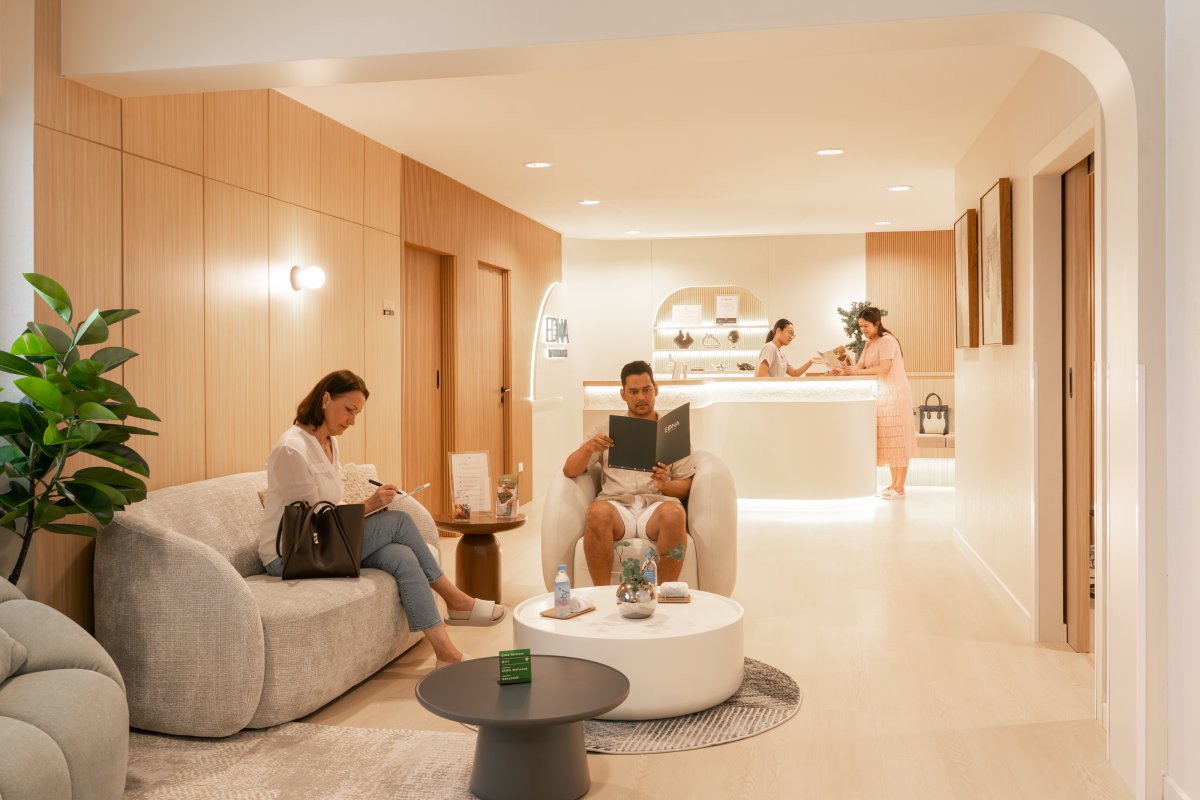
- EDNA Wellness, Tailandia
- Asia Cosmetic Hospital, Tailandia
Obtenga una evaluación médica de Neurología en Tailandia: haga una consulta con 37 médicos experimentados ahora
Ver todos los médicos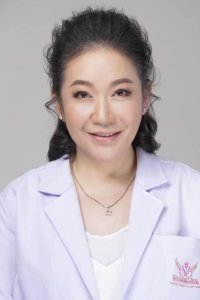
Siriporn Cheawchanwej
La Dra. Siriporn Cheawchanwej es médica estética en la Clínica Somchai de Bangkok. Ha realizado más de 15.000 procedimientos a lo largo de su carrera. Posee un Diploma en Medicina Estética de la American Academy of Aesthetic Medicine. La Dra. Cheawchanwej completó una formación específica en diseño facial en la Universidad Mae Fah Luang.
- Especializada en rinoplastia, transferencia de grasa facial y cirugía de estiramiento de cuello.
- Completó formación internacional en toxin

Pongwat Polpong
Pionero en la primera cirugía cerebral mínimamente invasiva para tumores de hipófisis en Tailandia: el Dr. Polpong combina la precisión neuroquirúrgica con la medicina regenerativa en EDNA Wellness.
- Más de 15 años de especialización en neurocirugía y trastornos de la columna vertebral
- Formado en el Hospital Siriraj y en el Instituto Internacional de Neurociencias de Alemania
- Médico Jefe del Departamento de Terapia con Células Madre y Neurología
- Investigaciones publicadas sobre lesiones de la médula espinal y trastornos cerebrovasculares
- Experto en cirugía transesfenoidal endoscópica para afecciones cerebrales

Sarunya Yutthagovit
La Dra. Sarunya Yuthagovit se especializa en cirugía neurovascular compleja, centrándose en la revascularización cerebral y técnicas microquirúrgicas avanzadas.
- Experiencia en el tratamiento de aneurismas intracraneales y la enfermedad de moyamoya
- Se especializa en fístulas arteriovenosas durales espinales (FAV)
- Dirige programas de neurología, células madre y estética en EDNA Wellness
- Desarrolla programas de formación para residentes de neurocirugía y personal de enfermería
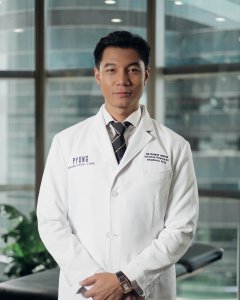
Kantaphong Thongrong
El Dr. PYONG integra robótica avanzada y exoesqueletos portátiles para mejorar los resultados de la neurorrehabilitación en PYONG Rehabilitation Group.
- Fisiatra certificado especializado en accidentes cerebrovasculares y recuperación neurológica
- Jefe de Rehabilitación en un importante hospital de Bangkok
- Pionero en técnicas no invasivas como la terapia con láser e intervenciones guiadas por ultrasonido
- Instructor en el Instituto King Mongkut, impartiendo métodos de rehabilitación de próxima generación
Reseñas
Todas las reseñas
Artículos relacionados
Ver más
Los 10 mejores hospitales de neurología del mundo: Ranking de pacientes Bookimed
Escrito por Вероника Казина

Enfermedad de Alzheimer: avances terapéuticos, centros especializados y costos del tratamiento mundial
Escrito por Olena Sikoza

Terapia con células madre para el autismo: Todo lo que hay que saber
Escrito por Mariia Mytrofankina

Tasa de éxito de la terapia con células madre para la enfermedad de Parkinson: Resumen del procedimiento, resultados de la investigación y opiniones de los pacientes
Escrito por Mariia Mytrofankina

¿Cuánto cuesta la cirugía de epilepsia?
Escrito por Ana Hurevska
Compartir contenido
Historias en video de pacientes de Bookimed
 Olena Sikoza
Preguntas frecuentes sobre Neurología en Tailandia
¿Cuáles son los mejores hospitales de Tailandia para neurología?
Entre los hospitales neurológicos más prestigiosos de Tailandia se encuentran el Bangkok International Hospital, el Bumrungrad International Hospital y el Samitivej Sukhumvit Hospital. Estas instituciones, acreditadas por la JCI, son líderes en la región de Asia-Pacífico en el tratamiento de accidentes cerebrovasculares, la enfermedad de Parkinson y la epilepsia. Utilizan tecnologías de vanguardia como la neurorrehabilitación robótica y la estimulación cerebral profunda.
- El Centro de Especialidades Cerebro x Hueso del Hospital Internacional de Bangkok ocupa el puesto 62 en la región de Asia Pacífico en neurología.
- Hospital Internacional Bumrungrad: Cuenta con un Centro de Neurología especializado con más de 30 neurólogos especialistas.
- Hospital Samitivej Sukhumvit: Ocupa el puesto 89 en la región de Asia Pacífico por su experiencia en el tratamiento de la enfermedad de Parkinson y la demencia.
- Hospital Vejthani: Esta institución es conocida por su atención a pacientes con ictus agudo y por la neurorrehabilitación robótica.
La perspectiva de un experto de Bookimed: Mientras que los grandes hospitales se centran en el diagnóstico, los centros especializados como PYONG Rehabilitation ofrecen rehabilitación personalizada. Nuestros datos demuestran que estas clínicas proporcionan entrenamiento intensivo de la marcha mediante tecnología robótic
¿Qué procedimientos neurológicos especializados están disponibles?
En Tailandia, los tratamientos neurológicos especializados incluyen terapias regenerativas, neurorrehabilitación avanzada e intervenciones neuroquirúrgicas. Entre los tratamientos clave se encuentran la estimulación cerebral profunda (ECP) para la enfermedad de Parkinson, la terapia con células madre para enfermedades neurodegenerativas y el entrenamiento robótico de la marcha. Estos tratamientos se complementan con diagnósticos precisos como el electroencefalograma (EEG) y la resonancia magnética (RM) de alta resolución.
- Terapia regenerativa: Tratamiento con células madre para la enfermedad de Parkinson y Alzheimer. Costos desde Precio a consultar hasta Precio a consultar.
- Neuromodulación: La cirugía DBS para trastornos del movimiento cuesta desde $25,000 hasta $40,000.
- Rehabilitación avanzada: El entrenamiento robótico de la marcha y la terapia de estimulación cerebral ayudan a la recuperación después de un accidente cerebrovascular y la esclerosis múltiple.
- Radiocirugía: El sistema Gamma Knife proporciona un tratamiento no invasivo para tumores cerebrales y malformaciones vasculares.
Opinión experta de Bookimed: Clínicas en Tailandia como PYONG Rehabilitation están avanzando hacia la neurotecnología integrada. Combinan la rehabilitación robótica con ensayos clínicos para la recuperación de accidentes cerebrovascul
¿Existen clínicas especializadas para el tratamiento de accidentes cerebrovasculares, demencia o trastornos del movimiento?
Tailandia cuenta con centros neurológicos especializados en rehabilitación tras un ictus, tratamiento de la demencia y trastornos del movimiento como la enfermedad de Parkinson. Centros como PYONG Rehabilitation utilizan entrenamiento robótico de la marcha y tecnología de exoesqueletos. Otros, como el Hospital Panacee Rama 2, se centran en terapias regenerativas y tratamientos con células madre para enfermedades neurodegenerativas.
- Centros de tratamiento de accidentes cerebrovasculares: Unidades especializadas ofrecen rehabilitación robótica y terapia con células madre de médula ósea.
- Clínicas para la demencia: Estos centros ofrecen terapia de estimulación cerebral y programas de nutrición certificados para pacientes con enfermedad de Alzheimer.
- Trastornos del movimiento: Las clínicas tratan la enfermedad de Parkinson mediante estimulación cerebral profunda (ECP) y células madre.
- Diagnóstico moderno: Las instituciones utilizan resonancia magnética cerebral, electroencefalograma y tomografía computarizada para un mapeo neurológico preciso.
Opinión experta de Bookimed: Las clínicas neurológicas tailandesas, como PYONG Rehabilitation, hacen hincapié en tecnologías centradas en la recuperación. El Dr. Kantaphong Thongrong es un investigador destacado en el campo del entrenamiento robótico de la marcha. Este enfoque, que utiliza dispositivos p
¿Qué cualificaciones y resultados puedo esperar de los neurocirujanos tailandeses?
Los neurocirujanos tailandeses reciben entre 11 y 14 años de formación médica intensiva. La mayoría están certificados por el Consejo Médico de Tailandia. Los especialistas más destacados suelen completar su formación internacional en Estados Unidos o Europa. Reportan una tasa de éxito del 95 % en cirugías electivas, como la extirpación de tumores.
- Trayectoria educativa: Los cirujanos completan 6 años de formación médica y 5 años de residencia.
- Certificación: Los especialistas deben aprobar los exámenes del Consejo Tailandés de Neurocirugía.
- Volumen de casos: Los cirujanos en centros especializados realizan entre 130 y 180 o más cirugías al año.
- Tecnologías modernas: Entre las especializaciones se incluyen la cirugía transesfenoidal endoscópica y la neurorrehabilitación robótica.
Opinión de expertos de Bookimed: La neurocirugía tailandesa destaca porque especialistas de renombre como el Dr. Pongwat Polpong y la Dra. Sarunya Yuthagowit suelen liderar investigaciones en entrenamiento robótico de la marcha y cirugía cerebral mínimamente invasiva. Este enfoque académico garantiza que los pacientes reciban un tratamiento de vanguardia que combina la experiencia clínica con los últimos avances en neurotecnología.
Consenso de los pacientes: Los pacientes destacan la alta calidad de la atención médica recibida en Bangkok.
¿Cuánto tiempo tendré que quedarme en Tailandia y en qué consiste la recuperación?
Los pacientes deben planificar una estancia inicial en Tailandia de 10 a 14 días para el seguimiento neurológico. Los procedimientos complejos o la neurorrehabilitación intensiva suelen requerir una extensión de este periodo a 3 o 4 semanas. La recuperación se centra en restaurar las habilidades motoras mediante entrenamiento de la marcha robótica y estabilizar la función neurológica mediante ajustes en la medicación.
- Estancia hospitalaria: La estancia típica oscila entre 1 y 5 días, dependiendo de la complejidad del procedimiento.
- Duración de la rehabilitación: Los programas para pacientes con accidente cerebrovascular o enfermedad de Parkinson suelen requerir de 3 a 4 semanas para lograr resultados notables.
- Tecnologías modernas: La recuperación incluye neurorrehabilitación robótica y entrenamiento de la marcha con un exoesqueleto portátil para mejorar la movilidad.
- Atención de seguimiento: Los cirujanos emiten una autorización médica para viajar en avión después de controlar la cicatrización y la estabilidad de la herida.
Opinión experta de Bookimed: Los centros de neurorrehabilitación tailandeses, como PYONG Rehabilitation, utilizan entrenamiento robótico de la marcha y estimulación cerebral para acelerar la recuperación. Los datos muestran que estas tecnologías de vanguardia suelen estar lideradas por investigadores destacados en ens