Cancer de RIÑON Tratamiento en Corea del Sur — Costos 2026


Revisado médicamente por
Fahad Mawlood
¿Cuál es el precio del diagnóstico y los tratamientos de Cancer de RIÑON en Corea del Sur? Descubra ahora
El costo del tratamiento del cáncer de riñón en la República de Corea generalmente comienza con exámenes esenciales como una tomografía por emisión de positrones (PET/CT), que cuesta de $1,100 a $1,300. De $15,000. Los gastos totales dependen del enfoque quirúrgico, el nivel del hospital y el estado del seguro del paciente. Los pacientes pueden esperar ahorros del 30-50% en comparación con los EE. UU. La mayoría de los centros especializados se encuentran en Seúl e Incheon.
Costos típicos del tratamiento del cáncer de riñón en la República de Corea
- PET/CT scan: $1,100 – $1,300
- Consulta con un oncólogo: $50 – $75
- Diagnóstico complejo de cáncer de riñón: Precio a consultar
- Nefrectomía: de $15,000
- Nefrectomía laparoscópica: de $13,000
- Nefrectomía con robot Da Vinci: Precio a consultar
- Gamma Knife: de $10,000
- Crioterapia para el cáncer de riñón: Precio a consultar
- Biopsia: de $370
- TC (tomografía computarizada): $300 – $330
Perspectiva de expertos de Bookimed: Los pacientes que buscan la mayor precisión quirúrgica deben considerar opciones asistidas por robot. El Hospital St. Mary's de Seúl ofrece paquetes de cirugía robótica a partir de unos 20.000 dólares. Estos incluyen una estancia hospitalaria de 7 días y atención de especialistas como el Dr. Hong Sung Hoo. Para casos complejos, los centros acreditados por la JCI, como el Hospital Severance o el Centro Médico Samsung, ofrecen equipos multidisciplinarios. Estas instalaciones son ideales para pacientes que requieren experiencia integrada en oncología y urología.
| Corea del Sur | España | Turquía | |
|---|---|---|---|
| Terapia con haz de protones | ≈ $22,000 | de $43,300 | de $25,000 |
| Sistema Robótico Da Vinci | ≈ $14,000 | ≈ $9,500 | de $23,900 |
| Radioterapia para el cáncer colorrectal | ≈ $9,000 | de $7,500 | de $5,000 |
| Nefrectomía laparoscópica | de $13,000 | de $14,000 | de $8,000 |
| Nefrectomía | de $15,000 | de $17,700 | de $6,600 |
Sus beneficios y garantías con Bookimed
Precios directos
Bookimed no añade cargos extra a los precios de los tratamientos de Cancer de RIÑON. Las tarifas proceden de las listas de precios oficiales de las clínicas. Pagará directamente en la clínica por su tratamiento a su llegada al país.
Sólo clínicas y médicos verificados
Bookimed está comprometido con su seguridad. Solo trabajamos con las clínicas que mantienen altos estándares internacionales en el tratamiento de Cancer de RIÑON y cuentan con las licencias necesarias para atender a pacientes internacionales en todo el mundo.
Asistencia 24/7 gratuita
Bookimed ofrece asistencia experta gratuita. Un coordinador médico personal le apoya antes, durante y después de su tratamiento, resolviendo cualquier problema. Nunca estará solo en su viaje médico de tratamiento de Cancer de RIÑON.

Su coordinador médico personal de Bookimed
- Le apoya en cada etapa
- Ayuda a elegir la clínica y el médico adecuados
- Asegura un acceso rápido y conveniente a la información
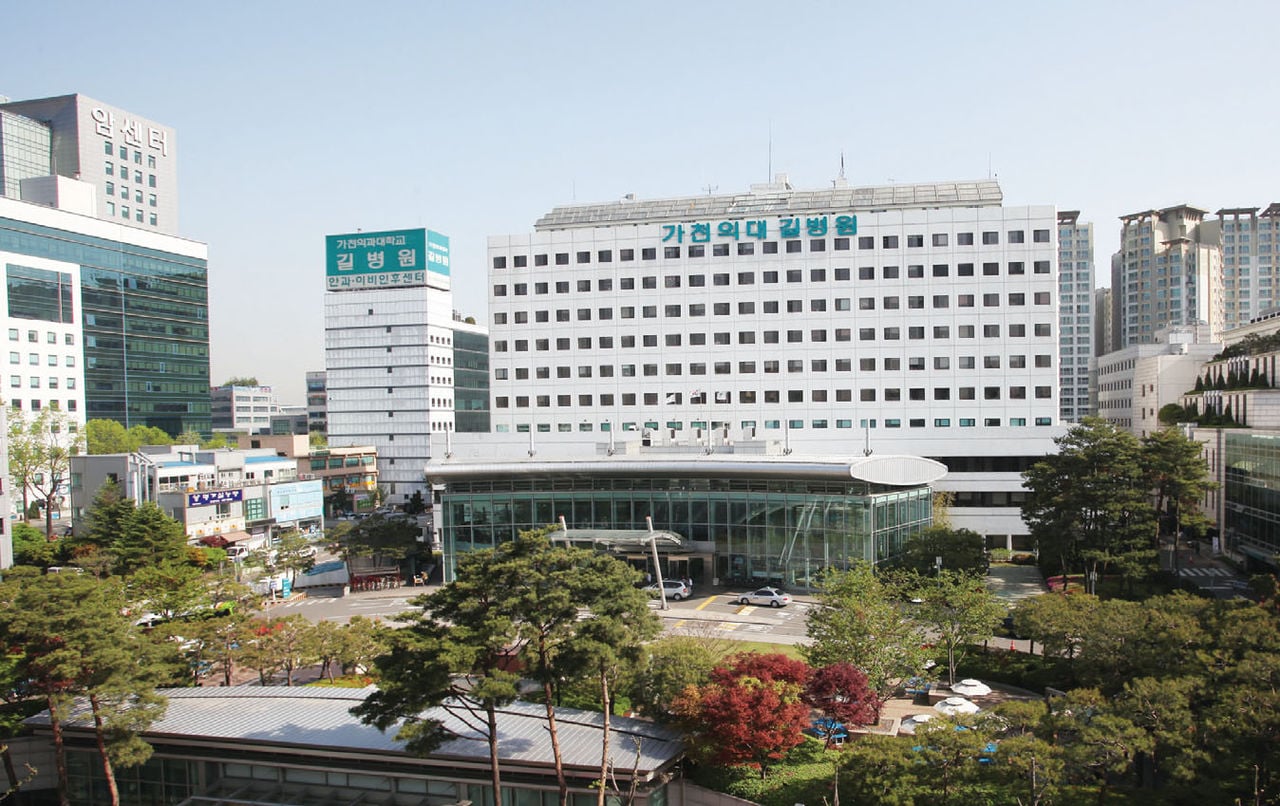
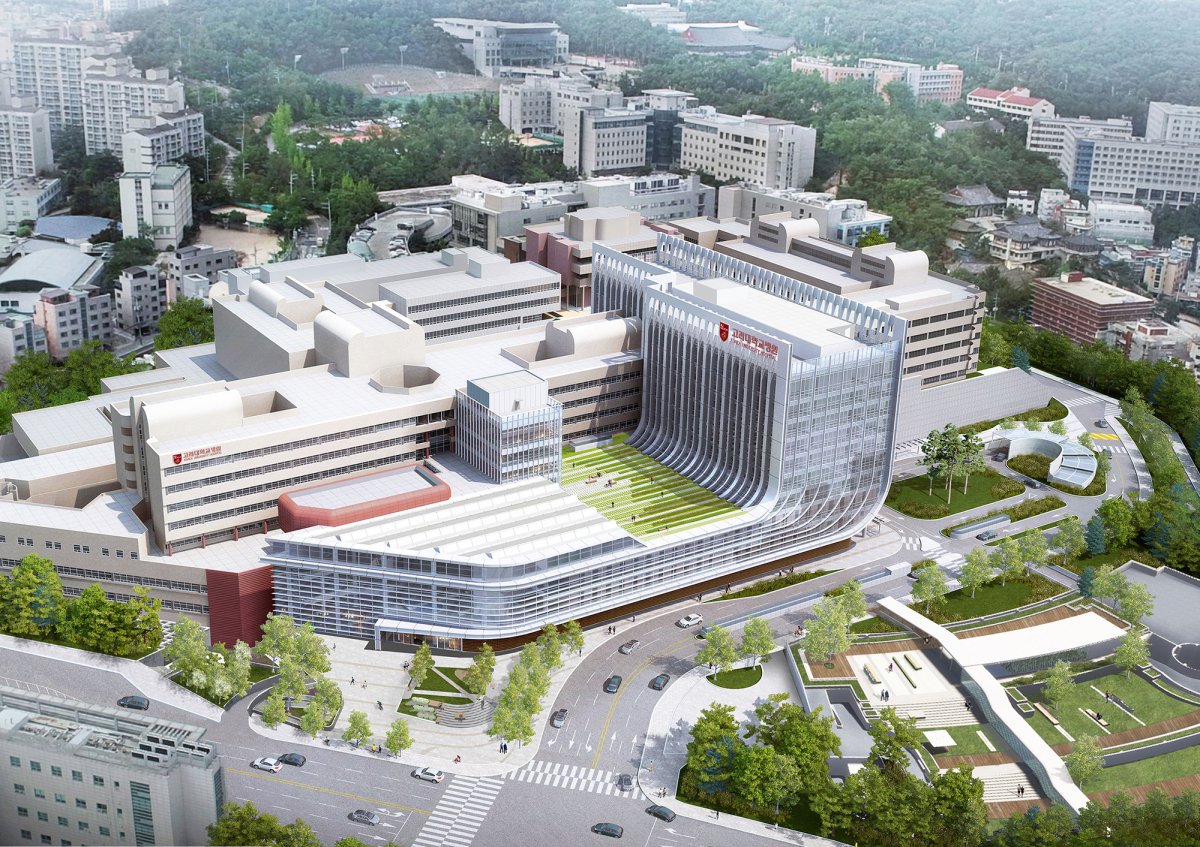
Descubra las mejores clínicas de tratamiento de Cancer de RIÑON en Corea del Sur: 10 opciones verificadas y Precios













Obtenga una evaluación médica para Cancer de RIÑON en Corea del Sur: consulte con doctores experimentados ahora
Ver todos los médicos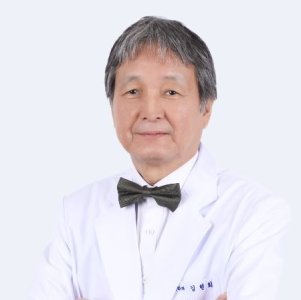
Kim Hyeon Hoe
El profesor Kim Hyun-hoe es un cirujano especializado en cáncer urológico. Se especializa en cáncer de próstata y riñón y en cirugía robótica. Dirige el Centro de Cirugía Robótica y el Centro de Cáncer de Próstata y Riñón del Hospital Myongji. Realizó la primera laparoscopia de incisión única en Corea. En el SNUH, dirigió más de 2300 casos con da Vinci durante cinco años. Actualmente utiliza el sistema da Vinci Xi.
Posee un doctorado en medicina (MD), una maestría (MS) y un doctorado (

Choi Han Yong
Jefe de Urología en el Samsung Medical Center – El Dr. Choi se especializa en cirugía de cáncer de riñón con un enfoque en la precisión y los resultados del paciente.
- Dirige uno de los mejores departamentos de urología de Corea
- Especializado en tratamientos quirúrgicos para el cáncer de riñón
- Trabaja en un centro médico líder acreditado por la JCI

Koon Ho Rha
Especialista en cirugías laparoscópicas y robóticas para el cáncer de riñón en el Hospital Severance.
- Urólogo y cirujano oncológico con técnicas quirúrgicas avanzadas
- Se centra en procedimientos mínimamente invasivos
- Experto en tratamientos de cáncer de riñón

Won Sik Ham
El Dr. Won Sik Ham es urólogo y cirujano oncológico en el Hospital Severance, especializado en cirugías oncológicas.
- Se centra en la oncología quirúrgica de los cánceres urológicos
- Realiza procedimientos complejos de extirpación de tumores
- Trabaja en un centro médico académico de primer nivel
- Experto en el manejo quirúrgico del cáncer de riñón
Artículos relacionados
Ver más
Etapas y pronóstico del cáncer de riñón
Escrito por Veronika Kazina

Cáncer de riñón metastásico
Escrito por Veronika Kazina

Cáncer de riñón: causas, síntomas, diagnóstico y tratamiento
Escrito por Veronika Kazina

Métodos para el tratamiento del cáncer de riñón.
Escrito por Veronika Kazina

Diagnóstico del cáncer de riñón: Ultrasonido, tomografía, biopsia
Escrito por Veronika Kazina
Compartir contenido
Historias en video de pacientes de Bookimed
 Olena Sikoza
Preguntas frecuentes sobre el tratamiento de Cancer de RIÑON en Corea del Sur
¿Cuáles son los principales métodos de tratamiento disponibles en Corea del Sur para el cáncer de riñón?
Corea del Sur prioriza la cirugía mínimamente invasiva para el cáncer de riñón, con más del 80 % de los casos que requieren intervención quirúrgica. Los principales hospitales de Seúl combinan sistemas robóticos Da Vinci, inmunoterapia y fármacos dirigidos para tratar estadios avanzados. Estos centros acreditados por la JCI se especializan en nefrectomía y ablación para preservar la función renal.
- Métodos quirúrgicos: Las nefrectomías laparoscópicas y robóticas son el estándar para la extirpación de tumores.
- Terapia de ablación: La crioterapia y la ablación por radiofrecuencia se utilizan en pacientes no aptos para cirugía.
- Tratamientos sistémicos: Los centros utilizan terapias dirigidas e inmunoterapias como Nivolumab y Pembrolizumab.
- Tecnologías avanzadas: Las instalaciones utilizan terapia de protones, CyberKnife y NanoKnife para mayor precisión.
Perspectiva del experto de Bookimed: Corea del Sur lidera la integración de la salud digital. Hospitales como el Seoul National University Bundang Hospital y el Samsung Medical Center utilizan sistemas digitales para eliminar errores médicos. Esto es crítico para el cáncer de riñón, donde una estadificación precisa mediante PET/TC determina si un paciente puede someterse a una nefrectomía parcial en lugar de una extirpación total. Este enfoque de alta tecnología respalda la tasa de éxito del
¿Se utiliza habitualmente la cirugía robótica para el cáncer de riñón en Corea del Sur?
La cirugía robótica es un tratamiento líder para el cáncer de riñón en Corea del Sur. Los centros especializados utilizan frecuentemente el sistema da Vinci para nefrectomías parciales con el fin de preservar la función renal. Actualmente supera a los métodos tradicionales en volumen en las principales instituciones de Seúl, como el Samsung Medical Center y el Asan Medical Center.
- Volumen de procedimientos: Los casos robóticos para nefrectomía parcial aumentaron recientemente del 15 % al 51 %.
- Precisión clínica: Los instrumentos articulados permiten una delicada extirpación del tumor mientras se salva tejido renal sano.
- Velocidad de recuperación: Los pacientes suelen experimentar una menor pérdida de sangre y estancias hospitalarias más cortas de 2 días.
- Tecnología avanzada: Los centros utilizan sistemas da Vinci y robots nacionales Revo-i para casos complejos.
Perspectiva del experto de Bookimed: El Korea University Anam Hospital ofrece una ventaja distintiva para los pacientes que requieren reconstrucciones complejas. Desarrollaron la primera cirugía robótica oral de tiroides del mundo y aplican una experiencia similar a los protocolos robóticos de preservación de la vejiga. Esta experiencia especializada sugiere que sus cirujanos manejan mejor la reconstrucción de alta precisión que los centros centrados únicamente en la extirpación
¿Están disponibles y reembolsados los últimos medicamentos de inmunoterapia en Corea del Sur?
Corea del Sur ofrece un amplio acceso a los últimos medicamentos de inmunoterapia. El seguro médico nacional cubre terapias importantes como pembrolizumab y durvalumab. Las recientes expansiones en 2026 aumentaron significativamente el número de indicaciones cubiertas. Los pacientes con afecciones aprobadas generalmente pagan solo el 5% de los costos de los medicamentos.
- Medicamentos disponibles: Pembrolizumab, nivolumab y durvalumab están disponibles en los principales centros oncológicos.
- Tasas de reembolso: El seguro médico nacional reduce los costos de algunos medicamentos de $86,000 a $4,300 anuales.
- Cobertura nacional: El seguro cubre hasta 18 indicaciones específicas de cáncer a principios de 2026.
- Aprobación regulatoria: El Ministerio de Seguridad de Alimentos y Medicamentos otorga aprobación acelerada para terapias innovadoras.
Perspectiva de expertos de Bookimed: Aunque Corea del Sur ocupa el octavo lugar a nivel mundial en solicitudes médicas en nuestra plataforma, los pacientes a menudo pasan por alto la brecha de reembolso. Grandes instituciones como el Hospital Severance y el Centro Médico Asan realizan con frecuencia ensayos clínicos para medicamentos que aún no están totalmente cubiertos por el seguro. Esto proporciona un acceso temprano a nuevas combinaciones antes de que lleguen a la lista nacional de reembolso.
¿Qué hospitales se consideran los mejores para pacientes internacionales con cáncer de riñón?
Los mejores hospitales para pacientes internacionales con cáncer de riñón incluyen el Samsung Medical Center y el Asan Medical Center. Estas instalaciones cuentan con clasificaciones de Newsweek y acreditaciones JCI o KOIHA. Ofrecen nefrectomía parcial asistida por robot avanzada y terapia de protones. Los pacientes se benefician de tiempos de espera cortos de 1 a 2 semanas.
- Tecnología quirúrgica: Los sistemas robóticos Da Vinci permiten la extirpación precisa de tumores y la preservación del riñón.
- Credenciales clínicas: Instalaciones como el Samsung Medical Center atienden a más de 2.000.000 de pacientes al año.
- Estándares de acreditación: La mayoría de los centros de primer nivel mantienen la certificación de la Joint Commission International o KOIHA.
- Experiencia especializada: Cirujanos como el Dr. Choi Han Yong se especializan en cirugía oncológica urológica mínimamente invasiva.
Perspectiva del experto de Bookimed: El Samsung Medical Center y el Hospital de la Universidad Nacional de Seúl destacan porque tratan al presidente de la República de Corea. Esto señala la mayor confianza posible en sus resultados clínicos. Aunque ambos son prestigiosos, nuestros datos muestran que el Hospital Anam de la Universidad de Corea realizó la primera cirugía robótica de vejiga en etapa preliminar de Asia. Esto indica un nivel muy alto de compete
¿Cómo se comparan las tasas de éxito en los procedimientos de cáncer de riñón en Corea del Sur con otros países?
Corea del Sur reporta una tasa de supervivencia relativa a 5 años del 83,1% para el cáncer de riñón. Esto supera la tasa de supervivencia promedio del 68,6% en Asia. Para los casos localizados, la tasa de supervivencia alcanza el 98,1%. Estos resultados igualan o superan los estándares en los Estados Unidos y Europa.
- Supervivencia localizada: Corea del Sur logra una supervivencia a 5 años del 98,1% para tumores no diseminados.
- Precisión quirúrgica: Las tasas de histología benigna son del 6,3% en comparación con el 14,3% en estudios de EE. UU.
- Volumen de expertos: El Asan Medical Center realiza más de 65,000 operaciones al año para casos complejos.
- Integración digital: Hospitales como el SNUBH utilizan sistemas digitales para mejorar la seguridad y eficacia del tratamiento.
Perspectiva del experto de Bookimed: Corea del Sur ofrece una ventaja significativa en la rapidez quirúrgica en comparación con los sistemas norteamericanos y europeos. Mientras que muchos pacientes occidentales esperan de 3 a 6 meses para una cirugía, los centros coreanos como el Samsung Medical Center o Severance a menudo programan los procedimientos en cuestión de semanas. Esta intervención rápida es fundamental para el cáncer de riñón, ya que la cirugía temprana se correlaciona directamente con la tasa de éxito del 98,1% encontrada en casos localizados.
¿Cuánto tiempo debo esperar quedarme en Corea del Sur para el tratamiento del cáncer de riñón?
Los pacientes deben planificar una estancia de 7 a 14 días en Corea del Sur para el tratamiento del cáncer de riñón. Este período tiene en cuenta las pruebas preoperatorias y la recuperación posquirúrgica. La mayoría de las hospitalizaciones duran entre 2 y 7 días. El tiempo total de recuperación depende del método quirúrgico utilizado.
- Estancia hospitalaria: Los pacientes de cirugía robótica suelen permanecer de 2 a 4 días para su recuperación.
- Opciones mínimamente invasivas: La nefrectomía laparoscópica y robótica permite un alta más rápida que la cirugía abierta.
- Tiempos de espera: Desde la primera consulta hasta la cirugía, el tiempo suele ser de unos 41 días en Corea.
- Visa médica: El tratamiento a largo plazo puede requerir una visa G-1-10 válida por 1 año.
Perspectiva del experto de Bookimed: Los centros oncológicos de Corea del Sur, como el Samsung Medical Center y el Asan Medical Center, gestionan volúmenes de pacientes excepcionalmente altos. El Asan Medical Center por sí solo realiza más de 65.000 operaciones al año. Esta alta frecuencia a menudo conduce a protocolos de alta estandarizados y eficientes donde los pacientes abandonan el hospital más rápido que en los EE. UU.
Consenso de los pacientes: Los pacientes recomiendan reservar vuelos flexibles y alojamiento local durante al menos 3 semanas. Desta
¿Cómo encuentro un cirujano cualificado para el tratamiento del cáncer de riñón en Corea del Sur?
Para encontrar un cirujano de cáncer de riñón cualificado en Corea del Sur, identifique urólogos certificados en centros acreditados por la JCI, como el Severance Hospital o el Samsung Medical Center. Concéntrese en médicos especializados en nefrectomía robótica Da Vinci y procedimientos laparoscópicos. Estos centros manejan anualmente un gran volumen de casos oncológicos complejos.
- Credenciales hospitalarias: Busque instituciones acreditadas por la Joint Commission International (JCI) o KOIHA en Seúl.
- Especialización del cirujano: Verifique su experiencia en cirugía robótica y su membresía en la Korean Urological Association.
- Tecnología de precisión: Priorice los centros que utilizan el sistema quirúrgico Da Vinci para la extirpación de tumores renales.
- Métricas de volumen: Busque clínicas como el Asan Medical Center, con más de 65.000 operaciones al año.
Perspectiva del experto de Bookimed: Los principales centros oncológicos de Corea del Sur demuestran altos niveles de especialización a través de sus ratios de pacientes por departamento. Por ejemplo, el Korea University Anam Hospital mantiene más de 40 departamentos distintos mientras atiende a 1,3 millones de pacientes al año. Esta escala permite a cirujanos como el Dr. Kang Seok-ho centrarse casi exclusivamente en procedimientos urológicos robóticos. Tal especialización suele tradu