Centro Médico Teknon
España, Barcelona
Joan Carles Galceran
39 años de experiencia • 1200+ tratamientos realizados

Clínica certificada por : 





Revisado médicamente por
Fahad Mawlood
El costo del tratamiento del cáncer de riñón en España generalmente comienza con diagnósticos como una tomografía por emisión de positrones (PET-CT), que cuesta de $1,300 a $3,000. De $14,000. Los gastos totales dependen de la etapa de la enfermedad y la tecnología utilizada. Los pacientes a menudo ahorran entre un 40 y un 70% en comparación con los Estados Unidos. Los principales centros de tratamiento incluyen Barcelona, Madrid y Pamplona.
Costos típicos del tratamiento del cáncer de riñón en España
Perspectiva de los expertos de Bookimed: La innovación quirúrgica ofrece la mejor relación calidad-precio para casos complejos. El Dr. Antonio Alcaraz del Hospital Quirón Barcelona es un pionero mundial en nefrectomía robótica. Para casos pediátricos, el SJD Barcelona Children’s Hospital ofrece atención especializada con altas tasas de curación. Los pacientes que buscan ensayos clínicos pueden beneficiarse de los programas de Quironsalud Madrid. Los centros acreditados por la JCI, como el Centro Médico Teknon o la Clínica Universidad de Navarra, garantizan estándares de seguridad de primer nivel.
| España | Turquía | México | |
|---|---|---|---|
| Terapia con haz de protones | de $43,300 | de $25,000 | ≈ $38,000 |
| Sistema Robótico Da Vinci | ≈ $9,500 | de $23,900 | ≈ $11,500 |
| Radioterapia para el cáncer colorrectal | de $7,500 | de $5,000 | ≈ $6,000 |
| Nefrectomía laparoscópica | de $14,000 | de $8,000 | ≈ $12,000 |
| Nefrectomía | de $17,700 | de $6,600 | de $8,400 |



El doctor es un distinguido oncólogo médico con más de 30 años de experiencia, especializado en el tratamiento no quirúrgico de cánceres genitourinarios, incluidos los de próstata, riñón y vejiga, así como sarcomas y tumores de origen desconocido. Actualmente, el doctor lidera la Unidad de Tumores Genitourinarios, del Sistema Nervioso Central, Sarcomas y Tumores de Origen Desconocido en el Hospital Universitario Vall d'Hebron en Barcelona y está afiliado al Centro Médico Teknon.<\/p>
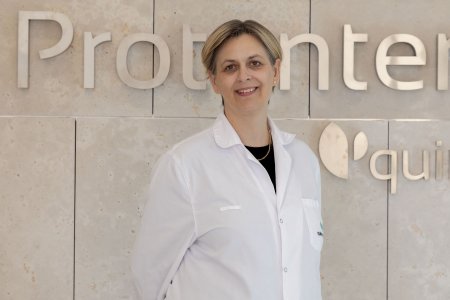
La Dra. Stephanie Lilianne E. Bolle es oncóloga radioterápica y jefa de Oncología Radioterápica del Centro de Protonterapia de Quirónsalud en Madrid. Dirige el departamento desde julio de 2024. Es el primer centro de protonterapia de España.
Doctora en Medicina, Universidad de Lieja (1998). Especialista en Oncología Radioterápica (2003). Es miembro activo de la Sociedad Europea de Oncología Pediátrica y colabora con su Grupo de Tumores Cerebrales y el Grupo de Trabajo de Oncología Radi
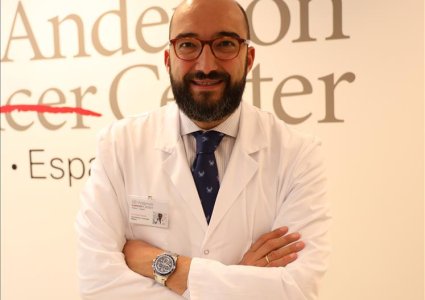
El Dr. Enrique Grande, MD, PhD, MSc, es oncólogo médico con más de 20 años de experiencia y experto internacional en tumores genitourinarios y neuroendocrinos. Dirige el Servicio de Oncología Médica y el programa One Oncology Madrid en QuirónSalud, la mayor red privada de salud de España. Lidera un modelo integrado y multidisciplinar con acceso a terapias dirigidas y ensayos clínicos.
Es pionero en oncología de precisión. Emplea la caracterización molecular y la atención basada en biom
El Dr. Antonio Alcaraz ha realizado más de 500 cirugías urológicas exitosas, muchas de ellas utilizando técnicas mínimamente invasivas, en el Centro Médico Teknon.

Escrito por Veronika Kazina

Escrito por Veronika Kazina

Escrito por Veronika Kazina

Escrito por Veronika Kazina

Escrito por Veronika Kazina
 Olena Sikoza
Los oncólogos urológicos certificados realizan cirugías de cáncer de riñón en España. Estos especialistas completan cinco años de residencia seguidos de una formación en oncología quirúrgica. La mayoría de los cirujanos principales mantienen certificaciones de la Asociación Española de Urología y la Asociación Europea de Urología. Operan dentro de instalaciones acreditadas por la Joint Commission International.
Perspectiva del experto de Bookimed: El éxito de la urología española está impulsado por la innovación de alto volumen más que solo por las calificaciones básicas. El Dr. Antonio Alcaraz en el Hospital Quirón Barcelona fue pionero en la primera nefrectomía transvaginal NOTES del mundo. Este legado de primicias garantiza que los pacientes accedan a técnicas que reducen significativamente las cicatrices visibles. Al elegir un c
La nefrectomía parcial preserva aproximadamente el 80% de la función renal al extirpar solo el tumor. Los cirujanos eligen este enfoque de preservación renal para tumores localizados de menos de 7 cm. Reduce significativamente el riesgo de enfermedad renal crónica y eventos cardiovasculares en comparación con la extirpación total del órgano.
Perspectiva del experto de Bookimed: Los centros oncológicos españoles como el Hospital Quirón Barcelona ofrecen una ventaja clara para casos complejos. El Dr. Antonio Alcaraz ha realizado más de 500 procedimientos exitosos. Su experiencia en métodos laparoscópicos y robóticos permite la preservación de nefronas incluso en tumores hiliares difíciles. Las clínicas de alto volumen en Barcelona ofrecen un acceso más rápido a la cirugía asistida por robot que muchas instalaciones públicas.
Consenso de los pacientes: Los pacientes señalan que es impor
Los pacientes que se someten a una cirugía robótica o laparoscópica de cáncer de riñón en España suelen permanecer en el hospital de 1 a 2 noches. La convalecencia completa para actividades ligeras lleva de 2 a 4 semanas. La mayoría de los pacientes logran una recuperación completa y vuelven a realizar ejercicio intenso en un plazo de 4 a 6 semanas.
Perspectiva del experto de Bookimed: Los centros españoles como el Hospital Quirón Barcelona utilizan a pioneros como el Dr. Antonio Alcaraz, quien ha realizado más de 500 operaciones exitosas. Los datos muestran que los cirujanos con gran volumen de casos reducen la probabilidad de íleo postoperatorio. Esta experiencia especializada a menudo reduce la estancia media de 3 días a solo 1 noche. Los pacientes se benefician de incisiones más pequeñas y un retorno más rápido a una dieta normal al elegir urólogos robóticos experimentados.
C
La cirugía mínimamente invasiva de cáncer de riñón en España resulta en marcas pequeñas y apenas visibles. Los cirujanos utilizan de 3 a 4 incisiones diminutas. Estas suelen medir de 0,5 a 1 centímetro cada una. La mayoría de las cicatrices se aplanan y se desvanecen hasta convertirse en una fina línea plateada dentro de los 12 meses posteriores al procedimiento.
Perspectiva del experto de Bookimed: Centros españoles como el Centro Médico Teknon integran la cirugía robótica y diagnósticos avanzados para mejorar la recuperación. Mientras que el Gamma Knife en el Hospital Ruber Internacional cuesta aproximadamente 35.000 $ para casos neurológicos, los pacientes de cirugía renal en España se benefician de centros de alto volumen que realizan 23.500 operaciones al año. Esta experiencia garantiza un cierre preciso de la herida y mejores resultados cosméticos.
Consenso de los pacientes: Los pacientes señalan que las incisiones diminutas sa
Por lo general, los pacientes reciben autorización para volar entre 7 y 14 días después de una cirugía renal laparoscópica o robótica en España. Las operaciones abiertas importantes suelen requerir una espera de 3 a 6 semanas para garantizar la estabilidad. Los certificados de aptitud para volar son requisitos estándar para abordar aviones después de estos procedimientos abdominales mayores.
Perspectiva de expertos de Bookimed: Si bien los pacientes quirúrgicos a menudo se van dentro de las 2 semanas, los centros españoles como el Proton Therapy Centre Quironsalud recomiendan una estancia local más larga de hasta 45 días para tratamientos de radiación no quirúrgicos. Este monitoreo a largo plazo garantiza la estabilidad terapéutica antes de que los pacientes enfrenten el estrés físico de los vuelos internacionales.
Cons
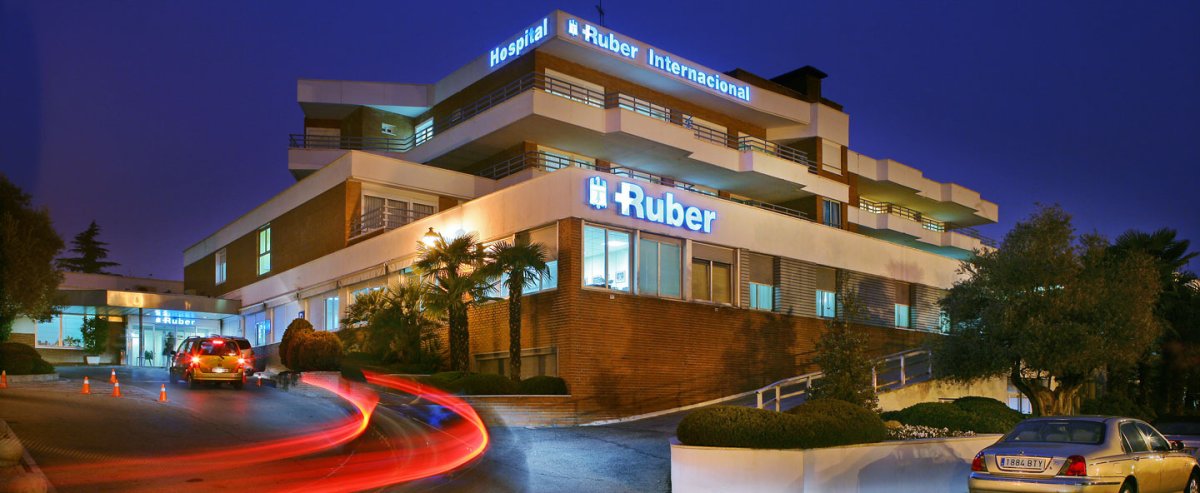
Barcelona y Madrid dominan la cirugía renal robótica en España. Estas ciudades albergan centros acreditados por la JCI que utilizan el sistema robótico Da Vinci. Las instituciones líderes incluyen el Centro Médico Teknon y el Hospital Quiron Barcelona. Madrid cuenta con especialistas en el Hospital Ruber Internacional y HM Hospitales para pacientes internacionales.
Opinión de expertos de Bookimed: Aunque Madrid y Barcelona son los centros principales, destaca la Clínica Universidad de Navarra en Pamplona. Fue el primer centro acreditado por la JCI en España. Los datos muestran que gestiona 140.000 pacientes al año en un solo campus principal. Esta alta concentración de casos internacionales a menudo conduce a una coordinación más ágil que en grupos más grandes con múltiples sedes.
Consenso de los pacientes: Los pacientes señalan que los cen