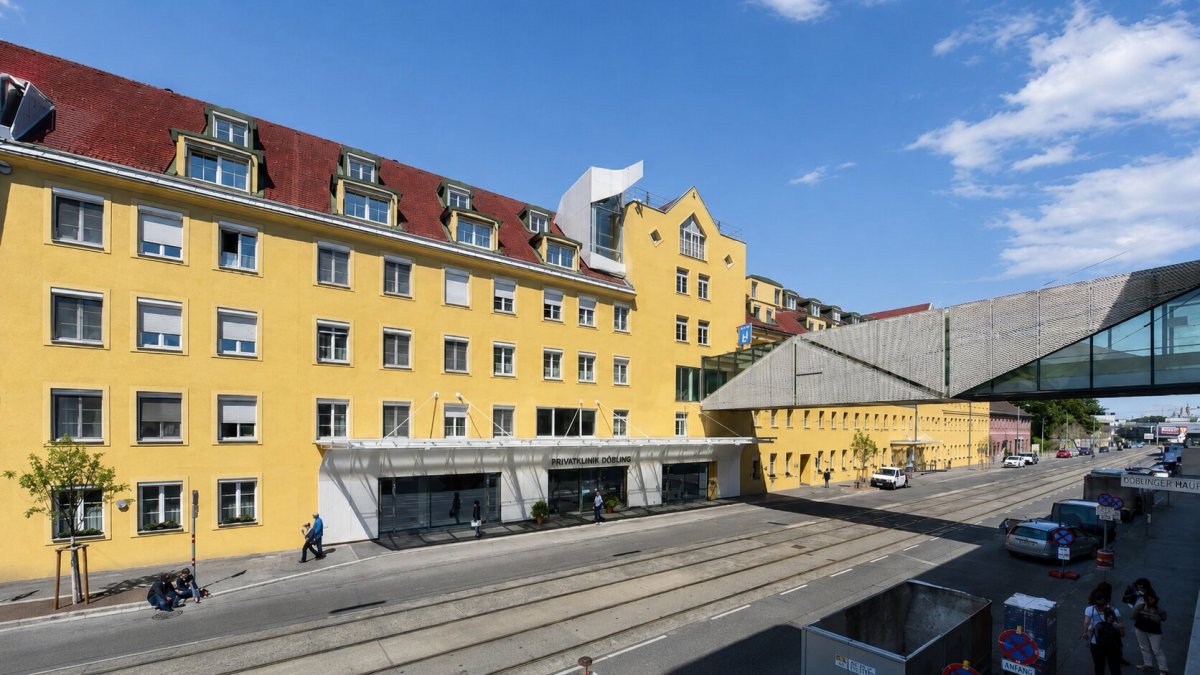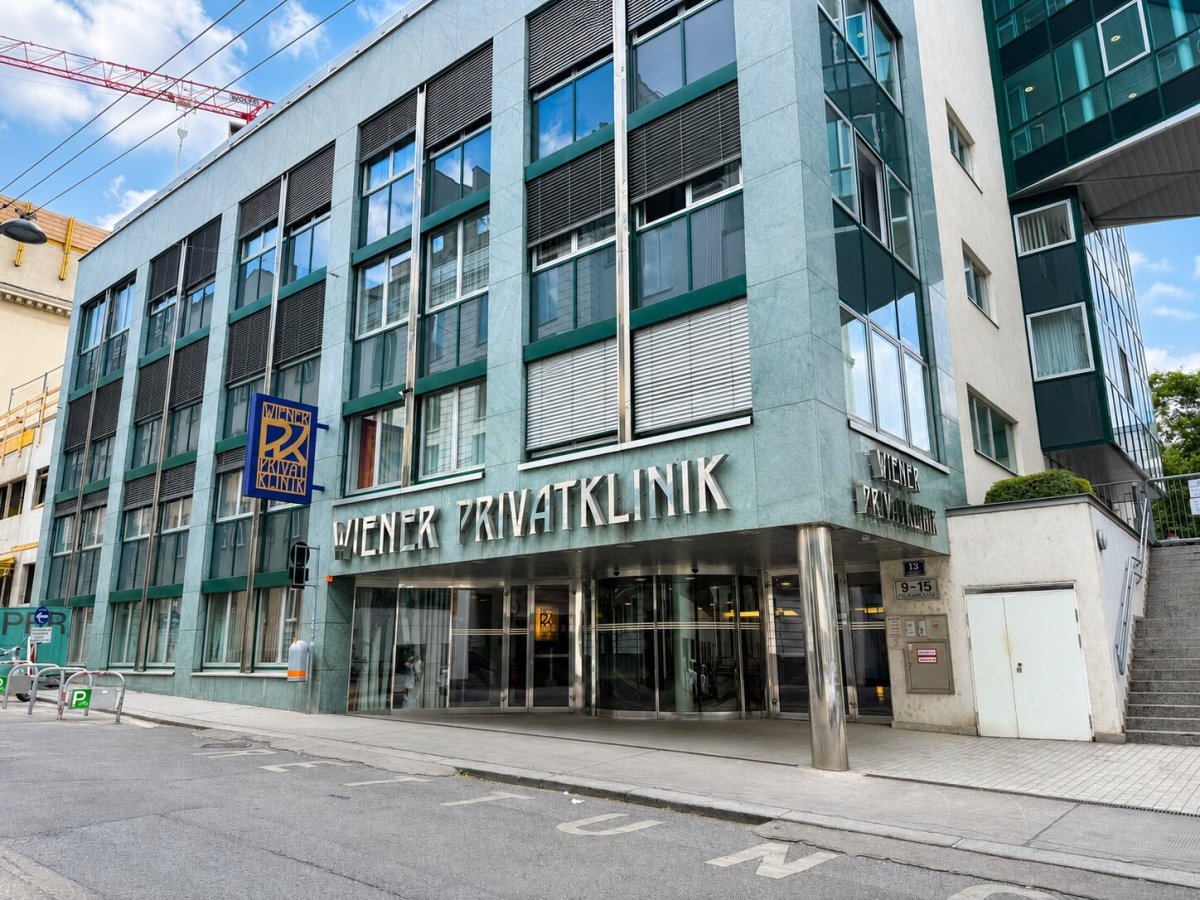
Clínica privada Wiener (Wiener Privatklinik)
Austria, Viena
Christoph Zielinski
44 años de experiencia

acreditaciones : 


Clínica certificada por : 





Revisado médicamente por
Fahad Mawlood
De $260. Las intervenciones quirúrgicas como la nefrectomía cuestan entre $14,500 y $21,000, mientras que una nefrectomía con robot Da Vinci varía de Precio a consultar a Precio a consultar. Los gastos totales dependen de la etapa del cáncer, el enfoque quirúrgico y la elección de la clínica. Los pacientes a menudo ahorran entre un 20 y un 30% en comparación con los precios de la atención médica privada en EE. UU. La mayoría de los centros especializados se encuentran en Viena.
Costos típicos del tratamiento del cáncer de riñón en Austria
Perspectiva de los expertos de Bookimed: Los pacientes con cáncer de riñón avanzado se benefician de protocolos de inmunoterapia personalizados. Wiener Privatklinik es ideal para esto, bajo la dirección del Dr. Christoph Zielinski, un experto en oncología de renombre mundial. Para aquellos que requieren cirugías complejas, el Hospital General de Viena (AKH) atiende a más de 595,000 pacientes al año con experiencia de nivel universitario. Döbling Private Hospital es la mejor opción para los pacientes que buscan seguridad con certificación ISO y tasas de complicaciones por debajo de los valores nominales.
| Austria | España | Turquía | |
|---|---|---|---|
| Terapia con haz de protones | ≈ $24,000 | de $43,300 | de $25,000 |
| Sistema Robótico Da Vinci | ≈ $14,500 | ≈ $9,500 | de $23,900 |
| Radioterapia para el cáncer colorrectal | de $6,800 | de $7,500 | de $5,000 |
| Nefrectomía laparoscópica | ≈ $11,500 | de $14,000 | de $8,000 |
| Nefrectomía | ≈ $14,500 | de $17,700 | de $6,600 |
El Prof. Zielinski dirige el departamento de oncología más grande de Austria y fundó el Comprehensive Cancer Center Vienna, líder mundial en medicina oncológica personalizada.

El Dr. David Kuczer es especialista en radiooncología con muchos años de experiencia en el diagnóstico y tratamiento del cáncer. Ofrece acceso rápido a radioterapia precisa, basada en los estándares científicos actuales.
Es miembro del Cancer Center de la Vienna Private Clinic. Presenta a cada paciente ante el comité de tumores interno, lo que permite una discusión interdisciplinaria por parte de un equipo de prestigio internacional y ayuda a seleccionar el mejor tratamiento.
To

El Prof. Köstler, oncólogo reconocido internacionalmente, aporta más de _doctor_1748_años_ de experiencia especializada a la Wiener Privatklinik.

Escrito por Veronika Kazina

Escrito por Veronika Kazina

Escrito por Veronika Kazina

Escrito por Veronika Kazina

Escrito por Veronika Kazina
 Olena Sikoza
En Austria, la nefrectomía parcial es el tratamiento de referencia para tumores renales pequeños. Los departamentos de urología especializados realizan habitualmente cirugías conservadoras del riñón para tumores T1 menores de 7 cm. Los cirujanos priorizan este enfoque para preservar la función renal y minimizar el riesgo a largo plazo de desarrollar enfermedad renal crónica.
Opinión de expertos de Bookimed: Los pacientes en Austria se benefician de una concentración excepcionalmente alta de experiencia académica. Muchos médicos de clínicas privadas, como la Wiener Privatklinik, también son profesores de la Universidad Médica de Viena. Esta colaboración académica garantiza que, incluso en casos quirúrgicos privados, se sigan las directrices clínicas más estrictas de la Asociación Europea de Urología (EAU).
Opinión de los pacientes: Los pacientes destacan la importancia
Los cirujanos austriacos especializados en el tratamiento del cáncer de riñón son urólogos certificados. Para obtener esta certificación, deben completar seis años de formación médica y, posteriormente, seis años de residencia en su especialidad. La mayoría son miembros del Consejo Europeo de Urología (FEBU), lo que garantiza que cumplen con los altos estándares quirúrgicos europeos.
Opinión de expertos de Bookimed: El rango académico de un cirujano es un indicador clave de calidad. En clínicas como la Wiener Privatklinik, muchos médicos son profesores de la Universidad Médica de Viena. Estos especialistas suelen liderar investigaciones en el Hospital General de Viena (AKH). Esta conexión garantiza a los pacientes el acceso a las técnicas robóticas más avanzadas, como el sistema da Vinci.
Opinión de los pacientes: Los pacientes recomiendan buscar cirujanos con especialización en urología (Facharzt für Urologie). Suelen recomendar comprobar si el médico ha realizado más de 50 cir
Tras una cirugía de cáncer de riñón, los pacientes suelen permanecer en Austria entre 10 y 14 días. La hospitalización dura de 3 a 5 días después de cirugías mínimamente invasivas, ya sean robóticas o laparoscópicas. La cirugía abierta requiere de 5 a 7 días. Permanecer en Austria una semana más garantiza la seguridad antes de viajar al extranjero.
Opinión de expertos de Bookimed: Destacados especialistas austriacos, como el Dr. Christoph Zelinski de la Wiener Privatklinik, hacen hincapié en un enfoque multidisciplinario. Si bien las clínicas informan de estancias hospitalarias cortas, los pacientes suelen prolongar sus visitas para una consulta oncológica. Esto garantiza que los resultados patológicos sean revisados e
Viena, Innsbruck y Graz son los principales centros de Austria para el tratamiento del cáncer de riñón de alta incidencia. Estas ciudades albergan hospitales universitarios y la Red Integral del Cáncer (ACCN). Instituciones como el Hospital General de Viena (AKH) ofrecen servicios de diagnóstico de vanguardia y realizan ensayos clínicos, lo que lo convierte en el mayor centro de oncología médica del país.
Reseña de expertos de Bookimed: Viena lidera Austria en servicios oncológicos. La Clínica Privada de Viena y el Hospital Universitario de Alemanes (AKH) reúnen a especialistas altamente cualificados, como el Dr. Christoph Zielinski. Esta colaboración permite a los pacientes privados acceder a los mismos expertos de alto nivel que en los principales centros de investigación universitarios. Elegir
En Austria, las revisiones de seguimiento tras el tratamiento del cáncer de riñón suelen incluir una tomografía computarizada (TC) basal dentro de los tres meses posteriores a la cirugía. Los cirujanos recomiendan exploraciones regulares de tórax y abdomen cada seis a doce meses durante cinco años. En casos de alto riesgo, puede ser necesario un seguimiento más frecuente para detectar cambios precozmente.
Opinión experta de Bookimed: Destacados oncólogos austriacos, como el profesor Christoph Zelinsky del Hospital Privado de Viena, hacen hincapié en la atención personalizada. Nuestros datos muestran que las clínicas vienesas utilizan consultas oncológicas para perfeccionar estos planes. Los pacientes deben comprobar si su informe de alta incluye información sobre los res
Los centros oncológicos austriacos ofrecen inmunoterapia de vanguardia y terapia dirigida para el cáncer de riñón metastásico. Los especialistas utilizan combinaciones como nivolumab más ipilimumab o pembrolizumab más axitinib. Estos protocolos cumplen con las directrices de la Asociación Europea de Urología (EAU). El tratamiento está disponible en los principales centros de Viena y Graz.
Opinión experta de Bookimed: Destacados especialistas austriacos como el Dr. Christoph Zelinski y el Dr. Wolfgang Köstler suelen combinar su práctica en clínicas privadas con instituciones de referencia como el Hospital General
En Austria, el tratamiento quirúrgico del cáncer de riñón suele dejar cicatrices mínimas. Los cirujanos priorizan las técnicas laparoscópicas o robóticas con el sistema da Vinci. Estos métodos implican pequeñas incisiones de 0,5 a 1 cm. Centros especializados, como la Wiener Privatklinik y el Hospital Privado Döbling, hacen especial hincapié en la precisión para garantizar una rápida recuperación.
Opinión de los expertos de Bookimed: Elegir un centro universitario como el Hospital General de Viena (AKH) garantiza el acceso a las plataformas robóticas más avanzadas. Estos sistemas permiten a los cirujanos operar a través de incisiones diminutas con una precisión excepcional. Los datos muestran que los cirujanos austriacos con experiencia priorizan estas técnicas mínimamente invasivas para reducir el trauma físico. Este enfoque suele resultar en una recuperación funcional y cicatrices prácticamente invisi