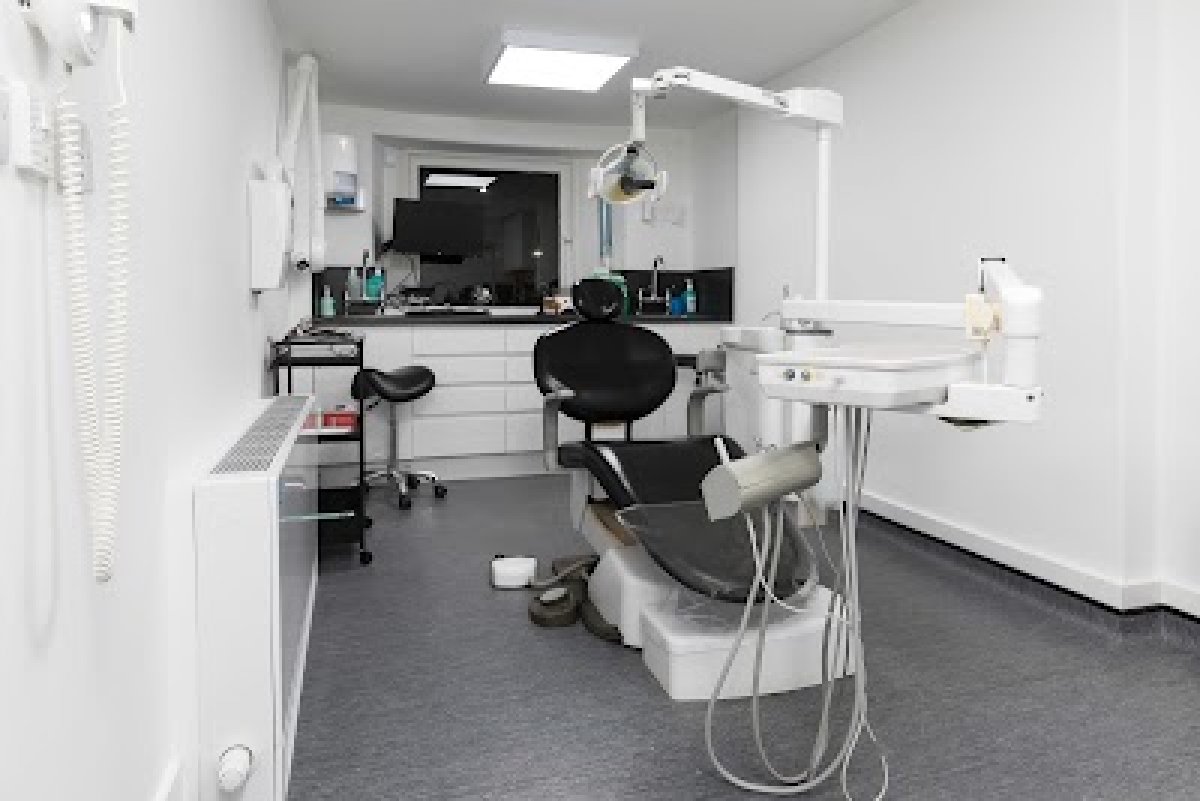
Wellington Hospital
Reino Unido, Londres


Revisado médicamente por
Gokhan Temiz
La nefrología en el Reino Unido suele costar desde $10,800 hasta $27,300. Los precios dependen de la modalidad de tratamiento específica, la complejidad de la afección renal y si el procedimiento es robótico o tradicional. Los costos de la atención privada están influenciados por la elección de la clínica y la duración de la estancia.
Costos típicos de nefrología en el Reino Unido
La atención renal especializada se concentra en Londres, Manchester y Birmingham. Las clínicas de Londres pueden tener tarifas administrativas más altas en comparación con los centros regionales. Consulte con un especialista para obtener precios precisos para sus necesidades médicas y plan de tratamiento específicos.
| Reino Unido | España | Turquía | |
|---|---|---|---|
| Ureteroscopia con litotricia láser (extracción de cálculos renales) | ≈ $5,200 | ≈ $3,600 | de $8,900 |
| Plasmaféresis | ≈ $2,500 | de $12,200 | de $3,200 |
| Pieloplastia | ≈ $9,800 | ≈ $7,200 | ≈ $4,200 |
| Nefrectomía radical robótica | ≈ $17,500 | ≈ $13,500 | de $23,400 |
| Nefrectomía con Robot Da Vinci | ≈ $21,500 | de $24,600 | de $18,500 |
Bookimed no añade cargos extra a los precios de los tratamientos de Nefrología. Las tarifas proceden de las listas de precios oficiales de las clínicas. Pagará directamente en la clínica por su tratamiento a su llegada al país.
Bookimed está comprometido con su seguridad. Solo trabajamos con las clínicas que mantienen altos estándares internacionales en el tratamiento de Nefrología y tienen las licencias necesarias para atender a pacientes internacionales en todo el mundo.
Bookimed ofrece asistencia experta gratuita. Un coordinador médico personal le apoya antes, durante y después del tratamiento, resolviendo cualquier problema. Nunca estará solo en su viaje médico de procedimientos de Nefrología.

 Olena Sikoza
Un médico de cabecera deriva a los pacientes a un nefrólogo para investigar marcadores anormales de la función renal o afecciones crónicas. Estos especialistas gestionan problemas de filtración renal, desequilibrios electrolíticos e hipertensión. Las derivaciones a menudo siguen a niveles anormales de creatinina sérica o resultados reducidos de la tasa de filtración glomerular estimada (TFGe) durante los exámenes de rutina.
Perspectiva del experto de Bookimed: Las grandes instalaciones como el Wellington Hospital en Londres gestionan volúmenes masivos de pacientes, alcanzando más de 800,000 anualmente. Estos centros de alta capacidad a menudo ofrecen diagnósticos integrados como gammagrafía y biopsias renales en el lugar. Esto permite a los pacientes completar evaluaciones especializadas completas y planes de tratamiento en una sola ubicación.
Su número de eGFR mide la eficiencia de filtración de los riñones. Determina su etapa de Enfermedad Renal Crónica (ERC). Las etapas 1 a 3 suelen tener un impacto mínimo en la vida diaria. Las etapas 4 y 5 requieren un manejo médico intensivo. Los especialistas del Reino Unido utilizan estas tendencias para guiar la dieta y el control de la presión arterial.
Perspectiva del experto de Bookimed: Las clínicas del Reino Unido, como el Wellington Hospital, atienden a más de 800,000 pacientes al año en 52 departamentos. Los datos muestran que un eGFR entre 60–90 no es ERC sin presencia de proteínas en la orina. El éxito depende de monitorear las tendencias durante 3–6 meses en lugar de resultados de laboratorio únicos. El seguimiento constante ayuda a prevenir cambios repentinos hacia etapas posteriores.
Consenso de los pacientes: Los pacientes señala
Los pacientes con enfermedad renal deben evitar los medicamentos antiinflamatorios no esteroideos (AINE) como el ibuprofeno, el naproxeno y la aspirina en dosis altas. Estos medicamentos reducen el flujo sanguíneo renal. Esto puede empeorar la función renal o causar retención de líquidos. Utilice paracetamol como una alternativa más segura para el control del dolor rutinario.
Perspectiva del experto de Bookimed: Nuestros datos muestran que los pacientes que buscan consultas de nefrología en Londres, como en el Hospital Wellington, a menudo pasan por alto cómo los diagnósticos rutinarios, como el análisis bioquímico de sangre, pueden detectar el estrés temprano inducido por los AINE. Solicite siempre un control de la función renal antes de comenzar programas de medicación a largo plazo. La detección temprana a través de chequeos básicos evita que problemas menores requieran tratami
El progreso hacia la diálisis o un trasplante de riñón depende de su diagnóstico específico y de la tasa de filtración glomerular (eGFR). La mayoría de las personas con enfermedad renal crónica en etapa temprana nunca llegan a la etapa 5 de insuficiencia. La terapia de reemplazo se vuelve necesaria solo cuando la función renal cae por debajo del 15% y no puede sustentar la vida.
Perspectiva de expertos de Bookimed: Los centros de Londres, como el Wellington Hospital, gestionan volúmenes masivos de pacientes, atendiendo a más de 800,000 personas anualmente en toda su red. Los datos muestran que las grandes instalaciones privadas a menudo coordinan la atención multiespecializada, lo cual es vital para controlar la presión arterial y la diabetes que impulsan el deterioro renal. Monitorear su tendencia de eGFR a lo largo del ti
Los pacientes de nefrología en el Reino Unido deben priorizar la reducción de sodio y proteínas procesadas para proteger la función renal. Los ajustes efectivos incluyen cambiar a comidas caseras y evitar los medicamentos antiinflamatorios no esteroideos. Estos hábitos apoyan la salud renal a largo plazo y ayudan a controlar la presión arterial de manera efectiva.
Perspectiva del experto de Bookimed: Los datos de grandes centros de Londres, como el Hospital Wellington, muestran que la atención renal efectiva requiere un enfoque multidisciplinario. Los pacientes a menudo se benefician más cuando combinan diagnósticos clínicos, como el análisis bioquímico de sangre, con un plan de tratamiento estructurado. El éxito depende de seguir de cerca los límites de laboratorio para el potasio y el fósforo antes de restringir su consumo.
Consenso de los pacientes: Los pacientes señalan que es i