Nefrología en Tailandia: las 19 mejores clínicas con opiniones de pacientes


Revisado médicamente por
Gokhan Temiz
¿Cuál es el precio de procedimientos de Nefrología en Tailandia? Descubra ahora
El costo de la nefrología en Tailandia promedia típicamente entre $6,600 / 244,200฿ y $17,300 / 640,100฿. Los costos finales dependen del tipo de centro, la complejidad del procedimiento y la elección entre tecnología quirúrgica tradicional o robótica. Los pacientes que viajan desde los Estados Unidos pueden esperar ahorros del 50-70% en comparación con los precios nacionales para el cuidado renal.
Costos típicos de nefrología en Tailandia
- Consulta con un urólogo: $45 / 1,700฿ – $65 / 2,400฿
- Análisis de orina: de $400 / 14,800฿
- Diálisis: de $150 / 5,600฿
- Nefrectomía: $9,500 / 351,500฿ – $16,500 / 610,500฿
- Litotricia ureteroscópica: $2,300 / 85,100฿ – $3,400 / 125,800฿
- Nefrectomía con robot Da Vinci: $15,000 / 555,000฿ – $22,000 / 814,000฿
- Pieloplastia: $5,500 / 203,500฿ – $9,000 / 333,000฿
- Ureteroscopia con litotricia láser (extracción de cálculos renales): $2,800 / 103,600฿ – $4,800 / 177,600฿
La mayoría de los centros especializados en nefrología se encuentran en Bangkok y Phuket. Si bien Bangkok ofrece la mayor concentración de hospitales privados, las clínicas en otras regiones pueden ofrecer tarifas ligeramente más bajas para servicios de rutina. Consulte con un especialista para obtener precios precisos para su condición específica.
| Tailandia | España | Turquía | |
|---|---|---|---|
| Ureteroscopia con litotricia láser (extracción de cálculos renales) | ≈ $2,800 / 103,600฿ | ≈ $3,600 / 133,200฿ | de $8,900 / 329,300฿ |
| Plasmaféresis | ≈ $1,200 / 44,400฿ | de $12,300 / 455,100฿ | de $3,200 / 118,400฿ |
| Pieloplastia | ≈ $5,500 / 203,500฿ | ≈ $7,200 / 266,400฿ | ≈ $4,200 / 155,400฿ |
| Nefrectomía radical robótica | ≈ $11,500 / 425,500฿ | ≈ $13,500 / 499,500฿ | de $23,400 / 865,800฿ |
| Nefrectomía con Robot Da Vinci | ≈ $15,000 / 555,000฿ | de $24,700 / 913,900฿ | de $18,500 / 684,500฿ |
Todas las enfermedades de Nefrología
Sus beneficios y garantías con Bookimed
Precios directos
Bookimed no añade cargos extra a los precios de los tratamientos de Nefrología. Las tarifas proceden de las listas de precios oficiales de las clínicas. Pagará directamente en la clínica por su tratamiento a su llegada al país.
Sólo clínicas y médicos verificados
Bookimed está comprometido con su seguridad. Solo trabajamos con las clínicas que mantienen altos estándares internacionales en el tratamiento de Nefrología y tienen las licencias necesarias para atender a pacientes internacionales en todo el mundo.
Asistencia 24/7 gratuita
Bookimed ofrece asistencia experta gratuita. Un coordinador médico personal le apoya antes, durante y después del tratamiento, resolviendo cualquier problema. Nunca estará solo en su viaje médico de procedimientos de Nefrología.

Su coordinador médico personal de Bookimed
- Le apoya en cada etapa
- Ayuda a elegir la clínica y el médico adecuados
- Asegura un acceso rápido y conveniente a la información
Descubra las mejores clínicas de Nefrología en Tailandia: 19 opciones verificadas y Precios








Centro médico B.Care


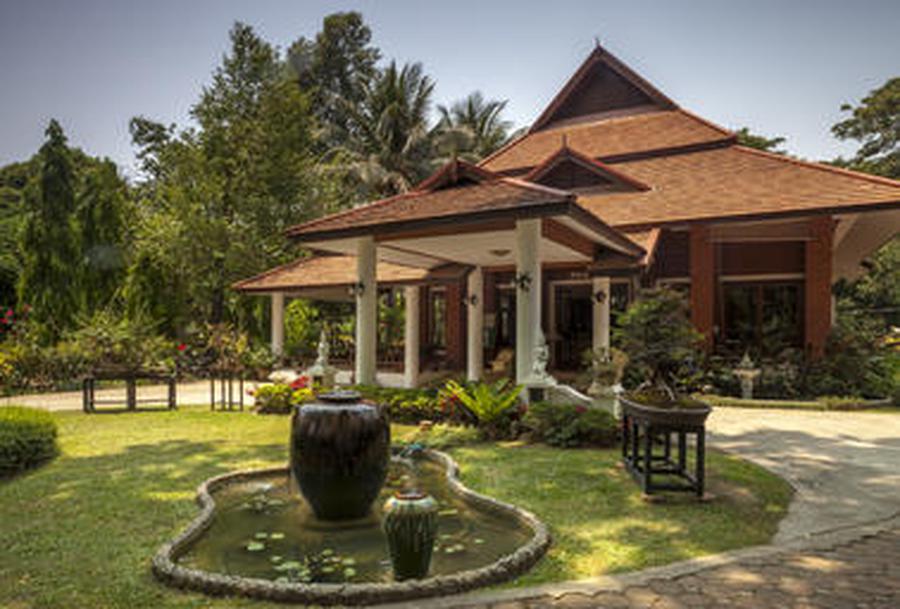
Mantak Chia | Universal Healing Tao | Tao Garden (Tao Garden Health Spa & Resort)




Los mejores centros médicos de Nefrología en Tailandia
- Intrarat Hospital, Tailandia
- Vega Clinic, Tailandia
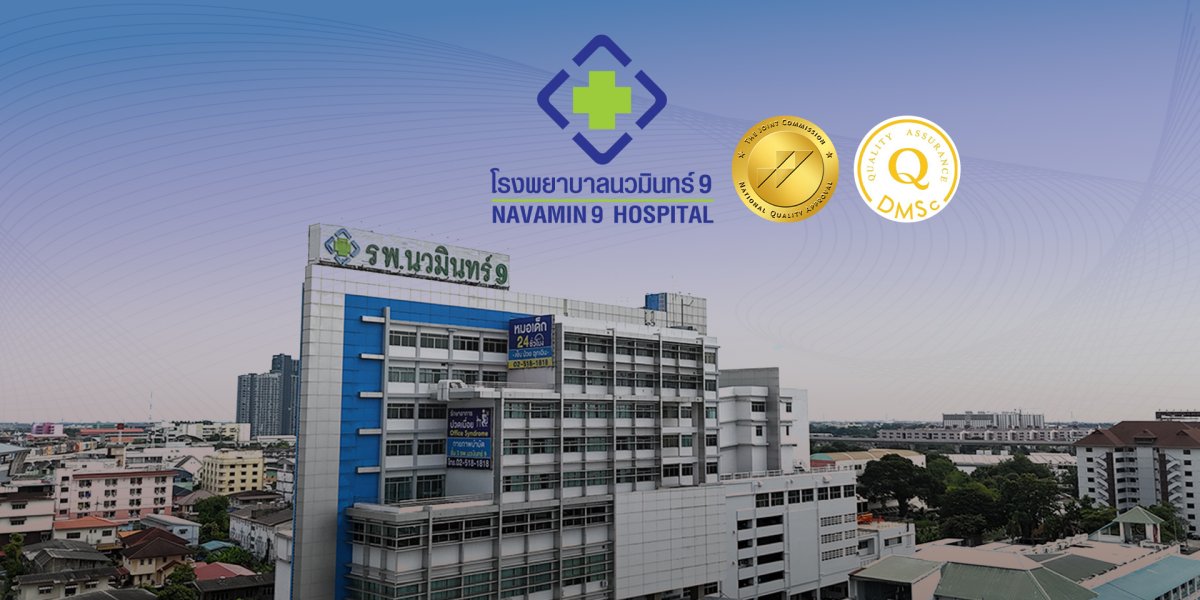
- Clínica Navamin 9, Tailandia
- Bumrungrad International Hospital, Tailandia
- Centro médico B.Care, Tailandia
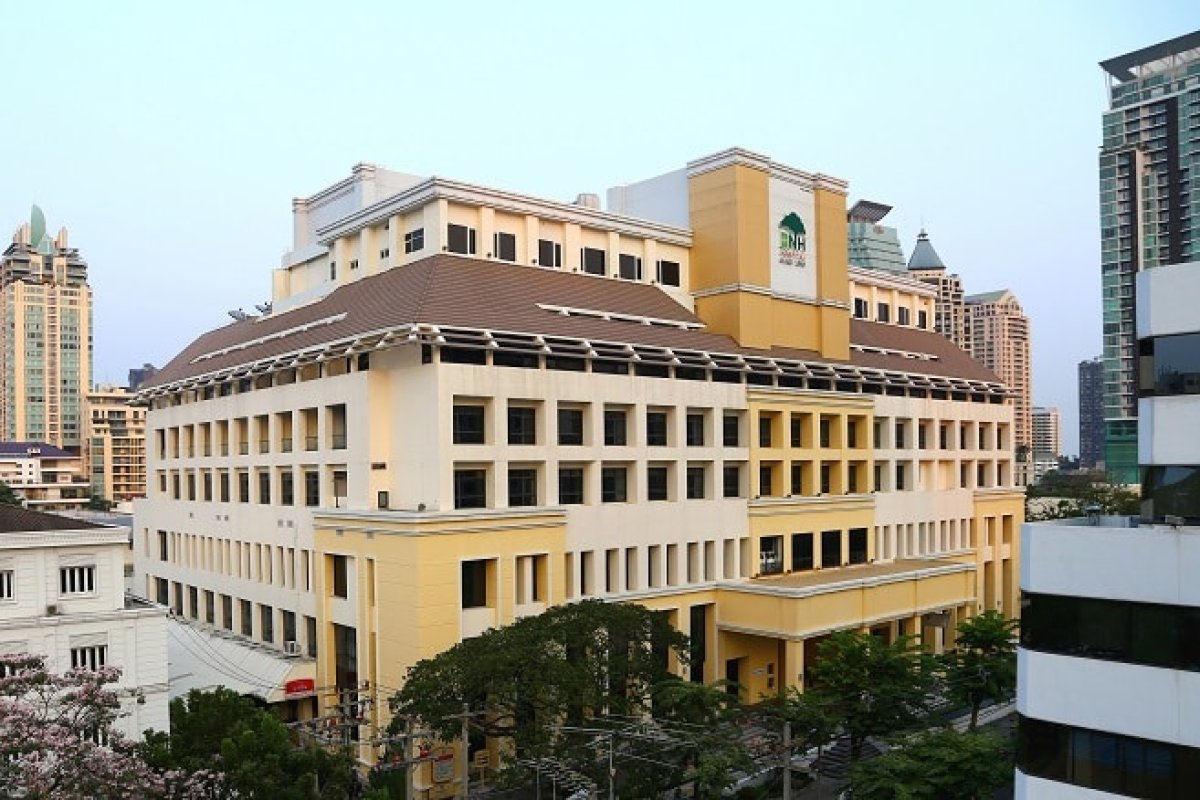
- BNH Hospital, Tailandia
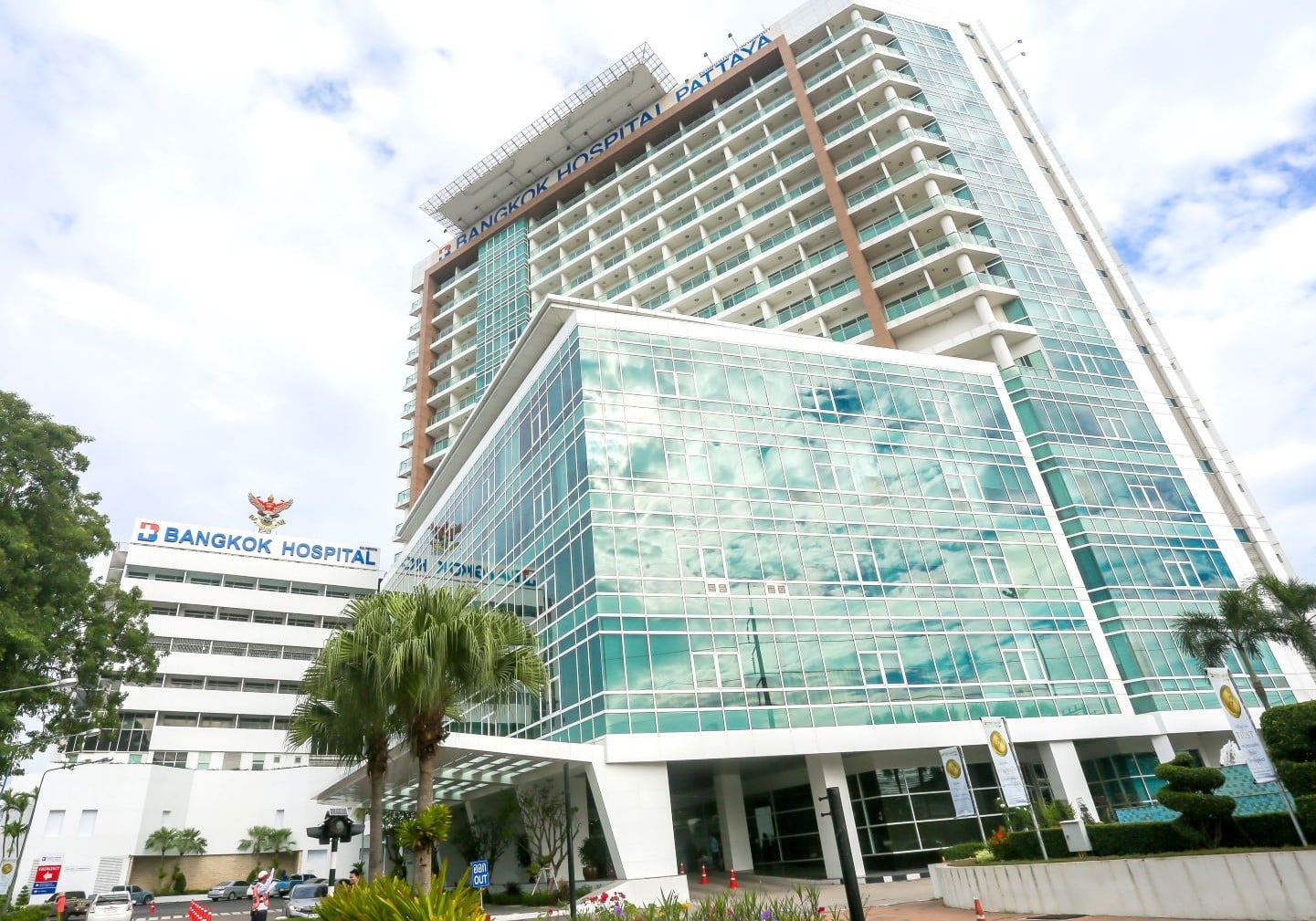
- Bangkok Hospital Pattaya, Tailandia
- Mantak Chia | Universal Healing Tao | Tao Garden (Tao Garden Health Spa & Resort), Tailandia
- B. Care Spa, Tailandia
- Thanyapura Health & Sports Resort, Tailandia
Obtenga una evaluación médica de Nefrología en Tailandia: haga una consulta con 15 médicos experimentados ahora
Ver todos los médicos
Bee Thamonwan Trongpanyachot
La Dra. Thamonwan Trongpanyachot (Dra. Bee) es médica en Plenary Wellness, Phuket, especializada en medicina estética, antienvejecimiento y regenerativa. Obtuvo su título de Doctora en Medicina (M.D.) en la Universidad Médica de Lublin, Polonia.
Es experta en tratamientos estéticos avanzados como Botox, rellenos dérmicos, Sculptra e inyectables bioestimuladores, con un enfoque en resultados naturales y duraderos. En medicina regenerativa, ofrece terapia capilar PRP, mesoterapia capila

Thanaphat Pomyukon
El Dr. Thanaphat Pomyukon es cirujano general (ศัลยแพทย์ทั่วไป). Licencia médica tailandesa n.º ว.50550. Obtuvo su título de médico (M.D.) en la Facultad de Medicina de la Universidad de Chulalongkorn. También posee el Diploma de la Junta Tailandesa de Cirugía General, obtenido en el Hospital Roi Et del Ministerio de Salud Pública.
Su enfoque clínico incluye hernias y hemorroides. También trata bultos mamarios y cálculos biliares. Atiende enfermedades del aparato digestivo. Realiza end

Natthaphon Srithurawanit
El Dr. Natthaphon Srithurawanit es especialista en medicina regenerativa en el Mali Interdisciplinary Hospital de Bangkok. Integra la medicina convencional y de precisión para tratar enfermedades crónicas no transmisibles. El Dr. Srithurawanit se centra en reducir los tiempos de curación mediante técnicas restaurativas en un centro acreditado por la GHA.
- Realiza terapia con células madre para la reparación de tejidos y el rejuvenecimiento antienvejecimiento.
- Realiza procedi

Siriporn Leehacharoenkul
La Dra. Siriporn se especializa en salud renal, combinando experiencia en medicina interna y nefrología en el Hospital Intrarat.
- Formada en nefrología en el Hospital Rajavithi
- Certificada en medicina interna
- Graduada de la Facultad de Medicina de la Universidad Prince of Songkla
- Brinda atención renal integral
Compartir contenido
Historias en video de pacientes de Bookimed
 Olena Sikoza
Preguntas frecuentes sobre Nefrología en Tailandia
¿Qué cualificaciones tienen los nefrólogos en Tailandia?
Los nefrólogos en Tailandia deben completar un título de medicina de 6 años seguido de una residencia de 3 años en medicina interna. Los especialistas luego realizan una subespecialización (fellowship) en nefrología de 2 o 3 años. Muchos poseen certificaciones del Royal College of Physicians of Thailand (RCPT). Los expertos de alto nivel a menudo poseen licencias internacionales o formación del Reino Unido o EE. UU.
- Educación médica: Los médicos completan 6 años de estudios médicos fundamentales en universidades reconocidas.
- Formación de residencia: Los especialistas terminan un programa de 3 años en medicina interna antes de ingresar a subespecializaciones.
- Certificación: La mayoría de los especialistas poseen diplomas en nefrología del Royal College of Physicians.
- Credenciales internacionales: Médicos como la Dra. Donna Robinson mantienen licencias médicas tanto tailandesas como británicas.
Perspectiva del experto de Bookimed: Los datos sugieren un fuerte vínculo entre los hospitales multidisciplinarios y las credenciales de élite. En el Bumrungrad International Hospital, que emplea a más de 1,300 médicos, los nefrólogos a menudo se integran con equipos de trasplante. Este entorno atrae a especialistas que han completado subespecializaciones en instituciones internacionales destacadas. Los pacientes deben priorizar a los médicos con a
¿Qué tan seguro es el tratamiento nefrológico en Tailandia?
Los hospitales tailandeses acreditados internacionalmente garantizan la seguridad en nefrología mediante los estándares de la Joint Commission International (JCI) y tecnologías quirúrgicas avanzadas. Centros como el Bumrungrad International Hospital utilizan sistemas robóticos Da Vinci para nefrectomías precisas. Los centros especializados emplean nefrólogos certificados como la Dra. Yatip Mukdaloy para supervisar los cuidados renales complejos y el diagnóstico.
- Acreditación rigurosa: La JCI y la Global Healthcare Accreditation (GHA) validan estrictos protocolos de seguridad clínica.
- Experiencia especializada: Médicos como la Dra. Donna Robinson aportan más de 30 años de experiencia clínica.
- Diagnóstico avanzado: Las clínicas ofrecen imágenes de alto nivel, incluyendo gammagrafías y biopsias renales para mayor precisión.
- Precisión quirúrgica: La nefrectomía radical asistida por robot reduce el trauma tisular y favorece una recuperación más rápida del paciente.
Perspectiva de expertos de Bookimed: Los centros médicos tailandeses con un alto volumen de pacientes internacionales, como el Bumrungrad, que atiende a 1 millón de pacientes al año, muestran una tendencia a reinvertir en la integración digital. Nuestros datos destacan que estas clínicas utilizan a menudo registros médicos electrónicos (EHR) e IA para minimizar los errores de diag
¿Qué debo preparar para mi tratamiento de diálisis en el extranjero?
Los pacientes deben llevar sus registros médicos en inglés y ropa holgada que permita un fácil acceso a los brazos para las sesiones de diálisis. Por lo general, se requiere una estancia de 14 a 30 días para estabilizar el tratamiento o permitir la recuperación quirúrgica. Se dispone de atención de alta calidad en centros acreditados por la JCI, como el Bumrungrad International Hospital y el Yanhee International Hospital.
- Duración de la estancia: Planifique de 2 a 4 semanas para establecer un programa de diálisis estable o permitir la maduración del acceso.
- Documentación médica: Lleve resúmenes en inglés, análisis de laboratorio recientes y archivos de imágenes en un USB.
- Ropa esencial: Empaque camisas con botones o mangas holgadas para facilitar el acceso durante las sesiones de 4 horas.
- Reglas de medicación: Mantenga todos los medicamentos recetados en sus frascos originales para cumplir con las estrictas aduanas tailandesas.
- Herramientas de comunicación: Instale WhatsApp o Line para coordinarse rápidamente con el personal médico tailandés especializado.
Opinión experta de Bookimed: Los datos de clínicas de primer nivel como el Hospital Intrarat muestran que los equipos de nefrología a menudo incluyen especialistas formados en el Reino Unido, como la Dra. Donna Robinson. Estos centros atienden a más de 100.00
¿Qué asistencia médica de emergencia está disponible en Tailandia para complicaciones tras diálisis o procedimientos nefrológicos?
Los hospitales tailandeses brindan atención de emergencia 24/7 y escritorios especializados para pacientes internacionales a fin de gestionar complicaciones derivadas de diálisis o procedimientos de nefrología. Instalaciones como Bumrungrad International Hospital y Bangkok Hospital Pattaya utilizan los estándares de la Joint Commission International (JCI). Estos centros ofrecen nefrólogos de guardia y equipos de coordinación dedicados para un soporte médico inmediato.
- Departamentos especializados: Bumrungrad International Hospital opera 70 departamentos para manejar complicaciones multiorgánicas.
- Supervisión experta: Doctores como la Dra. Donna Robinson aportan más de 35 años de experiencia médica.
- Diagnósticos avanzados: Las clínicas ofrecen biopsias renales y centellografía para identificar rápidamente problemas post-procedimiento.
- Infraestructura de emergencia: Las instalaciones en Bangkok y Pattaya mantienen de 300 a más de 600 camas para la estabilización.
Perspectiva del experto de Bookimed: Los datos muestran que los hospitales con más de 400,000 pacientes anuales suelen tener sistemas internos más robustos para la gestión de complicaciones. Por ejemplo, Bangkok Hospital Pattaya y Yanhee International Hospital manejan volúmenes masivos. Estos centros de alta capacidad normalmente cuentan con equipos internos que hablan inglés, li
¿Cuáles son los estándares de calidad del agua para diálisis en los hospitales tailandeses?
Los principales hospitales tailandeses a menudo utilizan sistemas de doble ósmosis inversa (RO) para cumplir con los estándares internacionales de calidad del agua. Aunque el seguimiento por sesión no es un requisito legal universal, las instalaciones de primer nivel acreditadas por la JCI ofrecen alta transparencia. Los pacientes deben verificar las etapas específicas de filtración y las frecuencias de prueba directamente con la clínica que han elegido.
- Estándares de agua: Los centros acreditados por la JCI suelen seguir estrictas pautas de calidad de agua de la AAMI o la ISO 23500.
- Tecnología de filtración: Los sistemas de doble RO proporcionan dos etapas de purificación para la máxima eliminación de contaminantes.
- Frecuencia de monitoreo: Los grandes hospitales privados a menudo realizan pruebas microbiológicas y químicas mensualmente.
- Variación regional: El tratamiento de agua de alto estándar es más consistente en Bangkok en comparación con ciudades más pequeñas.
Perspectiva del Experto de Bookimed: Los datos muestran que los hospitales con altos volúmenes de pacientes internacionales, como el Hospital Bumrungrad International, invierten fuertemente en infraestructura. Estas instalaciones atienden a más de 1 millón de pacientes anualmente y mantienen múltiples certificaciones ISO. Esta escala les permite implementar avanzados siste
¿Cuál es el mejor lugar para recibir atención nefrológica en Tailandia?
Bangkok es la ciudad principal para el cuidado de nefrología en Tailandia. Alberga instalaciones de clase mundial como el Hospital Internacional Bumrungrad y el Hospital Intrarat. Estos centros cuentan con departamentos acreditados por la JCI. Ofrecen tratamientos avanzados, incluyendo nefrectomía robótica y manejo de diálisis crónica. Atención especializada está disponible en Pattaya y Chiang Mai.
- Bangkok: Hogar de hospitales de primer nivel con capacidades de cirugía robótica e inteligencia artificial.
- Pattaya: Conocida por instalaciones acreditadas por la JCI como el Bangkok Hospital Pattaya que atiende a pacientes internacionales.
- Chiang Mai: Proporciona centros bien establecidos con certificación ISO para el cuidado renal a largo plazo.
- Phuket: Ofrece servicios esenciales de nefrología principalmente para poblaciones residentes y turistas médicos.
Análisis Experto de Bookimed: Las clínicas de Bangkok ofrecen una ventaja única de eficiencia para diagnósticos renales complejos. Centros líderes como el Hospital Internacional Bumrungrad atienden a 1,000,000 de pacientes anualmente. Este volumen masivo les permite proporcionar resultados el mismo día para biopsias renales y revisiones de resonancia magnética. Los pacientes ahorran tiempo significativo en comparación con clínicas provinciales.
Consenso de Pacientes: