Nefrología en Polonia: las 24 mejores clínicas con opiniones de pacientes


Revisado médicamente por
Gokhan Temiz
¿Cuál es el precio de procedimientos de Nefrología en Polonia? Descubra ahora
La nefrología en Polonia suele costar desde $4,100 hasta $12,300. Los precios varían según si requiere mantenimiento regular como diálisis, la complejidad de las intervenciones quirúrgicas y la tecnología específica utilizada, como los sistemas robóticos. Los pacientes a menudo encuentran ahorros de alrededor del 50-70% en comparación con los Estados Unidos.
Costos típicos de nefrología en Polonia
- Consulta con un urólogo: de $120
- Chequeo básico: Precio a consultar
- Análisis de orina: Precio a consultar
- Diálisis: $90 – $180
- Nefrectomía: de $5,500
- Litotricia uretroscópica: $2,000 – $4,000
- Nefrectomía con robot Da Vinci: de $13,900
- Pieloplastia: $3,200 – $5,600
- Ureteroscopia con litotricia láser (extracción de cálculos renales): $2,800 – $4,200
- Nefrectomía radical robótica: $9,500 – $13,500
Los servicios especializados de nefrología se encuentran principalmente en Varsovia y Cracovia. Aunque Varsovia es el centro principal, las tarifas de las clínicas pueden variar entre estas ciudades. Debe consultar con un especialista para obtener precios precisos para sus necesidades médicas y plan de tratamiento específicos.
| Polonia | España | Turquía | |
|---|---|---|---|
| Ureteroscopia con litotricia láser (extracción de cálculos renales) | ≈ $2,800 | ≈ $3,600 | de $8,900 |
| Plasmaféresis | de $3,300 | de $12,300 | de $3,200 |
| Pieloplastia | ≈ $3,200 | ≈ $7,200 | ≈ $4,200 |
| Nefrectomía radical robótica | ≈ $9,500 | ≈ $13,500 | de $23,400 |
| Nefrectomía con Robot Da Vinci | de $13,900 | de $24,700 | de $18,500 |
Todas las enfermedades de Nefrología
Sus beneficios y garantías con Bookimed
Precios directos
Bookimed no añade cargos extra a los precios de los tratamientos de Nefrología. Las tarifas proceden de las listas de precios oficiales de las clínicas. Pagará directamente en la clínica por su tratamiento a su llegada al país.
Sólo clínicas y médicos verificados
Bookimed está comprometido con su seguridad. Solo trabajamos con las clínicas que mantienen altos estándares internacionales en el tratamiento de Nefrología y tienen las licencias necesarias para atender a pacientes internacionales en todo el mundo.
Asistencia 24/7 gratuita
Bookimed ofrece asistencia experta gratuita. Un coordinador médico personal le apoya antes, durante y después del tratamiento, resolviendo cualquier problema. Nunca estará solo en su viaje médico de procedimientos de Nefrología.

Su coordinador médico personal de Bookimed
- Le apoya en cada etapa
- Ayuda a elegir la clínica y el médico adecuados
- Asegura un acceso rápido y conveniente a la información
Descubra las mejores clínicas de Nefrología en Polonia: 24 opciones verificadas y Precios
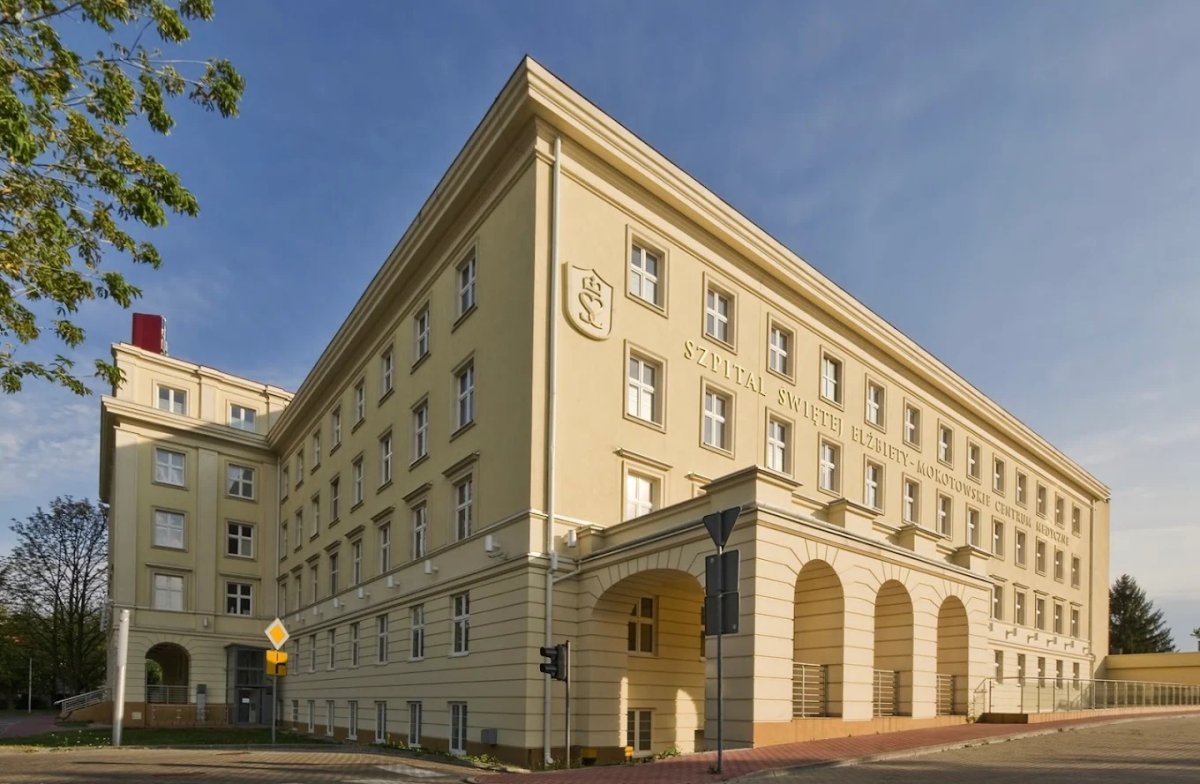








Centrum Medyczne doktorA

Hospital Matopat

Hospital Universitario de Cracovia

Institute of Cybernetic Surgery Cyberknife

Retina Eye Hospital
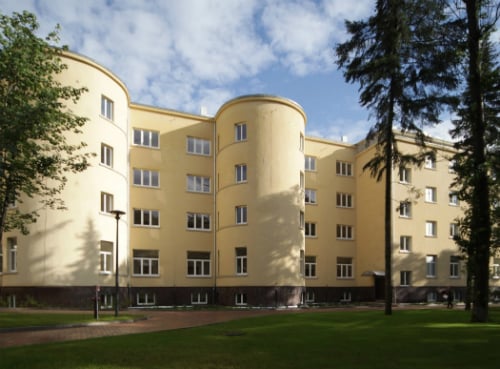
European Health Center Otwock
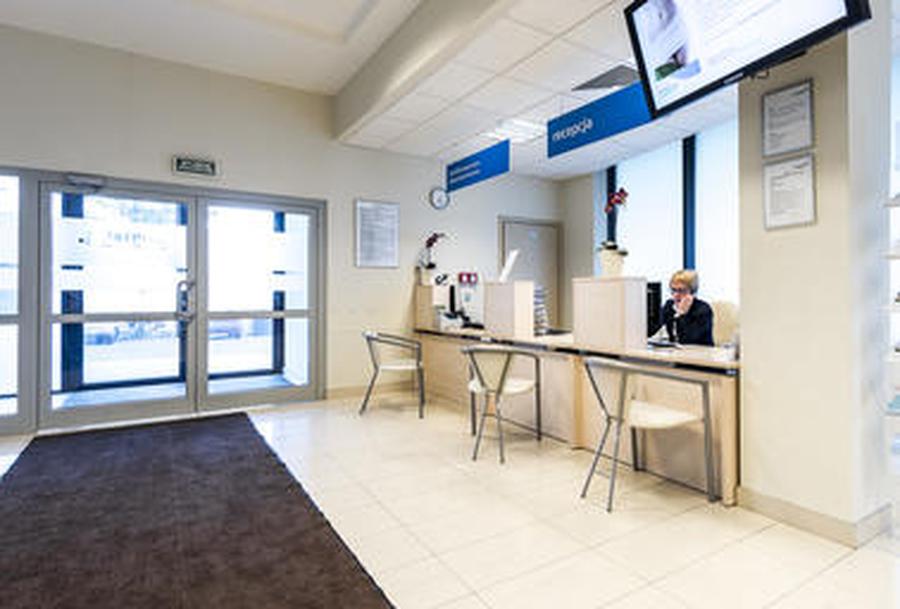
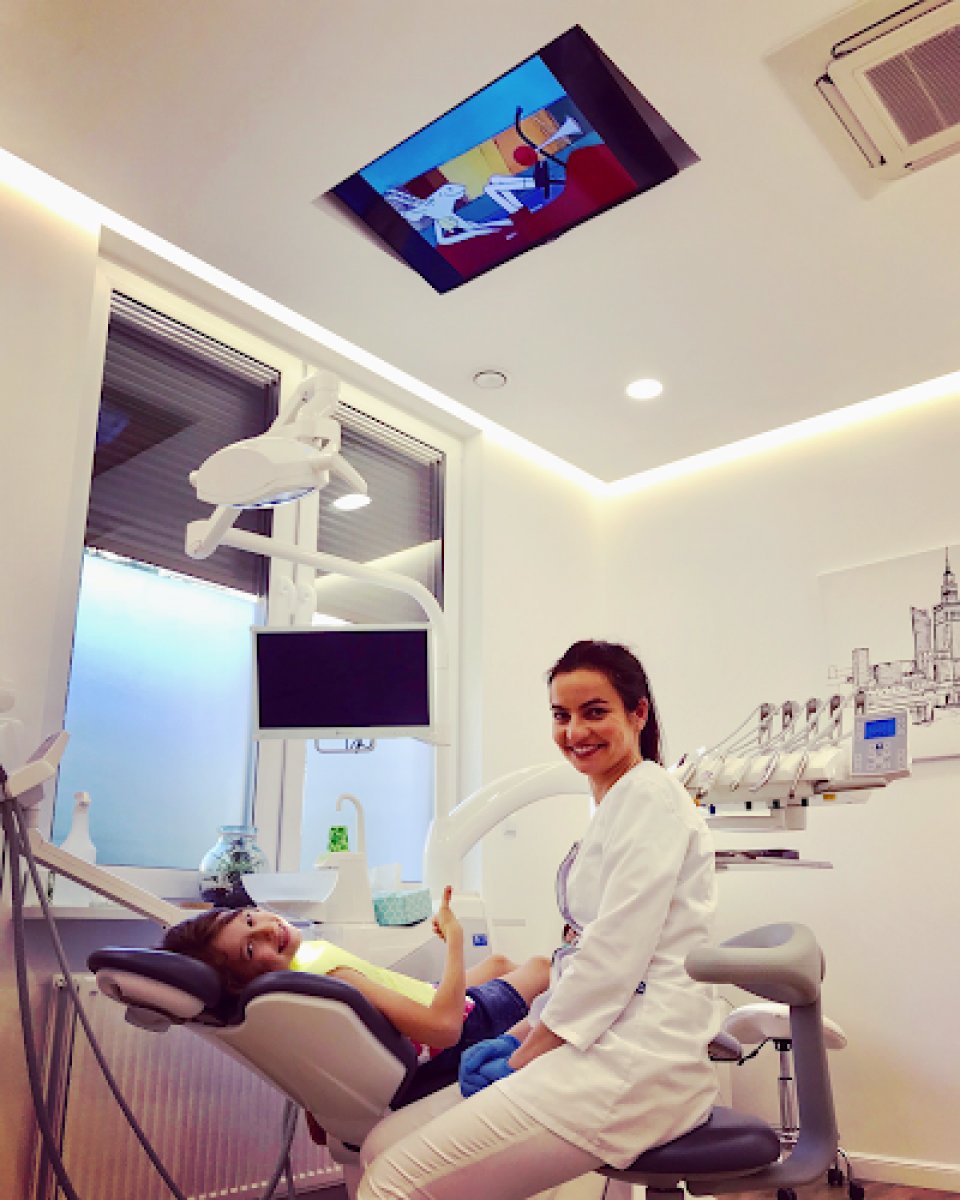
Warsaw Dental Academy - Implantologia i Stomatologia Estetyczna
Los mejores centros médicos de Nefrología en Polonia
- LUX MED Szpital św. Elżbiety, Polonia
- Clínica KCM, Polonia
- Centrum Medyczne doktorA, Polonia
- Hospital Matopat, Polonia
- Hospital Universitario de Cracovia, Polonia
- Institute of Cybernetic Surgery Cyberknife, Polonia
- Retina Eye Hospital, Polonia
- European Health Center Otwock, Polonia
- Luxmed, Polonia
- Warsaw Dental Academy - Implantologia i Stomatologia Estetyczna, Polonia
Obtenga una evaluación médica para en Polonia: Elija su especialista entre los mejores en el campo
Ver todos los médicos
Paweł Horbaczewski
Marek Zawadzki

pawel Horbaczewski
Con 16 años de experiencia clínica, el médico se especializa en asesoramiento de salud integral tanto para pacientes pediátricos como adultos. Su experiencia incluye brindar orientación profesional sobre nutrición, con un enfoque específico en el desarrollo de planes de alimentación complementaria individualizados para bebés basados en las necesidades fisiológicas y los hitos del desarrollo.
El médico mantiene altos estándares profesionales y éticos, actualizando constantemente sus cono
Compartir contenido
Historias en video de pacientes de Bookimed
 Olena Sikoza
Preguntas frecuentes sobre Nefrología en Polonia
¿Qué tan seguros son los procedimientos renales en Polonia y qué acreditaciones tienen los centros de nefrología?
Los procedimientos renales en Polonia son seguros y siguen estrictos estándares médicos de la Unión Europea. Las instalaciones utilizan sistemas robóticos Da Vinci avanzados y litotricia láser para una alta precisión. La mayoría de los centros especializados reportan tasas de éxito de entre el 85 % y el 95 % en cirugías complejas de preservación renal y resecciones oncológicas.
- Acreditación nacional: El Centro de Monitoreo de Calidad (CMJ) garantiza el cumplimiento de la seguridad del Ministerio de Salud.
- Estándares de calidad: Hospitales como el Hospital Matopat y la Clínica KCM mantienen certificaciones ISO 9001.
- Supervisión europea: Las calificaciones médicas polacas cumplen con la armonización europea obligatoria y los estándares de las directivas de la UE.
- Volumen de expertos: El Hospital Universitario de Cracovia trata a más de 455,000 pacientes al año con más de 1,000 médicos.
Perspectiva de expertos de Bookimed: Nuestros datos muestran que los principales centros polacos, como el Hospital Universitario de Cracovia, funcionan como centros académicos masivos con más de 100 departamentos especializados. Esta escala permite un apoyo interdisciplinario inmediato durante las cirugías renales. Los pacientes a menudo eligen estos híbridos público-privados de alto volumen porque combinan experiencia de nivel universitario con equipos mod
¿Qué ciudades polacas ofrecen los programas de nefrología y trasplantes más avanzados para pacientes internacionales?
Varsovia, Cracovia y Gdansk son las ciudades líderes de Polonia en nefrología avanzada y trasplante renal. Estos centros cuentan con hospitales universitarios e instalaciones con estándares JCI. Ofrecen atención compleja que incluye diálisis y cirugía asistida por robot. Varsovia y Cracovia dominan la infraestructura de trasplantes con altas tasas de supervivencia.
- Capacidad de Varsovia: El Centro Clínico Universitario maneja los casos de trasplante renal más avanzados.
- Experiencia de Cracovia: El Hospital Universitario de Cracovia atiende a 455.000 pacientes al año con unidades especializadas.
- Tecnología especializada: La Clínica KCM en Jelenia Gora ofrece nefrectomía radical robótica utilizando sistemas modernos.
- Referencias regionales: El Centro Clínico Universitario de Gdansk sirve como centro de referencia clave para el norte de Polonia.
Perspectiva de expertos de Bookimed: Los datos muestran una tendencia clara en la que las clínicas en ciudades más pequeñas como Jelenia Gora y Torun, incluidas la Clínica KCM y el Hospital Matopat, se especializan en paquetes integrales para pacientes internacionales. Si bien los hospitales universitarios de Varsovia manejan los mayores volúmenes de trasplantes, estos centros privados a menudo brindan un acceso más rápido a diagnósticos especializados y cirugías robóticas.
Consenso
¿Cuál es el cronograma típico de recuperación y el plazo para volver a viajar después de un trasplante de riñón o una intervención nefrológica mayor en Polonia?
La recuperación después de un trasplante de riñón en Polonia requiere generalmente de 3 a 6 meses para una restauración física completa. Los pacientes suelen permanecer hospitalizados de 7 a 20 días para el monitoreo del injerto. Los viajes internacionales generalmente están restringidos durante 6 meses para minimizar los riesgos de infección mientras se sigue una terapia inmunosupresora intensiva.
- Estancia hospitalaria: Espere de 7 a 20 días para monitorear la función inicial del injerto y la curación quirúrgica.
- Actividad ligera: Los pacientes a menudo reanudan las caminatas y las tareas básicas dentro de las 3 a 6 semanas.
- Regreso al trabajo: La mayoría regresa a sus deberes profesionales entre 8 y 12 semanas después de la operación.
- Viajes nacionales: Los viajes locales suelen permitirse después de 2 a 3 meses de estabilidad.
- Viajes aéreos: Los vuelos de larga distancia a menudo se posponen de 6 a 12 meses por seguridad.
Perspectiva de expertos de Bookimed: Los datos de los principales centros polacos, como el Hospital Universitario de Cracovia, muestran que los altos volúmenes de pacientes se correlacionan con protocolos de seguimiento especializados. Las clínicas que realizan miles de procedimientos al año a menudo cuentan con equipos dedicados para monitorear los niveles de creatinina. Este enfoque basad
¿Quedan cicatrices visibles después de una cirugía de riñón en Polonia?
La cirugía de riñón en Polonia suele dejar cicatrices mínimas gracias a técnicas robóticas y laparoscópicas avanzadas. Los procedimientos modernos realizados en centros como el Hospital Universitario de Cracovia utilizan pequeñas incisiones. La mayoría de las marcas se desvanecen hasta convertirse en finas líneas blancas o pequeños puntos en un plazo de 12 a 18 meses.
- Cirugía robótica: Por lo general, implica de 3 a 5 incisiones de menos de 1 cm cada una.
- Método laparoscópico: Deja pequeñas cicatrices de alrededor de 1 cm, a menudo ocultas bajo la línea del cinturón.
- Cirugía abierta: Puede requerir una incisión de 10 a 20 cm para casos complejos.
- Herramientas de recuperación: Los cirujanos suelen recomendar láminas de silicona o vitamina E para una mejor cicatrización.
Perspectiva de expertos de Bookimed: Los datos muestran que las clínicas polacas como el Centrum Chirurgii Robotycznej priorizan la nefrectomía asistida por robot para minimizar el trauma tisular. Esta tecnología se está convirtiendo en un estándar para los pacientes internacionales en Cracovia. Optar por la cirugía robótica en lugar de la abierta suele reducir el tamaño de la incisión principal en más de un 50 %.
Consenso de los pacientes: Los pacientes señalan que las cicatrices laparoscópicas son diminutas y se ocultan fácilmente bajo el traje d
¿Un traductor o coordinador multilingüe asistirá a los pacientes que no hablen polaco o inglés?
Las clínicas privadas en Polonia ofrecen coordinadores multilingües y traductores para pacientes internacionales que se someten a tratamientos de nefrología. Centros como KCM Clinic y Luxmed ofrecen paquetes dedicados para extranjeros. Estos programas a menudo incluyen apoyo para pacientes de Alemania, el Reino Unido y Escandinavia para ayudar en discusiones médicas complejas.
- Coordinadores de clínica: Personal especializado gestiona la logística y la traducción en centros médicos privados.
- Rango de idiomas: El apoyo suele estar disponible en inglés, alemán y ruso.
- Sector público: Los hospitales gubernamentales rara vez proporcionan traductores oficiales para nefrología o diálisis.
- Herramientas digitales: El personal en instalaciones públicas puede utilizar aplicaciones de traducción para una comunicación básica.
Opinión experta de Bookimed: Los datos muestran un vínculo claro entre el volumen de pacientes de una clínica y la calidad del apoyo. KCM Clinic atiende a más de 700 pacientes internacionales al año y mantiene programas estructurados para extranjeros. Elegir una clínica con certificación ISO a menudo garantiza estándares más altos de asistencia administrativa y lingüística durante procedimientos especializados como la nefrectomía robótica.
Consenso de los pacientes: Los pacientes señalan que, aunque los
¿Qué tipo de plan de seguimiento a largo plazo se proporciona una vez que regreso a casa?
El seguimiento nefrológico en Polonia suele incluir un resumen de alta bilingüe y consultas remotas durante 3 a 6 meses. Los pacientes reciben requisitos de laboratorio detallados para el control de creatinina y TFG. La coordinación local implica una visita al médico de atención primaria dentro de los 14 días para gestionar los medicamentos y monitorear eficazmente los hitos de la curación.
- Documentación médica: Los pacientes reciben resúmenes bilingües, informes operatorios e imágenes en medios digitales.
- Monitoreo remoto: Los centros polacos a menudo ofrecen videoconsultas para revisar la recuperación y los resultados de laboratorio.
- Coordinación local: Las visitas al médico de cabecera dentro de las 2 semanas gestionan la retirada de puntos y la renovación de recetas a nivel local.
- Resultados de patología: Los informes de biopsia o patología quirúrgica suelen entregarse de 10 a 14 días después.
Perspectiva del experto de Bookimed: Los datos del Hospital Universitario de Cracovia y la Clínica KCM muestran una fuerte tendencia hacia la planificación del alta multidisciplinaria. Las clínicas que atienden a más de 2,500 pacientes al año a menudo estandarizan su documentación para cumplir con los requisitos de calidad ISO. Esto garantiza que su médico local reciba informes claros y reconocidos internacionalmente que eviten retrasos en el
¿Cuánto tiempo debo planear quedarme en Polonia después de una intervención renal mayor?
Planifique una estancia hospitalaria de 14 a 21 días después de una cirugía renal mayor. El tiempo total en Polonia debe abarcar de 6 a 12 semanas. Este plazo permite un control crítico de la función renal. Asegura la estabilidad antes de realizar viajes internacionales o vuelos a gran altitud.
- Estancia hospitalaria: La atención hospitalaria suele durar de 14 a 21 días para la estabilización.
- Recuperación inicial: Permanezca cerca del equipo médico durante 2 a 4 semanas después del alta.
- Ventana de viaje: Evite viajar en avión durante 6 a 12 semanas para prevenir coágulos sanguíneos.
- Fase de seguimiento: Se requieren análisis de laboratorio frecuentes durante los primeros 2 meses.
Perspectiva del experto de Bookimed: Los centros académicos de Polonia, como el Hospital Universitario de Cracovia, atienden a más de 455,000 pacientes al año. Este alto volumen a menudo conduce a protocolos de alta optimizados. Sin embargo, los procedimientos mayores como la nefrectomía robótica en el Centrum Chirurgii Robotycznej requieren un control postoperatorio preciso. Planifique un margen de 14 días después de su alta programada para manejar de forma segura cualquier ajuste inesperado en los análisis de sangre.
Consenso de los pacientes: Los pacientes enfatizan que un alta de 5 días puede convertirse rápidamente en 18 días debid
¿Qué tan alta es la calidad de la neurocirugía en Polonia?
La neurocirugía en Polonia ofrece atención de alta calidad en centros con certificación JCI e ISO. Los neurocirujanos polacos se adhieren a estrictos estándares de formación adoptados por la Unión Europea. Muchos han completado becas en Estados Unidos o Alemania. Tecnologías avanzadas, como CyberKnife, Gamma Knife y sistemas robóticos, están ampliamente disponibles en centros privados.
- Cualificaciones especializadas: Los médicos suelen ser miembros de la Asociación Europea de Sociedades de Neurocirugía.
- Tecnologías avanzadas: Las clínicas utilizan sistemas CyberKnife y ultrasonido enfocado guiado por resonancia magnética para el tratamiento cerebral no invasivo.
- Volumen clínico: Centros líderes como el Hospital Universitario de Cracovia tratan a más de 455.000 pacientes al año.
- Cirujanos experimentados: El Dr. Maciej Bujko del Hospital Carolina ha realizado más de 2.500 cirugías por su cuenta.
Opinión experta de Bookimed: Los datos muestran una fuerte correlación entre la especialización de una clínica y el origen de sus pacientes. La Clínica KCM atiende a más de 700 pacientes internacionales al año. Se especializa en cirugía de columna mínimamente invasiva. Este volumen de trabajo le permite ofrecer paquetes de servicios especializados, que a menudo incluyen bloques de diagnóstico e implantes específicos, como el DIAM de Medtronic.
¿Cuáles son las cualificaciones de los neurocirujanos polacos?
Los neurocirujanos polacos son especialistas altamente cualificados que han completado al menos 13 años de rigurosa formación médica. Esto incluye seis años de estudios de medicina, 13 meses de prácticas y seis años de residencia. Deben aprobar el Examen Estatal de Especialización (PES) y suelen estar certificados por la Asociación Europea de Sociedades de Neurocirugía (EANS).
- Educación: Los médicos reciben educación médica (medicina) después de 6 años de estudio en la universidad.
- Especialización: La residencia incluye 6 años de formación modular en neurocirugía clínica y neurorradiología.
- Volumen quirúrgico: Los residentes a menudo realizan más de 1.000 cirugías, lo que excede el volumen de capacitación promedio en otras regiones.
- Certificados: Muchos especialistas son miembros de AO Spine o de la Sociedad Polaca de Cirugía de Columna.
Opinión experta de Bookimed: Los datos muestran que los neurocirujanos polacos suelen especializarse en tecnologías altamente especializadas, como el sistema ApiFix o el sistema de endoscopia lumbar SED-YESS. Especialistas como el Dr. Stanisław Kwek, de la Clínica KCM, combinan la investigación postdoctoral con una práctica quirúrgica activa. Esta combinación de profundos conocimientos académicos y un alto volumen quirúrgico los hace especialmente eficaces en cirugías de columna complejas y mínimamente in
¿Cuáles son las mejores clínicas neuroquirúrgicas en Polonia?
Entre las mejores clínicas neuroquirúrgicas de Polonia se encuentran el Hospital Carolina, la Clínica KCM y centros académicos de primer nivel como el Hospital Universitario de Cracovia. Estas instituciones ofrecen tratamientos de vanguardia para enfermedades de la columna vertebral y el cerebro que cumplen con los estándares de calidad ISO y emplean a especialistas miembros de organizaciones internacionales como AO Spine.
- Hospital Carolina: Centro Médico de Excelencia FIFA, especializado en cirugías de columna complejas y mínimamente invasivas.
- Clínica KCM: Reconocida internacionalmente por la calidad de sus procedimientos endoscópicos de columna, atendiendo a más de 700 pacientes internacionales anualmente.
- Hospital Universitario de Cracovia: un gran centro multidisciplinario que realiza más de 800 operaciones neuroquirúrgicas al año desde 1788.
- Luxmed: un reconocido centro médico privado en Varsovia especializado en cirugía de columna avanzada para pacientes internacionales.
Opinión experta de Bookimed: Si bien muchos buscan los hospitales más grandes, los datos muestran que clínicas como el Hospital Carolina ofrecen mayor eficiencia para cirugías electivas. Con más de 40 médicos especialistas en este centro de 30 camas, la proporción médico-paciente es significativamente mayor que en los centros universitarios públicos. Esto se traduc