Nefrología en México: las 20 mejores clínicas con opiniones de pacientes


Revisado médicamente por
Gokhan Temiz
¿Cuál es el precio de procedimientos de Nefrología en México? Descubra ahora
El tratamiento de nefrología en México suele costar desde $6,200 hasta $19,500. Los gastos totales dependen del tipo de centro, la complejidad de la intervención quirúrgica y la duración de la estancia hospitalaria. Los pacientes suelen ahorrar entre un 50 y un 75% en estos servicios renales especializados en comparación con los Estados Unidos.
Costos típicos de nefrología en México
- Consulta con nefrólogo: $60 – $100
- Análisis bioquímico de sangre: de $30
- Diálisis: $150 – $330
- Nefrectomía: de $8,400
- Pieloplastia: $6,500 – $9,800
- Ureteroscopia con litotricia láser (extracción de cálculos renales): $3,600 – $5,200
- Nefrectomía con robot Da Vinci: $14,000 – $21,000
- Biopsia renal: Precio a consultar
- Litotricia uretroscópica: $2,300 – $3,600
Los principales centros de nefrología se encuentran en la Ciudad de México, Monterrey y Guadalajara. Los procedimientos en estos centros metropolitanos suelen ser entre un 20 y un 30% más caros que en ciudades más pequeñas. Consulte con un especialista para obtener precios precisos para sus necesidades médicas y condición específica.
| España | Turquía | México | |
|---|---|---|---|
| Ureteroscopia con litotricia láser (extracción de cálculos renales) | ≈ $3,600 | de $8,900 | ≈ $3,600 |
| Plasmaféresis | de $12,300 | de $3,200 | de $2,600 |
| Pieloplastia | ≈ $7,200 | ≈ $4,200 | ≈ $6,500 |
| Nefrectomía radical robótica | ≈ $13,500 | de $23,400 | ≈ $15,000 |
| Nefrectomía con Robot Da Vinci | de $24,700 | de $18,500 | ≈ $14,000 |
Todas las enfermedades de Nefrología
Sus beneficios y garantías con Bookimed
Precios directos
Bookimed no añade cargos extra a los precios de los tratamientos de Nefrología. Las tarifas proceden de las listas de precios oficiales de las clínicas. Pagará directamente en la clínica por su tratamiento a su llegada al país.
Sólo clínicas y médicos verificados
Bookimed está comprometido con su seguridad. Solo trabajamos con las clínicas que mantienen altos estándares internacionales en el tratamiento de Nefrología y tienen las licencias necesarias para atender a pacientes internacionales en todo el mundo.
Asistencia 24/7 gratuita
Bookimed ofrece asistencia experta gratuita. Un coordinador médico personal le apoya antes, durante y después del tratamiento, resolviendo cualquier problema. Nunca estará solo en su viaje médico de procedimientos de Nefrología.

Su coordinador médico personal de Bookimed
- Le apoya en cada etapa
- Ayuda a elegir la clínica y el médico adecuados
- Asegura un acceso rápido y conveniente a la información
Descubra las mejores clínicas de Nefrología en México: 20 opciones verificadas y Precios





Stem Solutions

Advance Health Medical Center
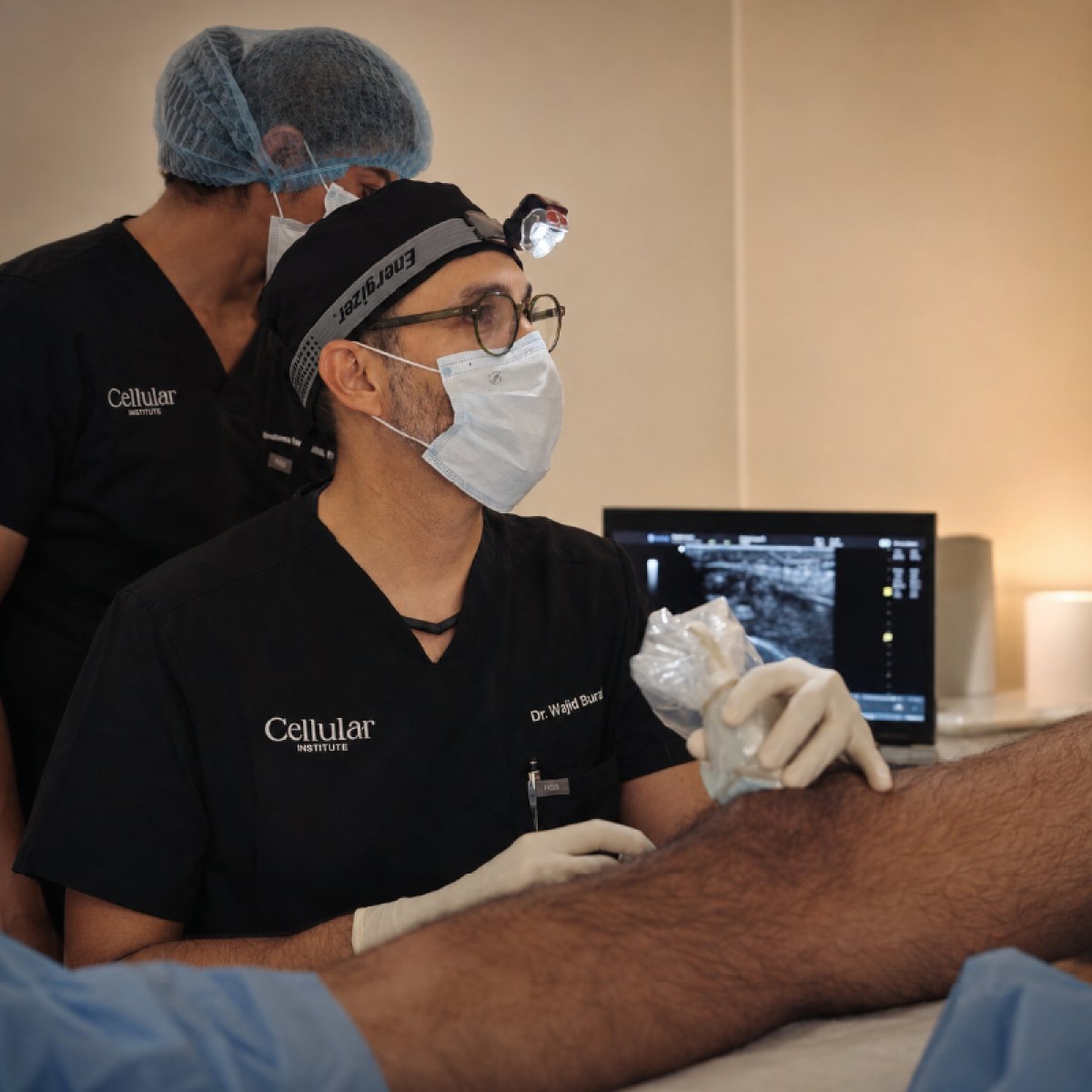
Cellular Hope Institute

Hospital Zambrano Hellion




Los mejores centros médicos de Nefrología en México
- Immunotherapy Regenerative Medicine, México
- Hospital de la Familia, México
- Stem Solutions, México
- Advance Health Medical Center, México
- Cellular Hope Institute, México
- Hospital Zambrano Hellion, México
- RamLanz, México
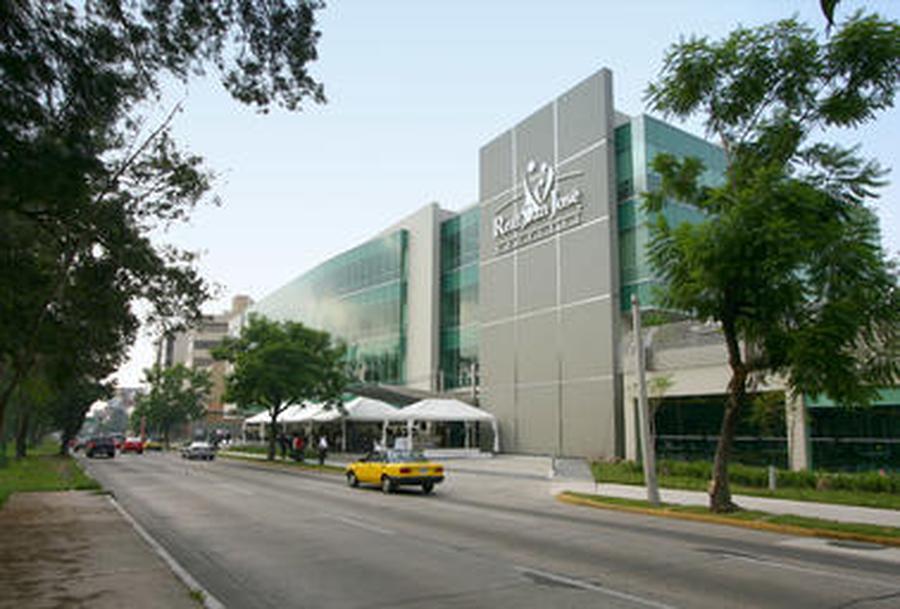
- Hospital Real San Jose, México
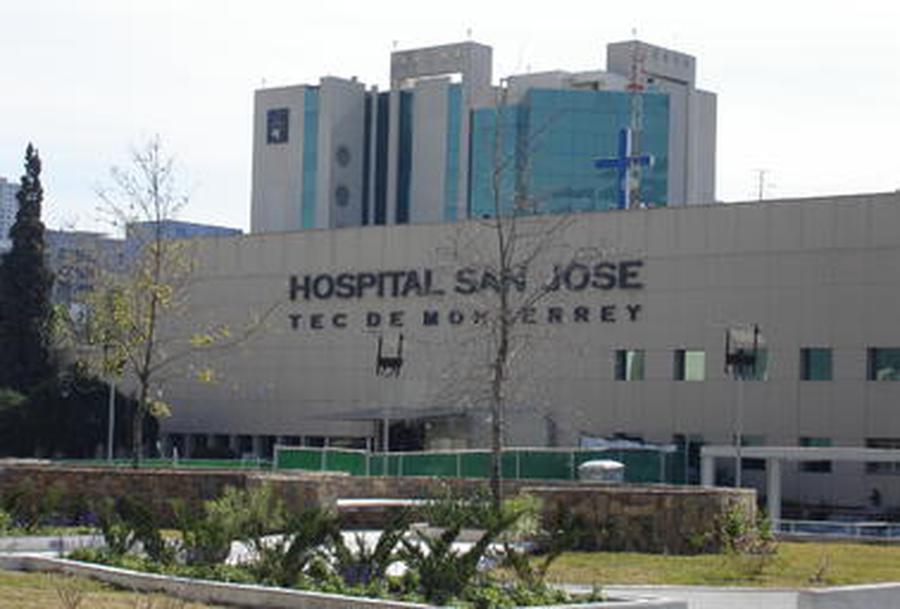
- Hospital San Jos Tecnolgico de Monterrey, México
- Alivia Clinica Monterrey, México
Obtenga una evaluación médica para en México: Elija su especialista entre los mejores en el campo
Ver todos los médicos
Jose Horacio Cano Cervantes
Especialista en Nefrología con alta especialidad en Nefrología de Trasplantes por instituciones de primer nivel en México y España.
- Médico Cirujano graduado con mención honorífica por la Universidad Autónoma de Chiapas
- Formado en el Instituto Nacional de Ciencias Médicas y la Fundación Jiménez Díaz
- Miembro de la Sociedad Mexicana de Trasplantes
- Maestría en Ciencias de la Salud por el Instituto Politécnico Nacional

Eduardo Fernandez
El Dr. Eduardo Fernández es un experto certificado en células madre especializado en medicina regenerativa, con el reconocimiento de las principales sociedades internacionales.
- Certificado por el Colegio Mexicano de Células Madre y Medicina Regenerativa
- En espera de la certificación internacional de la Sociedad Internacional para la Investigación de Células Madre
- Buscando la membresía en la Sociedad Internacional de Vesículas Extracelulares
- Se centra en terapias de vanguardia con células madre
Compartir contenido
Historias en video de pacientes de Bookimed
 Olena Sikoza
Preguntas frecuentes sobre Nefrología en México
¿El seguro de EE. UU. o Medicare cubre la atención nefrológica en México?
Medicare de EE. UU. y los seguros nacionales estándar generalmente no cubren la atención nefrológica en México. La cobertura de Medicare se limita a los 50 estados y territorios de EE. UU. La diálisis de rutina y las consultas renales en instalaciones mexicanas requieren pagos de bolsillo. Algunos planes Medigap pueden cubrir el 80% de los costos de emergencia.
- Restricción de Medicare: Las partes A y B de Medicare original excluyen la diálisis de mantenimiento de rutina fuera de EE. UU.
- Excepción de emergencia: La cobertura se aplica solo si un hospital mexicano está más cerca durante una emergencia en EE. UU.
- Beneficios de Medigap: Los planes C a N pueden cubrir la atención de emergencia dentro de los primeros 60 días.
- Seguro privado: La mayoría de los planes nacionales requieren un pago por adelantado y rara vez ofrecen un reembolso completo por la atención.
Perspectiva del experto de Bookimed: Los datos de clínicas como Renium Hemodialysis Clinic y Hospital de la Familia muestran un enfoque especializado en pacientes internacionales. Aunque el seguro rara vez cubre los costos, estas instalaciones a menudo brindan hemodiálisis y consultas nefrológicas a una fracción de los precios de EE. UU. Los pacientes pueden ahorrar significativamente reservando directamente en clínicas fronterizas en Mexicali o en centros como la Ciudad de México
¿Están acreditados internacionalmente los centros de atención renal mexicanos?
Los centros de atención renal mexicanos mantienen altos estándares a través de la acreditación internacional JCI y la certificación nacional CSG. Los principales hospitales de la Ciudad de México y Monterrey siguen protocolos de seguridad globales. Estos centros atienden frecuentemente a pacientes internacionales para diálisis y trasplantes complejos. Los nefrólogos especializados a menudo cuentan con formación internacional avanzada.
- Joint Commission International: El Hospital San José Tecnológico de Monterrey posee este prestigioso estándar de oro global.
- Certificación nacional: El Hospital Real San José y el Hospital de la Familia mantienen la acreditación CSG.
- Experiencia especializada: El Dr. José Horacio Cano Cervantes se formó en nefrología de trasplantes en España.
- Tecnología avanzada: Los centros acreditados utilizan sistemas robóticos para nefrectomías radicales y cirugías complejas.
Perspectiva del experto de Bookimed: El volumen de pacientes es un indicador de calidad importante en la nefrología mexicana. La Clínica de Hemodiálisis Renium atiende a 2,000 pacientes al año a pesar de tener solo 8 camas. Esta alta rotación sugiere protocolos eficientes y una atención optimizada que a menudo falta en clínicas más pequeñas y no acreditadas. Concéntrese en clínicas con un alto número de pacientes anuales documentado.
¿Qué ciudades y hospitales se consideran los mejores para el tratamiento nefrológico?
Ciudad de México, Monterrey y Guadalajara son los principales centros de nefrología avanzada en México. Las instalaciones mejor calificadas incluyen la Clínica de Hemodiálisis Renium y el Hospital San Jose Tecnologico de Monterrey, acreditado por la JCI. Estos centros se especializan en hemodiálisis, nefrectomía robótica y trasplantes de riñón complejos con altas tasas de éxito.
- Experiencia en Ciudad de México: La Clínica de Hemodiálisis Renium atiende a 2,000 pacientes al año para el cuidado de insuficiencia renal total.
- Médicos especializados: El Dr. Jose Horacio Cano Cervantes en Renium es especialista en nefrología de trasplantes.
- Tecnología avanzada: El Hospital San Jose Tecnologico de Monterrey cuenta con la prestigiosa acreditación JCI por seguridad.
- Centros regionales: Monterrey y Guadalajara ofrecen hospitales privados con tiempos de espera más cortos para diálisis.
Perspectiva del experto de Bookimed: Los datos muestran que las clínicas especializadas como la Clínica de Hemodiálisis Renium en Ciudad de México a menudo se enfocan exclusivamente en el cuidado renal, atendiendo a más de 2,000 pacientes anualmente. Este alto volumen permite protocolos más optimizados en comparación con los hospitales generales. Los pacientes que buscan trasplantes deben buscar médicos como el Dr. Jose Horacio Cano Cervantes, quien cuenta con forma
¿Cuánto tiempo debo planificar quedarme en México para recibir atención nefrológica integral?
Los pacientes deben planificar quedarse en México de 3 a 7 días para diagnósticos y de 15 a 30 días para evaluaciones integrales. Los procedimientos mayores como una nefrectomía requieren de 4 a 8 semanas para una estabilización segura. Los centros especializados en la Ciudad de México y Mexicali brindan atención acreditada por la JCI y monitoreo de seguimiento.
- Fase de diagnóstico: Los análisis de sangre iniciales y las imágenes generalmente requieren de 3 a 7 días para completarse.
- Evaluación de trasplante: Las pruebas de compatibilidad y la coordinación de donantes suelen tomar de 15 a 30 días.
- Recuperación quirúrgica: Para procedimientos como la nefrectomía, planifique de 5 a 7 días de hospitalización.
- Monitoreo postoperatorio: Los pacientes deben permanecer de 4 a 6 semanas localmente para asegurar una recuperación estable.
Perspectiva del experto de Bookimed: Las clínicas en Mexicali como el Hospital de la Familia ven un alto volumen internacional debido a su ubicación fronteriza. Estas instalaciones a menudo ofrecen tiempos de diagnóstico más rápidos para acomodar a los pacientes con base en California. Elegir un centro con laboratorio en el lugar puede reducir su estancia hasta en 3 días.
Consenso de los pacientes: Los pacientes señalan que es prudente presupuestar una semana adicional más allá del presup
¿Qué pautas dietéticas aconsejará el nefrólogo mexicano?
Los nefrólogos mexicanos recomiendan una dieta apta para los riñones centrada en un bajo contenido de sodio, potasio controlado y proteínas de origen vegetal. Especialistas como el Dr. José Horacio Cano Cervantes enfatizan la gestión de la ingesta de fósforo y proteínas. Mantener la hidratación con agua de lima natural ayuda a proteger la función renal y puede retrasar la necesidad de diálisis.
- Límites de sodio: Use hierbas frescas, ajo y lima en lugar de sal o paquetes de condimentos.
- Fuentes de proteínas: Priorice las proteínas vegetales como frijoles y lentejas sobre las carnes rojas o procesadas.
- Control de potasio: Reemplace los alimentos ricos en potasio como plátanos y aguacates con manzanas o pepinos.
- Gestión del fósforo: Limite los lácteos y evite los alimentos procesados que contienen aditivos como el ácido fosfórico.
Perspectiva del experto de Bookimed: Centros de la Ciudad de México como la Clínica de Hemodiálisis Renium atienden a más de 2,000 pacientes al año. Nuestros datos muestran que estas clínicas a menudo emplean nutricionistas especializados que adaptan la tradicional Dieta de la Milpa. Este enfoque culturalmente familiar hace que sea mucho más fácil para los pacientes seguir pautas médicas estrictas a largo plazo.
Consenso de los pacientes: Los pacientes señalan que los médicos son muy estri
¿Es viable el seguimiento médico una vez que regrese a casa?
El seguimiento médico para pacientes de nefrología que regresan de México es altamente viable mediante una atención local coordinada y monitoreo digital. Los pacientes generalmente hacen la transición a especialistas locales compartiendo resúmenes de alta detallados y utilizando consultas remotas. Las instalaciones mexicanas como la Clínica de Hemodiálisis Renium proporcionan informes estructurados para garantizar la continuidad.
- Coordinación local: Los nefrólogos locales gestionan la estabilidad a largo plazo utilizando los registros clínicos mexicanos.
- Acceso a telesalud: Los médicos a menudo proporcionan de 3 a 6 meses de seguimiento virtual a través de videollamadas.
- Transferencia de registros: Los pacientes deben llevar resúmenes de alta en inglés, incluidos los resultados de laboratorio y biopsias.
- Sincronización de medicamentos: Los médicos locales realizan controles de seguridad para alinear las recetas internacionales con los estándares del país de origen.
Opinión de expertos de Bookimed: Los pacientes crónicos a menudo encuentran una mejor continuidad en clínicas con un alto volumen de pacientes. Por ejemplo, la Clínica de Hemodiálisis Renium atiende a 2,000 pacientes anualmente en la Ciudad de México. Su experiencia con protocolos internacionales ayuda a cerrar la brecha entre el tratamiento mexicano y los sistemas de salud d
¿Tendré personal formado en EE. UU. o que hable inglés?
La mayoría de los centros de nefrología mexicanos que atienden a pacientes internacionales emplean médicos y personal de habla inglesa. Muchos especialistas poseen certificaciones de instituciones estadounidenses o han completado becas en centros prestigiosos como la Clínica Mayo. Las instalaciones suelen mantener la acreditación de la Joint Commission International (JCI) para garantizar estándares de seguridad equivalentes a los de EE. UU.
- Credenciales de los médicos: Muchos nefrólogos, como el Dr. Jose Horacio Cano Cervantes, cuentan con una alta formación especializada en trasplantes.
- Competencia lingüística: El personal médico en los principales centros suele aprobar exámenes de competencia en inglés para una comunicación clara.
- Instalaciones fronterizas: Las clínicas en Mexicali y Tijuana a menudo priorizan equipos bilingües para pacientes norteamericanos.
- Apoyo administrativo: El personal de recepción en los hospitales orientados al ámbito internacional suele hablar inglés con fluidez como estándar.
Perspectiva del experto de Bookimed: Los datos muestran que centros especializados como la Clínica de Hemodiálisis Renium y el Hospital San José Tecnológico de Monterrey atienden a miles de pacientes al año. Estas instalaciones de alto volumen a menudo proporcionan departamentos internacionales dedicados. Esto garantiza que los pacient